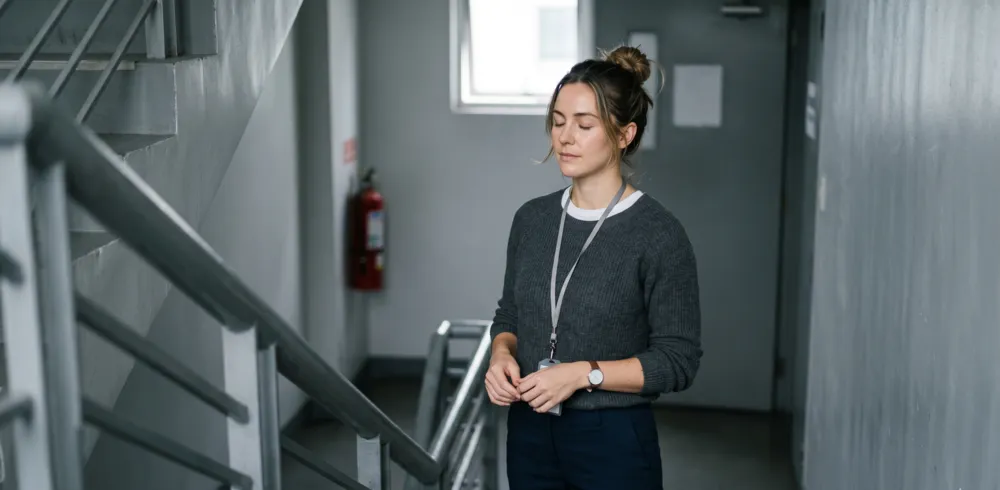
آیا آن گره آشنای نگرانی را حس میکنید که در سینهتان سفت میشود؟ شما تنها نیستید. بسیاری از افراد اضطراب را تجربه میکنند و این میتواند واقعاً کل سیستم شما را از تعادل خارج کند.
خبر خوب این است که نفس شما ابزاری قدرتمند است. یادگیری تکنیکهای ساده تنفس عمیق برای اضطراب میتواند به آرام کردن بدن و ذهن شما کمک کند و شما را دوباره به حالتی متعادلتر بازگرداند.
چگونه تمرینات تنفسی ساده یک سیستم عصبی تحت استرس را آرام میکنند؟
وقتی استرس یا اضطراب غلبه میکند، پاسخ طبیعی «جنگ یا گریز» بدن فعال میشود. این یک مکانیسم بقا است، اما در زندگی مدرن، میتواند بیش از حد فعال شود و باعث شود ما دائماً احساس تنش و نگرانی داشته باشیم.
علائم فیزیکی مانند ضربان قلب تند، تنفس سطحی و انقباض عضلانی همگی بخشی از این پاسخ هستند. درست مثل اینکه بدن شما در حال آماده شدن برای تهدیدی است که در واقع وجود ندارد.
با این حال، تنفس منحصربهفرد است، زیرا در مرز بین عملکردهای خودکار بدن و کنترل آگاهانه قرار دارد. در حالی که تنفس شما معمولاً بدون فکر کردن شما اتفاق میافتد، میتوانید تعمداً آن را تغییر دهید.
این توانایی برای تأثیرگذاری آگاهانه بر تنفس، ابزاری قدرتمند برای مدیریت پاسخ به استرس بدن است. با کنترل تنفس خود، میتوانید سیگنالهایی برای آرام شدن به سیستم عصبی خود ارسال کنید.
کارت کارهای آن چگونگی است:
قطع کردن چرخه: اضطراب اغلب یک حلقه بازخورد ایجاد میکند. علائم فیزیکی استرس میتواند منجر به افکار مضطرب شود که به نوبه خود علائم فیزیکی را بدتر میکند. تنفس کنترلشده میتواند با پرداختن مستقیم به احساسات فیزیکی، این چرخه را بشکند.
فعال کردن سیستم عصبی پاراسمپاتیک: تنفس عمیق و آهسته، بهویژه با بازدمهای طولانیتر، سیستم عصبی پاراسمپاتیک را فعال میکند. این سیستم «استراحت و هضم» بدن است که با پاسخ «جنگ یا گریز» مقابله میکند. این کار به کند شدن ضربان قلب، کاهش فشار خون و ایجاد احساس آرامش کمک میکند.
تغییرات فیزیولوژیکی: تمرین منظم تکنیکهای تنفسی خاص میتواند منجر به تغییرات قابل اندازهگیری شود. مطالعات نشان میدهند که تنفس کنترلشده میتواند ضربان قلب در حال استراحت و دفعات تنفس را کاهش دهد که نشاندهنده وضعیت آرامتر است. این یک تغییر ملموس در فیزیولوژی کلی بدن را نشان میدهد.
یادگیری استفاده آگاهانه از نفس خود میتواند روشی ساده و در عین حال مؤثر برای مدیریت احساسات استرس و اضطراب باشد و بدن شما را به حالت متعادلتری بازگرداند.
کدام تکنیکهای خاص تنفس عمیق تسکین فوری از اضطراب ایجاد میکنند؟
وقتی اضطراب رخ میدهد، گاهی اوقات سریعترین راه برای بازیابی احساس کنترل، تمرکز بر روی نفس شماست. این تکنیکها به گونهای طراحی شدهاند که ساده و قابل دسترس باشند و راهی برای قطع چرخه افکار مضطرب و تنش فیزیکی ارائه دهند.
چگونه تکنیک تنفس ۴-۷-۸ را برای آرامش عمیق تمرین میکنید؟
این روش که گاهی «نفس آرامشبخش» نامیده میشود، بر اساس تمرینهای یوگای باستان است. این روش شامل یک شمارش خاص برای دم، حبس نفس و بازدم است. هدف ایجاد یک ریتم آگاهانه است که میتواند به کاهش پاسخ استرس بدن کمک کند.
برای تمرین، یک وضعیت راحت نشسته یا خوابیده پیدا کنید.
زبان خود را به آرامی روی سقف دهان، دقیقاً در پشت دندانهای جلویی قرار دهید.
به آرامی از طریق بینی خود برای شمارش تا ۴ دم بگیرید، نفس خود را برای شمارش تا ۷ حبس کنید و سپس با قدرت از طریق دهان خود برای شمارش تا ۸ بازدم کنید و صدای نرم «ووووش» ایجاد کنید.
این چرخه را چند بار تکرار کنید.
برخی از افراد ممکن است در ابتدا احساس سبکی سر خفیفی داشته باشند که معمولاً طبیعی است. اغلب توصیه میشود با تعداد محدودی دوره شروع کنید و به تدریج با افزایش راحتی، آن را افزایش دهید.
چرا تنفس با لبهای غنچهشده برای کاهش ضربان قلب تند مؤثر است؟
تنفس با لبهای غنچهشده تکنیکی است که میتواند به مدیریت تنگی نفس و کاهش ضربان قلب سریع کمک کند. این تکنیک هم در زمان استراحت و هم در حین فعالیت مفید است. هسته اصلی این تکنیک کنترل بازدم است.
برای انجام این کار، مدتی در حدود ۲ ثانیه به آرامی از طریق بینی دم بگیرید و دهان خود را بسته نگه دارید.
سپس، لبهای خود را طوری غنچه کنید که انگار میخواهید سوت بزنید یا از نی بنوشید.
به آرامی از طریق این لبهای غنچهشده برای شمارش تا ۴ بازدم کنید.
این بازدم کنترلشده به کارآمدتر شدن تنفس کمک میکند، احتمالاً تلاش بدن در حین تنفس را کاهش میدهد و سیستم عصبی را آرام میکند.
چگونه بر تنفس عمیق دیافراگمی «شکمی» برای آرام کردن اضطراب تسلط پیدا کنیم؟
تنفس دیافراگمی که اغلب «تنفس شکمی» نامیده میشود، بر درگیر کردن دیافراگم، عضله بزرگی که در پایه ریهها قرار دارد، تمرکز دارد. این نوع تنفس کارآمدتر از تنفس سطحی قفسه سینه تلقی میشود.
برای تمرین، دراز بکشید یا راحت بنشینید.
یک دست خود را روی قفسه سینه و دست دیگر را روی شکم، درست زیر دنده قرار دهید.
به آرامی از طریق بینی دم بگیرید، با این هدف که انبساط شکم خود را حس کنید و دست خود را به سمت بیرون فشار دهید.
قفسه سینه شما باید نسبتاً بیحرکت بماند.
همانطور که به آرامی از طریق دهان بازدم میکنید، شکم شما منقبض میشود.
توجه به حرکت شکم میتواند به تقویت الگوی صحیح کمک کند. این تکنیک به دلیل پتانسیل آن در کاهش اثرات منفی استرس مورد مطالعه قرار گرفته است.
کدام تمرینات تنفسی به تمرکز مجدد ذهن و بهبود تمرکز کمک میکنند؟
هنگامی که احساسات اضطراب بروز میکند، ذهن میتواند پراکنده شود و تمرکز را دشوار کند. برخی تمرینات تنفسی به گونهای طراحی شدهاند که به بازگرداندن توجه شما به لحظه حال و تقویت حس وضوح ذهنی کمک کنند.
این تکنیکها با تأثیر بر پاسخهای فیزیولوژیکی بدن کار میکنند که به نوبه خود میتواند بر حالات ذهنی تأثیر بگذارد.
تنفس منسجم چیست و چگونه تعادل ذهن و بدن را ایجاد میکند؟
تنفس منسجم که به عنوان تنفس رزونانسی نیز شناخته میشود، شامل هماهنگ کردن تنفس با ضربان قلب است.
این تمرین معمولاً شامل تنفس با سرعت آهسته و ثابت، اغلب در حدود پنج تا هفت نفس در دقیقه است. هدف ایجاد حالتی است که در آن ریتم نفس و قلب همسو شوند و احساس آرامش و تعادل بین ذهن و بدن را تقویت کنند.
تحقیقات علوم اعصاب نشان میدهد که تمرین تنفس منسجم میتواند منجر به کاهش اضطراب و بهبود تنظیم هیجانی شود. این روشی است که به وضعیت درونی سازمانیافتهتر کمک میکند، که میتواند در هنگام احساس پریشانی و غرق شدن در افکار مفید باشد.
چگونه تنفس متناوب بینی (نادی شودانا) ذهن مضطرب را آرام میکند؟
تنفس متناوب سوراخ بینی، تمرینی ریشهدار در سنتهای یوگی، شامل تنفس سیستماتیک از طریق یک سوراخ بینی در یک زمان است، در حالی که سوراخ دیگر به طور موقت بسته است.
اعتقاد بر این است که این تکنیک جریان انرژی را در بدن متعادل کرده و سیستم عصبی را آرام میکند. با تمرکز بر احساس متمایز حرکت هوا در هر سوراخ بینی، ذهن از افکار مضطرب دور شده و به سمت عمل فیزیکی تنفس کشیده میشود.
مطالعات نشان دادهاند که تمرین منظم نادی شودانا میتواند به کاهش سطح استرس، کاهش ضربان قلب و حس کلی سلامت روان کمک کند. این تمرینی است که نیاز به تمرکز ملایم دارد و میتواند ابزاری قدرتمند برای آرام کردن هیاهوی ذهنی باشد.
برای تمرین تنفس متناوب سوراخ بینی:
راحت بنشینید و پشتتان صاف اما شل باشد.
از انگشت شست راست خود برای بستن ملایم سوراخ راست بینی خود استفاده کنید. به آرامی از طریق سوراخ چپ بینی خود دم بگیرید.
سوراخ چپ بینی خود را با انگشت حلقه راست خود ببندید، شست خود را از سوراخ راست رها کنید و به آرامی از سوراخ راست بازدم کنید.
از طریق سوراخ راست بینی خود دم بگیرید.
سوراخ راست بینی را با انگشت شست خود ببندید، انگشت حلقه خود را از سوراخ چپ رها کنید و از طریق سوراخ چپ بازدم کنید. این یک چرخه کامل است.
این کار را برای چند دقیقه ادامه دهید و هدف را روی یک ریتم ملایم و بدون عجله بگذارید.
چگونه میتوانید تمرین تنفس اضطراب خود را مؤثرتر کنید؟
بهترین محیط و زمان برای تمرینات روزانه تنفس چیست؟
برای بهرهمندی حداکثری از هر تمرین تنفسی، پیدا کردن یک محیط مناسب کلیدی است. مکانی آرام و بدون حواسپرتی به تمرکز بیشتر بر نفس و پاسخهای بدن کمک میکند. این
محیط میتواند یک اتاق اختصاصی مدیتیشن، یک گوشه دنج از خانه شما یا حتی یک نقطه آرام در فضای باز باشد. هدف به حداقل رساندن حواسپرتیهای خارجی است تا بتوان آگاهی درونی را پرورش داد.
ایجاد یک پناهگاه برای تمرین خود، حتی یک فضای کوچک، میتواند تأثیر آن را به ویژه عمیقتر کند.
بهترین زمان از روز برای تمرین چه زمان است؟
زمان بهینه برای تمرینات تنفسی میتواند بر اساس نیازها و برنامههای فردی متفاوت باشد. برخی متوجه میشوند که تمرین در اولین زمان صبح به ایجاد حالتی آرام برای روز کمک میکند. برخی دیگر ترجیح میدهند از این تکنیکها در شب برای آرام شدن قبل از خواب استفاده کنند.
آزمون و خطا اغلب بهترین رویکرد برای تعیین این است که چه زمانی با ریتمهای شخصی و الگوهای استرس همخوانی دارد. با این حال، تداوم و استمرار عموماً مهمتر از زمان خاص انتخابشده است.
چرا وضعیت بدنی و موقعیت فیزیکی برای تنفس عمیق بهینه مهم هستند؟
وضعیت بدنی مناسب از تنفس مؤثر حمایت میکند. هنگام نشستن، حفظ ستون فقرات صاف اما ریلکس توصیه میشود.
این کار را میتوان روی یک صندلی در حالتی که پاها صاف روی زمین قرار دارند یا با پاهای ضربدری روی یک کوسن انجام داد. در صورت دراز کشیدن، قرارگیری ستون فقرات در حالت خنثی و بازوها در طرفین اغلب راحت است.
نکته کلیدی پیدا کردن موقعیتی است که به دیافراگم اجازه دهد آزادانه حرکت کند و ریهها بدون محدودیت منبسط شوند. از هر وضعیتی که باعث ایجاد تنش یا ناراحتی میشود خودداری کنید.
اگر تمرینات تنفس عمیق اضطراب شما را بدتر کند، چه کاری باید انجام دهید؟
غیرمعمول نیست که برخی افراد در اولین شروع تمرین تکنیکهای تنفس عمیق، افزایش اولیه اضطراب را تجربه کنند. این میتواند زمانی اتفاق بیفتد که تمرکز بر احساسات بدنی، تنشهای پنهانی را به سطح بیاورد.
اگر این اتفاق افتاد، اقدامات زیر ممکن است مفید باشد:
با دورههای تمرین کوتاهتر شروع کنید. فقط با چند دقیقه شروع کنید و با افزایش راحتی، به تدریج زمان را افزایش دهید.
روی تکنیکهای ملایمتر تمرکز کنید. برخی روشها، مانند تنفس با لبهای غنچهشده، میتوانند نسبت به روشهایی که شامل حبس نفس است، ملایمتر باشند.
تمرینات را تغییر دهید. اگر یک شمارش خاص یا حبس نفس احساس کلافه بودن یا خفگی به شما میدهد، آن را به سطحی تنظیم کنید که به شما احساس کنترل میدهد. به عنوان مثال، بازدم را کوتاهتر کنید یا بخش حبس نفس را کاملاً نادیده بگیرید.
راهنمایی حرفهای را در نظر بگیرید. یک درمانگر یا مربی آموزشدیده تنفس میتواند پشتیبانی شخصی ارائه دهد و به عیبیابی هرگونه مشکل کمک کند.
چگونه تمرین تنفسی مناسب را برای موقعیت خاص خود انتخاب کنیم؟
کدام تکنیک سریع قبل از یک رویداد عمومی استرسزا مؤثرتر است؟
هنگام مواجهه با رویدادی که ممکن است باعث اضطراب شود، مانند یک ارائه یا یک گفتگوی دشوار، یک تمرین تنفسی کوتاه و متمرکز میتواند بسیار مفید باشد.
به عنوان مثال، تکنیک ۴-۷-۸ اغلب به دلیل توانایی آن در ایجاد سریع احساس آرامش توصیه میشود. انجام این الگوی تنفسی برای چند بار میتواند به کند کردن ضربان قلب تند و آرام کردن ذهنی پرمشغله کمک کند و شما را آماده کند تا با آرامش بیشتری با موقعیت مواجه شوید.
مؤثرترین نفس برای بیدار شدن با اضطراب در نیمهشب چیست؟
بیدار شدن غیرمنتظره در طول شب میتواند شما را گیج و آشفته کند و منجر به افزایش ناگهانی اضطراب شود. برای این لحظات، تنفس با لبهای غنچهشده میتواند به ویژه مؤثر باشد.
بازدم کنترلشده به کند شدن تنفس و فعال کردن پاسخ طبیعی آرامش بدن کمک میکند و بازگشت به خواب را آسانتر میسازد.
وقتی احساس میکنید حمله پانیک در حال شروع شدن است، چگونه باید نفس بکشید؟
شناخت علائم اولیه حمله پانیک کلید مدیریت آن است. وقتی احساس میکنید یکی از آنها شروع شده است، تمرکز بر روی تنفس عمیق و دیافراگمی، که به عنوان تنفس شکمی نیز شناخته میشود، میتواند مفید باشد.
این روش شامل قرار دادن یک دست روی قفسه سینه و دست دیگر روی شکم است. به آرامی از طریق بینی دم بگیرید و تمرکز کنید که شکم خود را به سمت بیرون منبسط کنید، در حالی که قفسه سینه را نسبتاً بیحرکت نگه میدارید.
سپس، به آرامی از طریق دهان بازدم کنید. هدف عمیق و آهسته کردن نفس و درگیر کردن دیافراگم است. این کنترل آگاهانه بر تنفس میتواند به قطع علائم فیزیکی تشدیدشونده یک حمله پانیک کمک کند.
ادامه دادن این کار برای چندین دقیقه میتواند به کاهش تدریجی شدت این تجربه کمک کند.
سخن پایانی در مورد گنجاندن تنفس عمیق در برنامه مدیریت اضطراب خود
بنابراین، ما بررسی کردیم که چگونه اضطراب میتواند در تنفس شما اختلال ایجاد کند و باعث شود احساس بدتری داشته باشید. خبر خوب این است که تمرینات تنفسی ساده واقعاً میتوانند به آرام کردن این شرایط کمک کنند.
تکنیکهایی مانند تنفس ۴-۷-۸ یا حتی فقط تمرکز روی بازدمهای طولانیتر میتوانند تغییر ایجاد کنند. آنها رایگان هستند، انجام دادنشان در هر جایی آسان است و میتوانند ابزار فوقالعادهای باشند که در زمان هجوم اضطراب به کارتان بیایند.
ممکن است کمی تمرین لازم باشد تا متوجه شوید چه چیزی برای شما بهتر کار میکند، اما تبدیل کردن این عادتهای تنفسی به بخشی از برنامه روزمرهتان میتواند به شما کمک کند احساس کنترل بیشتر و دستپاچگی کمتری داشته باشید.
منابع
Sasaki, K., & Maruyama, R. (2014). Consciously controlled breathing decreases the high-frequency component of heart rate variability by inhibiting cardiac parasympathetic nerve activity. The Tohoku journal of experimental medicine, 233(3), 155-163. https://doi.org/10.1620/tjem.233.155
Mittal, G., Pathania, M., Bhardwaj, P., Dhar, M., Khapre, M., & Mittal, S. (2025). An exploratory randomised trial to assess the effect of Nadi Shodhan Pranayama as an adjunct versus standard non-pharmacological management in hypertensives. Annals of Neurosciences, 09727531251318810.
سوالات متداول
رابطه تنفس با اضطراب چگونه است؟
هنگامی که احساس اضطراب میکنید، تنفس شما اغلب سریعتر و سطحیتر میشود. این مسئله میتواند شما را حتی بیشتر نگران کند. یادگیری تکنیکهای خاص تنفسی میتواند به کند کردن تنفس، آرامش بدن و ایجاد حس کنترل بیشتر کمک کند.
آیا تمرینات تنفسی میتوانند اضطراب را به طور کامل متوقف کنند؟
تمرینات تنفسی همیشه نمیتوانند اضطراب را کاملاً از بین ببرند، اما در کاهش علائم آن بسیار خوب عمل میکنند. آنها به آرام کردن سیستم عصبی شما کمک میکنند که میتواند باعث شود کمتر احساس نگرانی کنید و توانایی بالاتری برای برخورد با موقعیتهای استرسزا داشته باشید.
فواید اصلی تمرینات تنفسی برای اضطراب چیست؟
تمرین این روشها میتواند به آرامش بدن شما، کاهش ضربان قلب و کاهش فشار خون کمک کند. آنها همچنین حواس شما را از افکار مضطرب پرت کرده و میتوانند به شما کمک کنند خواب بهتری داشته باشید. درست مثل این است که به بدن خود سیگنالی بدهید که فضا امن است و میتواند آرام شود.
چه مدت باید تمرینات تنفسی را انجام دهم؟
تداوم و پیوستگی کلید کار است. حتی تمرین برای چند دقیقه در هر روز میتواند تفاوت ایجاد کند. برای برخی تکنیکها، مانند تنفس ۴-۷-۸، انجام آن برای چند دور میتواند آرامش فوری ایجاد کند. برای مابقی، مانند تنفس همزمان (رزونانس)، تمرین برای حدود ۱۰ دقیقه ممکن است مؤثرتر باشد.
بهترین مکان برای تمرین این تکنیکهای تنفسی کجاست؟
در حالت ایدهآل، یک نقطه آرام و راحت پیدا کنید که در آن کسی مزاحم شما نشود. این مکان میتواند اتاق خواب شما، یک گوشه آرام از پارک یا حتی ماشین شما باشد. با این حال، بسیاری از تکنیکها را میتوان در هر جایی انجام داد، حتی زمانی که در حال حرکت هستید.
اگر تمرینات تنفسی اضطراب من را بدتر کردند چه؟
گاهی اوقات، تمرکز بیش از حد روی نفس کشیدن میتواند در ابتدا اضطراب را افزایش دهد. اگر این اتفاق افتاد، تکنیکی بسیار ساده را امتحان کنید، مانند کمی تنفس عادی، یا تکنیکی با بازدم طولانیتر را امتحان کنید که اغلب بسیار آرامشبخش است. خود را مجبور به انجام آن نکنید؛ بر نفسهای نرم و ملایم تمرکز کنید.
آیا تکنیکهای تنفسی برای لحظات اضطراب خاص، مانند قبل از یک رویداد بزرگ وجود دارد؟
بله. برای تسکین سریع قبل از یک رویداد استرسزا، تکنیکهایی مانند تنفس جعبهای (۴-۴-۴) یا تنفس با لبهای غنچهشده میتوانند بسیار مفید باشند. آنها به گونهای طراحی شدهاند که نسبتاً سریع انجام شوند تا به شما در بازیابی احساس آرامش کمک کنند.
Emotiv یک شرکت پیشرو در فناوری عصبی است که با ابزارهای در دسترس EEG و دادههای مغزی به پیشبرد پژوهشهای علوم اعصاب کمک میکند.
سلب مسئولیت پزشکی: اطلاعات ارائه شده در این وبسایت صرفاً برای اهداف آموزشی و اطلاعرسانی است و به عنوان توصیه پزشکی یا بهداشتی در نظر گرفته نشده است. این محتوا ممکن است حاوی خطا باشد و نباید برای تصمیمگیریهای حیاتی در زمینه سلامت، پزشکی یا سبک زندگی به آن استناد کرد. همیشه برای هرگونه سؤال در رابطه با یک شرایط پزشکی یا درمان، از پزشک خود یا سایر ارائهدهندگان واجد شرایط مراقبتهای بهداشتی راهنمایی بخواهید.
کریستیان بورگوس