Predicting student emotions resulting from appraisal of its feedback
Nuri Djavit
Updated on
May 5, 2011
Predicting student emotions resulting from appraisal of its feedback
Nuri Djavit
Updated on
May 5, 2011
Predicting student emotions resulting from appraisal of its feedback
Nuri Djavit
Updated on
May 5, 2011
Paul Salvador Invented. The Institute of Scientific and Industrial Research, Osaka University, Japan
Abstract
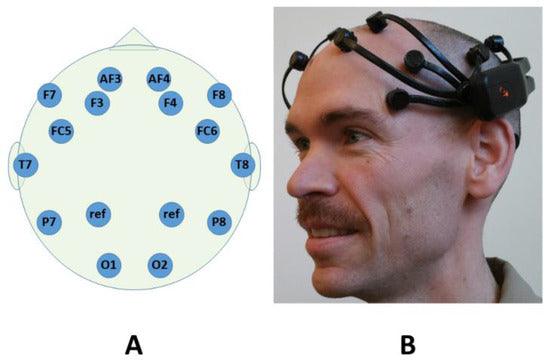
Many researchers have shown the effectiveness of affective ITS for supporting student learning. Support provided to students is usually presented through pedagogical agents capable of expressing emotions through facial expressions, gestures and synthesized speech. Dialogue content is important as it contains information that will help the student learn new information, further understand concepts or correct misconceptions. Although these interventions are based on existing theories, there are still cases when feedback may not fit students as they are very diverse and can be in very different contexts. One very important aspect to consider is how students appraise the feedback given by an ITS. By knowing the student’s appraisal of feedback, feedback that is effective and should be retained or replaced can be identified. This research investigates student emotions represented by frustration and excitement values resulting from appraisal of feedback as recognized by an EEG-based device. Frustration and excitement values resulting from feedback appraisal are correlated with feedback from the POOLEIII ITS to create predictive models of these relations. The use of these models will allow future ITS to identify the emotions that result from student appraisal of feedback before it is given, and allow it to perform adjustments on the feedback when necessary.
Paul Salvador Invented. The Institute of Scientific and Industrial Research, Osaka University, Japan
Abstract
Many researchers have shown the effectiveness of affective ITS for supporting student learning. Support provided to students is usually presented through pedagogical agents capable of expressing emotions through facial expressions, gestures and synthesized speech. Dialogue content is important as it contains information that will help the student learn new information, further understand concepts or correct misconceptions. Although these interventions are based on existing theories, there are still cases when feedback may not fit students as they are very diverse and can be in very different contexts. One very important aspect to consider is how students appraise the feedback given by an ITS. By knowing the student’s appraisal of feedback, feedback that is effective and should be retained or replaced can be identified. This research investigates student emotions represented by frustration and excitement values resulting from appraisal of feedback as recognized by an EEG-based device. Frustration and excitement values resulting from feedback appraisal are correlated with feedback from the POOLEIII ITS to create predictive models of these relations. The use of these models will allow future ITS to identify the emotions that result from student appraisal of feedback before it is given, and allow it to perform adjustments on the feedback when necessary.
Paul Salvador Invented. The Institute of Scientific and Industrial Research, Osaka University, Japan
Abstract
Many researchers have shown the effectiveness of affective ITS for supporting student learning. Support provided to students is usually presented through pedagogical agents capable of expressing emotions through facial expressions, gestures and synthesized speech. Dialogue content is important as it contains information that will help the student learn new information, further understand concepts or correct misconceptions. Although these interventions are based on existing theories, there are still cases when feedback may not fit students as they are very diverse and can be in very different contexts. One very important aspect to consider is how students appraise the feedback given by an ITS. By knowing the student’s appraisal of feedback, feedback that is effective and should be retained or replaced can be identified. This research investigates student emotions represented by frustration and excitement values resulting from appraisal of feedback as recognized by an EEG-based device. Frustration and excitement values resulting from feedback appraisal are correlated with feedback from the POOLEIII ITS to create predictive models of these relations. The use of these models will allow future ITS to identify the emotions that result from student appraisal of feedback before it is given, and allow it to perform adjustments on the feedback when necessary.
Continue reading