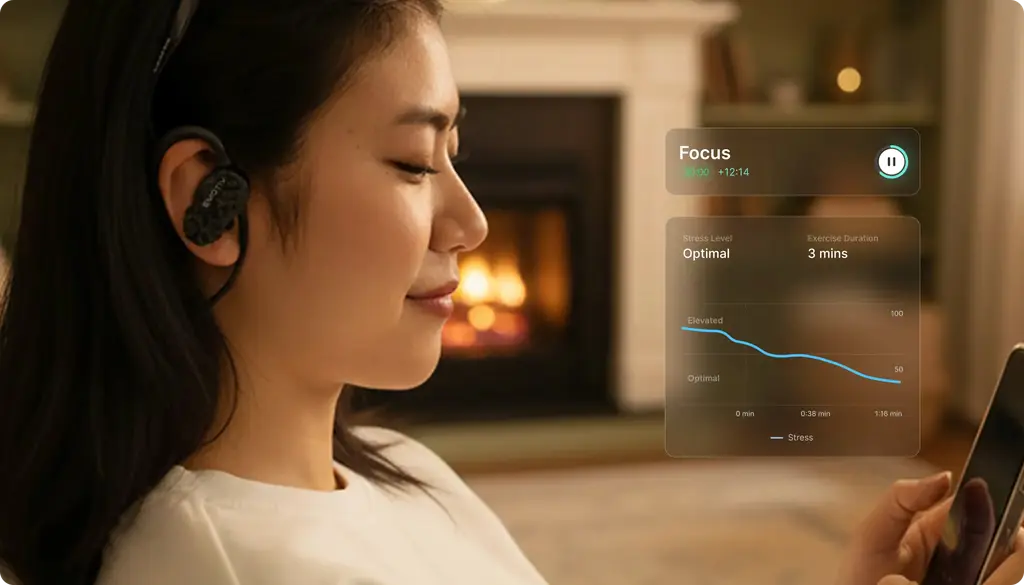
Best Neurofeedback Headsets for Home Training and Research
Emotiv
Updated on
Feb 9, 2026
Best Neurofeedback Headsets for Home Training and Research
Emotiv
Updated on
Feb 9, 2026
Best Neurofeedback Headsets for Home Training and Research
Emotiv
Updated on
Feb 9, 2026
Today, neurofeedback technology supports a wide range of applications, from cognitive wellness and mindfulness practices to neuroscience research and brain-computer interface development.
What Is a Neurofeedback Headset?
A neurofeedback headset helps you see and interact with your brain activity in real time.
Using electroencephalography (EEG), these devices measure the tiny electrical signals naturally produced by the brain. Software then translates those signals into visualizations, exercises, or insights that help you better understand your cognitive patterns.
What was once limited to research laboratories and clinical environments is now available in lightweight, user-friendly devices designed for everyday use.
Why Are People Using Neurofeedback at Home?
Interest in neurofeedback has grown alongside other forms of personal wellness technology.
People routinely monitor sleep, physical activity, heart rate, and recovery. Neurofeedback introduces another layer of self-awareness by providing access to information about focus, relaxation, mental effort, and cognitive performance.
Common reasons people explore neurofeedback include:
Building mindfulness and meditation practices
Improving focus during work or study
Understanding how daily habits affect cognitive performance
Exploring brain-computer interface technology
Learning more about their own brain activity
Supporting cognitive wellness routines
Rather than trying to change who you are, neurofeedback helps you better understand how your brain responds to everyday experiences.
The Best Neurofeedback Headset Depends on Your Goal
There is no single "best" neurofeedback headset.
The right device depends on what you want to accomplish.
Some people are looking for an easy way to explore cognitive wellness and brain awareness. Others need detailed EEG data for research, product development, or advanced neurotechnology applications.
Understanding your goals is the first step toward choosing the right solution.
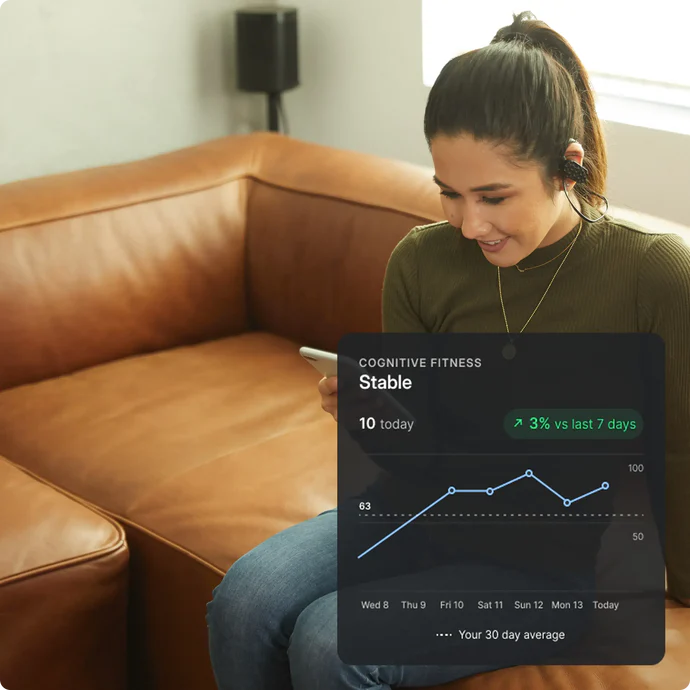
For Cognitive Wellness and Everyday Brain Awareness
Most people researching neurofeedback headsets are not conducting scientific studies or building custom applications.
They're looking for practical ways to better understand focus, relaxation, and everyday cognitive performance.
Emotiv Insight
The Emotiv Insight is a lightweight 5-channel wireless EEG headset designed to make brain activity more accessible.
Its streamlined design and semi-dry sensors allow users to get started quickly without the setup requirements associated with traditional EEG systems.
Insight captures brain activity from key areas of the cerebral cortex while remaining comfortable enough for regular use at home, in the office, or on the go.
Brainwear
Brainwear transforms brain activity into personalized insights designed to help users better understand their cognitive patterns.
Rather than presenting complex neuroscience data, Brainwear focuses on making information approachable and actionable. Users can explore patterns related to focus, mental effort, relaxation, and everyday cognitive performance through intuitive visualizations and guided experiences.
Whether you're building a mindfulness practice, exploring productivity habits, or simply curious about how your brain responds to daily life, Brainwear provides an accessible starting point.
For Research and Brain-Computer Interface Development
Some users require deeper access to EEG data for research, education, or technology development.
Emotiv Epoc X
The Emotiv Epoc X is a 14-channel wireless EEG headset designed for advanced applications.
Researchers, developers, and innovation teams use Epoc X for:
Brain-computer interface development
Academic research
Human factors studies
User and product research
Neuroscience education
Cognitive workload assessment
When paired with tools such as EmotivPRO, Emotiv Studio, and the Cortex API, Epoc X provides access to the data and flexibility required for sophisticated neurotechnology projects.
What Should You Look for in a Neurofeedback Headset?
Choosing a neurofeedback headset involves more than comparing specifications.
Comfort and Wearability
The best neurofeedback headset is one you'll actually use consistently.
Look for lightweight designs, comfortable sensor placement, and a setup process that fits naturally into your routine.
Software Experience
Software often has a bigger impact on the overall experience than the hardware itself.
Look for platforms that provide clear visualizations, meaningful insights, and an intuitive user experience.
Data Quality
Different applications require different levels of detail.
For everyday cognitive wellness, a streamlined headset may be all you need. For research and advanced development, additional EEG channels and access to raw data may be important.
Privacy and Security
Brain data is personal.
Choose solutions from organizations that prioritize transparency, user control, and responsible data practices.
Neurofeedback and Brain-Computer Interfaces
Neurofeedback and brain-computer interfaces are closely related but serve different purposes.
Neurofeedback focuses on helping users observe and interact with their own brain activity through feedback and training exercises.
Brain-computer interfaces use EEG signals to control software, devices, or digital experiences.
Many modern EEG systems support both approaches, allowing users to move from personal exploration into more advanced neurotechnology applications as their interests grow.
Getting Started with Neurofeedback
The easiest way to begin is by choosing a device that aligns with your goals and committing to consistent practice.
Like any skill, neurofeedback is something you develop over time. The most valuable insights often come from regular use and gradual observation rather than a single session.
Whether your interest is mindfulness, cognitive wellness, productivity, neuroscience, or brain-computer interfaces, today's EEG technology makes it easier than ever to explore the relationship between your brain and everyday life.
Meet Your Brain Coach
Curious about what your brain can tell you?
Brainwear combines EEG technology with personalized cognitive insights designed to help you better understand focus, relaxation, mental effort, and everyday cognitive performance.
Explore a new way to engage with your brain through accessible, easy-to-understand tools built for everyday use.
Today, neurofeedback technology supports a wide range of applications, from cognitive wellness and mindfulness practices to neuroscience research and brain-computer interface development.
What Is a Neurofeedback Headset?
A neurofeedback headset helps you see and interact with your brain activity in real time.
Using electroencephalography (EEG), these devices measure the tiny electrical signals naturally produced by the brain. Software then translates those signals into visualizations, exercises, or insights that help you better understand your cognitive patterns.
What was once limited to research laboratories and clinical environments is now available in lightweight, user-friendly devices designed for everyday use.
Why Are People Using Neurofeedback at Home?
Interest in neurofeedback has grown alongside other forms of personal wellness technology.
People routinely monitor sleep, physical activity, heart rate, and recovery. Neurofeedback introduces another layer of self-awareness by providing access to information about focus, relaxation, mental effort, and cognitive performance.
Common reasons people explore neurofeedback include:
Building mindfulness and meditation practices
Improving focus during work or study
Understanding how daily habits affect cognitive performance
Exploring brain-computer interface technology
Learning more about their own brain activity
Supporting cognitive wellness routines
Rather than trying to change who you are, neurofeedback helps you better understand how your brain responds to everyday experiences.
The Best Neurofeedback Headset Depends on Your Goal
There is no single "best" neurofeedback headset.
The right device depends on what you want to accomplish.
Some people are looking for an easy way to explore cognitive wellness and brain awareness. Others need detailed EEG data for research, product development, or advanced neurotechnology applications.
Understanding your goals is the first step toward choosing the right solution.
For Cognitive Wellness and Everyday Brain Awareness
Most people researching neurofeedback headsets are not conducting scientific studies or building custom applications.
They're looking for practical ways to better understand focus, relaxation, and everyday cognitive performance.
Emotiv Insight
The Emotiv Insight is a lightweight 5-channel wireless EEG headset designed to make brain activity more accessible.
Its streamlined design and semi-dry sensors allow users to get started quickly without the setup requirements associated with traditional EEG systems.
Insight captures brain activity from key areas of the cerebral cortex while remaining comfortable enough for regular use at home, in the office, or on the go.
Brainwear
Brainwear transforms brain activity into personalized insights designed to help users better understand their cognitive patterns.
Rather than presenting complex neuroscience data, Brainwear focuses on making information approachable and actionable. Users can explore patterns related to focus, mental effort, relaxation, and everyday cognitive performance through intuitive visualizations and guided experiences.
Whether you're building a mindfulness practice, exploring productivity habits, or simply curious about how your brain responds to daily life, Brainwear provides an accessible starting point.
For Research and Brain-Computer Interface Development
Some users require deeper access to EEG data for research, education, or technology development.
Emotiv Epoc X
The Emotiv Epoc X is a 14-channel wireless EEG headset designed for advanced applications.
Researchers, developers, and innovation teams use Epoc X for:
Brain-computer interface development
Academic research
Human factors studies
User and product research
Neuroscience education
Cognitive workload assessment
When paired with tools such as EmotivPRO, Emotiv Studio, and the Cortex API, Epoc X provides access to the data and flexibility required for sophisticated neurotechnology projects.
What Should You Look for in a Neurofeedback Headset?
Choosing a neurofeedback headset involves more than comparing specifications.
Comfort and Wearability
The best neurofeedback headset is one you'll actually use consistently.
Look for lightweight designs, comfortable sensor placement, and a setup process that fits naturally into your routine.
Software Experience
Software often has a bigger impact on the overall experience than the hardware itself.
Look for platforms that provide clear visualizations, meaningful insights, and an intuitive user experience.
Data Quality
Different applications require different levels of detail.
For everyday cognitive wellness, a streamlined headset may be all you need. For research and advanced development, additional EEG channels and access to raw data may be important.
Privacy and Security
Brain data is personal.
Choose solutions from organizations that prioritize transparency, user control, and responsible data practices.
Neurofeedback and Brain-Computer Interfaces
Neurofeedback and brain-computer interfaces are closely related but serve different purposes.
Neurofeedback focuses on helping users observe and interact with their own brain activity through feedback and training exercises.
Brain-computer interfaces use EEG signals to control software, devices, or digital experiences.
Many modern EEG systems support both approaches, allowing users to move from personal exploration into more advanced neurotechnology applications as their interests grow.
Getting Started with Neurofeedback
The easiest way to begin is by choosing a device that aligns with your goals and committing to consistent practice.
Like any skill, neurofeedback is something you develop over time. The most valuable insights often come from regular use and gradual observation rather than a single session.
Whether your interest is mindfulness, cognitive wellness, productivity, neuroscience, or brain-computer interfaces, today's EEG technology makes it easier than ever to explore the relationship between your brain and everyday life.
Meet Your Brain Coach
Curious about what your brain can tell you?
Brainwear combines EEG technology with personalized cognitive insights designed to help you better understand focus, relaxation, mental effort, and everyday cognitive performance.
Explore a new way to engage with your brain through accessible, easy-to-understand tools built for everyday use.
Today, neurofeedback technology supports a wide range of applications, from cognitive wellness and mindfulness practices to neuroscience research and brain-computer interface development.
What Is a Neurofeedback Headset?
A neurofeedback headset helps you see and interact with your brain activity in real time.
Using electroencephalography (EEG), these devices measure the tiny electrical signals naturally produced by the brain. Software then translates those signals into visualizations, exercises, or insights that help you better understand your cognitive patterns.
What was once limited to research laboratories and clinical environments is now available in lightweight, user-friendly devices designed for everyday use.
Why Are People Using Neurofeedback at Home?
Interest in neurofeedback has grown alongside other forms of personal wellness technology.
People routinely monitor sleep, physical activity, heart rate, and recovery. Neurofeedback introduces another layer of self-awareness by providing access to information about focus, relaxation, mental effort, and cognitive performance.
Common reasons people explore neurofeedback include:
Building mindfulness and meditation practices
Improving focus during work or study
Understanding how daily habits affect cognitive performance
Exploring brain-computer interface technology
Learning more about their own brain activity
Supporting cognitive wellness routines
Rather than trying to change who you are, neurofeedback helps you better understand how your brain responds to everyday experiences.
The Best Neurofeedback Headset Depends on Your Goal
There is no single "best" neurofeedback headset.
The right device depends on what you want to accomplish.
Some people are looking for an easy way to explore cognitive wellness and brain awareness. Others need detailed EEG data for research, product development, or advanced neurotechnology applications.
Understanding your goals is the first step toward choosing the right solution.
For Cognitive Wellness and Everyday Brain Awareness
Most people researching neurofeedback headsets are not conducting scientific studies or building custom applications.
They're looking for practical ways to better understand focus, relaxation, and everyday cognitive performance.
Emotiv Insight
The Emotiv Insight is a lightweight 5-channel wireless EEG headset designed to make brain activity more accessible.
Its streamlined design and semi-dry sensors allow users to get started quickly without the setup requirements associated with traditional EEG systems.
Insight captures brain activity from key areas of the cerebral cortex while remaining comfortable enough for regular use at home, in the office, or on the go.
Brainwear
Brainwear transforms brain activity into personalized insights designed to help users better understand their cognitive patterns.
Rather than presenting complex neuroscience data, Brainwear focuses on making information approachable and actionable. Users can explore patterns related to focus, mental effort, relaxation, and everyday cognitive performance through intuitive visualizations and guided experiences.
Whether you're building a mindfulness practice, exploring productivity habits, or simply curious about how your brain responds to daily life, Brainwear provides an accessible starting point.
For Research and Brain-Computer Interface Development
Some users require deeper access to EEG data for research, education, or technology development.
Emotiv Epoc X
The Emotiv Epoc X is a 14-channel wireless EEG headset designed for advanced applications.
Researchers, developers, and innovation teams use Epoc X for:
Brain-computer interface development
Academic research
Human factors studies
User and product research
Neuroscience education
Cognitive workload assessment
When paired with tools such as EmotivPRO, Emotiv Studio, and the Cortex API, Epoc X provides access to the data and flexibility required for sophisticated neurotechnology projects.
What Should You Look for in a Neurofeedback Headset?
Choosing a neurofeedback headset involves more than comparing specifications.
Comfort and Wearability
The best neurofeedback headset is one you'll actually use consistently.
Look for lightweight designs, comfortable sensor placement, and a setup process that fits naturally into your routine.
Software Experience
Software often has a bigger impact on the overall experience than the hardware itself.
Look for platforms that provide clear visualizations, meaningful insights, and an intuitive user experience.
Data Quality
Different applications require different levels of detail.
For everyday cognitive wellness, a streamlined headset may be all you need. For research and advanced development, additional EEG channels and access to raw data may be important.
Privacy and Security
Brain data is personal.
Choose solutions from organizations that prioritize transparency, user control, and responsible data practices.
Neurofeedback and Brain-Computer Interfaces
Neurofeedback and brain-computer interfaces are closely related but serve different purposes.
Neurofeedback focuses on helping users observe and interact with their own brain activity through feedback and training exercises.
Brain-computer interfaces use EEG signals to control software, devices, or digital experiences.
Many modern EEG systems support both approaches, allowing users to move from personal exploration into more advanced neurotechnology applications as their interests grow.
Getting Started with Neurofeedback
The easiest way to begin is by choosing a device that aligns with your goals and committing to consistent practice.
Like any skill, neurofeedback is something you develop over time. The most valuable insights often come from regular use and gradual observation rather than a single session.
Whether your interest is mindfulness, cognitive wellness, productivity, neuroscience, or brain-computer interfaces, today's EEG technology makes it easier than ever to explore the relationship between your brain and everyday life.
Meet Your Brain Coach
Curious about what your brain can tell you?
Brainwear combines EEG technology with personalized cognitive insights designed to help you better understand focus, relaxation, mental effort, and everyday cognitive performance.
Explore a new way to engage with your brain through accessible, easy-to-understand tools built for everyday use.

Continue reading