Yoga phục hồi mang lại cơ hội sâu sắc để tạm dừng và tái tạo năng lượng trong một thế giới bận rộn, sử dụng các dụng cụ hỗ trợ để tạo điều kiện cho sự thư giãn sâu và thụ động. Bằng cách giữ ít tư thế hơn trong thời gian dài hơn, việc thực hành này giúp chuyển cơ thể sang trạng thái tĩnh lặng hơn.
Restorative Yoga là gì?
Restorative yoga (yoga phục hồi) là một phương pháp vận động nhẹ nhàng được thiết kế để mang lại sự thư giãn hoàn toàn cả về thể chất lẫn tinh thần. Bằng cách làm chậm lại nhịp điệu cuộc sống, phương pháp này giúp người tập chìm vào sự tĩnh lặng và nuôi dưỡng sự kết nối sâu sắc hơn với khoảnh khắc hiện tại.
Cách tiếp cận này giúp cơ thể tìm lại sự cân bằng và hài hòa thông qua các tư thế có chủ đích, được hỗ trợ bởi dụng cụ và giữ trong thời gian dài.
Các nguyên lý cốt lõi của Restorative Yoga
Nguyên tắc trung tâm của phương pháp này là sự thả lỏng hoàn toàn của cơ thể dưới sự nâng đỡ từ các công cụ hỗ trợ bên ngoài. Bằng cách loại bỏ nỗ lực cần thiết để giữ một tư thế, người tập cho phép hệ thần kinh chuyển từ trạng thái phản ứng sang trạng thái phục hồi sâu.
Sự tĩnh lặng này mời gọi người tập quan sát suy nghĩ của họ mà không phán xét hay cần phải hành động ngay lập tức.
Sự khác biệt chính: Restorative vs. Yin Yoga
Mặc dù cả hai phương pháp đều có nhịp độ chậm, chúng khác nhau đáng kể về mục tiêu sinh lý học.
Yin Yoga thường liên quan đến các động tác căng cơ sâu, giữ lâu nhằm mục đích tác động trực tiếp vào các mô liên kết, thường mang lại trải nghiệm giàu cảm giác. Ngược lại, restorative yoga tránh các động tác căng cơ sâu, chủ động, ưu tiên sự thoải mái tối đa và giải phóng các căng thẳng còn sót lại thông qua sự nâng đỡ toàn thân.
Lợi ích của việc thực hành Restorative Yoga
Các lợi ích của phương pháp này không chỉ dừng lại ở cảm giác bình yên nhất thời, mà còn cải thiện cả sức khỏe sinh lý và sức khỏe cảm xúc. Bằng cách ưu tiên sự tĩnh lặng, phương pháp thực hành này giúp xóa bỏ thói quen luôn phải "làm việc" liên tục vốn là đặc trưng của nhiều lối sống hiện đại.
Giảm căng thẳng và Thư giãn
Khi cơ thể được nâng đỡ đúng cách, nó cuối cùng có thể buông bỏ các triệu chứng vật lý liên quan đến mức độ căng thẳng cao. Sự giải phóng này khuyến khích hệ thần kinh tắt phản ứng chiến-hay-chạy, báo hiệu rằng cuối cùng cơ thể đã an toàn để nghỉ ngơi.
Thực hành đều đặn có thể dẫn đến một hệ thần kinh được điều hòa tốt hơn, giúp nuôi dưỡng cảm giác bình tĩnh hơn trong cuộc sống hàng ngày.
Lợi ích thể chất: Căng cơ nhẹ nhàng và Nâng đỡ
Không giống như các bài tập thể dục truyền thống, hình thức vận động này không nhằm mục đích xây dựng sức mạnh cơ bắp hay đẩy giới hạn độ dẻo dai của cá nhân lên cao.
Thay vào đó, nó tập trung vào việc cung cấp sự nâng đỡ nhẹ nhàng, liên tục, khuyến khích các cơ bắp mềm ra thay vì phải hoạt động.
Cách tiếp cận này có thể đặc biệt có lợi cho những ai muốn chống lại tình trạng cứng khớp thường phát sinh do lối sống ít vận động hoặc các cử động lặp đi lặp lại hàng ngày.
Sức khỏe tinh thần và Cảm xúc
Phương pháp thực hành này tạo ra một không gian yên bình nơi những ồn ào trong tâm trí có thể dần dần tiêu tan. Bằng cách tập trung vào hơi thở trong một môi trường được nâng đỡ, người tập có thể dễ dàng nuôi dưỡng thái độ bao dung đối với bản thân hơn.
Trạng thái tự suy ngẫm trong tĩnh lặng này có thể hỗ trợ quản lý cảm giác quá tải và cải thiện lòng tự trọng tổng thể.
Tăng cường nhận thức cơ thể và Khả năng cảm thụ nội tâm
Dành thời gian đều đặn trong một không gian yên tĩnh, tĩnh lặng sẽ dạy cho tâm trí biết lắng nghe những tín hiệu tinh tế của cơ thể. Mức độ nhạy bén tăng cao này đối với các cảm xúc bên trong được gọi là khả năng cảm nhận nội tâm (interoception), và nó là một thành phần quan trọng đối với sức khỏe não bộ lâu dài và điều hòa cảm xúc.
Theo thời gian, nhận thức tinh tế này có thể giúp các cá nhân nhận biết các dấu hiệu căng thẳng hoặc áp lực trước khi chúng trở nên nghiêm trọng.
Trình tự Restorative Yoga nền tảng trong 30 phút
Một trình tự nền tảng nên nhấn mạnh sự thoải mái hơn tất cả, đảm bảo rằng các dụng cụ hỗ trợ được sử dụng một cách thoải mái nhất để loại bỏ mọi cảm giác căng thẳng. Ngay cả một buổi tập ngắn cũng có thể tác động đáng kể đến chất lượng hoạt động của hệ thần kinh trong suốt thời gian còn lại của ngày.
Mặc dù các nền tảng như Calm thường nhấn mạnh tầm quan trọng của sự nghỉ ngơi sâu, có chủ đích, người ta vẫn có thể tự tạo ra một trải nghiệm phục hồi cá nhân hóa ngay tại nhà bằng cách sử dụng các vật dụng đơn giản trong gia đình.
Tư thế 1: Tư thế Đứa trẻ có hỗ trợ (Balasana)
Bắt đầu bằng cách quỳ trên sàn, hai đầu gối mở rộng một chút trong khi hai ngón chân cái chạm vào nhau.
Đặt một chiếc gối ôm lớn hoặc vài chiếc chăn gấp giữa hai chân để tạo một bề mặt chắc chắn, nâng đỡ cho phần thân trên. Bằng cách tựa trán và ngực hoàn toàn lên vật hỗ trợ, bạn cho phép vai và lưng dưới được giải phóng khỏi mọi gánh nặng.
Tư thế 2: Tư thế Góc cố định nằm ngửa có hỗ trợ (Supta Baddha Konasana)
Từ tư thế ngồi, áp hai lòng bàn chân vào nhau và để đầu gối mở rộng sang hai bên.
Đặt một chiếc gối ôm dọc theo chiều dài của cột sống và đỡ đầu gối bên ngoài bằng chăn gấp để đảm bảo không có lực căng ở vùng bẹn trong. Tư thế này mời gọi lồng ngực mở ra một cách tự nhiên mà không cần đến sự tham gia chủ động của cơ bắp thường thấy trong các phong cách yoga khác.
Tư thế 3: Tư thế Cây cầu có hỗ trợ (Setu Bandhasana)
Nằm phẳng trên lưng, sau đó nhẹ nhàng nâng hông lên để trượt một khối gạch yoga hoặc một chiếc chăn gấp chắc chắn xuống dưới xương cùng.
Đảm bảo chiều cao của dụng cụ hỗ trợ mang lại cảm giác ổn định và cho phép hông đạt đến trạng thái nghỉ ngơi hoàn toàn. Sự nâng đỡ đảo ngược này mang lại một tư thế êm dịu, giúp bạn vừa cảm thấy thư giãn vừa được phục hồi năng lượng.
Tư thế 4: Tư thế Gác chân lên tường (Viparita Karani)
Ngồi với phần hông vuông góc với bức tường và xoay người sao cho hai chân duỗi thẳng lên trên dọc theo bề mặt tường.
Xương chậu có thể được nâng lên một chút bằng một chiếc chăn gấp để cải thiện sự thoải mái và giúp lượng máu lưu thông trở lại một cách tự nhiên. Tư thế cổ điển này thường được ca ngợi vì sự đơn giản và khả năng làm dịu cơ thể sau một thời gian dài đứng thẳng.
Tư thế 5: Thư giãn tối đa trong tư thế Savasana có hỗ trợ
Đối với tư thế cuối cùng, hãy nằm hoàn toàn phẳng trên lưng, đỡ đầu bằng một chiếc chăn và đỡ đầu gối bằng một chiếc gối ôm. Che phủ cơ thể bằng một chiếc chăn ấm có thể tăng cường cảm giác an toàn và giúp nhiệt độ cơ thể luôn ở mức dễ chịu.
Ngay cả các giáo viên từ cộng đồng Peloton cũng thường lưu ý rằng, phần nghỉ ngơi cuối cùng này thường là phần khó làm chủ nhất, nhưng nó lại rất cần thiết để hấp thụ các lợi ích của buổi tập.
Sinh lý học của sự nâng đỡ: Tại sao dụng cụ hỗ trợ là một tín hiệu sinh học cho sự an toàn
Hệ thần kinh của con người liên tục theo dõi môi trường xung quanh để phát hiện các mối đe dọa, và các bài tập thể dục truyền thống thường kích hoạt trạng thái cảnh giác. Ngược lại, việc sử dụng dụng cụ hỗ trợ một cách có chủ đích hoạt động như một tín hiệu bên ngoài rằng cơ thể đã an toàn và được nâng đỡ, cho phép giải phóng hoàn toàn căng thẳng.
Lớp nâng đỡ nền tảng này chính là điều cho phép các mô sâu thực sự được thả lỏng mà không cần đến bất kỳ chuyển động chủ động nào.
Lực nâng đỡ toàn thân tắt chế độ căng cứng bảo vệ của cơ bắp như thế nào
Căng cứng bảo vệ cơ bắp là một cơ chế tự vệ vô thức giúp cơ bắp contraction (co thắt) lại khi não bộ nhận thấy sự bất ổn hoặc đau đớn. Cung cấp sự nâng đỡ toàn diện từ bên ngoài sẽ loại bỏ nhu cầu căng thẳng bảo vệ này, báo hiệu cho các sóng não dịu xuống.
Một khi cơ bắp không còn cần thiết để duy trì cấu trúc chống lại trọng lực, chúng cuối cùng có thể buông lỏng để trở nên mềm mại hoàn toàn.
Giải phóng căng thẳng không cần căng cơ chủ động
Nhiều chế độ tập thể dục thông thường dựa vào các động tác căng cơ chủ động để tăng phạm vi chuyển động, điều này có thể vô tình kích hoạt phản xạ co cơ và giữ cho cơ bắp luôn cảnh giác. Restorative yoga đạt được hiệu quả sâu hơn bằng cách tránh hoàn toàn phản xạ này, cho phép cơ thể tự nhiên chuyển sang một trạng thái thư giãn hơn.
Sự thụ động này không đồng nghĩa với sự lười biếng; đó là một lựa chọn thông minh để ưu tiên trạng thái phục hồi hơn là trạng thái làm việc.
Cách Restorative Yoga thay đổi các mô hình sóng não
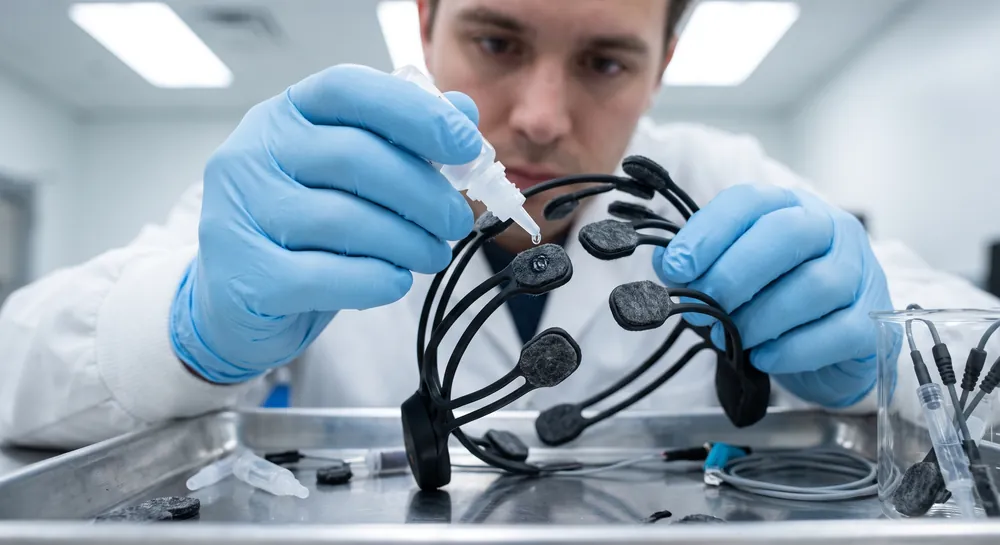
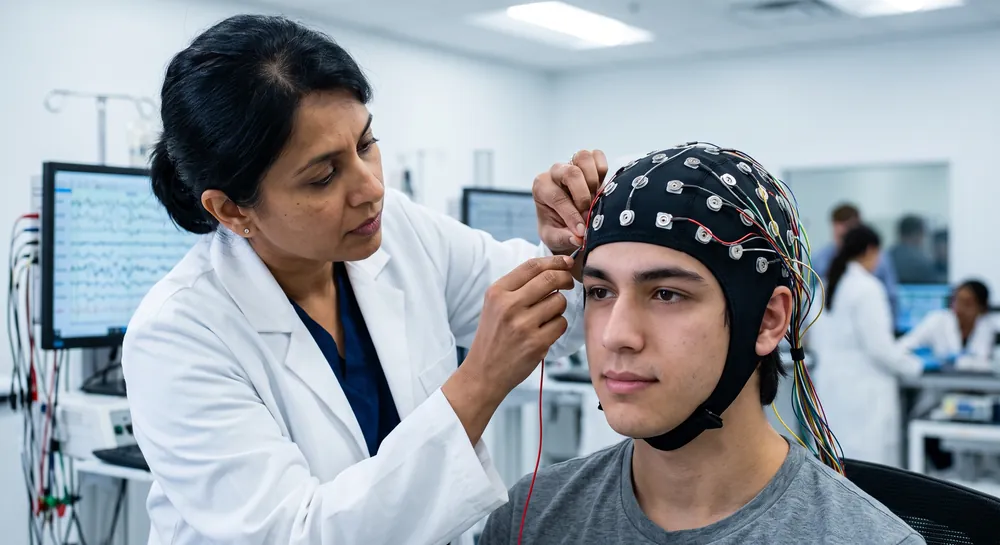
Sự chuyển dịch từ tình trạng hưng phấn thái quá của hệ thần kinh giao cảm sang sự chiếm ưu thế của hệ thần kinh phó giao cảm trong lúc tập yoga có thể được đánh giá thông qua điện não đồ (EEG), ghi lại các điều chỉnh điện học theo thời gian thực của hệ thần kinh trung ương.
Các tài liệu đánh giá tổng quan toàn diện chỉ ra rằng việc thực hành yoga và thiền định thường xuyên tạo ra những thay đổi đáng kể trên các băng tần sóng não alpha, beta và theta. Những thay đổi phổ này đóng vai trò là mối tương quan thần kinh khách quan đối với việc giảm lo âu, ổn định tâm trạng và tăng cường sự tập trung nội tâm mà những người thực hành báo cáo.
Thay vì phản ánh một trạng thái thụ động hoặc hoàn toàn không hoạt động, hồ sơ điện sinh lý của yoga đại diện cho sự gia tăng năng động của các quy trình não bộ độc lập, lành mạnh so với trạng thái nghỉ ngơi thông thường không làm việc.
Khi xem xét các phương pháp cụ thể trong tài liệu nghiên cứu, các phong cách nhấn mạnh vào sự thư giãn sâu hoặc sự tập trung kéo dài—chẳng hạn như Yoga Nidra, Kundalini và Sahaja Yoga—thường hiển thị các mô hình dao động riêng biệt. Những người thực hành lâu năm thường xuyên thể hiện năng lượng theta và alpha tăng cao, với các trạng thái tập trung sâu cho thấy sự gia tăng rõ rệt về sức mạnh và tính nhất quán của sóng theta ở vùng giữa trán.
Ở cấp độ cấu trúc, các kỹ thuật xử lý tín hiệu thường xuyên xác định sự gia tăng sự liên kết alpha-theta, đo lường tính đều đặn của pha và sự phát xung đồng bộ giữa các bán cầu não khác nhau. Sự liên kết nội bán cầu và liên bán cầu này được công nhận rộng rãi là một đặc trưng điện sinh lý quan trọng của sự thư giãn thể chất sâu sắc kết hợp với sự tập trung cao độ hướng vào bên trong.
Tuy nhiên, các nhà thần kinh học coi những phát hiện này là mang tính khám phá, nhấn mạnh rằng lĩnh vực này vẫn còn tương đối mới mẻ. Phần lớn các tài liệu hiện tại bao gồm các nghiên cứu sơ bộ được đặc trưng bởi quy mô mẫu nhỏ, trình độ của người thực hành có sự biến động cao và thường thiếu các nhóm đối chứng chủ động ngẫu nhiên, nghiêm ngặt.
Ngoài ra, các nhà nghiên cứu lưu ý rằng việc theo dõi vỏ não thực sự có thể dễ bị lẫn tạp chất do các hoạt động điện cơ, nghĩa là vẫn cần kỹ thuật chính xác và xử lý tín hiệu tiên tiến để tách biệt rõ ràng các đặc trưng do thiền định tạo ra khỏi sự căng cơ vô thức. Do đó, các mô hình sóng não được ghi nhận này được hiểu là các chỉ số đầy hứa hẹn về tính dẻo dai của thần kinh nhận thức và giảm căng thẳng chứ không phải là các hồ sơ chẩn đoán tiêu chuẩn hóa hay các thước đo dứt khoát về khả năng làm chủ của cá nhân.
Kết luận
Tham gia vào một buổi tập restorative yoga thường xuyên mang lại một sự đối trọng quan trọng đối với những đòi hỏi của một cuộc sống nhịp độ nhanh. Thông qua việc sử dụng có chủ đích các dụng cụ hỗ trợ và ưu tiên sự tĩnh lặng thụ động, bất kỳ ai cũng có thể nuôi dưỡng một mối quan hệ yêu thương, ổn định hơn với cả cơ thể và tâm trí của họ. Bằng cách chấp nhận thực hành này như một hình thức tự chăm sóc bản thân không thể thỏa hiệp, bạn sẽ mở ra một con đường bền vững dẫn đến sức sống lâu dài và sự cân bằng tinh thần.
Tài liệu tham khảo
Kora, P., Meenakshi, K., Swaraja, K., Rajani, A., & Raju, M. S. (2021). EEG based interpretation of human brain activity during yoga and meditation using machine learning: A systematic review. Complementary therapies in clinical practice, 43, 101329. https://doi.org/10.1016/j.ctcp.2021.101329
Các câu hỏi thường gặp
Tôi có cần phải dẻo dai để bắt đầu thực hành yoga phục hồi không?
Không, bạn không cần bất kỳ sự dẻo dai nào trước đó để bắt đầu. Restorative yoga được thiết kế để phù hợp với mọi thể trạng và cấp độ, vì các dụng cụ hỗ trợ được sử dụng cụ thể để làm cầu nối giữa khả năng vận động hiện tại của bạn và tư thế của động tác.
Nên thực hành với tần suất như thế nào?
Thực hành dù chỉ một tuần một lần cũng có thể mang lại những lợi ích đáng kể cho việc giảm căng thẳng. Nhiều người nhận thấy rằng việc tích hợp các buổi tập ngắn, mười phút vào thói quen hàng ngày của họ hiệu quả hơn là cố gắng sắp xếp một buổi tập dài.
Tôi có thể sử dụng đồ nội thất trong nhà làm dụng cụ hỗ trợ không?
Có, hoàn toàn được. Các loại gối tiêu chuẩn, chăn dày được gấp gọn gàng, và thậm chí cả đệm ghế sofa đều có thể đóng vai trò là những vật thay thế tuyệt vời cho gối ôm và gạch yoga chuyên nghiệp.
Phương pháp thực hành này có phù hợp với người bị đau mãn tính không?
Restorative yoga có thể là một cách nhẹ nhàng để khám phá các chuyển động, nhưng bạn nên luôn tham khảo ý kiến của bác sĩ hoặc nhà trị liệu vật lý nếu bạn đang kiểm soát một tình trạng bệnh lý. Một chuyên gia có thể giúp bạn hiểu những sửa đổi nào là phù hợp nhất cho nhu cầu cụ thể của bạn.
Làm thế nào để tôi biết mình có đang giữ một tư thế quá lâu không?
Không bao giờ được xuất hiện bất kỳ cơn đau nhói hay sự khó chịu dữ dội nào trong suốt buổi tập. Nếu bạn cảm thấy châm chích như bị kim châm hoặc thấy tâm trí mình dồn dập không thể kiểm soát, đó là dấu hiệu rõ ràng cho thấy bạn nên điều chỉnh dụng cụ hỗ trợ hoặc thoát khỏi tư thế đó hoàn toàn.
Tôi có nên cảm thấy mệt mỏi sau một buổi tập không?
Bạn có thể sẽ cảm thấy một sự bình yên sâu sắc và đôi khi là cảm giác nặng nề về thể xác, điều này thường gặp sau khi hệ thần kinh được điều hòa. Tuy nhiên, bạn không nên cảm thấy kiệt sức hoặc hao mòn thể lực giống như sau một buổi tập luyện cường độ cao.
Tôi có thể nghe nhạc trong khi tập luyện không?
Nhiều người thấy âm nhạc nhạc cụ êm dịu hoặc âm thanh môi trường xung quanh giúp tạo không khí yên bình. Hãy chọn thứ gì đó không có lời bài hát hoặc không có sự thay đổi đột ngột về cường độ để giúp giữ sự chú ý của bạn tập trung vào bên trong.
Emotiv là một đơn vị dẫn đầu về công nghệ thần kinh, giúp thúc đẩy nghiên cứu khoa học thần kinh thông qua các công cụ EEG và dữ liệu não bộ dễ tiếp cận.
Tuyên bố miễn trừ trách nhiệm y tế: Thông tin được cung cấp trên trang web này chỉ nhằm mục đích giáo dục và cung cấp thông tin, không được coi là lời khuyên về y tế hoặc sức khỏe. Nội dung này có thể chứa lỗi và không nên dựa vào đó để đưa ra các lựa chọn thay đổi cuộc sống, sức khỏe, y tế hoặc lối sống. Luôn tìm kiếm lời khuyên từ bác sĩ hoặc nhà cung cấp dịch vụ y tế có trình độ khác nếu bạn có bất kỳ câu hỏi nào liên quan đến tình trạng y khoa hoặc phương pháp điều trị.
Christian Burgos