บทความนี้จะพิจารณาว่าอาการของมะเร็งสมองสามารถแสดงออกมา เปลี่ยนแปลงไปตามเวลา และคุณควรคาดหวังอะไรได้บ้าง ไม่ว่าคุณจะเพิ่งเริ่มสังเกตเห็นสิ่งผิดปกติหรือกำลังเผชิญกับอาการเหล่านี้ในระยะยาว เราจะอธิบายพัฒนาการของอาการเหล่านี้เพื่อช่วยให้คุณเข้าใจได้ดียิ่งขึ้น
อาการมะเร็งสมองมักเริ่มต้นอย่างไร?
สัญญาณเตือนภัยระยะแรกที่แนบเนียนซึ่งคุณไม่ควรมองข้าม
บางครั้ง สัญญาณแรกเริ่มของเนื้องอกในสมอง อาจไม่รุนแรงนักจนทำให้มองข้ามได้ง่าย สัญญาณบ่งชี้แรกเริ่มเหล่านี้อาจดูเหมือนเป็นเรื่องกวนใจในชีวิตประจำวันหรืออาการของโรคที่ไม่รุนแรง
อย่างไรก็ตาม การเปลี่ยนแปลงที่เกิดขึ้นอย่างต่อเนื่องหรือผิดปกติควรได้รับการเอาใจใส่ อาการปวดศีรษะ เป็นอาการทั่วไป แต่อาการปวดศีรษะจากเนื้องอกในสมองมักจะรู้สึกแตกต่างจากอาการปวดศีรษะทั่วไป อาจรุนแรงกว่า ปลุกคุณให้ตื่นจากการนอนหลับ หรือแย่ลงในตอนเช้า
อาการแนบเนียนอื่นๆ อาจรวมถึงการเปลี่ยนแปลงในการมองเห็น เช่น ตาพร่ามัวหรือมีจุดบอด หรือแม้แต่ความสับสนเล็กน้อยหรือการเปลี่ยนแปลงทางบุคลิกภาพที่คนใกล้ชิดอาจสังเกตเห็นก่อนที่ตัวเขาเองจะรู้ตัว การใส่ใจกับสัญญาณเตือนภัยระยะแรกที่แนบเนียนเหล่านี้เป็นสิ่งสำคัญ เนื่องจากอาจเป็นเบาะแสแรกที่บ่งชี้ว่ามีสิ่งผิดปกติเกิดขึ้น
อาการเหล่านี้เกิดขึ้นอย่างกะทันหันหรือค่อยเป็นค่อยไปเมื่อใด?
ลักษณะของอาการที่แสดงออกมาอาจแตกต่างกันไปในแต่ละบุคคล บางรายมีอาการเกิดขึ้นอย่างกะทันหัน ซึ่งมักถูกกระตุ้นโดยเหตุการณ์ต่างๆ เช่น อาการชักหรือแรงดันในกะโหลกศีรษะเพิ่มขึ้นอย่างกะทันหัน
ตัวอย่างเช่น อาการชักครั้งแรกสามารถเป็นสัญญาณบ่งชี้เนื้องอกในสมองที่น่าตกใจและเกิดขึ้นในทันที ในกรณีอื่นๆ อาการจะค่อยๆ พัฒนาขึ้นในช่วงเวลาหลายสัปดาห์หรือหลายเดือน
การลุกลามอย่างช้าๆ นี้อาจเกี่ยวข้องกับการลดลงอย่างช้าๆ ของความสามารถบางอย่าง เช่น ความจำหรือการประสานงานของร่างกาย หรืออาการที่แย่ลงเรื่อยๆ อย่างต่อเนื่อง เช่น อาการปวดศีรษะหรือความเหนื่อยล้า ความเร็วที่อาการปรากฏขึ้นมักเกี่ยวข้องกับความเร็วในการเติบโตของเนื้องอกและตำแหน่งของเนื้องอกในสมอง
อัตราการเติบโตของเนื้องอกส่งผลต่ออาการเริ่มแรกอย่างไร?
อัตราการเติบโตของเนื้องอกในสมองมีบทบาทสำคัญอย่างยิ่งต่อระยะเวลาและลักษณะที่อาการแรกเริ่มปรากฏขึ้น
เนื้องอกที่โตเร็ว ซึ่งมักเรียกว่าเนื้องอกระดับสูง (High-grade tumors) มีแนวโน้มที่จะทำให้อาการพัฒนาขึ้นอย่างรวดเร็วกว่า เนื่องจากเนื้องอกเหล่านี้ขยายตัวอย่างรวดเร็ว จึงกดทับเนื้อเยื่อสมองที่อยู่รอบๆ และอาจขัดขวางการไหลเวียนของน้ำเลี้ยงสมองและไขสันหลัง ส่งผลให้แรงดันในกะโหลกศีรษะสูงขึ้นอย่างรวดเร็ว สิ่งนี้อาจส่งผลให้อาการที่เด่นชัดและเร่งด่วนปรากฏขึ้นในระยะเวลาที่สั้นลง
ในทางกลับกัน เนื้องอกที่โตช้า หรือเนื้องอกระดับต่ำ (Low-grade tumors) อาจไม่ก่อให้เกิดอาการที่สังเกตเห็นได้เป็นเวลานาน เนื้องอกประเภทนี้สามารถเติบโตจนมีขนาดใหญ่ได้ก่อนที่จะเริ่มส่งผลกระทบอย่างมีนัยสำคัญต่อการทำงานของสมอง นำไปสู่การเริ่มเกิดอาการแบบค่อยเป็นค่อยไป ซึ่งอาจเข้าใจว่าเป็นผลมาจากความชราหรือ ภาวะทางสมอง ทั่วไปอื่นๆ
อาการจะวิวัฒนาการและเปลี่ยนแปลงไปตามกาลเวลาอย่างไร?
เมื่อเนื้องอกในสมองโตขึ้นหรือการรักษาดำเนินไป อาการที่เผชิญก็อาจเปลี่ยนไป สิ่งที่อาจเริ่มต้นจากความรู้สึกไม่สบายตัวโดยทั่วไปสามารถพัฒนาไปสู่ปัญหาทางระบบประสาทที่เฉพาะเจาะจงมากขึ้น
ไม่ใช่เรื่องแปลกที่อาการบางอย่างจะมีความผันผวน โดยจะปรากฏให้เห็นรุนแรงในบางวันมากกว่าวันอื่นๆ ความแปรปรวนนี้สามารถได้รับอิทธิพลจากหลายปัจจัย รวมถึงสถานะปัจจุบันของเนื้องอก การตอบสนองของร่างกายต่อการรักษา และแม้แต่กิจกรรมในแต่ละวัน
แนวคิดเรื่องการผันผวนของอาการในแต่ละวันคืออะไร?
อาการที่เกี่ยวข้องกับ มะเร็งสมอง มักไม่ค่อยคงที่ ผู้ป่วยอาจสังเกตเห็นว่าอาการปวดศีรษะจะแย่ลงในตอนเช้า หรือระดับความเหนื่อยล้ามีการเปลี่ยนแปลงอย่างมีนัยสำคัญในแต่ละวัน ความผันผวนนี้อาจเกิดจากปัจจัยหลายประการ
ตัวอย่างเช่น การเปลี่ยนแปลงของแรงดันในกะโหลกศีรษะสามารถส่งผลกระทบโดยตรงต่อความรุนแรงของอาการ นอกจากนี้ ปัจจัยต่างๆ เช่น คุณภาพการนอนหลับ การดื่มน้ำ และระดับความเครียด ล้วนมีบทบาทต่อการแสดงอาการในแต่ละวันได้เช่นกัน
การลุกลามจากปัญหาทั่วไปไปสู่ปัญหาที่เฉพาะเจาะจงเกิดขึ้นได้อย่างไร?
อาการเริ่มแรกของเนื้องอกในสมองมักไม่ชัดเจน เช่น อาการปวดศีรษะอย่างต่อเนื่อง ความเหนื่อยล้าโดยไม่มีสาเหตุ หรือการเปลี่ยนแปลงทางบุคคลิกภาพเพียงเล็กน้อย อย่างไรก็ตาม เมื่อเนื้องอกส่งผลกระทบต่อเนื้อเยื่อสมองมากขึ้นหรือมีขนาดโตขึ้น อาการทั่วไปเหล่านี้อาจวิวัฒนาการไปสู่ความบกพร่องทางระบบประสาทที่เฉพาะเจาะจงมากขึ้น
ตัวอย่างเช่น ในตอนแรกผู้ป่วยอาจเผชิญกับปัญหาการทรงตัวเล็กน้อย ซึ่งเมื่อเวลาผ่านไปจะพัฒนาไปสู่ความยากลำบากอย่างมากในการเดินหรือการประสานงานของร่างกาย ในทำนองเดียวกัน การเปลี่ยนแปลงในการมองเห็น การพูด หรือการรับรู้ความรู้สึกอาจเด่นชัดและเฉพาะเจาะจงมากขึ้นเมื่อเนื้องอกส่งผลกระทบต่อพื้นที่สมองส่วนที่รับผิดชอบการทำงานเหล่านี้
การจัดการอาการเป็นอย่างไรในระหว่างการรักษาเชิงรุก?
การรักษามะเร็งเชิงรุก ไม่ว่าจะเป็นการผ่าตัด การฉายรังสี เคมีบำบัด หรือการรักษาแบบมุ่งเป้า สามารถก่อให้เกิดชุดอาการใหม่ของตัวเองหรือทำให้อาการเดิมแย่ลงได้
การจัดการผลข้างเคียงที่เกี่ยวข้องกับการรักษาเหล่านี้ถือเป็นส่วนสำคัญใน การดูแลรักษาสมอง ของผู้ป่วย เป้าหมายคือเพื่อให้ผู้ป่วยมีคุณภาพชีวิตที่ดีที่สุดเท่าที่จะเป็นไปได้ในขณะที่การรักษาดำเนินการเพื่อต่อสู้กับเนื้องอก
คุณจะจัดการกับอาการเหนื่อยล้าและอ่อนแรงที่เกี่ยวเนื่องกับการรักษาอย่างไร?
อาการเหนื่อยล้าเป็นหนึ่งในผลข้างเคียงที่พบบ่อยที่สุดของการรักษามะเร็ง มักถูกอธิบายว่าเป็นความรู้สึกเหนื่อยล้าอย่างท่วมท้นซึ่งไม่สามารถบรรเทาได้ด้วยการพักผ่อน อาการอ่อนแรงก็สามารถเกิดขึ้นได้เช่นกัน ทำให้การทำกิจกรรมในชีวิตประจำวันกลายเป็นเรื่องท้าทาย
กลยุทธ์ในการจัดการปัญหาเหล่านี้ ได้แก่:
การจัดจังหวะกิจกรรม: สร้างสมดุลระหว่างการพักผ่อนกับช่วงเวลาที่ทำกิจกรรมเบาๆ
การสนับสนุนด้านโภชนาการ: ดูแลให้ได้รับแคลอรีและโปรตีนอย่างเพียงพอเพื่อรักษาระดับพลังงาน
กายภาพบำบัด: การออกกำลังกายที่ออกแบบมาโดยเฉพาะเพื่อช่วยรักษากำลังของกล้ามเนื้อและการเคลื่อนไหว
การทบทวนการใช้ยา: การตรวจสอบว่ามียาชนิดใดที่อาจส่งผลต่อการเกิดอาการเหนื่อยล้าหรือไม่
กลยุทธ์การประคับประคองอาการใดบ้างที่ช่วยควบคุมอาการปวดศีรษะและคลื่นไส้?
การดูแลแบบประคับประคองมุ่งเน้นไปที่การบรรเทาอาการและความเครียดที่เกิดจากการเจ็บป่วยที่รุนแรง สำหรับอาการปวดศีรษะและอาการคลื่นไส้ กลยุทธ์การประคับประคองสามารถมีประสิทธิภาพมาก ซึ่งอาจรวมถึง:
การใช้ยา: ยาแก้ปวด ยาแก้คลื่นไส้ และบางครั้งอาจใช้ยาคอร์ติโคสเตียรอยด์เพื่อลดอาการบวมรอบๆ เนื้องอก
วิธีการที่ไม่ใช้ยา: เทคนิคต่างๆ เช่น การฝึกผ่อนคลาย การฝังเข็ม หรือการปรับเปลี่ยนอาหาร
การปรับเปลี่ยนสภาพแวดล้อม: การสร้างสภาพแวดล้อมที่สงบ เงียบ เพื่อลดตัวกระตุ้นอาการปวดศีรษะ
อาการสมองตื้อจากการทำคีโม หรือ 'Chemo Brain' มีวิธีรับมืออย่างไร?
ผู้ป่วยจำนวนมากที่เข้ารับการรักษาด้วยเคมีบำบัดหรือการรักษาอื่นๆ รายงานว่าพบการเปลี่ยนแปลงทางพุทธิปัญญา ซึ่งมักเรียกกันว่า 'chemo brain' หรือ 'สมองตื้อ' ซึ่งอาจแสดงออกมาในรูปแบบของความยากลำบากในการตั้งสมาธิ ปัญหาเรื่องความจำ หรือการคิดคำนวณที่ช้าลง
ในขณะที่กลไกที่แน่ชัดยังคงอยู่ในระหว่างการวิจัย กลยุทธ์การจัดการกลยุทธ์ ได้แก่:
การฝึกสมอง: การทำกิจกรรมที่ช่วยกระตุ้นการทำงานของสมอง
เครื่องมือจัดระเบียบ: การใช้ปฏิทิน รายการสิ่งที่ต้องทำ และการแจ้งเตือน
เทคนิค การเจริญสติ และการลดความเครียด: เพื่อช่วยปรับปรุงสมาธิ
การสื่อสารอย่างเปิดเผยกับทีมแพทย์: เพื่อพิจารณาการรักษาทางยาภิบาลหรือการปรับแต่งการรักษาที่เหมาะสม
การบำบัดช่วยเรื่องความท้าทายด้านทักษะยนต์และการทรงตัวได้อย่างไร?
ตำแหน่งของเนื้องอกและผลกระทบจากการรักษาอาจนำไปสู่ความยากลำบากในทักษะการเคลื่อนไหว การประสานงานของร่างกาย และการทรงตัว การฟื้นฟูสมรรถภาพมีบทบาทสำคัญในการช่วยให้ผู้ป่วยฟื้นตัวหรือปรับตัวเข้ากับความท้าทายเหล่านี้ การบำบัดที่ใช้โดยทั่วไป ได้แก่:
กายภาพบำบัด: มุ่งเน้นไปที่การปรับปรุงพละกำลัง การทรงตัว การเดิน และการเคลื่อนไหวโดยรวม
กิจกรรมบำบัด: ช่วยให้ผู้ป่วยเรียนรู้ทักษะที่จำเป็นสำหรับกิจกรรมในชีวิตประจำวัน เช่น การแต่งตัว การรับประทานอาหาร และการทำอาหาร
อรรถบำบัด (การแก้ไขการพูด): เพื่อจัดการกับความยากลำบากในการกลืนหรือการสื่อสาร
การบำบัดเหล่านี้มักจะถูกปรับให้เข้ากับความต้องการและความก้าวหน้าเฉพาะบุคคล โดยมีเป้าหมายเพื่อเพิ่มความเป็นอิสระและความสามารถในการทำงานของร่างกายให้ได้มากที่สุด
EEG ตรวจสอบอาการชักและกิจกรรมทางสมองที่ 'เงียบสงบ' อย่างไร?
เหตุใดแพทย์จึงอาจสั่งตรวจ EEG เพื่อประเมินความเสี่ยงต่อการเกิดอาการชัก
อาการชักเป็นอาการเริ่มต้นหรือภาวะแทรกซ้อนทั่วไปสำหรับผู้ป่วยที่กำลังเผชิญกับการวินิจฉัยโรคมะเร็งสมอง หากคุณมีอาการชักเกิดขึ้นใหม่ ทีมแพทย์ของคุณมีแนวโน้มที่จะสั่งตรวจ คลื่นไฟฟ้าสมอง (EEG) เพื่อประเมินกิจกรรมทางไฟฟ้าในสมองของคุณ
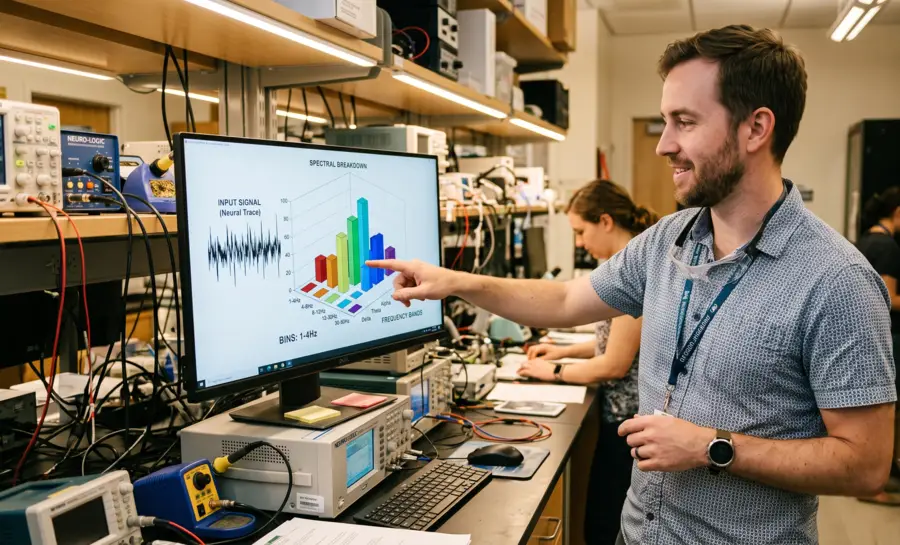
การทดสอบทาง ประสาทวิทยาศาสตร์ และการวินิจฉัยแบบไม่รุกล้ำร่างกายนี้เกี่ยวข้องกับการวางเซ็นเซอร์ขนาดเล็กบนหนังศีรษะเพื่อตรวจจับและบันทึกสัญญาณไฟฟ้า ช่วยให้แพทย์ของคุณเห็นว่าเนื้องอกส่งผลระคายเคืองต่อเนื้อเยื่อสมองที่ดีที่อยู่รอบๆ อย่างไร การบันทึกกิจกรรมนี้ช่วยให้ EEG สามารถระบุจุดเริ่มต้นของอาการชัก เข้าใจลักษณะเฉพาะที่เจาะจง และเป็นแนวทางในการตัดสินใจเกี่ยวกับกลยุทธ์การใช้ยาป้องกันอาการชักที่มีประสิทธิภาพที่สุด
สิ่งสำคัญคือต้องทราบว่า EEG ทำหน้าที่เป็นเครื่องมือสังเกตการณ์และวินิจฉัยอย่างเคร่งครัด แทนที่จะเป็นการรักษา ช่วยให้ทีมดูแลของคุณได้รับข้อมูลที่สำคัญที่จำเป็นในการจัดการอาการอย่างปลอดภัยและมีประสิทธิภาพในระหว่างการรักษามะเร็งเชิงรุกของคุณ
อาการชักแบบไม่เกร็งกระตุกและการผันผวนของระดับสติปัญญาคืออะไร?
แม้ว่าคนส่วนใหญ่มักเชื่อมโยงอาการชักกับการเกร็งกระตุกของร่างกายที่มองเห็นได้ แต่กิจกรรมการชักบางประเภทไม่ได้แสดงออกอย่างชัดเจนภายนอก เนื้องอกในสมองบางครั้งสามารถกระตุ้นให้เกิดอาการชักแบบไม่เกร็งกระตุก (non-convulsive seizures) ซึ่งเป็นการรบกวนทางไฟฟ้าแบบ "เงียบ" ที่ไม่ส่งผลให้เกิดการเคลื่อนไหวของร่างกายที่สังเกตเห็นได้
แต่เหตุการณ์ที่แนบเนียนเหล่านี้อาจแสดงออกมาเป็นช่วงๆ ในลักษณะของความสับสนโดยไม่มีสาเหตุ การไม่ตอบสนองอย่างกะทันหัน หรืออาการสมองตื้ออย่างรุนแรงที่ผันผวนอย่างน่าพิศวงตลอดทั้งวัน ในกรณีเหล่านี้ การตรวจ EEG มีประโยชน์อย่างยิ่งในการวินิจฉัยสิ่งทางไฟฟ้าที่เกิดขึ้นภายใต้เผนังศีรษะ
ด้วยการตรวจจับรูปแบบสัญญาณไฟฟ้าที่ผิดปกติซึ่งปกติจะไม่สามารถสังเกตเห็นได้ แพทย์สามารถตัดสินได้ว่าการเปลี่ยนแปลงทางปัญญาเหล่านี้เกิดจากกิจกรรมการชักที่แฝงอยู่หรือไม่ แทนที่จะเกิดจากอาการเหนื่อยล้าจากการรักษาทั่วไปหรือการดำเนินไปของโรค
การยืนยันการมีอยู่ของอาการชักแบบไม่เกร็งกระตุกช่วยให้ทีมแพทย์ของคุณสามารถปรับแผนการรักษาของคุณได้อย่างเหมาะสม ช่วยให้การทำงานของระบบประสาทและสติปัญญาของคุณมั่นคงขึ้น และปรับปรุงคุณภาพชีวิตประจำวันของคุณให้ดีขึ้น
คุณจะจัดการกับอาการระยะยาวและอาการหลังสิ้นสุดการรักษาอย่างไร?
หลังจากเสร็จสิ้นการรักษามะเร็งสมองเชิงรุกแล้ว ผู้ป่วยอาจยังคงพบอาการต่างๆ อย่างต่อเนื่อง อาการเหล่านี้สามารถเกิดขึ้นจากเนื้องอกเดิม จากตัวการรักษาเอง หรือจากทั้งสองปัจจัยรวมกัน
การทำความเข้าใจและการจัดการกับผลกระทบที่เกิดขึ้นอย่างต่อเนื่องเหล่านี้ถือเป็นกุญแจสำคัญในการฟื้นตัวและการรักษาคุณภาพชีวิตที่ดี
'New Normal' สำหรับผู้รอดชีวิตจากมะเร็งสมองคืออะไร?
แนวคิดเรื่อง 'new normal' หรือ 'ความปกติใหม่' ยอมรับว่าชีวิตภายหลังการรักษามะเร็งสมองอาจแตกต่างจากชีวิตก่อนหน้านี้ สิ่งนี้สามารถนำมาซึ่งการเปลี่ยนแปลงทางร่างกาย ทางพุทธิปัญญา หรือทางอารมณ์ที่คงอยู่ต่อเนื่อง
เป็นระยะเวลาแห่งการเรียนรู้และการปรับตัวของทั้งตัวผู้ป่วยและระบบสนับสนุนที่จะปรับตัวเข้ากับผลกระทบที่ยั่งยืนเหล่านี้ 'ความปกติใหม่' เฉพาะบุคคลนั้นแตกต่างกันอย่างมาก โดยมีอิทธิพลมาจากประเภทและตำแหน่งของเนื้องอก การรักษาที่ได้รับ และสุขภาพโดยรวมของแต่ละราย
การจัดการอย่างต่อเนื่องเพื่อแก้ไขความบกพร่องหลังการรักษาคืออะไร?
การผ่าตัดและการรักษาด้วยการฉายรังสี แม้จะเป็นสิ่งสำคัญในการรักษามะเร็งสมอง แต่อาจนำไปสู่ความบกพร่องในระยะยาวได้ในบางครั้ง สิ่งเหล่านี้อาจรวมถึงการเปลี่ยนแปลงในการทำงานของกล้ามเนื้อและการเคลื่อนไหว การรับรู้ความรู้สึก การมองเห็น หรือการพูด ทั้งนี้ขึ้นอยู่กับพื้นที่ของสมองที่ได้รับผลกระทบ
การจัดการกับปัญหาเหล่านี้ต้องการแนวทางเชิงรับ ซึ่งมักเกี่ยวข้องกับทีมสหสาขาวิชาชีพ การติดตามผลทางการแพทย์อย่างสม่ำเสมอเป็นสิ่งสำคัญในการเฝ้าสังเกตการเปลี่ยนแปลงใดๆ และเพื่อปรับเปลี่ยนกลยุทธ์การจัดการตามความจำเป็น
ตัวอย่างเช่น อาการปวดศีรษะที่เรื้อรังหรืออาการเหนื่อยล้าอาจจำเป็นต้องใช้ยาอย่างต่อเนื่องหรือต้องปรับเปลี่ยนวิถีการดำเนินชีวิต
การฟื้นฟูสมรรถภาพช่วยแก้ไขการเปลี่ยนแปลงทางประสาทวิทยาที่คงอยู่ได้อย่างไร?
การฟื้นฟูสมรรถภาพมีบทบาทสำคัญในการช่วยให้ผู้ป่วยฟื้นคืนความสามารถที่สูญเสียไปและปรับตัวเข้ากับการเปลี่ยนแปลงทางระบบประสาท ซึ่งอาจรวมถึง:
กายภาพบำบัด: เพื่อปรับปรุงพละกำลัง การทรงตัว การประสานงาน และการเคลื่อนไหว
กิจกรรมบำบัด: เพื่อช่วยเหลือในการทำกิจกรรมประจำวัน เช่น การแต่งตัว การรับประทานอาหาร และการจัดการงานบ้าน
อรรถบำบัด: เพื่อจัดการกับความยากลำบากในการพูด การทำความเข้าใจ การกลืน หรือการสื่อสารและการทำความเข้าใจ
การฟื้นฟูสมรรถภาพทางปัญญา: เพื่อทำงานเกี่ยวกับความจำ ความสนใจ การแก้ปัญหา และการทำงานของผู้บริหารระดับสูง (executive functions) ที่อาจได้รับผลกระทบ
การบำบัดเหล่านี้ปรับให้เหมาะสมกับความต้องการเฉพาะบุคคล และสามารถปรับปรุงความเป็นอิสระและสุขภาวะที่ดีขึ้นได้อย่างมาก
ผู้รอดชีวิตจะค้นหาการสนับสนุนทางอารมณ์และจิตใจได้จากที่ใด?
การใช้ชีวิตร่วมกับอาการระยะยาวอาจส่งผลเสียต่อสภาพจิตใจ ผู้ป่วยอาจประสบกับความวิตกกังวล ความซึมเศร้า หรือความทุกข์ระทมที่เกี่ยวข้องกับการเปลี่ยนแปลงทางร่างกายหรือพุทธิปัญญา
ดังนั้น การเข้าถึงบริการช่วยเหลือทางอารมณ์และจิตใจจึงมีความสำคัญอย่างยิ่ง ซึ่งสามารถเกี่ยวข้องกับ:
การให้คำปรึกษาหรือจิตบำบัด: เพื่อดำเนินการจัดการกับความรู้สึก พัฒนากลไกการเผชิญปัญหา และจัดการกับความท้าทายทางอารมณ์
กลุ่มช่วยเหลือสังคม: การเชื่อมต่อกับผู้อื่นที่ผ่านประสบการณ์คล้ายกันช่วยลดความรู้สึกโดดเดี่ยวและสร้างความเข้าใจร่วมกันได้
เทคนิคการเจริญสติและการผ่อนคลาย: วิธีปฏิบัติที่ช่วยจัดการกับความเครียดและปรับปรุงการควบคุมทางอารมณ์
การสื่อสารอย่างเปิดเผยกับผู้ให้บริการดูแลสุขภาพเกี่ยวกับสุขภาวะทางอารมณ์ถือเป็นเรื่องสำคัญไม่แพ้การพูดคุยถึงอาการทางกาย การระบุประเด็นทางจิตใจเหล่านี้นำไปสู่การฟื้นตัวแบบองค์รวมและการปรับตัวเข้ากับชีวิตหลังการรักษามะเร็งสมองได้ดีขึ้น
มุมมองระยะยาวสำหรับการเดินทางผ่านโรคมะเร็งสมองเป็นอย่างไร?
เส้นทางอาการของโรคมะเร็งสมองมีความซับซ้อนและแตกต่างกันไปอย่างมากในแต่ละบุคคล การตระหนักถึงการเปลี่ยนแปลงเหล่านี้เมื่อเวลาผ่านไปมีความสำคัญสำหรับผู้ป่วย ครอบครัว และแพทย์ผู้ดูแล แม้ว่าการดำเนินไปของโรคอาจมีความท้าทาย แต่ความเข้าใจในสิ่งที่คาดว่าจะเกิดขึ้นสามารถช่วยในการวางแผนดูแลและเป็นกำลังใจได้
การวิจัยอย่างต่อเนื่องและการสื่อสารอย่างเปิดเผยระหว่างผู้ป่วยและแพทย์ยังคงเป็นกุญแจสำคัญในการจัดการโรคนี้และเพิ่มคุณภาพชีวิตให้กับผู้ที่ได้รับผลกระทบ การมุ่งเน้นที่ความสุขสบาย ความมีศักดิ์ศรี และการวางแผนการดูแลส่วนบุคคลสามารถสร้างความแตกต่างอย่างมีนัยสำคัญในระหว่างการเดินทางที่ยากลำบากนี้
คำถามที่พบบ่อย
โดยปกติแล้วอาการของมะเร็งสมองจะเริ่มเมื่อใด?
อาการของมะเร็งสมองแสดงออกแตกต่างกันไปในแต่ละบุคคล บางรายสังเกตเห็นการเปลี่ยนแปลงเล็กน้อยในระยะแรก เช่น อาการปวดศีรษะที่ไม่ยอมหายไปหรือปัญหาด่านสายตา บางรายก็ยังไม่มีสัญญาณแสดงอาการจนกระทั่งเนื้องอกขยายขนาดใหญ่ขึ้นและเป็นสาเหตุให้เกิดปัญหาอื่นที่เห็นได้ชัดเจน อาการเหล่านี้ขึ้นอยู่กับประเภทของเนื้องอกและตำแหน่งที่อยู่ของเนื้องอกในสมองจริงๆ
อาการของมะเร็งสมองเกิดขึ้นอย่างเฉียบพลันได้หรือไม่?
ได้ ในบางครั้งอาจดูเหมือนว่าอาการเหล่านั้นปรากฏขึ้นอย่างไม่มีมีปี่มีขลุ่ย อาการปวดศีรษะรุนแรงอย่างกะทันหันหรืออาการชักอาจเป็นสัญญาณแรกเริ่มของเนื้องอกในสมอง สิ่งนี้มักจะเกิดขึ้นเมื่อเนื้องอกโตเร็วหรือทำให้เกิดการเปลี่ยนแปลงอย่างกะทันหันของความดันในสมอง
เนื้องอกที่กำลังเติบโตส่งผลให้อาการเปลี่ยนแปลงได้อย่างไร?
เนื่องจากเนื้องอกในสมองขยายขนาดขึ้น มันจึงสามารถกดทับไปยังส่วนต่างๆ ของสมองได้ สิ่งนี้สามารถสร้างอาการใหม่หรือทำให้อาการที่มีอยู่เดิมแย่ลงได้ ตัวอย่างเช่น เนื้องอกที่เติบโตใกล้กับสมองส่วนที่ควบคุมกล้ามเนื้อและการเคลื่อนไหวอาจนำไปสู่อาการอ่อนแรงที่แขนหรือขา
อาการของมะเร็งสมองจะคงเดิมเหมือนกันในทุกๆ วันหรือไม่?
ไม่เสมอไป ในบางครั้งอาการอาจมาๆ หายๆ หรือเปลี่ยนแปลงความรุนแรงไปในแต่ละวัน สิ่งนี้สามารถสร้างความสับสนได้ แต่เป็นเรื่องสำคัญที่จะต้องใส่ใจการเปลี่ยนแปลงต่างๆ ที่เกิดขึ้น แม้ว่าอาการเหล่านั้นจะคงอยู่ไม่นานก็ตาม
การรักษาส่งผลต่ออาการอย่างไร?
การรักษาต่างๆ เช่น การผ่าตัด การฉายแสงเคมี หรือเคมีบำบัด สามารถช่วยให้เนื้องอกยุบลงได้ แต่ก็อาจทำให้เกิดผลข้างเคียงของมันเองเช่นกัน สิ่งเหล่านี้อาจรวมถึงอาการรู้สึกเหนื่อยง่าย (เหนื่อยล้า) อาการอ่อนแรง หรือการเปลี่ยนแปลงการรับรู้และความคิด ซึ่งบางครั้งเรียกว่า 'chemo brain'
'Chemo brain' หรือสภาวะสมองเบลอตื้อคืออะไร?
'Chemo brain' เป็นคำที่นำมาใช้อธิบายเมื่อผู้ป่วยรู้สึกความรู้สึกการนึกคิดของตัวเองมีความมึนตื้อหลังผ่านการรักษามะเร็ง มันอาจทำให้เริ่มยากขึ้นในการจดจำจดจ่อ มีปัญหาด้านความทรงจำ หรือการพยายามนึกหาคำพูดยากขึ้น ซึ่งเป็นเรื่องที่พบบ่อยสำหรับผู้ป่วยหลายคน
'ความปกติใหม่' (New normal) มีความหมายอย่างไรสำหรับผู้รอดชีวิตจากโรคมะเร็งสมอง?
หลังการรักษา ผู้รอดชีวิตจากโรคมะเร็งสมองจำนวนมากต่างค้นพบ 'ความปกติใหม่' สิ่งนี้หมายถึงการดำเนินชีวิตโดยที่ยังมีผลกระทบดั้งเดิมค้างคาอยู่จากเนื้องอกหรือจากการรักษา มันมีผลรวมถึงความท้าทายที่ดำเนินอยู่อย่างต่อเนื่อง เช่น เรื่องความจำ ระดับพลังงาน หรือความสามารถทางกาย แต่ละบุคคลต่างเรียนรู้ที่จะจัดการกับความรุนแรงเหล่านั้น
มีทรัพยากรการช่วยเหลือแบบใดบ้างสำหรับความกระวนกระวายทางอารมณ์ที่เกี่ยวข้องกับอาการป่วย?
กลุ่มช่วยเหลือสังคม การให้คำปรึกษา และการพูดคุยกับผู้ให้บริการด้านสุขภาพสามารถสร้างความแตกต่างได้มาก การแบ่งปันประสบการณ์และแบ่งปันความรู้สึกกับผู้อื่นที่เข้าใจต่างก็สามารถช่วยเยียวยาจิตใจร่าเริงได้มาก
อาการปวดหัวเป็นสัญญาณของมะเร็งสมองเสมอไปหรือไม่?
ไม่ใช่ อาการปวดหัวพบได้ทั่วไปและมักไม่ได้เกิดจากมะเร็งสมอง อย่างไรก็ตาม หากคุณมีอาการปวดศีรษะแบบใหม่ที่รุนแรง ปลุกคุณ ตื่นเวลากลางคืน หรือมีความแตกต่างจากอาการปกติของอาการเดิมที่คุณเคยเป็นมาก่อน เป็นสิ่งที่สำคัญอย่างยิ่งที่ต้องไปพบแพทย์เพื่อตรวจดู
อาการป่วยเปลี่ยนแปลงไปตามตำแหน่งของเนื้องอกได้หรือไม่?
ตำแหน่งเนื้องอกเป็นเรื่องที่สำคัญมากเนื่องจากแต่ละส่วนในสมองต่างเป็นตัวดูแลการสั่งงานที่แตกต่างกันออกไป เนื้องอกในพื้นที่แห่งหนึ่งอาจกวนใจให้มีปัญหาเรื่องการพูด ในขณะที่เนื้องอกในอีกที่หนึ่งอาจส่งผลต่อการมองเห็นหรือพฤติกรรมการเคลื่อนไหว
Emotiv เป็นผู้นำด้านนิวโรเทคโนโลยีที่ช่วยขับเคลื่อนการวิจัยประสาทวิทยาศาสตร์ผ่านเครื่องมือ EEG และข้อมูลสมองที่เข้าถึงได้
คริสเตียน บูร์โกส