O ioga restaurativo oferece uma oportunidade profunda de pausar e redefinir o ritmo em um mundo agitado, utilizando apoios de suporte para facilitar um relaxamento profundo e passivo. Ao manter menos poses por durações mais longas, a prática ajuda a conduzir o corpo a um estado mais calmo de ser.
O que é Restorative Yoga?
O restorative yoga é uma prática de movimento suave criada para convidar a um relaxamento físico e mental completo. Ao desacelerar o ritmo de vida, permite que os praticantes se estabeleçam na quietude e promovam uma ligação mais profunda com o momento presente.
Esta abordagem ajuda o corpo a encontrar equilíbrio e harmonia através de posturas intencionais e apoiadas, mantidas por períodos prolongados.
Os Princípios Fundamentais do Restorative Yoga
O princípio central da prática é a entrega absoluta do corpo ao apoio de ferramentas externas. Ao eliminar o esforço necessário para manter uma postura, o praticante permite que o sistema nervoso mude de um estado reativo para um estado de restauração profunda.
Esta quietude convida o praticante a observar os seus pensamentos sem julgamento ou a necessidade de uma ação imediata.
Principais Diferenças: Restorative vs. Yin Yoga
Embora ambas as práticas partilhem um ritmo lento, diferem significativamente nas suas intenções fisiológicas.
Yin Yoga geralmente envolve alongamentos intensos e de longa duração que visam especificamente os tecidos conjuntivos, proporcionando frequentemente uma experiência rica em sensações. Em contrapartida, o restorative yoga evita alongamentos profundos e ativos, priorizando o conforto total e a libertação de tensão residual através do apoio de todo o corpo.
Benefícios da Prática de Restorative Yoga
Os benefícios desta prática vão muito além de uma sensação momentânea de calma, abrangendo melhorias na saúde fisiológica e emocional. Ao priorizar a quietude, a prática ajuda a desmantelar o hábito do "fazer" crónico que carateriza muitos estilos de vida modernos.
Redução do Stress e Relaxamento
Quando o corpo está devidamente apoiado, pode finalmente libertar-se dos sintomas físicos associados a níveis elevados de stress. Este relaxamento incentiva o sistema nervoso a desativar a resposta de luta ou fuga, sinalizando que é finalmente seguro descansar.
Uma prática consistente pode levar a um sistema nervoso mais regulado, o que pode promover uma melhor sensação de calma no dia a dia.
Benefícios Físicos: Alongamento Suave e Apoio
Ao contrário do exercício tradicional, este movimento não visa desenvolver a força muscular ou ultrapassar os limites da flexibilidade pessoal.
Em vez disso, foca-se em fornecer um apoio suave e consistente que encoraja os músculos a suavizarem-se em vez de se contraírem.
Esta abordagem pode ser particularmente benéfica para quem procura contrariar a rigidez frequentemente desenvolvida através de padrões sedentários ou movimentos diários repetitivos.
Bem-Estar Mental e Emocional
A prática cria um santuário silencioso onde o ruído mental de fundo pode desaparecer gradualmente. Ao focar-se na respiração num ambiente apoiado, os praticantes podem achar mais fácil cultivar uma atitude compassiva para consigo próprios.
Este estado de introspeção tranquila pode ajudar a gerir os sentimentos de sobrecarga e a melhorar a autoestima geral.
Maior Consciência Corporal e Interoceção
Passar tempo regularmente num espaço calmo e silencioso ensina a mente a ouvir os sinais subtis do corpo. Esta sensibilidade acrescida às sensações internas é conhecida como interoceção e é uma componente fundamental para a saúde cerebral a longo prazo e regulação emocional.
Com o tempo, esta consciência refinada pode ajudar as pessoas a identificar sinais de tensão ou stress antes que estes se tornem problemáticos.
Uma Sequência Base de Restorative Yoga de 30 Minutos
Uma sequência base deve enfatizar o conforto acima de tudo, garantindo que os acessórios são usados de forma generosa para eliminar qualquer sensação de esforço. Mesmo uma sessão curta pode ter um impacto significativo na qualidade do funcionamento do sistema nervoso durante o resto do dia.
Embora plataformas como a Calm enfatizem frequentemente a importância de um descanso profundo e intencional, qualquer pessoa pode criar uma experiência restauradora personalizada em casa utilizando artigos domésticos simples.
Postura 1: Postura da Criança Apoiada (Balasana)
Comece por ajoelhar-se no chão, permitindo que os joelhos se afastem ligeiramente enquanto os dedos grandes do pé se tocam.
Coloque uma almofada grande (bolster) ou vários cobertores dobrados entre as pernas para fornecer uma superfície firme e elevada para o tronco. Ao apoiar a testa e o peito totalmente no suporte, permite que os ombros e a zona lombar libertem a sua carga.
Postura 2: Postura do Ângulo Ligado Reclinado Apoiado (Supta Baddha Konasana)
A partir de uma posição sentada, junte as solas dos pés e deixe os joelhos caírem bem abertos para os lados.
Coloque uma almofada ao longo do comprimento da coluna e apoie a parte externa dos joelhos com cobertores dobrados para garantir que não há esforço na parte interna das virilhas. Esta postura convida o peito a abrir-se naturalmente, sem necessitar da ativação muscular ativa frequentemente encontrada noutros estilos de yoga.
Postura 3: Postura da Ponte Apoiada (Setu Bandhasana)
Deite-se de costas e levante suavemente as ancas para deslizar um bloco ou um cobertor firme e dobrado por baixo do sacro.
Certifique-se de que a altura do suporte parece estável e permite que as ancas atinjam um estado de repouso completo. Este suporte invertido proporciona uma orientação suave que é simultaneamente reconfortante e revitalizante.
Postura 4: Postura das Pernas na Parede (Viparita Karani)
Sente-se com a anca perpendicular a uma parede e rode o corpo de modo a que as pernas se estendam para cima ao longo da superfície.
A pélvis pode ser ligeiramente elevada por um cobertor dobrado para melhorar o conforto e permitir que o fluxo sanguíneo estabilize naturalmente. Esta posição clássica é frequentemente celebrada pela sua simplicidade e pela sua capacidade de acalmar o corpo após um longo período de pé.
Postura 5: Relaxamento Supremo em Savasana Apoiado
Para a postura final, deite-se perfeitamente de costas, apoiando a cabeça com um cobertor e os joelhos com uma almofada. Cobrir o corpo com um cobertor quente pode aumentar a sensação de segurança e ajudar a temperatura corporal central a manter-se confortável.
Mesmo como os professores da comunidade Peloton costumam notar, o descanso final é frequentemente o mais difícil de dominar, mas é essencial para absorver os benefícios da prática.
A Fisiologia do Apoio: Por que os Acessórios São um Sinal Biológico de Segurança
O sistema nervoso humano monitoriza continuamente o ambiente à procura de ameaças, e o exercício tradicional desencadeia frequentemente um estado de alerta. Em contrapartida, o uso deliberado de acessórios funciona como um sinal externo de que o corpo está seguro e amparado, permitindo uma total "libertação".
Esta camada fundamental de apoio é exatamente o que permite uma libertação genuína dos tecidos profundos, sem necessidade de movimento ativo.
Como o Apoio de Todo o Corpo Desativa a Defesa Muscular
A defesa muscular é um mecanismo de proteção inconsciente que faz com que os músculos se contraiam quando o cérebro percebe instabilidade ou dor. Fornecer um apoio externo abrangente remove a necessidade desta tensão protetora, sinalizando às ondas cerebrais para acalmarem.
Assim que os músculos deixam de ser necessários para manter a integridade estrutural contra a gravidade, podem finalmente entregar-se à suavidade total.
Libertar a Tensão Sem Alongamento Ativo
Muitos regimes de fitness convencionais dependem do alongamento ativo para aumentar a amplitude de movimento, o que pode acidentalmente desencadear o reflexo de estiramento e manter os músculos alerta. O restorative yoga alcança um efeito mais profundo ao evitar completamente este reflexo, permitindo que o corpo flua naturalmente para uma configuração mais relaxada.
Esta passividade não equivale a preguiça; é uma escolha inteligente para priorizar o estado de reparação em vez do estado de esforço.
Como o Restorative Yoga Altera os Padrões de Ondas Cerebrais
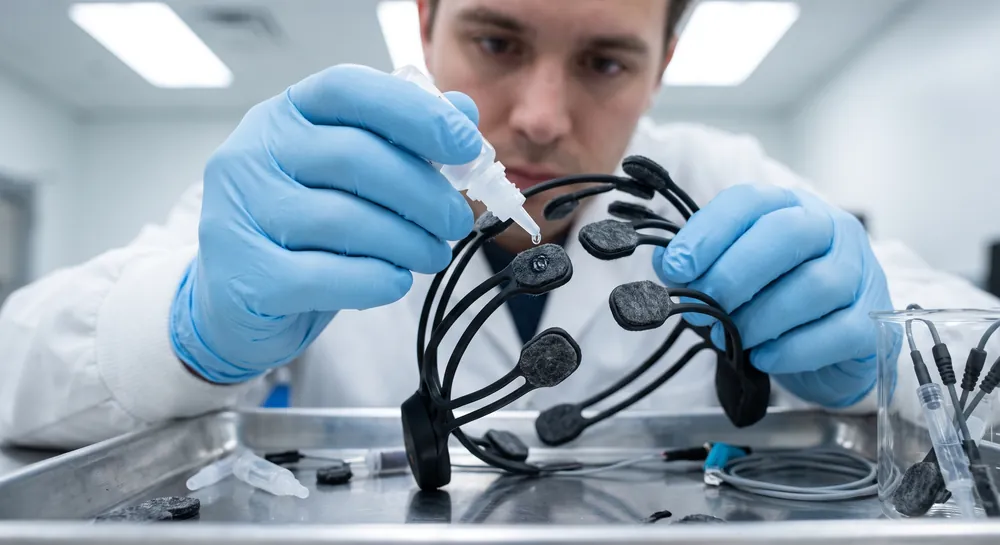
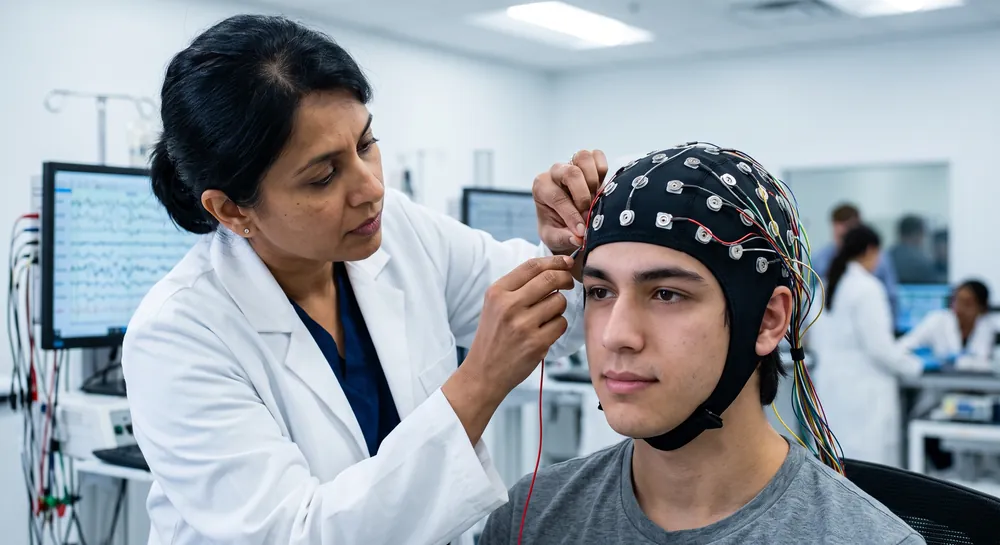
A transição da hiperexcitação simpática para a dominância parassimpática durante o yoga pode ser avaliada através de eletroencefalografia (EEG), que capta os ajustes elétricos em tempo real do sistema nervoso central.
Revisões consecutivas de literatura indicam que as práticas regulares de yoga e meditação induzem alterações visíveis nas bandas de ondas cerebrais alfa, beta e teta. Estas modificações espetrais servem como correlatos neurais objetivos para as reduções da ansiedade, estabilização do humor e melhorias no foco interno relatadas pelos praticantes.
Em vez de refletir um estado passivo ou completamente inativo, o perfil eletrofisiológico do yoga representa um aumento dinâmico de processos cerebrais saudáveis e independentes, em comparação com o repouso normal sem tarefas.
Ao analisar modalidades específicas na literatura, os estilos que enfatizam o relaxamento profundo ou a concentração sustentada — como Yoga Nidra, Kundalini e Sahaja Yoga — apresentam frequentemente padrões oscilatórios distintos. Praticantes de longa duração apresentam regularmente uma energia teta e alfa acrescida, com estados de concentração profunda a revelarem um aumento acentuado na força e consistência das ondas teta na linha média frontal.
A nível estrutural, as técnicas de processamento de sinal identificam frequentemente uma elevada coerência alfa-teta, que mede a regularidade de fase e o disparo sincronizado entre diferentes hemisférios cerebrais. Esta coerência intra e inter-hemisférica é amplamente reconhecida como uma assinatura eletrofisiológica fundamental do relaxamento somático profundo associado a uma atenção internalizada acrescida.
No entanto, os neurocientistas tratam estas descobertas como exploratórias, salientando que a área permanece relativamente recente. Grande parte da literatura atual consiste em estudos preliminares caraterizados por amostras pequenas, níveis de competência dos praticantes altamente variáveis e uma frequente falta de grupos de controlo ativos rigorosos e aleatórios.
Além disso, os investigadores referem que a verdadeira monitorização cortical pode ser facilmente contaminada por artefactos eletromusculares, o que significa que a engenharia de precisão e o processamento de sinal avançado continuam a ser necessários para isolar de forma limpa as assinaturas induzidas pela meditação da tensão muscular involuntária. Consequentemente, estes padrões documentados de ondas cerebrais são entendidos como indicadores promissores de neuroplasticidade cognitiva e redução do stress, em vez de perfis de diagnóstico padronizados ou medidas definitivas de mestria individual.
Conclusão
Envolver-se numa prática regular de restorative yoga oferece um contrapeso vital às exigências de uma vida acelerada. Através do uso intencional de acessórios e da priorização da quietude passiva, qualquer pessoa pode cultivar uma relação mais compassiva e estável com o seu corpo e com a sua mente. Ao abraçar esta prática como uma forma de autocuidado inegociável, abre um caminho sustentável para uma vitalidade duradoura e equilíbrio mental.
Referências
Kora, P., Meenakshi, K., Swaraja, K., Rajani, A., & Raju, M. S. (2021). EEG based interpretation of human brain activity during yoga and meditation using machine learning: A systematic review. Complementary therapies in clinical practice, 43, 101329. https://doi.org/10.1016/j.ctcp.2021.101329
Perguntas Frequentes
Preciso de ser flexível para começar uma prática restauradora?
Não, não precisa de ter qualquer flexibilidade prévia para começar. O restorative yoga foi desenhado para se adaptar a todos os tipos de corpo e níveis, uma vez que os acessórios são especificamente utilizados para fazer a ponte entre a sua mobilidade atual e a posição da postura.
Com que frequência é recomendado praticar?
Praticar apenas uma vez por semana já pode proporcionar benefícios visíveis na redução do stress. Muitas pessoas consideram que integrar sessões curtas de dez minutos na sua rotina diária é mais eficaz do que tentar encontrar espaço para uma sessão longa.
Posso usar mobiliário doméstico como acessórios?
Sim, com certeza. Almofadas normais, cobertores grossos dobrados de forma ordenada e até almofadas de sofá podem servir como excelentes substitutos para blocos e almofadas de yoga profissionais.
Esta prática é adequada para quem tem dor crónica?
O restorative yoga pode ser uma forma suave de explorar o movimento, mas deve sempre consultar um médico ou terapeuta físico se estiver a gerir uma condição de saúde. Um profissional pode ajudar a compreender quais as modificações mais apropriadas para as suas necessidades específicas.
Como sei se estou numa postura há demasiado tempo?
Nunca deve sentir dor aguda ou desconforto intenso durante uma sessão. Se sentir formigueiro ou se a sua mente começar a acelerar incontrolavelmente, é um sinal claro de que deve ajustar os seus acessórios ou sair completamente da postura.
Deverei sentir-me cansado após uma sessão?
É provável que sinta uma sensação de calma profunda e, por vezes, uma sensação de peso físico, o que é comum após a regulação do sistema nervoso. No entanto, não se deve sentir exausto ou fisicamente esgotado como aconteceria após um treino de alta intensidade.
Posso ouvir música enquanto pratico?
Muitas pessoas consideram que música suave e instrumental ou sons de ambiente ajudam a criar um tom calmo. Escolha algo que não tenha letra ou alterações bruscas de intensidade para ajudar a manter a sua atenção focada no seu interior.
Emotiv é uma líder em neurotecnologia que ajuda a avançar a pesquisa em neurociência por meio de ferramentas acessíveis de EEG e dados cerebrais.
Aviso Médico: As informações fornecidas neste site são apenas para fins educacionais e informativos e não se destinam a servir como aconselhamento médico ou de saúde. Este conteúdo pode conter erros e não deve ser utilizado como base para tomar decisões de vida, saúde, médicas ou de estilo de vida que alterem a sua rotina. Sempre consulte um médico ou outro profissional de saúde qualificado para tirar qualquer dúvida que possa ter sobre uma condição médica ou tratamento.
Christian Burgos