כנראה כבר ראיתם אותם בסביבה – עטים עם כפתורים קטנים ללחיצה, חלקים מסתובבים בצד, או אולי אפילו כאלה שמריחים טוב. לעיתים קרובות קוראים להם עטי חרדה, והם הפכו לפופולריים למדי, במיוחד באינטרנט. אנשים משתמשים בהם בתקווה למצוא מעט רוגע או כדי לעזור להם להתרכז כשהם מרגישים מוצפים.
אבל האם עטי החרדה האלה באמת עושים את מה שהם טוענים?
המדע שמאחורי עטי חרדה
יותר מסתם צעצוע: התיאוריה שמאחורי פידג'טינג (תנועתיות עצבנית)
עטי חרדה, במיוחד אלה עם מנגנוני פידג'ט משולבים, נתפסים לעיתים קרובות כגאדג'טים פשוטים. עם זאת, העיקרון הבסיסי של פידג'טינג מבוסס על האופן שבו המוח והגוף מנהלים קשב ומתח.
הרעיון הוא שתנועות קטנות וחוזרות על עצמן יכולות לשרת מטרה מעבר להסחת דעת גרידא. פעולות אלו יכולות לעזור לווסת את מערכת העצבים ולשפר את המיקוד על ידי הפעלת מסלולים תחושתיים ומוטוריים ספציפיים.
פידג'טינג הוא צורה של התנהגות של גירוי עצמי, המכונה לעיתים "סטימינג" (stimming). למרות שהוא מזוהה לעיתים קרובות עם אנשים נוירודיברגנטים, זוהי התנהגות הנצפית בקרב קבוצות אוכלוסייה רחבות יותר.
התיאוריה מציעה שתנועות אלו מספקות עוגן תחושתי. עוגן זה יכול לעזור להסיט את הקשב ממחשבות מציפות או מאי-שקט פנימי ולקרקע את האדם ברגע הפיזי הנוכחי.
קלט תחושתי: פידג'טינג מספק קלט טקטילי ופרופריוספטיבי (מודעות לגוף). קלט זה יכול להרגיע ולארגן את מערכת העצבים.
מעורבות מוטורית: הפעולה הפיזית של מניפולציה של חפץ מפעילה מסלולים מוטוריים. זה יכול לעזור לנתב עודפי אנרגיה פיזית שעלולים אחרת להתבטא כאי-שקט.
הסחת דעת קוגניטיבית: האופי החזרתי של פידג'טינג יכול להציע הסחת דעת קוגניטיבית מתונה. זה יכול לעזור במיוחד כאשר המוח מוצף במחשבות חרדתיות.
למרות שעט הפידג'ט עצמו הוא כלי מודרני, הקונספט של שימוש בפעולות פיזיות לוויסות עצמי אינו חדש. היעילות טמונה לרוב בסוג ובעוצמה של הפידג'טינג, ובאופן שבו הוא מקיים אינטראקציה עם הצרכים הספציפיים והעיבוד התחושתי של הפרט.
כיצד פידג'טינג משפיע על המוח ומערכת העצבים
העסקת "הקשב הצף" במוח שלך
האם שמת לב פעם שכאשר המחשבות שלך מתחילות לנדוד, הידיים שלך עשויות להתחיל לזוז? זו אינה רק התנהגות אקראית.
ישנן השערות מסוימות שפידג'טינג יכול להיות דרך של המוח לנהל את רמות הקשב של עצמו. כשאנחנו משועממים או כשהמחשבות שלנו נודדות, אנחנו עשויים להתנועע כדי לספק מעט גירוי.
גירוי זה יכול לעזור להחזיר את המיקוד שלנו למשימה שלפנינו. זה כמו לתת לחלק מהמוח שלך משהו פשוט לעשות כדי שהשאר יוכל להתרכז.
הפעלת מסלולים תחושתיים להפחתת עומס יתר
פידג'טינג יכול גם לשחק תפקיד באופן שבו אנו מעבדים מידע תחושתי. עבור אנשים מסוימים, במיוחד אלה שחווים עומס תחושתי, תנועות חוזרות יכולות להרגיע.
הפעלת מסלולים טקטיליים ופרופריוספטיביים (חוש המישוש ומיקום הגוף) יכולה לעזור לקרקע אדם. זה יכול להועיל במיוחד בסביבות עמוסות או מציפות.
על ידי התמקדות בתחושה הפיזית של הפידג'טינג, המוח עשוי להיות פחות רגיש להסחות דעת חיצוניות או לחרדות פנימיות.
רתום קלט פרופריוספטיבי לצורך קרקוע
פרופריוספציה, התחושה היכן נמצאים חלקי הגוף שלנו במרחב, מופעלת באופן משמעותי במהלך פידג'טינג.
תנועות כמו תיפוף ברגל, לחיצה על עט או גלגול חפץ ביד מספקות משוב קבוע למוח על מיקום הגוף ותנועתו. זרם מתמשך זה של קלט תחושתי יכול לשמש כעוגן, ולסייע בהפחתת תחושות של הצפה או ניתוק.
זוהי דרך להרגיש יותר נוכח וממוקד, במיוחד בזמנים של מתח או עומס קוגניטיבי גבוה.
הקשר בין תנועה מוטורית לתפקוד קוגניטיבי
מחקרים הראו כי עיסוק בפעילויות מוטוריות פשוטות, כמו שרבוט במהלך הרצאה, יכול לפעמים להוביל לזכירה טובה יותר של מידע.
עבור אנשים עם מצבים מוחיים כמו ADHD, פעילות גופנית ספונטנית מוגברת נקשרה לביצועים משופרים במשימות קוגניטיביות מסוימות. בעוד שהמנגנונים המדויקים עדיין נחקרים, נראה כי תנועות מבוקרות וחוזרות יכולות לתמוך בתהליכים קוגניטיביים עבור אנשים מסוימים, ולא לפגוע בהם.
זה מצביע על כך שפידג'טינג אינו תמיד סימן לחוסר קשב, אלא יכול להיות לפעמים כלי שהמוח משתמש בו כדי לייעל את התפקוד שלו.
מה מגלים נתוני גלי המוח על פידג'טינג ומיקוד
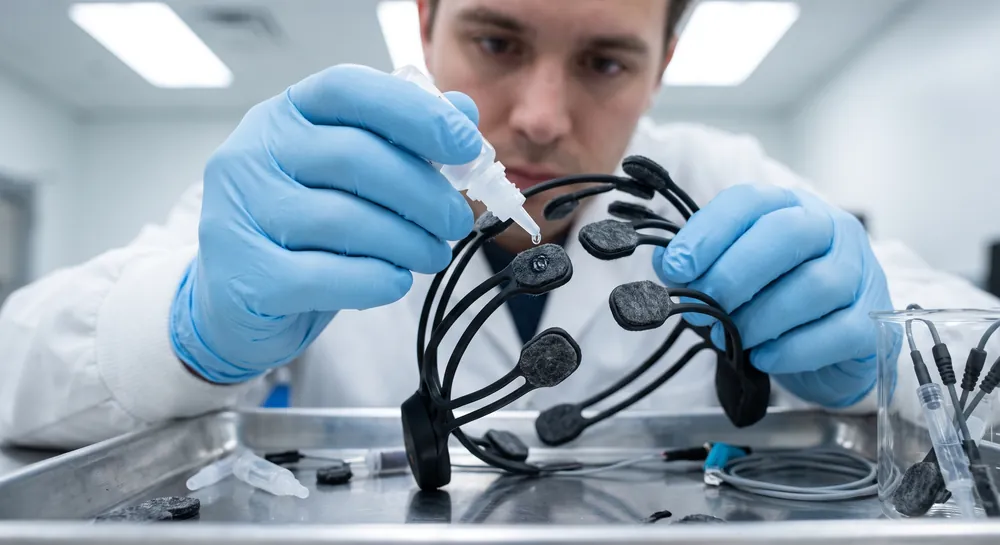
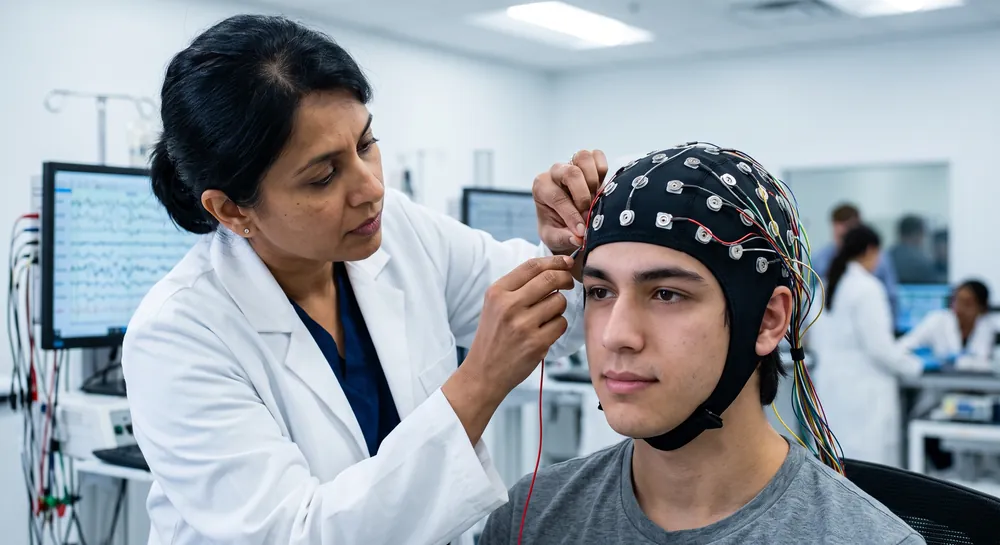
כדי להבין כיצד תנועה פיזית משפיעה על בהירות מנטלית, חוקרים ומדעני מוח משתמשים באלקטרואנצפלוגרפיה (EEG) כדי למדוד את הפעילות החשמלית של המוח בזמן אמת.
על ידי התמקדות בדפוסי גלי מוח ספציפיים, כגון גלי אלפא ובטא, מדענים יכולים להבחין בשינויים בעומס הקוגניטיבי ובמצבי הקשב.
גלי אלפא קשורים בדרך כלל למצב של "ערנות רגועה" או מצב סרק נוירולוגי, בעוד שגלי בטא מעידים על ריכוז פעיל וחשיבה מכוונת משימה. מחקרי ה-EEG הראשוניים החלו לבחון האם התנועות הקצביות והחוזרות של פידג'טינג עוזרות לווסת את התדרים הללו.
התיאוריה מציעה שעבור אנשים מסוימים, תנועות מוטוריות קטנות עשויות לעזור "לפרוק" רעש קוגניטיבי מסיח דעת, ובכך להעביר את המוח ממצב של שוטטות או גירוי יתר חזרה לתדר מאוזן וממוקד יותר.
חשוב להדגיש כי למרות שממצאים אלו מרתקים, הקשר בין פידג'טינג לגלי מוח נותר תחום פעיל של מחקר מתמשך ולא מדע מוגמר.
היתרונות הפסיכולוגיים של עט פידג'ט
תיעוב אנרגיה חסרת מנוחה למוצא בטוח
עטי פידג'ט יכולים לשמש כדרך דיסקרטית ונגישה לניהול תחושות של אי-שקט או אנרגיה עצבנית. עבור אנשים החווים חרדה או המתקשים להישאר ללא תנועה, הפעולות הפיזיות החוזרות ונשנות הקשורות לעט פידג'ט יכולות לספק מוצא בונה.
זה מועיל במיוחד במצבים שבהם פידג'טינג עלול להפריע או להיות לא מקובל מבחינה חברתית. על ידי עיסוק בפעילות מבוקרת ושקטה, אדם יכול להפנות את הביטויים הפיזיים של החרדה שלו להתנהגות פחות פולשנית.
תהליך זה יכול לעזור להפחית את עוצמת התחושות הפיזיות הלא נעימות הקשורות למתח, כגון דופק מהיר או ידיים רועדות.
כלי להפסקת הרגלים לא מועילים
חלק מהאנשים מפתחים הרגלים שאינם מועילים לרווחתם או למיקוד שלהם כאשר הם חשים חרדה, כגון כסיסת ציפורניים או סלסול שיער.
עט פידג'ט יכול לשמש כהתנהגות חלופית, המציעה חלופה מתאימה יותר מבחינה חברתית ופחות מזיקה. הפעולה של מניפולציה של העט (כלומר, לחיצה, סיבוב או גלגול שלו) יכולה לקטוע את המחזוריות של הרגל לא מועיל.
הפסקה זו מספקת רגע של שהות, המאפשר לאדם להשיב לעצמו את תחושת השליטה ובפוטנציאל להתנתק מדפוסי המחשבה החרדתיים שמפעילים את ההרגל. הפניה זו של המיקוד ממצב פנימי לפעולה פיזית וטקטילית חיצונית היא יתרון פסיכולוגי מרכזי.
יצירת טקס של ויסות עצמי
שימוש עקבי בעט פידג'ט יכול להתפתח לטקס אישי לוויסות עצמי. כאשר אדם מתחיל לקשר את העט עם תחושת רוגע או מיקוד משופר, נוכחותו יכולה להפוך לרמז להרגעה עצמית. זה יכול להיות שימושי במיוחד בניהול מעברים או בהכנה לאירועים מלחיצים.
לדוגמה, אדם עשוי להשתמש בעט הפידג'ט שלו כהרגל למשך מספר דקות לפני פגישה או מצגת. עם הזמן, פעולה זו יכולה לאותת למוח שהגיע הזמן להירגע ולהתרכז.
זה יוצר מנגנון התמודדות צפוי שניתן להסתמך עליו בעתות לחץ, ומסייע לתחושת מסוגלות אישית גדולה יותר בניהול מצבים רגשיים.
מה עטי חרדה יכולים ולא יכולים לעשות
כאשר בוחנים את המדע, ברור ש"עטי חרדה" אינם פתרון אחד שמתאים לכולם. היעילות באמת תלויה בסוג העט ובמה שהמשתמש מקווה להשיג.
לדוגמה, עטי פידג'ט, שהם למעשה כלי כתיבה בעלי אלמנטים תחושתיים משולבים, יכולים להציע דרך לתיעול אנרגיה חסרת מנוחה. הפעולות הפיזיות החוזרות על עצמן יכולות לספק עוגן תחושתי, לעזור לאנשים מסוימים להתמקד או להרגיש מקורקעים יותר. זה בולט במיוחד בהקשרים שבהם אנשים מפיקים תועלת מהתנהגויות של גירוי עצמי לניהול קשב או חרדה.
מצד שני, לעטים הכוללים שאיפה, כמו אלו עם שמני ארומתרפיה או CBD, יש בסיס מדעי שונה.
מחקרים מסוימים מראים כי לחומרים נשאפים מסוימים, כגון שמן לבנדר, עשויות להיות השפעות מרגיעות, המפחיתות פוטנציאלית חרדה מצבית. באופן דומה, מחקר ראשוני מצביע על כך ש-CBD עשוי לסייע בתסמיני חרדה חריפים עבור משתמשים מסוימים.
עם זאת, חשוב לציין שהמחקר בתחומים אלו עדיין מתפתח, וההשפעות יכולות להיות עדינות ולהשתנות במידה ניכרת מאדם לאדם. השוק של מוצרים שאיפים אלה אינו מפוקח ברובו, מה שאומר שאיכות המוצר, דיוק הרכיבים והמינון עלולים להיות לא עקביים.
חוסר סטנדרטיזציה זה מקשה על ניבוי תוצאות ומעלה שאלות לגבי בטיחות.
זהו כלי, לא תרופה
חשוב להבין שעטי חרדה, בכל צורה שהיא, נתפסים בצורה הטובה ביותר ככלים משלימים ולא כטיפולים עצמאיים להפרעות חרדה. עטי פידג'ט יכולים לעזור לנהל אנרגיה עצבנית ולשפר את המיקוד באותו רגע, ועטי ארומתרפיה או CBD עשויים להציע השפעות מרגיעות זמניות לחלק מהאנשים.
עם זאת, הם אינם מטפלים בגורמי השורש של החרדה, שלעיתים קרובות מעורבים בהם גורמים פסיכולוגיים, ביולוגיים וסביבתיים מורכבים.
עבור חרדה מתמשכת או חמורה, אנשי מקצוע בתחום הבריאות ממליצים בדרך כלל על גישות מבוססות ראיות כגון טיפול קוגניטיבי התנהגותי (CBT), טיפול דיאלקטי התנהגותי (DBT) או טיפול תרופתי מרשם.
שיטות אלו נועדו לספק אסטרטגיות ארוכות טווח לניהול תסמיני חרדה ושיפור הרווחה המנטלית הכללית. הסתמכות אך ורק על עט חרדה עלולה לעכב פנייה לקבלת טיפול יעיל ומקיף יותר.
החלטה האם עט חרדה מתאים לך
זיהוי אם אתה "חושב טקטילי" (תחושתי)
חלק מהאנשים מגלים שהפעלת חוש המישוש שלהם עוזרת להם לעבד מידע ולנהל רגשות. זה מכונה לעיתים קרובות להיות "חושב טקטילי".
אם שמת לב שמניפולציה של חפצים, שרבוט או אפילו סתם משחק בעט עוזרים לך להתרכז במהלך פגישות או הרצאות, עט פידג'ט עשוי להיות כלי שימושי. עטים אלו מציעים דרך דיסקרטית לתיעול אנרגיה חסרת מנוחה, ומספקים מוצא פיזי שיכול לתמוך במיקוד וברוגע.
עבור אלה שמפיקים תועלת מקלט תחושתי כדי לווסת את מצבם, עט פידג'ט יכול להיות אפשרות פשוטה ונגישה.
חיבור התסמינים שלך לפתרון
כאשר שוקלים האם עט חרדה מתאים, כדאי לבחון תסמינים ספציפיים וכיצד סוגי עטים שונים עשויים לתת להם מענה.
לדוגמה, אם החשש העיקרי הוא קושי בריכוז עקב אי-שקט, עט פידג'ט מכני בעל אלמנטים תחושתיים שונים כמו לחצנים, ספינרים או אחיזות מחוספסות יכול להועיל. אלה מספקים קלט תחושתי עקבי וצפוי.
מצד שני, אם המטרה היא לנהל רגעים של מתח חריף או הצפה, חלק מהאנשים בוחנים עטי ארומתרפיה או CBD. עם זאת, חשוב לציין שהראיות לסוגי עטים אלה פחות מבוססות, והם נושאים סיכונים פוטנציאליים, כולל גירוי בריאות והשפעות בלתי צפויות עקב איכות מוצר ומינון לא עקביים.
עבור חרדה מתמשכת או חמורה, עטים אלה אינם מהווים תחליף לייעוץ רפואי מקצועי או לטיפולים מבוססי ראיות.
מומלץ להתייעץ עם גורם רפואי כדי לבחון אפשרויות כגון טיפול (כמו CBT) או תרופות מרשם, שנועדו לטפל בגורמי השורש של החרדה ולספק הקלה ממושכת יותר. עטי פידג'ט, לעומת זאת, נחשבים בדרך כלל לכלים בסיכון נמוך שיכולים להשלים אסטרטגיות התמודדות אחרות.
השורה התחתונה לגבי עטי חרדה
בכל הנוגע לעטי פידג'ט, הרעיון הוא שהפעולה הפיזית של מניפולציה בעט יכולה לעזור לנתב אנרגיה חסרת מנוחה ולספק הסחת דעת קלה, שעשויה לסייע במיקוד עבור חלק מהאנשים, במיוחד אלה עם ADHD.
עם זאת, הגיבוי המדעי לכך מוגבל, והמחקר מצביע לרוב על כך שפידג'טינג לא מכוון מועיל יותר משימוש מכוון בכלי פידג'ט. עטי ארומתרפיה, לעומת זאת, מסתמכים על ריח כדי לעורר פוטנציאלית תגובות מרגיעות, כאשר חלק מהראיות מצביעות על כך שלבנדר יכול להיות בעל השפעה מפחיתת חרדה.
עדיין, עטים אלה אינם מהווים תחליף לטיפולים מבוססים כמו טיפול שיחתי או תרופות. הם עשויים להציע דרך זמנית ונגישה לניהול תסמינים עבור אנשים מסוימים, אך הם אינם מטפלים בגורמי השורש לחרדה. אם אתם שוקלים להשתמש באחד, עדיף להתייחס אליהם כאל כלי משלים ולא כאל תרופה.
מקורות
Engels, A. (2024). FIDGETING AND ATTENTION TO SELF/OTHER NARRATIVES: AN EEG STUDY.
Nayar, B., & Koul, S. (2020). The journey from recall to knowledge: A study of two factors–structured doodling and note-taking on a student’s recall ability. International Journal of Educational Management, 34(1), 127-138. https://doi.org/10.1108/IJEM-01-2019-0002
Han, K., Wang, J. Y., Wang, P. Y., & Peng, Y. C. H. (2024). Therapeutic potential of cannabidiol (CBD) in anxiety disorders: A systematic review and meta-analysis. Psychiatry Research, 339, 116049. https://doi.org/10.1016/j.psychres.2024.116049
שאלות נפוצות
מה זה בעצם עט חרדה?
עט חרדה הוא כלי שנועד לעזור בניהול תחושות של דאגה או עצבנות. ישנם שני סוגים עיקריים. חלקם דומים לעטים רגילים אך יש להם חלקים קטנים ללחיצה, סיבוב או החלקה, שיכולים לעזור לך להתנועע (פידג'ט). אחרים דומים יותר למאיידים קטנים שעשויים להשתמש בריחות מרגיעים או בחומרים כמו CBD.
כיצד עט פידג'ט עוזר עם חרדה?
עטי פידג'ט מציעים דרך לתיעול אנרגיה חסרת מנוחה. כשאתה מזיז את חלקי העט, זה יכול לתת לידיים שלך משהו לעשות, מה שעשוי לעזור להרגיע את המחשבות שלך. זה כמו לתת לחלק מהמוח שלך משימה קטנה כדי שלא יתמקד כל כך במחשבות חרדתיות.
האם פידג'טינג באמת יכול לשפר את המיקוד?
עבור אנשים מסוימים, במיוחד אלה שמתקשים לשבת בשקט, פידג'טינג יכול לשמש כדרך להישאר ערניים יותר. על ידי העסקת הידיים בפעולה פשוטה וחוזרת על עצמה, זה עשוי למנוע מהמחשבות לנדוד יותר מדי, ובכך לסייע פוטנציאלית בריכוז במשימה.
האם עטי חרדה עוזרים בטיפול בגורם השורש לחרדה?
לא, עטי חרדה נחשבים בדרך כלל לכלים המסייעים בניהול ה*תסמינים* של החרדה, כגון אי-שקט או דאגה. הם אינם פותרים את הסיבות הבסיסיות לכך שמישהו מרגיש חרדה. תחשוב עליהם כעוזר זמני, לא כתרופה.
האם שימוש בעט חרדה יכול להפוך להרגל רע?
למרות שהם יכולים להועיל, ייתכן שתסתמך עליהם יותר מדי. אם העט הופך לדרך היחידה שבה אתה מתמודד עם חרדה, זה עלול למנוע ממך ללמוד אסטרטגיות התמודדות אחרות ועמידות יותר. חשוב להשתמש בהם ככלי אחד מתוך רבים.
האם עטי פידג'ט שונים מעטים רגילים?
כן, עטי פידג'ט מעוצבים להיראות כמו עטים רגילים כדי שתוכל להשתמש בהם בדיסקרטיות. עם זאת, יש להם תכונות נוספות כמו ספינרים, לחצנים או חלקים בעלי מרקם שתוכל לשחק איתם, בשונה מעט כתיבה רגיל.
מי עשוי להפיק את המרב מעט פידג'ט?
אנשים שנוטים להתנועע באי-שקט כשהם עצבניים או צריכים להתמקד עשויים למצוא אותם שימושיים. זה כולל אנשים עם ADHD, או כל מי שמרגיש חסר מנוחה ומגלה שעיסוק של הידיים שלו עוזר לו להרגיש מקורקע או קשוב יותר.
מהן הדרכים הטובות יותר לנהל חרדה אם עט לא עובד?
אם עטי חרדה אינם עוזרים מספיק, שקול לדבר עם רופא או מטפל. שיטות מוכחות כוללות טיפולים בשיחה כמו CBT, תרגילי מיינדפולנס, נשימות עמוקות, פעילות גופנית סדירה והקפדה על שינה ותזונה נכונות. אלה נותנים מענה מעמיק יותר לחרדה מאשר כלי פידג'ט פשוט.
Emotiv היא מובילה בתחום הנוירוטכנולוגיה המסייעת לקדם מחקר במדעי המוח באמצעות כלי EEG נגישים וכלי נתוני מוח.
הבהרה רפואית: המידע המסופק באתר זה נועד למטרות חינוכיות ואינפורמטיביות בלבד ואינו מיועד לשמש כייעוץ רפואי או בריאותי. תוכן זה עלול להכיל שגיאות ואין להסתמך עליו לצורך קבלת החלטות משנות חיים בנושאי בריאות, רפואה או סגנון חיים. פנה תמיד לקבלת ייעוץ מהרופא שלך או מכל גורם רפואי מוסמך אחר בכל שאלה שעשויה להיות לך בנוגע למצב רפואי או לטיפול.
כריסטיאן בורגוס