להרגיש מוצף מדאגה ומאי־נוחות הוא משהו שאנשים רבים חווים. כאשר התחושות האלה נשארות לאורך זמן ומתחילות להפריע לחיי היומיום, ייתכן שהגיע הזמן לשקול טיפול בחרדה. מדריך זה ילווה אותך דרך כמה מהגישות הנפוצות לטיפול בחרדה, ויעזור לך להבין מה עשוי לעבוד הכי טוב עבורך.
מדוע אין גישה של "מידה אחת מתאימה לכולם" בטיפול בחרדה?
מדוע יש צורך להתאים את הטיפול לחרדה הספציפית של האדם?
זה מובן לחפש תשובה אחת וברורה כשמתמודדים עם חרדה. עם זאת, המציאות של טיפול בבריאות הנפש היא שהוא אינדיבידואלי ביותר.
חרדה כשלעצמה אינה מצב מוחי יחיד; היא ספקטרום של חוויות עם גורמים מגוונים וצורות ביטוי שונות. מה שעובד עבור אדם אחד עשוי שלא להיות יעיל עבור אחר.
זאת מכיוון שחרדה יכולה לנבוע ממקורות שונים, כולל נטיות ביולוגיות, התנהגויות נלמדות, גורמי לחץ סביבתיים וחוויות עבר. לכן, גישה מותאמת אישית נחוצה לעיתים קרובות עבור טיפול יעיל.
שיטות טיפוליות שונות נועדו לתת מענה להיבטים השונים הללו של החרדה. חלקן מתמקדות בשינוי דפוסי חשיבה והתנהגות מיידיים, בעוד שאחרות שואפות לחשוף בעיות עמוקות ובסיסיות יותר או לטפל בביטויים הפיזיים של החרדה.
היעילות של כל טיפול תלויה גם ברצונו של האדם לשתף פעולה, בתסמינים הספציפיים שלו ובמיומנותו של המטפל.
מהן הגישות הנפוצות ביותר בקו הראשון לטיפול בחרדה?
כאשר מחפשים עזרה לחרדה, מספר גישות מבוססות ראיות מומלצות לעתים קרובות כנקודות התחלה.
לטיפולים אלו יש רקורד חזק והם מהווים לעתים קרובות את הבחירה הראשונית עבור אנשי מקצוע רבים בתחום בריאות הנפש. הם נועדו לספק כלים ואסטרטגיות מעשיות לניהול יעיל של תסמיני חרדה.
להלן מבט על כמה מהשיטות הנפוצות ביותר:
טיפול קוגניטיבי התנהגותי (CBT): גישה זו מתמקדת בזיהוי ושינוי דפוסי חשיבה והתנהגות לא מועילים התורמים לחרדה. זהו טיפול מובנה שלעתים קרובות כולל למידת מיומנויות ספציפיות.
טיפול בקבלה ומחויבות (ACT): ACT עוזר למטופלים לקבל מחשבות ורגשות קשים ללא שיפוטיות, תוך מחויבות לפעולות התואמות את הערכים האישיים שלהם. הוא מדגיש גמישות פסיכולוגית.
טיפול בחשיפה: לעתים קרובות מרכיב של CBT, זה כולל התמודדות הדרגתית עם מצבים או אובייקטים מפחידים באופן בטוח ומבוקר כדי להפחית תגובות של הימנעות ופחד.
טיפול בין-אישי (IPT): טיפול זה מתמקד בשיפור מערכות יחסים ותפקוד חברתי, מתוך הכרה בכך שבעיות בין-אישיות יכולות להשפיע באופן משמעותי על רמות החרדה.
גישות אלו נחקרו היטב והוכיחו יעילות בטיפול במגוון של הפרעות חרדה.
כיצד טיפולים מכווני פעולה עוזרים לשנות מחשבות והתנהגויות חרדתיות?
לפעמים, חרדה מרגישה כמו רכבת שיצאה משליטה, ואתם רק רוצים לרדת ממנה. טיפולים מכווני פעולה מתמקדים בלעזור לכם לעשות בדיוק את זה על ידי שינוי האופן שבו אתם חושבים ומה שאתם עושים. גישות אלו הן לרוב די מעשיות, ומטרתן לצייד אתכם בכלים לניהול החרדה כאן ועכשיו.
כיצד פועל טיפול קוגניטיבי התנהגותי (CBT) לניהול חרדה?
טיפול קוגניטיבי התנהגותי, או CBT, הוא אחד הטיפולים הנחקרים והנפוצים ביותר לחרדה. הרעיון המרכזי מאחורי CBT הוא שהמחשבות, הרגשות וההתנהגויות שלכם קשורים כולם זה בזה.
אם יש לכם מחשבות חרדתיות, הן עלולות להוביל לרגשות והתנהגויות חרדתיות, אשר בתורן יכולות לחזק את אותן המחשבות. CBT עוזר לכם לזהות דפוסי חשיבה והתנהגות לא מועילים ואז מלמד אתכם כיצד לשנות אותם.
לדוגמה, אם אתם דואגים יתר על המידה ממצבים חברתיים, CBT עשוי לעזור לכם לאתגר את המחשבה שכולם שופטים אתכם ולתרגל השתלבות במצבים אלו בצורה נוחה יותר.
מרכיבי מפתח כוללים לרוב:
זיהוי מחשבות אוטומטיות שליליות: זיהוי אותן מחשבות מהירות, לרוב ביקורתיות, שקופצות לכם לראש.
הבנייה קוגניטיבית מחדש: למידה להטיל ספק ולשנות את אותן מחשבות לא מועילות למחשבות מאוזנות ומציאותיות יותר.
ניסויים התנהגותיים: התנסות בהתנהגויות חדשות במצבים מהחיים האמיתיים כדי לבחון את הניבויים החרדתיים שלכם.
CBT הוא לרוב טיפול קצר מועד, הנמשך בדרך כלל מספר חודשים, והוא ממוקד מאוד במטרה.
מהו טיפול בקבלה ומחויבות (ACT) לדאגה כרונית?
טיפול בקבלה ומחויבות, או ACT, לוקח נתיב מעט שונה.
במקום לנסות לחסל מחשבות ורגשות חרדתיים, ACT מציע כי ניסיון להילחם בהם יכול לפעמים להחמיר את המצב. המטרה ב-ACT היא ללמוד לקבל מחשבות ורגשות קשים מבלי לתת להם להכתיב את הפעולות שלכם.
זה עוסק בפינוי מקום לחרדה תוך המשך התקדמות בדרך התואמת את הערכים האישיים שלכם.
ACT כולל מספר תרגולי ליבה:
קבלה: נכונות לחוות מחשבות ורגשות לא נוחים ללא מאבק.
הפרדה קוגניטיבית (Defusion): למידה לראות מחשבות כפי שהן - מחשבות בלבד, ולא כאמיתות מוחלטות.
להיות נוכח: מיקוד תשומת הלב בכאן ועכשיו.
הבהרת ערכים: זיהוי מה באמת חשוב לכם בחיים.
פעולה מחויבת: נקיטת צעדים לקראת הערכים שלכם, גם כאשר החרדה נוכחת.
ACT יכול לעזור לאנשים שחווים דאגה כרונית או מוצאים את עצמם נמנעים ממצבים רבים בשל חרדה.
כיצד טיפול דיאלקטי התנהגותי (DBT) עוזר עם רגשות עזים וחרדה?
טיפול דיאלקטי התנהגותי, או DBT, פותח במקור עבור אנשים עם הפרעת אישיות גבולית, אך מיומנויותיו הוכחו כיעילות מאוד לניהול רגשות עזים, כולל אלו הקשורים לחרדה.
DBT משלב עקרונות מ-CBT עם קשיבות (mindfulness) ואסטרטגיות לוויסות רגשי. הוא מדגיש איזון בין קבלה לשינוי.
אימון מיומנויות DBT מכסה בדרך כלל ארבעה תחומים עיקריים:
קשיבות (Mindfulness): תשומת לב לרגע הנוכחי ללא שיפוטיות.
עמידות במצוקה: למידה להתמודד עם רגשות ומצבים קשים מבלי להחמיר אותם.
ויסות רגשי: הבנה וניהול של התגובות הרגשיות שלכם.
יעילות בין-אישית: שיפור מערכות יחסים ומיומנויות תקשורת.
DBT שימושי במיוחד עבור אנשים שחווים עליות ומורדות רגשיים משמעותיים לצד החרדה שלהם, או כאשר החרדה מובילה להתנהגויות אימפולסיביות.
כיצד טיפולים מכווני תובנה (Insight) חושפים את שורשי החרדה שלכם?
לפעמים, חרדה יכולה לנבוע מדפוסים עמוקים יותר, לרוב לא מודעים, ומחוויות עבר. טיפולים מכווני Insight שואפים לחקור את הגורמים הבסיסיים הללו, ולסייע לאנשים להשיג הבנה טובה יותר של הסיבה לכך שהם מרגישים ומגיבים כפי שהם מגיבים.
גישה זו מתמקדת בהבאת חומר לא מודע למודעות המודעת, מה שמאפשר עיבוד ופתרון.
כיצד טיפול פסיכודינמי חוקר השפעות לא מודעות על החרדה?
טיפול פסיכודינמי הוא צורה של טיפול בשיחות הבוחן כיצד חוויות עבר, במיוחד מהילדות, ומחשבות ורגשות לא מודעים עשויים להשפיע על ההתנהגות ועל המצבים הרגשיים הנוכחיים.
הרעיון הוא שקונפליקטים או דפוסים בלתי פתורים מהעבר יכולים להתבטא כחרדה בהווה. מטפלים בשיטה זו עוזרים למטופלים לחקור קשרים אלו, לרוב באמצעות דיון בחלומות, זיכרונות מוקדמים ודפוסים במערכות יחסים.
המטרה היא להשיג Insight (תובנה) לגבי דינמיקות לא מודעות אלו ולעבוד עליהן. דבר זה יכול להוביל להפחתה בתסמיני החרדה ככל שמטפלים בגורמי השורש.
מתי גישה פסיכולוגית עמוקה יותר טובה יותר מטיפול חרדה מבוסס מיומנויות?
בעוד שטיפולים מכווני פעולה כמו CBT מצוינים לניהול תסמינים מיידיים ופיתוח אסטרטגיות התמודדות, טיפולים מכווני Insight יכולים להועיל יותר כאשר החרדה נראית מושרשת עמוק או קשורה להיסטוריה אישית מורכבת.
אם החרדה מרגישה מקיפה, אם היא קשורה לאירועי חיים משמעותיים או לדפוסי מערכות יחסים, או אם גישות מבוססות מיומנויות לא סיפקו הקלה מתמשכת, חקירת שורשי העומק עשויה להיות יעילה יותר. גישה זו מתאימה לרוב לאנשים שסקרנים לגבי עולמם הפנימי ובעלי מוטיבציה להבין את מקורות מצוקתם.
כיצד טיפול בין-אישי (IPT) נותן מענה לחרדה הקשורה למערכות יחסים?
טיפול בין-אישי (IPT) הוא גישה מוגבלת בזמן המתמקדת בקשר שבין מצב הרוח למערכות יחסים בין-אישיות. הוא מציע כי קשיים במערכות יחסים או שינויים משמעותיים בחיים עלולים לעורר או להחמיר חרדה.
IPT מתמקד בדרך כלל באחד או יותר מארבעה תחומי בעיה עיקריים:
מחלוקות על תפקידים בין-אישיים: קונפליקטים עם אנשים משמעותיים בחייו של אדם.
מעברי תפקיד: הסתגלות לשינויים גדולים בחיים, כגון התחלת עבודה חדשה, נישואין או הפיכה להורה.
אבל או אובדן: התמודדות עם מותו של אדם אהוב.
חסכים בין-אישיים: קשיים ביצירה או שמירה על מערכות יחסים בריאות.
מטפלים עוזרים למטופלים לזהות כיצד נושאים אלו משפיעים על מצב הרוח והחרדה שלהם, ואז עובדים יחד כדי לשפר את מערכות היחסים והתפקוד החברתי שלהם. המיקוד הוא בשיפור התקשורת ופתרון קונפליקטים בהקשרים בין-אישיים אלו.
אילו טיפולים ממוקדי גוף ומכווני טראומה משמשים לחרדה?
לפעמים, חרדה אינה רק בראש שלכם; היא מופיעה גם בגוף שלכם. זה יכול להיות נכון במיוחד כאשר מעורבות חוויות עבר, כמו טראומה.
טיפולים בקטגוריה זו מתמקדים באופו שבו הגוף אוגר לחץ וכיצד לשחרר אותו, לרוב על ידי עבודה על זיכרונות קשים.
כיצד טיפול EMDR עוזר לעבד זיכרונות חרדה המוזנים מטראומה?
EMDR הוא סוג ספציפי של טיפול שנועד לעזור לאנשים לעבד זיכרונות כואבים שעשויים לתרום לחרדה. הרעיון המרכזי הוא שכאשר אנו חווים משהו טראומטי, המוח שלנו עלול להיתקע בניסיון לעבד אותו.
EMDR משתמש בגישה מובנית הכוללת היזכרות בזיכרון הטראומטי תוך חוויה בו-זמנית של גירוי דו-צדדי, לרוב באמצעות תנועות עיניים, תיפוף או צלילים. תהליך זה נועד לעזור למוח לעבד מחדש את הזיכרון, ולהפוך אותו לפחות מטריד.
זה לא עניין של לשכוח את האירוע, אלא של הפחתת המטען הרגשי הקשור אליו. זה יכול לעזור במיוחד לחרדה הנובעת מאירועים כמו תאונות, תקיפות או אסונות טבע.
מהי חוויה סומטית (Somatic Experiencing) וכיצד היא משחררת חרדה מאוחסנת?
חוויה סומטית (SE) היא גישה נוספת ממוקדת גוף הבוחנת כיצד טראומה ולחץ נאחזים בגוף. SE פותחה על ידי ד"ר פיטר לוין, והיא מציעה שכאשר אנו עומדים בפני איום, לגופנו יש דרכים טבעיות לפרוק את האנרגיה הזו (כמו רעידות או רטט).
לפעמים, פריקה זו אינה מתרחשת במלואה, והמתח הפיזי שנותר יכול לתרום לחרדה מתמשכת, דריכות יתר או תחושה של היבהלות בקלות. מטפלי SE מדריכים אנשים להבחין בעדינות במתח הפיזי המאוחסן הזה ולשחרר אותו.
המיקוד הוא בתחושות הגוף הנוכחיות, מה שעוזר למערכת העצבים לווסת את עצמה ולצאת ממצב של אזעקה. זה עוסק בלעזור לגוף להשלים את מחזור תגובת הלחץ הטבעי שלו.
כיצד טיפולים מבוססי גוף נותנים מענה ספציפי לתסמיני חרדה פיזיים?
חרדה מגיעה לרוב עם תסמינים פיזיים: דופק מהיר, שרירים מתוחים, נשימה שטחית או בעיות בבטן. טיפולים מבוססי גוף מכירים בכך שתחושות פיזיות אלו אינן רק תופעות לוואי אלא הן חלק מחוויית החרדה עצמה. הם עובדים ישירות עם הגוף כדי:
להגביר את המודעות למתח פיזי: למידה להבחין היכן אתם מחזיקים מתח בגופכם, כמו בכתפיים או בלסת.
להקל על שחרור אנרגיה מאוחסנת: שימוש בתנועות עדינות או במודעות מודרכת כדי לעזור לגוף לשחרר תגובות פיזיות ללחץ או לטראומת עבר.
לשפר את ויסות מערכת העצבים: עזרה לגוף לעבור ממצב של ערנות גבוהה (לחימה, בריחה או קיפאון) למצב מאוזן יותר.
לחבר בין גוף ונפש: הבנה כיצד מחשבות, רגשות ותחושות פיזיות משפיעים אלו על אלו.
שיטות אלו יכולות להיות יעילות למדי עבור אנשים שהחרדה שלהם קשורה קשר הדוק לתחושות פיזיות או שחוו טראומה שממשיכה להתבטא בדרכים גופניות.
כיצד אוכל לבחור את הגישה הטיפולית הנכונה לסוג החרדה הספציפי שלי?
מציאת הסוג הנכון של טיפול בחרדה יכולה להרגיש כמו משימה גדולה, וזה מובן לחלוטין.
גישות שונות עובדות טוב יותר עבור אנשים שונים וסוגי חרדה שונים. תחשבו על זה כך: אם יש לכם כאב ראש, אתם עשויים ליטול משכך כאבים ללא מרשם. אבל אם יש לכם עצם שבורה, אתם זקוקים למשהו מורכב יותר, כמו גבס. טיפול הוא דומה.
כיצד אוכל להתאים שיטת טיפול לתסמיני החרדה הייחודיים שלי?
כשאתם בוחנים סוגי טיפול שונים, זה עוזר לקחת בחשבון מה באמת קורה עם החרדה שלכם.
האם זו דאגה מתמדת שקשה להיפטר ממנה? או שאולי מדובר יותר במצבים ספציפיים המעוררים פחד עז, כמו דיבור בפני קהל או שהייה בהמון אדם?
חלק מהטיפולים טובים מאוד בטיפול באותם פחדים מיידיים וספציפיים, בעוד שאחרים חופרים קצת יותר עמוק כדי להבין מאיפה הפחדים האלה מגיעים מלכתחילה.
האם מיומנות המטפל חשובה יותר משיטת הטיפול?
חשוב גם לזכור שבעוד שסוג הטיפול חשוב, כך גם המטפל. מטפל מיומן יכול לרוב להתאים את הגישה שלו או להשתמש בטכניקות משיטות שונות כדי להתאים בצורה הטובה ביותר לצרכים שלכם.
לפעמים, החיבור שאתם מרגישים עם המטפל שלכם והיכולת שלו לייצר מרחב בטוח חשובים בדיוק כמו הטכניקות הספציפיות שבהן הוא משתמש. זה לא חריג להיפגש עם כמה מטפלים לפני שמוצאים מישהו שמרגישים קליק אמיתי איתו.
אל תהססו לשאול מטפלים פוטנציאליים על הניסיון שלהם בחרדה, הגישה שלהם ואיך עשוי להיראות מפגש טיפוסי. שיחה זו יכולה לתת לכם תחושה טובה האם הם עשויים להתאים לכם.
מהם הצעדים הראשונים לקראת מציאת דרך להתקדם עם טיפול בחרדה?
הניווט בעולם הטיפולים בחרדה יכול להרגיש מכביד, אך זכרו שישנן אפשרויות יעילות זמינות. כל גישה טיפולית שנדונה מציעה מסלול ייחודי לניהול החרדה, והבחירה המתאימה ביותר תלויה לרוב בצרכים ובנסיבות האישיים.
טיפול קוגניטיבי התנהגותי (CBT), טיפול בקבלה ומחויבות (ACT), טיפול פסיכודינמי וטיפול בין-אישי (IPT) הם רק חלק מהשיטות המבוססות על ראיות שהראו פוטנציאל משמעותי.
חשוב להכיר בכך שמציאת המטפל וההתאמה הטיפולית הנכונה עשויים לדרוש מעט חיפוש. אל תהססו לדון בחששות ובהעדפות שלכם בפתיחות עם מטפלים פוטנציאליים במהלך פגישות הייעוץ הראשוניות. בסופו של דבר, פנייה להכוונה מקצועית היא צעד אקטיבי לקראת הבנתה, אפילו ברמת המדעי המוח.
שאלות נפוצות
מהו בדיוק טיפול בחרדה?
טיפול בחרדה כולל שיחה עם איש מקצוע מוסמך, כגון מטפל או יועץ. המטרה היא לעזור לכם להבין ולנהל את המחשבות, הרגשות והפעולות שגורמים לכם להרגיש חרדים. זו דרך ללמוד מיומנויות חדשות להתמודדות עם דאגה ולחץ.
מדוע לא כולם יכולים פשוט להשתמש באותו סוג של טיפול בחרדה?
חרדה יכולה להופיע בצורה שונה אצל כל אחד. אנשים מסוימים עשויים לדאוג הרבה, בעוד שאחרים עלולים לחוות התקפי פאניקה פתאומיים או להרגיש עצבניים מאוד ליד אנשים. מכיוון שחרדה היא ייחודית לכל אדם, שיטות טיפול שונות עובדות טוב יותר עבור אנשים שונים והאתגרים הספציפיים שלהם.
מהו טיפול קוגניטיבי התנהגותי (CBT) וכיצד הוא עוזר לחרדה?
CBT הוא סוג נפוץ מאוד של טיפול. הוא עוזר לכם לגלות דרכים שליליות או לא מועילות של חשיבה והתנהגות שמחמירות את החרדה. לאחר מכן, הוא מלמד אתכם כיצד לשנות את אותן מחשבות ופעולות לחיוביות ומועילות יותר. זה כמו ללמוד לאמן מחדש את המוח שלכם.
כיצד טיפול בקבלה ומחויבות (ACT) עוזר עם חרדה?
ACT מלמד אתכם לקבל את המחשבות והרגשות הקשים שמגיעים עם החרדה, במקום להילחם בהם. הוא עוזר לכם להבין שהרגשות האלה נורמליים ואינם חייבים לשלוט بكم. אתם גם לומדים להתמקד במה שחשוב לכם ולנקוט צעדים לקראת אותן מטרות, גם כשאתם מרגישים חרדים.
למה משמש טיפול דיאלקטי התנהגותי (DBT)?
DBT עוזר לרוב לאנשים שחווים רגשות עזים מאוד יחד עם החרדה שלהם. הוא משלב מיומנויות מ-CBT עם קשיבות ומלמד אתכם כיצד לנהל רגשות חזקים, להסתדר טוב יותר עם אחרים ולהתמודד עם מצבים מלחיצים מבלי להרגיש מוצפים.
מהו טיפול פסיכודינמי וכיצד הוא קשור לחרדה?
סוג זה של טיפול בוחן כיצד חוויות העבר והרגשות הלא מודעים שלכם עשויים להשפיע על החרדה הנוכחית שלכם. על ידי חקירת שורשי העומק הללו, תוכלו להשיג הבנה טובה יותר של הסיבה לכך שאתם מרגישים חרדים ולעבוד על דפוסים ישנים שעלולים לגרום למצוקה.
מתי טיפול החוקר את העבר עשוי להיות טוב יותר מכזה המתמקד במיומנויות?
אם החרדה שלכם נראית קשורה באופן עמוק לאירועי עבר, למערכות יחסים קשות או לדפוסי תחושה ארוכי שנים, חקירת ה'למה' שמאחוריה באמצעות טיפולים כמו טיפול פסיכודינמי עשויה להיות יעילה יותר מאשר רק למידת מיומנויות התמודדות.
מהו טיפול בין-אישי (IPT) וכיצד הוא יכול לעזור בחרדה?
IPT מתמקד באופו שבו מערכות היחסים שלכם עם אנשים אחרים משפיעות על הרגשות שלכם. אם החרדה שלכם מופעלת לעתים קרובות על ידי בעיות עם חברים, משפחה או בני זוג, או אם אתם עוברים שינוי גדול בחיים, IPT יכול לעזור לכם לשפר את הקשרים שלכם ולהפחית את הלחץ.
מהו טיפול EMDR ועבור מי הוא מיועד?
EMDR פירושו הקהיה שיטתית ועיבוד מחדש באמצעות תנועות עיניים (Eye Movement Desensitization and Reprocessing). זהו טיפול המשמש לעתים קרובות לחרדה הנובעת מחוויות טראומטיות. הוא עוזר למוח שלכם לעבד זיכרונות מטרידים כדי שלא יעוררו חרדה באותה מידה.
כיצד טיפולים ממוקדי גוף עוזרים עם תסמיני חרדה פיזיים?
חלק מהטיפולים, כמו חוויה סומטית (Somatic Experiencing), מתמקדים באופו שבו החרדה משפיעה על גופכם. הם עוזרים לכם לשחרר מתח פיזי ולחץ שנאגרים בגופכם, מה שיכול להפחית תסמינים פיזיים כמו דופק מהיר, שרירים תפוסים או בעיות בבטן.
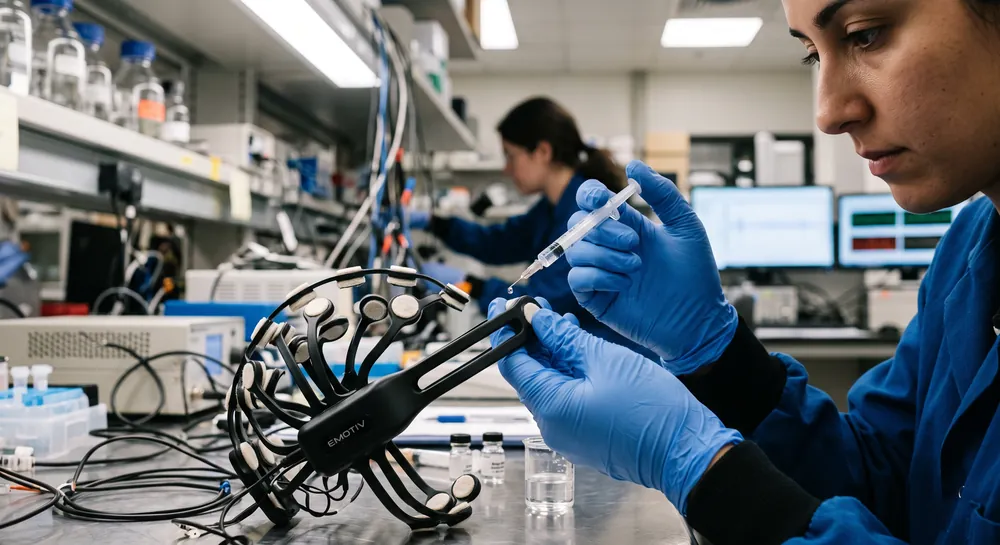
Emotiv היא מובילה בתחום הנוירוטכנולוגיה המסייעת לקדם מחקר במדעי המוח באמצעות כלי EEG נגישים וכלי נתוני מוח.
הבהרה רפואית: המידע המסופק באתר זה נועד למטרות חינוכיות ואינפורמטיביות בלבד ואינו מיועד לשמש כייעוץ רפואי או בריאותי. תוכן זה עלול להכיל שגיאות ואין להסתמך עליו לצורך קבלת החלטות משנות חיים בנושאי בריאות, רפואה או סגנון חיים. פנה תמיד לקבלת ייעוץ מהרופא שלך או מכל גורם רפואי מוסמך אחר בכל שאלה שעשויה להיות לך בנוגע למצב רפואי או לטיפול.
כריסטיאן בורגוס