Price increase for Epoc X and Flex on May 1st. Stock up now and save!
Price increase for Epoc X and Flex on May 1st. Stock up now and save!
Price increase for Epoc X and Flex on May 1st. Stock up now and save!
How to enhance mental agility, resilience, and capacity
Mehul Nayak
Updated on
Feb 7, 2024
How to enhance mental agility, resilience, and capacity
Mehul Nayak
Updated on
Feb 7, 2024
How to enhance mental agility, resilience, and capacity
Mehul Nayak
Updated on
Feb 7, 2024
If the last few years have taught us anything, it’s that change can happen at any time and affect us in significant ways. Whilst it’s not easy to see at times, each and every challenge we face means we are building our mental capacity by being more agile and resilient.
Opportunities to increase our mental capacity can occur through increased awareness and having the right tools available. By partnering with EMOTIV, you can create an individualized approach to mental resilience and agility. EMOTIV’s electroencephalograph (EEG) technology can do what we humans are notoriously bad at—assessing our own stress levels and cognitive limits, helping us improve our resilience.
Imagine being in a position where you were aware of all the things impacting your mental capacity. EMOTIV can help!
Mental agility
Understanding your stress levels and periods of focus can help you increase your resilience: knowing when to take a break while you’re working can help you reduce stress. In turn, this not only improves your resilience at work but also outside of work.
“The greatest glory in living lies not in never falling, but in rising every time we fall.” Nelson Mandela
How agile are you? Agility means your ability to adjust your mind to new circumstances, and quickly shift between a laser focus and the bigger picture. Examples of agility include:
F1 teams who move and respond quickly to different conditions at races.
Those responding to natural disasters—where significant coordination of effort is required by individuals in conjunction with government agencies, emergency services, and community based organizations.
Responding to significant personal or business challenges during the pandemic, which required people to work from home and businesses to adapt to remain viable.
We need agility to thrive in the disruptive and somewhat unknown futures that we face.
Resilience
When faced with adversity, do you break or bounce back? If you accept that life is uncertain and through uncertainty, you will grow as an individual, this is a great start to building your resilience. By developing a resilient and all-around positive approach in your life, you will have the emotional strength and adapt to difficult situations.

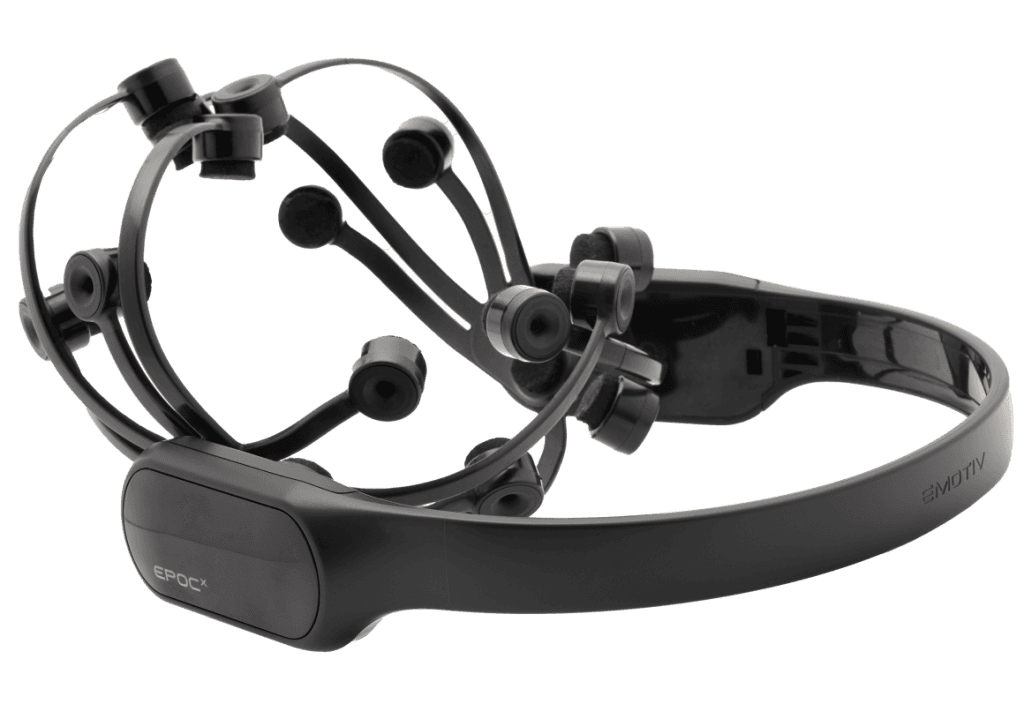
14-Channel wireless EEG headset

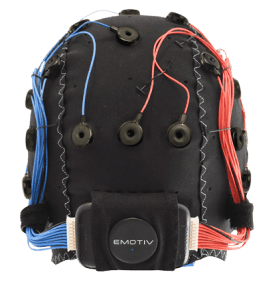
32-Channel Saline Wireless EEG head cap system

32-Channel Gel Wireless EEG head cap system
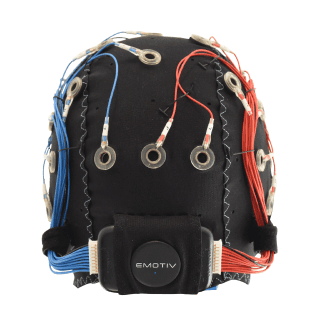

5-Channel Wireless EEG Head Cap System
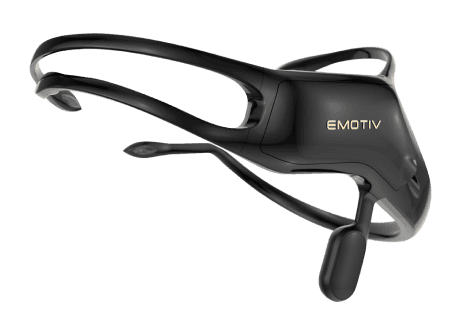

2-Channel Wireless EEG earbuds
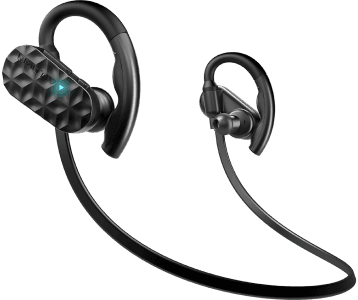

16-Channel adhesive EEG monitoring
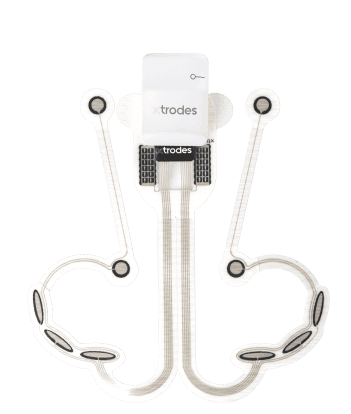
How resilient are you?
Resilience is that quality that allows some people to be knocked down by life and come back stronger than ever. Rather than letting failure overcome them and drain their reserves, resilient people find a way to rise from the ashes.
Psychologists have identified some factors that make someone resilient: including a positive attitude, optimism, the ability to regulate emotions, and the ability to see failure as a form of helpful feedback. Despite the misfortune, resilient people are blessed with an outlook that enables them to change course and soldier on.
If you take time to reflect on your life so far, what would you consider is your level of resilience? The Resilence Shield, an approach outlined by very experienced SAS soldiers, indicates that you can assess your resilience across a number of areas, including Innate, Mind, Body, Social, Professional, and Adaptation layers.
You can understand your own resilience by taking the Resilience Shield survey. The results indicate areas of focus and change to build your resilience. For example, a low score in the social layer means you should invest more time with your family and friends.
Overall, it is good to recognize the great things you have done and then consider what you could do differently to build your resilience.
Resilience and Failure
In many of his books, Sir Richard Branson has indicated that how resilient people deal with failure sets apart successful people from everyone else. “Failure is one of the secrets to success since some of the best ideas arise from the ashes of a shuttered business,” he explains. The strongest entrepreneurs and leaders are the ones who have experienced a few failures and have proven their resilience in the face of adversity. “Resilience is one of the hallmarks of an entrepreneur who can stay in business in the long term,” Branson argues.
Build your resilience
There are numerous examples of individuals who are an inspiration in building resilience. Louis Zamperini was a World War II prisoner of war, an Olympic athlete, an inspirational figure, and writer. Born in January 1917 in Olean, New York, and raised in California, Zamperini joined the track team in high school. Excelling at long-distance events, Zamperini competed in the 1936 Berlin Olympics. He was ready to compete again in the 1940 Tokyo Olympics. However, World War II broke out, and the Games were canceled.
A bombardier in the Army Air Corps, Zamperini was in a plane that went down. When he arrived on shore in Japan 47 days later, he was taken as a prisoner of war and tortured for two years. After his release, Zamperini became an inspirational figure, and his life served as the basis for the 2014 biography Unbroken: A World War II Story of Survival, Resilience, and Redemption
If the last few years have taught us anything, it’s that change can happen at any time and affect us in significant ways. Whilst it’s not easy to see at times, each and every challenge we face means we are building our mental capacity by being more agile and resilient.
Opportunities to increase our mental capacity can occur through increased awareness and having the right tools available. By partnering with EMOTIV, you can create an individualized approach to mental resilience and agility. EMOTIV’s electroencephalograph (EEG) technology can do what we humans are notoriously bad at—assessing our own stress levels and cognitive limits, helping us improve our resilience.
Imagine being in a position where you were aware of all the things impacting your mental capacity. EMOTIV can help!
Mental agility
Understanding your stress levels and periods of focus can help you increase your resilience: knowing when to take a break while you’re working can help you reduce stress. In turn, this not only improves your resilience at work but also outside of work.
“The greatest glory in living lies not in never falling, but in rising every time we fall.” Nelson Mandela
How agile are you? Agility means your ability to adjust your mind to new circumstances, and quickly shift between a laser focus and the bigger picture. Examples of agility include:
F1 teams who move and respond quickly to different conditions at races.
Those responding to natural disasters—where significant coordination of effort is required by individuals in conjunction with government agencies, emergency services, and community based organizations.
Responding to significant personal or business challenges during the pandemic, which required people to work from home and businesses to adapt to remain viable.
We need agility to thrive in the disruptive and somewhat unknown futures that we face.
Resilience
When faced with adversity, do you break or bounce back? If you accept that life is uncertain and through uncertainty, you will grow as an individual, this is a great start to building your resilience. By developing a resilient and all-around positive approach in your life, you will have the emotional strength and adapt to difficult situations.
14-Channel wireless EEG headset
32-Channel Saline Wireless EEG head cap system
32-Channel Gel Wireless EEG head cap system
5-Channel Wireless EEG Head Cap System
2-Channel Wireless EEG earbuds
16-Channel adhesive EEG monitoring
How resilient are you?
Resilience is that quality that allows some people to be knocked down by life and come back stronger than ever. Rather than letting failure overcome them and drain their reserves, resilient people find a way to rise from the ashes.
Psychologists have identified some factors that make someone resilient: including a positive attitude, optimism, the ability to regulate emotions, and the ability to see failure as a form of helpful feedback. Despite the misfortune, resilient people are blessed with an outlook that enables them to change course and soldier on.
If you take time to reflect on your life so far, what would you consider is your level of resilience? The Resilence Shield, an approach outlined by very experienced SAS soldiers, indicates that you can assess your resilience across a number of areas, including Innate, Mind, Body, Social, Professional, and Adaptation layers.
You can understand your own resilience by taking the Resilience Shield survey. The results indicate areas of focus and change to build your resilience. For example, a low score in the social layer means you should invest more time with your family and friends.
Overall, it is good to recognize the great things you have done and then consider what you could do differently to build your resilience.
Resilience and Failure
In many of his books, Sir Richard Branson has indicated that how resilient people deal with failure sets apart successful people from everyone else. “Failure is one of the secrets to success since some of the best ideas arise from the ashes of a shuttered business,” he explains. The strongest entrepreneurs and leaders are the ones who have experienced a few failures and have proven their resilience in the face of adversity. “Resilience is one of the hallmarks of an entrepreneur who can stay in business in the long term,” Branson argues.
Build your resilience
There are numerous examples of individuals who are an inspiration in building resilience. Louis Zamperini was a World War II prisoner of war, an Olympic athlete, an inspirational figure, and writer. Born in January 1917 in Olean, New York, and raised in California, Zamperini joined the track team in high school. Excelling at long-distance events, Zamperini competed in the 1936 Berlin Olympics. He was ready to compete again in the 1940 Tokyo Olympics. However, World War II broke out, and the Games were canceled.
A bombardier in the Army Air Corps, Zamperini was in a plane that went down. When he arrived on shore in Japan 47 days later, he was taken as a prisoner of war and tortured for two years. After his release, Zamperini became an inspirational figure, and his life served as the basis for the 2014 biography Unbroken: A World War II Story of Survival, Resilience, and Redemption
If the last few years have taught us anything, it’s that change can happen at any time and affect us in significant ways. Whilst it’s not easy to see at times, each and every challenge we face means we are building our mental capacity by being more agile and resilient.
Opportunities to increase our mental capacity can occur through increased awareness and having the right tools available. By partnering with EMOTIV, you can create an individualized approach to mental resilience and agility. EMOTIV’s electroencephalograph (EEG) technology can do what we humans are notoriously bad at—assessing our own stress levels and cognitive limits, helping us improve our resilience.
Imagine being in a position where you were aware of all the things impacting your mental capacity. EMOTIV can help!
Mental agility
Understanding your stress levels and periods of focus can help you increase your resilience: knowing when to take a break while you’re working can help you reduce stress. In turn, this not only improves your resilience at work but also outside of work.
“The greatest glory in living lies not in never falling, but in rising every time we fall.” Nelson Mandela
How agile are you? Agility means your ability to adjust your mind to new circumstances, and quickly shift between a laser focus and the bigger picture. Examples of agility include:
F1 teams who move and respond quickly to different conditions at races.
Those responding to natural disasters—where significant coordination of effort is required by individuals in conjunction with government agencies, emergency services, and community based organizations.
Responding to significant personal or business challenges during the pandemic, which required people to work from home and businesses to adapt to remain viable.
We need agility to thrive in the disruptive and somewhat unknown futures that we face.
Resilience
When faced with adversity, do you break or bounce back? If you accept that life is uncertain and through uncertainty, you will grow as an individual, this is a great start to building your resilience. By developing a resilient and all-around positive approach in your life, you will have the emotional strength and adapt to difficult situations.
14-Channel wireless EEG headset
32-Channel Saline Wireless EEG head cap system
32-Channel Gel Wireless EEG head cap system
5-Channel Wireless EEG Head Cap System
2-Channel Wireless EEG earbuds
16-Channel adhesive EEG monitoring
How resilient are you?
Resilience is that quality that allows some people to be knocked down by life and come back stronger than ever. Rather than letting failure overcome them and drain their reserves, resilient people find a way to rise from the ashes.
Psychologists have identified some factors that make someone resilient: including a positive attitude, optimism, the ability to regulate emotions, and the ability to see failure as a form of helpful feedback. Despite the misfortune, resilient people are blessed with an outlook that enables them to change course and soldier on.
If you take time to reflect on your life so far, what would you consider is your level of resilience? The Resilence Shield, an approach outlined by very experienced SAS soldiers, indicates that you can assess your resilience across a number of areas, including Innate, Mind, Body, Social, Professional, and Adaptation layers.
You can understand your own resilience by taking the Resilience Shield survey. The results indicate areas of focus and change to build your resilience. For example, a low score in the social layer means you should invest more time with your family and friends.
Overall, it is good to recognize the great things you have done and then consider what you could do differently to build your resilience.
Resilience and Failure
In many of his books, Sir Richard Branson has indicated that how resilient people deal with failure sets apart successful people from everyone else. “Failure is one of the secrets to success since some of the best ideas arise from the ashes of a shuttered business,” he explains. The strongest entrepreneurs and leaders are the ones who have experienced a few failures and have proven their resilience in the face of adversity. “Resilience is one of the hallmarks of an entrepreneur who can stay in business in the long term,” Branson argues.
Build your resilience
There are numerous examples of individuals who are an inspiration in building resilience. Louis Zamperini was a World War II prisoner of war, an Olympic athlete, an inspirational figure, and writer. Born in January 1917 in Olean, New York, and raised in California, Zamperini joined the track team in high school. Excelling at long-distance events, Zamperini competed in the 1936 Berlin Olympics. He was ready to compete again in the 1940 Tokyo Olympics. However, World War II broke out, and the Games were canceled.
A bombardier in the Army Air Corps, Zamperini was in a plane that went down. When he arrived on shore in Japan 47 days later, he was taken as a prisoner of war and tortured for two years. After his release, Zamperini became an inspirational figure, and his life served as the basis for the 2014 biography Unbroken: A World War II Story of Survival, Resilience, and Redemption