12 Real Brain-Computer Interface Applications Changing the Way We Interact with Technology
Emotiv
Updated on
Feb 27, 2026
12 Real Brain-Computer Interface Applications Changing the Way We Interact with Technology
Emotiv
Updated on
Feb 27, 2026
12 Real Brain-Computer Interface Applications Changing the Way We Interact with Technology
Emotiv
Updated on
Feb 27, 2026
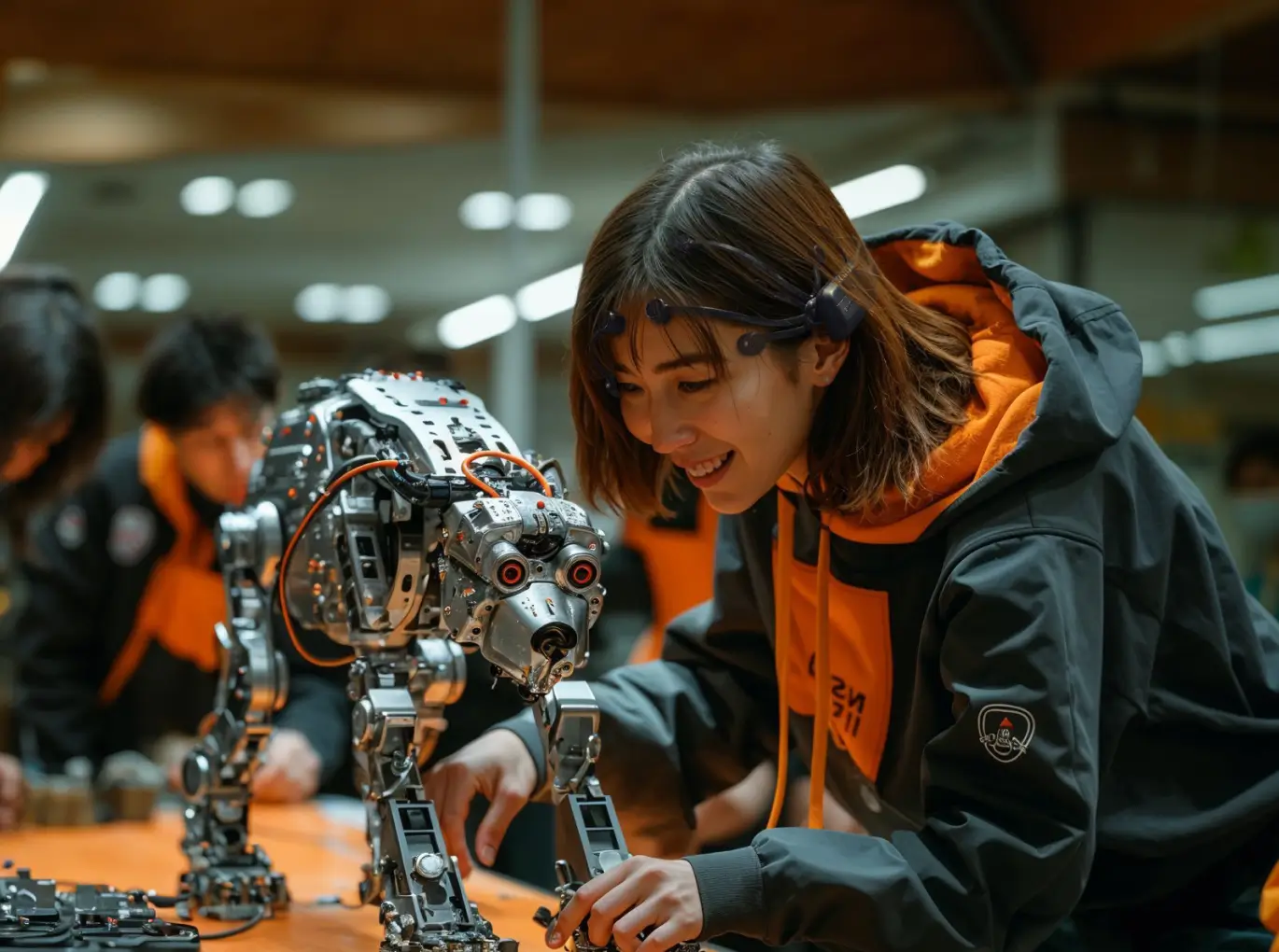
Brain-computer interface technology is no longer confined to research laboratories or science fiction.
Today, brain-computer interfaces (BCIs) are helping people communicate, control devices, create art, compose music, explore virtual worlds, recover from injury, and build entirely new ways of interacting with technology.
Using non-invasive EEG technology, brain-computer interfaces translate patterns of brain activity into commands, insights, or adaptive experiences. As EEG headsets become more portable and accessible, developers, researchers, artists, educators, and consumers are discovering new possibilities for brain-computer interface applications.
Here are some of the most exciting real-world brain-computer interface applications already being explored today.
1. Accessibility and Communication
One of the most impactful brain-computer interface applications is helping individuals with severe motor impairments communicate and interact with the world around them. Brain-computer interfaces can translate brain activity into commands that allow users to select letters, operate communication software, or interact with digital systems without traditional input devices.
For individuals living with paralysis, ALS, spinal cord injuries, or other mobility challenges, BCIs offer new opportunities for independence and connection.
Example: The Imagination Centre program in Glenrose Hospital provides child development rehabilitation for those with severe mental and physical disabilities. Their BCI program gives these children self-actualization through painting, video games, brainwave-powered wheelchairs, and more.
2. Mobility and Environmental Control
Brain-computer interfaces can be used to control wheelchairs, smart home systems, and other connected devices using brain-driven commands. By connecting brain activity to external technologies, BCIs can help users perform everyday tasks such as adjusting lighting, controlling appliances, or navigating digital environments.
Example: Rodrigo Hübner Mendes, founder of Instituto Rodrigo Mendes, works to expand educational opportunities for children with disabilities. In collaboration with Emotiv, he participated in a groundbreaking brain-computer interface project that transformed brain activity into vehicle controls. The result was a world first: Mendes, a quadriplegic, successfully drove a Formula 1 race car using only his thoughts, highlighting how neurotechnology can create new possibilities for accessibility and independence.
3. Robotics and Assistive Technology
Researchers have demonstrated robotic arms, assistive devices, and robotic systems that respond to brain activity. These brain-computer interface applications create opportunities for individuals with physical limitations while also expanding the future of human-machine interaction.
The combination of robotics and BCI technology remains one of the most active areas of neurotechnology research.
Learn how to control a DJI RoboMaster Robot with EmotivBCI
4. Personalized Digital Experiences
What if technology could adapt to how you feel?
Brain-computer interfaces can provide insights into focus, mental effort, engagement, and other cognitive states that may help developers create more responsive experiences. Future applications may include adaptive learning systems, personalized entertainment, and software that adjusts to user engagement in real time.

5. Music Creation and Performance
Artists and musicians have used EEG technology and brain-computer interfaces to generate music, control digital instruments, and create live performances driven by brain activity.
Rather than replacing traditional creativity, BCIs introduce new ways for artists to interact with sound and composition.
This emerging field continues to blur the line between neuroscience and creative expression.
You might also enjoy:
6. Brain-Generated Digital Art
Brain-computer interfaces are increasingly being used in interactive art installations and creative experiences.
Artists have created visual works that evolve based on attention, engagement, and other patterns detected through EEG technology. These projects transform invisible cognitive processes into tangible creative outputs.
7. Fashion and Wearable Experiences
Fashion designers have explored garments and runway experiences that respond to brain activity.
Interactive fashion projects have demonstrated how brain-computer interfaces can influence lighting, visual effects, and wearable experiences in real time. As wearable technology continues to evolve, the intersection of neuroscience, fashion, and BCI technology is creating entirely new forms of self-expression.
8. Hands-On Learning and Education
Brain-computer interfaces are creating new opportunities for experiential learning.
Students can explore neuroscience concepts through real-time demonstrations of attention, engagement, and brain activity, transforming abstract scientific concepts into interactive learning experiences. BCIs are increasingly appearing in classrooms, maker spaces, and educational research programs around the world.
9. Smart Homes and the Internet of Things
Brain-computer interface technology can be integrated with connected devices to create brain-controlled environments.
Applications may include:
Lighting control
Home automation
Entertainment systems
Environmental adjustments
Accessibility tools
As smart homes become more sophisticated, BCIs may become an additional layer of interaction between people and technology. Learn how to use a smart light bulb with EmotivBCI
10. Video Games and Interactive Entertainment
Gaming remains one of the most visible brain-computer interface applications. Developers have created experiences that incorporate focus, cognitive state, and brain-driven commands as part of gameplay. Rather than replacing traditional controllers, brain-computer interfaces add new dimensions to player interaction and immersion.
Master games with thought commands with Emotiv Play
11. Rehabilitation and Recovery
Researchers continue to investigate how brain-computer interfaces may support rehabilitation programs involving motor recovery, physical therapy, and neurofeedback-based training. By creating feedback loops between brain activity and digital systems, BCIs are helping expand what is possible in rehabilitation research.
12. Performance Art and Live Experiences
From concerts and theater productions to interactive exhibits, performers are increasingly incorporating brain activity into live experiences. Brain-computer interfaces enable audiences and performers to participate in experiences where cognitive states become part of the creative medium itself.
These projects demonstrate that brain-computer interfaces are not simply scientific tools. They are becoming platforms for communication, creativity, and human expression.
Building the Next Generation of Brain-Computer Interface Applications
As EEG technology becomes more accessible, brain-computer interfaces are moving beyond laboratories and into everyday life.
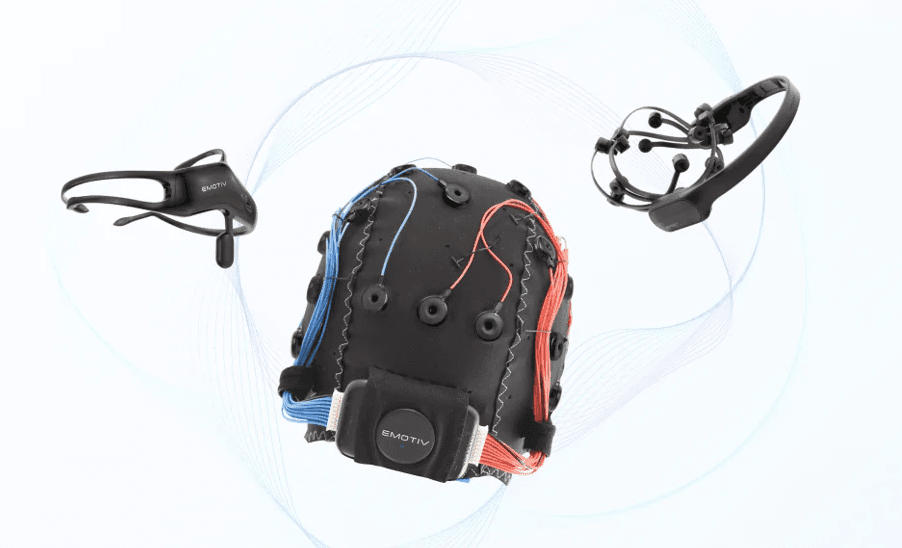
Developers use tools including the Cortex API and EmotivBCI to build new brain-computer interface applications. From accessibility and robotics to wellness, education, gaming, and creative expression, the possibilities for brain-computer interface technology continue to expand.
Explore Brain-Computer Interface Technology
Discover how Emotiv's EEG headsets, software tools, and developer resources are helping bring brain-computer interface applications to life.
Brain-computer interface technology is no longer confined to research laboratories or science fiction.
Today, brain-computer interfaces (BCIs) are helping people communicate, control devices, create art, compose music, explore virtual worlds, recover from injury, and build entirely new ways of interacting with technology.
Using non-invasive EEG technology, brain-computer interfaces translate patterns of brain activity into commands, insights, or adaptive experiences. As EEG headsets become more portable and accessible, developers, researchers, artists, educators, and consumers are discovering new possibilities for brain-computer interface applications.
Here are some of the most exciting real-world brain-computer interface applications already being explored today.
1. Accessibility and Communication
One of the most impactful brain-computer interface applications is helping individuals with severe motor impairments communicate and interact with the world around them. Brain-computer interfaces can translate brain activity into commands that allow users to select letters, operate communication software, or interact with digital systems without traditional input devices.
For individuals living with paralysis, ALS, spinal cord injuries, or other mobility challenges, BCIs offer new opportunities for independence and connection.
Example: The Imagination Centre program in Glenrose Hospital provides child development rehabilitation for those with severe mental and physical disabilities. Their BCI program gives these children self-actualization through painting, video games, brainwave-powered wheelchairs, and more.
2. Mobility and Environmental Control
Brain-computer interfaces can be used to control wheelchairs, smart home systems, and other connected devices using brain-driven commands. By connecting brain activity to external technologies, BCIs can help users perform everyday tasks such as adjusting lighting, controlling appliances, or navigating digital environments.
Example: Rodrigo Hübner Mendes, founder of Instituto Rodrigo Mendes, works to expand educational opportunities for children with disabilities. In collaboration with Emotiv, he participated in a groundbreaking brain-computer interface project that transformed brain activity into vehicle controls. The result was a world first: Mendes, a quadriplegic, successfully drove a Formula 1 race car using only his thoughts, highlighting how neurotechnology can create new possibilities for accessibility and independence.
3. Robotics and Assistive Technology
Researchers have demonstrated robotic arms, assistive devices, and robotic systems that respond to brain activity. These brain-computer interface applications create opportunities for individuals with physical limitations while also expanding the future of human-machine interaction.
The combination of robotics and BCI technology remains one of the most active areas of neurotechnology research.
Learn how to control a DJI RoboMaster Robot with EmotivBCI
4. Personalized Digital Experiences
What if technology could adapt to how you feel?
Brain-computer interfaces can provide insights into focus, mental effort, engagement, and other cognitive states that may help developers create more responsive experiences. Future applications may include adaptive learning systems, personalized entertainment, and software that adjusts to user engagement in real time.
5. Music Creation and Performance
Artists and musicians have used EEG technology and brain-computer interfaces to generate music, control digital instruments, and create live performances driven by brain activity.
Rather than replacing traditional creativity, BCIs introduce new ways for artists to interact with sound and composition.
This emerging field continues to blur the line between neuroscience and creative expression.
You might also enjoy:
6. Brain-Generated Digital Art
Brain-computer interfaces are increasingly being used in interactive art installations and creative experiences.
Artists have created visual works that evolve based on attention, engagement, and other patterns detected through EEG technology. These projects transform invisible cognitive processes into tangible creative outputs.
7. Fashion and Wearable Experiences
Fashion designers have explored garments and runway experiences that respond to brain activity.
Interactive fashion projects have demonstrated how brain-computer interfaces can influence lighting, visual effects, and wearable experiences in real time. As wearable technology continues to evolve, the intersection of neuroscience, fashion, and BCI technology is creating entirely new forms of self-expression.
8. Hands-On Learning and Education
Brain-computer interfaces are creating new opportunities for experiential learning.
Students can explore neuroscience concepts through real-time demonstrations of attention, engagement, and brain activity, transforming abstract scientific concepts into interactive learning experiences. BCIs are increasingly appearing in classrooms, maker spaces, and educational research programs around the world.
9. Smart Homes and the Internet of Things
Brain-computer interface technology can be integrated with connected devices to create brain-controlled environments.
Applications may include:
Lighting control
Home automation
Entertainment systems
Environmental adjustments
Accessibility tools
As smart homes become more sophisticated, BCIs may become an additional layer of interaction between people and technology. Learn how to use a smart light bulb with EmotivBCI
10. Video Games and Interactive Entertainment
Gaming remains one of the most visible brain-computer interface applications. Developers have created experiences that incorporate focus, cognitive state, and brain-driven commands as part of gameplay. Rather than replacing traditional controllers, brain-computer interfaces add new dimensions to player interaction and immersion.
Master games with thought commands with Emotiv Play
11. Rehabilitation and Recovery
Researchers continue to investigate how brain-computer interfaces may support rehabilitation programs involving motor recovery, physical therapy, and neurofeedback-based training. By creating feedback loops between brain activity and digital systems, BCIs are helping expand what is possible in rehabilitation research.
12. Performance Art and Live Experiences
From concerts and theater productions to interactive exhibits, performers are increasingly incorporating brain activity into live experiences. Brain-computer interfaces enable audiences and performers to participate in experiences where cognitive states become part of the creative medium itself.
These projects demonstrate that brain-computer interfaces are not simply scientific tools. They are becoming platforms for communication, creativity, and human expression.
Building the Next Generation of Brain-Computer Interface Applications
As EEG technology becomes more accessible, brain-computer interfaces are moving beyond laboratories and into everyday life.
Developers use tools including the Cortex API and EmotivBCI to build new brain-computer interface applications. From accessibility and robotics to wellness, education, gaming, and creative expression, the possibilities for brain-computer interface technology continue to expand.
Explore Brain-Computer Interface Technology
Discover how Emotiv's EEG headsets, software tools, and developer resources are helping bring brain-computer interface applications to life.
Brain-computer interface technology is no longer confined to research laboratories or science fiction.
Today, brain-computer interfaces (BCIs) are helping people communicate, control devices, create art, compose music, explore virtual worlds, recover from injury, and build entirely new ways of interacting with technology.
Using non-invasive EEG technology, brain-computer interfaces translate patterns of brain activity into commands, insights, or adaptive experiences. As EEG headsets become more portable and accessible, developers, researchers, artists, educators, and consumers are discovering new possibilities for brain-computer interface applications.
Here are some of the most exciting real-world brain-computer interface applications already being explored today.
1. Accessibility and Communication
One of the most impactful brain-computer interface applications is helping individuals with severe motor impairments communicate and interact with the world around them. Brain-computer interfaces can translate brain activity into commands that allow users to select letters, operate communication software, or interact with digital systems without traditional input devices.
For individuals living with paralysis, ALS, spinal cord injuries, or other mobility challenges, BCIs offer new opportunities for independence and connection.
Example: The Imagination Centre program in Glenrose Hospital provides child development rehabilitation for those with severe mental and physical disabilities. Their BCI program gives these children self-actualization through painting, video games, brainwave-powered wheelchairs, and more.
2. Mobility and Environmental Control
Brain-computer interfaces can be used to control wheelchairs, smart home systems, and other connected devices using brain-driven commands. By connecting brain activity to external technologies, BCIs can help users perform everyday tasks such as adjusting lighting, controlling appliances, or navigating digital environments.
Example: Rodrigo Hübner Mendes, founder of Instituto Rodrigo Mendes, works to expand educational opportunities for children with disabilities. In collaboration with Emotiv, he participated in a groundbreaking brain-computer interface project that transformed brain activity into vehicle controls. The result was a world first: Mendes, a quadriplegic, successfully drove a Formula 1 race car using only his thoughts, highlighting how neurotechnology can create new possibilities for accessibility and independence.
3. Robotics and Assistive Technology
Researchers have demonstrated robotic arms, assistive devices, and robotic systems that respond to brain activity. These brain-computer interface applications create opportunities for individuals with physical limitations while also expanding the future of human-machine interaction.
The combination of robotics and BCI technology remains one of the most active areas of neurotechnology research.
Learn how to control a DJI RoboMaster Robot with EmotivBCI
4. Personalized Digital Experiences
What if technology could adapt to how you feel?
Brain-computer interfaces can provide insights into focus, mental effort, engagement, and other cognitive states that may help developers create more responsive experiences. Future applications may include adaptive learning systems, personalized entertainment, and software that adjusts to user engagement in real time.
5. Music Creation and Performance
Artists and musicians have used EEG technology and brain-computer interfaces to generate music, control digital instruments, and create live performances driven by brain activity.
Rather than replacing traditional creativity, BCIs introduce new ways for artists to interact with sound and composition.
This emerging field continues to blur the line between neuroscience and creative expression.
You might also enjoy:
6. Brain-Generated Digital Art
Brain-computer interfaces are increasingly being used in interactive art installations and creative experiences.
Artists have created visual works that evolve based on attention, engagement, and other patterns detected through EEG technology. These projects transform invisible cognitive processes into tangible creative outputs.
7. Fashion and Wearable Experiences
Fashion designers have explored garments and runway experiences that respond to brain activity.
Interactive fashion projects have demonstrated how brain-computer interfaces can influence lighting, visual effects, and wearable experiences in real time. As wearable technology continues to evolve, the intersection of neuroscience, fashion, and BCI technology is creating entirely new forms of self-expression.
8. Hands-On Learning and Education
Brain-computer interfaces are creating new opportunities for experiential learning.
Students can explore neuroscience concepts through real-time demonstrations of attention, engagement, and brain activity, transforming abstract scientific concepts into interactive learning experiences. BCIs are increasingly appearing in classrooms, maker spaces, and educational research programs around the world.
9. Smart Homes and the Internet of Things
Brain-computer interface technology can be integrated with connected devices to create brain-controlled environments.
Applications may include:
Lighting control
Home automation
Entertainment systems
Environmental adjustments
Accessibility tools
As smart homes become more sophisticated, BCIs may become an additional layer of interaction between people and technology. Learn how to use a smart light bulb with EmotivBCI
10. Video Games and Interactive Entertainment
Gaming remains one of the most visible brain-computer interface applications. Developers have created experiences that incorporate focus, cognitive state, and brain-driven commands as part of gameplay. Rather than replacing traditional controllers, brain-computer interfaces add new dimensions to player interaction and immersion.
Master games with thought commands with Emotiv Play
11. Rehabilitation and Recovery
Researchers continue to investigate how brain-computer interfaces may support rehabilitation programs involving motor recovery, physical therapy, and neurofeedback-based training. By creating feedback loops between brain activity and digital systems, BCIs are helping expand what is possible in rehabilitation research.
12. Performance Art and Live Experiences
From concerts and theater productions to interactive exhibits, performers are increasingly incorporating brain activity into live experiences. Brain-computer interfaces enable audiences and performers to participate in experiences where cognitive states become part of the creative medium itself.
These projects demonstrate that brain-computer interfaces are not simply scientific tools. They are becoming platforms for communication, creativity, and human expression.
Building the Next Generation of Brain-Computer Interface Applications
As EEG technology becomes more accessible, brain-computer interfaces are moving beyond laboratories and into everyday life.
Developers use tools including the Cortex API and EmotivBCI to build new brain-computer interface applications. From accessibility and robotics to wellness, education, gaming, and creative expression, the possibilities for brain-computer interface technology continue to expand.
Explore Brain-Computer Interface Technology
Discover how Emotiv's EEG headsets, software tools, and developer resources are helping bring brain-computer interface applications to life.
Continue reading