لفترة طويلة، كان التحقق مما إذا كان لدى شخص ما اضطراب قلق يتضمن في الغالب التحدث معه ومعرفة كيفية إجابته عن الأسئلة. لكن العلماء يبحثون دائمًا عن طرق أكثر متانة لفهم ما يحدث. إنهم يستكشفون أمورًا مثل النظر إلى نشاط الدماغ باستخدام المسح، والتحقق من بعض المؤشرات في الجسم.
تتناول هذه المقالة بعض هذه الأساليب الأحدث، مثل ما قد يُظهره تخطيط كهربية الدماغ (EEG)، وما إذا كانت مستويات الهرمونات تخبرنا بأي شيء، وكيف نتصرف عندما نشعر بالقلق.
هل يمكن تشخيص القلق باستخدام مؤشرات حيوية موضوعية؟
لماذا يتجه العلماء نحو آفاق أبعد من بيانات القلق المبلّغ عنها ذاتياً؟
لفترة طويلة، كان تحديد ما إذا كان شخص ما يعاني من اضطراب القلق يعتمد في الغالب على التحدث معه. يسأل الأطباء الأسئلة، ويصف المرضى شعورهم.
في حين أن هذا لا يزال جزءاً مهماً جداً من التشخيص، إلا أن له بعض الحدود. فما يعتبره شخص ما "قلقاً شديداً" قد يختلف بالنسبة لشخص آخر.
بجانب ذلك، قد لا يتمكن الأشخاص في بعض الأحيان من صياغة مشاعرهم في كلمات بوضوح، أو قد لا يدركون حتى مدى تأثير القلق عليهم. وهنا يأتي دور علماء الأعصاب، حيث يبحثون عن طرق أكثر موضوعية لقياس القلق. إنهم يريدون العثور على علامات بيولوجية، أو مؤشرات حيوية، يمكنها تقديم صورة أوضح، بمعزل عما يبلغ عنه الشخص.
فكر في الأمر على هذا النحو: إذا اشتبه طبيب في وجود كسر في العظام، فإنه لا يسأل المريض فقط عما إذا كان يشعر بالكسر. بل يستخدم الأشعة السينية التي تُظهر تغيراً جسدياً.
يأمل باحثو علم الأعصاب في العثور على علامات جسدية أو كيميائية مماثلة للقلق. قد يساعد هذا في جعل التشخيصات أكثر اتساقاً وربما حتى اكتشاف القلق في وقت مبكر.
كيف يختلف اختبار القلق بين الممارسة السريرية ومختبرات الأبحاث؟
من المهم أن نفهم أن ما يحدث في مختبر الأبحاث غالباً ما يختلف تماماً عن زيارة الطبيب العادية.
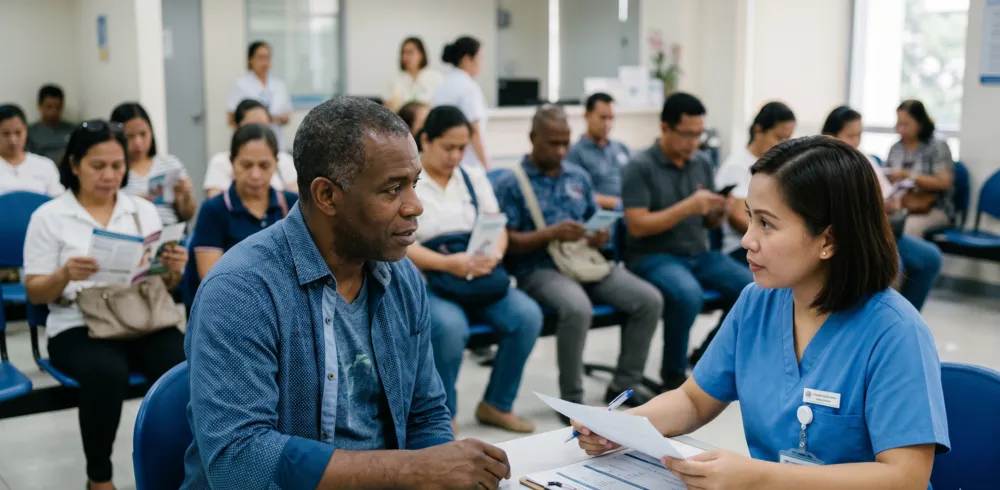
في الوقت الحالي، وفي معظم العيادات، لا يزال تشخيص اضطراب القلق يعتمد على معايير وطرق معتمدة، مثل تلك الموجودة في الدليل التشخيصي والإحصائي للاضطرابات العقلية (DSM). ويتضمن ذلك مقابلات واستبيانات مفصلة. هذه الأدوات جيدة، لكنها لا تزال تعتمد على ما يقوله المريض وكيف يلاحظه الطبيب.
أما في الأبحاث، فإن العلماء يستكشفون مجموعة أوسع من المؤشرات المحتملة. قد يبحثون في أمور مثل مستويات الهرمونات في اللعاب أو الدم، أو أنماط معينة في نشاط الدماغ يتم رصدها بواسطة مخطط كهربائية الدماغ (EEG)، أو حتى الاستعدادات الوراثية.
غالباً ما تكون طرق البحث هذه أكثر تعقيداً وقد تتطلب معدات متخصصة أو اختبارات معملية ليست معتمدة بعد في الرعاية السريرية اليومية. والهدف من هذا البحث هو العثور على مؤشرات يمكن استخدامها في النهاية في العيادات لدعم التشخيص، أو تتبع مدى نجاح العلاجات، أو حتى التنبؤ بمن قد يكون أكثر عرضة للخطر.
كيف يمكن لفحوصات الدماغ والنشاط الكهربائي أن تساعد في الكشف عن القلق؟
ماذا يكشف مخطط كهربائية الدماغ عن أنماط موجات الدماغ المقلقة؟
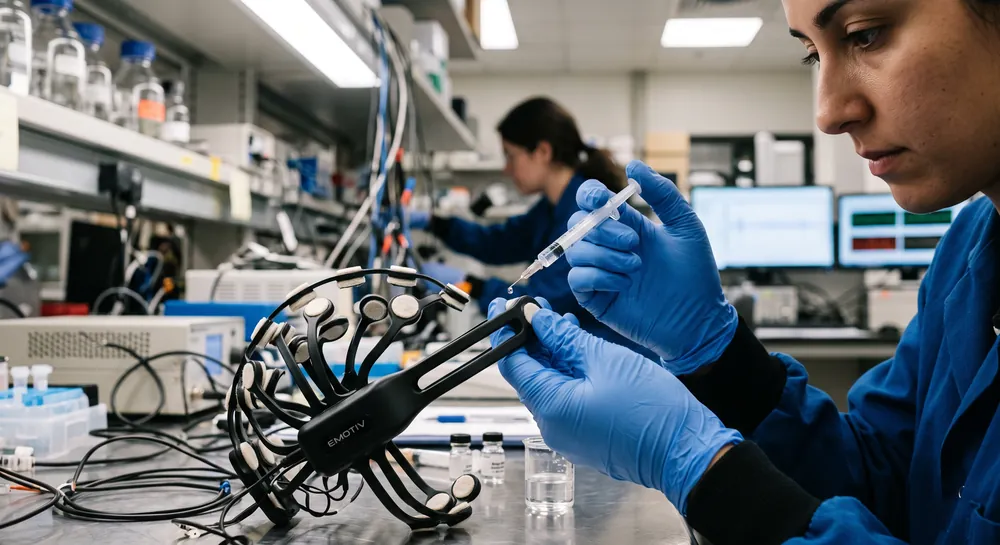
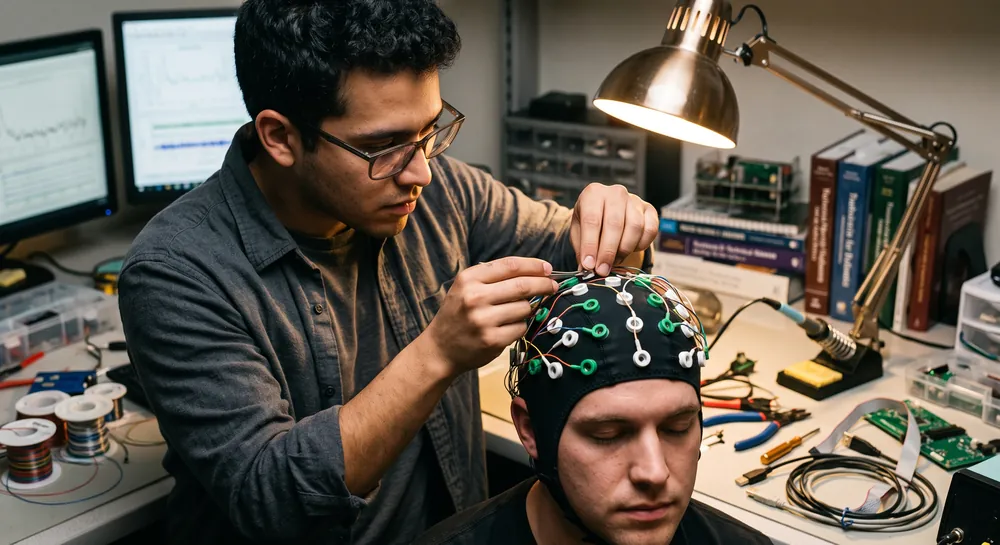
مخطط كهربائية الدماغ، أو EEG، هو وسيلة للنظر في النشاط الكهربائي للدماغ. فكر في الأمر وكأنه استماع إلى ثرثرة الدماغ. يتم وضع أجهزة استشعار صغيرة، تسمى أقطاباً كهربائية، على فروة الرأس لالتقاط هذه الإشارات الكهربائية. بالنسبة للقلق، يهتم الباحثون بأنماط معينة قد تظهر.
على سبيل المثال، تبحث بعض الدراسات في توازن ترددات موجات الدماغ المختلفة، مثل موجات ألفا وثيتا، والتي يمكن أن تتغير مع حالات الاسترخاء أو اليقظة. يمكن لمخطط كهربائية الدماغ أن يوضح لنا ما إذا كانت الإيقاعات الكهربائية للدماغ تختلف لدى الأشخاص الذين يعانون من القلق مقارنة بمن لا يعانون منه.
إنها طريقة غير جراحية توفر نظرة جيدة على توقيت نشاط الدماغ.
كيف يتم استخدام الإمكانات المرتبطة بالحدث (ERPs) لتتبع اكتشاف التهديدات؟
الإمكانات المرتبطة بالحدث، أو ERPs، هي نوع خاص من مخطط كهربائية الدماغ. حيث تقيس الاستجابة الكهربائية للدماغ لأحداث معينة.
تخيل أنك تعرض صورة لشخص ما - سيسجل نظام الـ ERP رد فعل الدماغ لرؤية تلك الصورة بعد بضع أجزاء من الألف من الثانية. وفي سياق القلق، قد يعرض الباحثون صوراً أو أصواتاً محايدة أو يحتمل أن تكون مهددة. ثم ينظرون في كيفية استجابة الدماغ لهذه المحفزات.
على سبيل المثال، قد يظهر مكون الـ ERP المسمى P300، المرتبط بالانتباه ومعالجة المعلومات، بعض الاختلافات. قد يكون لدى الأشخاص الذين يعانون من القلق استجابة P300 مختلفة للمحفزات المرتبطة بالتهديد، وربما يظهرون رد فعل أقوى أو أسرع. وهذا يساعد العلماء على فهم كيفية معالجة الدماغ القلق للمخاطر المحتملة.
هل يُستخدم الارتجاع العصبي كاختبار تشخيصي أم كعلاج للقلق؟
يعتبر الارتجاع العصبي حالة فريدة إلى حد ما. فهو يستخدم مخطط كهربائية الدماغ لتقديم تغذية راجعة في الوقت الفعلي للشخص حول نشاط دماغه.
على سبيل المثال، إذا أظهر مخطط كهربائية الدماغ نمطاً مرتبطاً بالقلق، فقد يعطي النظام إشارة (مثل صوت أو تلميح بصري) لمساعدة الشخص على تعلم تغيير هذا النمط. ومع أنه يستخدم قياس موجات الدماغ، إلا أنه يعتبر عموماً طريقة علاجية أو تدريبية أكثر من كونه اختباراً تشخيصياً.
الهدف هو مساعدة الأشخاص على تعلم تنظيم نشاط دماغهم ذاتياً. ومع ذلك، فإن البيانات التي يتم جمعها أثناء جلسات الارتجاع العصبي قد توفر رؤى (Insight) حول أنماط دماغ الفرد المتعلقة بالقلق، مما قد يفيد في طرق التقييم المستقبلية.
ما هي الأدلة البيوكميائية والهرمونات المرتبطة بالقلق؟
بعيداً عن المقابلات والتقارير الذاتية، يستكشف العلماء الكيمياء الداخلية للجسم بحثاً عن علامات القلق. ويتضمن ذلك النظر في الهرمونات وحتى جيناتنا لفهم الأسس البيولوجية لاضطرابات القلق.
كيف تقيس اختبارات مستوى الكورتيزول استجابة الجسم للإجهاد؟
الكورتيزول هو هرمون تنتجه الغدد الكظرية، وغالباً ما يطلق عليه "هرمون الإجهاد". عندما نشعر بوجود تهديد، يفرز جسمنا الكورتيزول، مما يجهزنا للـ "كر أو الفر". وفي اضطرابات القلق، يمكن أن يصاب هذا النظام بالخلل.
غالباً ما يقيس الباحثون مستويات الكورتيزول في اللعاب أو الدم أو البول لتقييم استجابة الجسم للإجهاد.
يمكن رؤية مستويات الكورتيزول المرتفعة في المراحل الأولية لبعض حالات القلق، مما قد يكون مؤشراً على الإجهاد المستمر.
بمرور الوقت، وفي بعض حالات القلق المزمن، قد تنخفض مستويات الكورتيزول بالفعل، مما يمكن مراقبته لتتبع تطور حالة الدماغ.
يمكن لنمط إفراز الكورتيزول على مدار اليوم، وليس مجرد قياس واحد، أن يوفر معلومات أكثر تفصيلاً حول تنظيم الجسم للإجهاد.
في حين أن اختبار الكورتيزول يمكن أن يقدم رؤى (Insight)، فمن المهم تذكر أن عوامل كثيرة يمكن أن تؤثر على مستوياته، بما في ذلك النوم والنظام الغذائي والحالات الطبية الأخرى. لذلك، يتم النظر إليه عادةً إلى جانب طرق التقييم الأخرى.
هل يمكن لاختبار جيني أن يتنبأ بخطر إصابتك بالقلق؟
تلعب الوراثة دوراً في مدى قابلية الشخص للإصابة باضطرابات القلق. وعلى الرغم من عدم وجود "جين قلق" واحد، إلا أن الأبحاث حددت اختلافات جينية معينة قد تزيد من خطر إصابة الفرد. يمكن أن تؤثر هذه الاختلافات على كيفية عمل الدماغ، لا سيما في المناطق المرتبطة بالمزاج والإجهاد.
يعد التاريخ العائلي عاملاً مهماً؛ فإذا كانت اضطرابات القلق شائعة في عائلتك، فقد يكون خطرك الشخصي أعلى.
الأبحاث مستمرة لتحديد تركيبات جينية معينة قد تهيئ الأفراد للقلق.
لا يزال الاختبار الجيني لخطر القلق في مرحلة البحث إلى حد كبير وليس أداة تشخيصية معتمدة.
من الضروري فهم أن وجود استعداد جيني لا يضمن إصابة الشخص باضطراب القلق. فتتفاعل العوامل البيئية وتجارب الحياة والعناصر البيولوجية الأخرى مع التأثيرات الجينية. لذلك، يُنظر إلى المعلومات الجينية عادةً على أنها جزء واحد من أحجية أكبر في فهم ملف المخاطر العام للشخص.
ما هي اختبارات القلق السلوكية والقائمة على الأداء الأكثر شيوعاً؟
يستكشف العلماء أيضاً كيفية تصرف الأشخاص وأدائهم في ظل ظروف معينة لفهم القلق. تنظر هذه الطرق في الأفعال وردود الأفعال الملاحظة، مما يوفر منظوراً مختلفاً لتجربة القلق.
كيف يقيس اختبار الانحياز الانتباهي موضع تركيز العينين؟
أحد مجالات الاهتمام هو الانحياز الانتباهي. ويشير هذا إلى ميل الأشخاص المصابين بالقلق إلى إيلاء المزيد من الانتباه للمحفزات المهددة مقارنة بالمحفزات المحايدة أو الإيجابية.
غالباً ما يستخدم الباحثون تقنية تتبع العين لمعرفة أين تطول نظرة الشخص عند عرض صور أو كلمات يمكن اعتبارها مهددة. على سبيل المثال، قد ينظر شخص يعاني من قلق شديد سريعاً إلى صورة عنكبوت أو كلمة مثل "خطر" ثم يجد صعوبة في تحويل انتباهه عنها.
يُعتقد أن هذا "الالتصاق" بالانتباه على إشارات التهديد هو آلية معرفية يمكن أن تحافظ على القلق أو حتى تزيده سوءاً. وقد أظهرت الدراسات أن هذا الانحياز موجود عبر أنواع مختلفة من اضطرابات القلق، على الرغم من أن الطبيعة المحددة لإشارات التهديد قد تختلف.
ما هو اختبار استجابة الجفل المقترنة بالخوف؟
قياس سلوكي آخر هو استجابة الجفل المقترنة بالخوف. يقيس هذا الاختبار كيفية تفاعل الجسم مع ضوضاء مفاجئة وصاخبة (مثير الجفل) عندما يكون الشخص في حالة خوف أو قلق مقارنة بوقت هدوئه. عادة، تجعلك الضوضاء العالية تقفز من مكانك.
ومع ذلك، عندما يعاني شخص ما من الخوف، يمكن أن تتضخم استجابة الجفل لديه. في بيئة المختبر، قد يتضمن ذلك تزويد المشاركين بإشارة محايدة، يتبعها تدفق هواء قوي ومفاجئ.
بعد ذلك، قد يتم عرض إشارة مرتبطة بصدمة خفيفة (إشارة تهديد) ثم الضوضاء العالية. إذا أحدثت الضوضاء العالية رد فعل جسدي أكبر بكثير (مثل رد فعل أقوى لرمش العين) بعد إشارة التهديد مقارنة بالإشارة المحايدة، فهذا يشير إلى وجود خوف أو قلق.
يُعتقد أن هذه الاستجابة هي رد فعل تلقائي مبرمج يمكن تعديله بواسطة حالات القلق. ويستخدم الباحثون هذا لتقييم شدة تكييف الخوف ومستويات القلق.
ما هو مستقبل تكنولوجيا التقييم المستمر للقلق؟
كيف يتم استخدام الأجهزة القابلة للارتداء والتنميط الرقمي لتتبع القلق؟
فكر في كمية المعلومات التي تجمعها هواتفنا وساعاتنا الذكية هذه الأيام. بدأ العلماء في النظر في هذه البيانات - أشياء مثل مدى حركتك، وأنماط نومك، وحتى عدد مرات كتابتك أو استخدامك لتطبيقات معينة - للحصول على صورة أوضح للحالة العقلية للشخص.
يُطلق على هذا اسم التنميط الظاهري الرقمي. الفكرة هي أن التغييرات في سلوكنا الرقمي اليومي قد تشير إلى تحولات في مستويات القلق، وأحياناً حتى قبل أن يلاحظها الشخص بوعي. على سبيل المثال، قد يقل استخدام الشخص الذي يصبح أكثر انعزالاً لهاتفه، أو قد يواجه الشخص الذي يعاني من زيادة القلق صعوبة في النوم، وهو ما يمكن لجهاز قابل للارتداء تتبعه.
يمكن أن يوفر هذا النهج وسيلة لمراقبة القلق خارج العيادة، مما يوفر بيانات مستمرة وواقعية.
ما هو نهج المؤشرات المتعددة لاختبار اضطرابات القلق؟
بات من الواضح أن القلق ليس حالة بسيطة ذات سبب واحد أو طريقة واحدة لقياسها. من المرجح أن يتضمن المستقبل الجمع بين أنواع مختلفة من المعلومات.
وهذا يعني النظر في بيولوجيا الشخص (مثل مستويات الهرمونات أو الاستعدادات الوراثية)، ونشاط دماغه (ربما من خلال تقنيات مخطط كهربائية الدماغ المتقدمة)، وسلوكه (سواء في الاختبارات السريرية أو من خلال البيانات الرقمية).
لا يتوقع أن يكون أي اختبار بمفرده أداة تشخيصية مثالية. بدلاً من ذلك، يعمل الباحثون على إنشاء مجموعات من المؤشرات التي، عند النظر إليها معاً، يمكن أن توفر تقييماً أكثر اكتمالاً ودقة.
يهدف نهج المؤشرات المتعددة هذا إلى اكتشاف القلق في وقت مبكر، وفهم نوعه المحدد وشدته بالنسبة للفرد، والمساعدة في تصميم العلاجات بشكل أكثر فعالية.
ما هي التوقعات المستقبلية للمؤشرات الحيوية السريرية للقلق؟
إذن، أين يتركنا كل هذا مع اختبارات القلق؟ من الواضح أن تحديد مؤشر حيوي واحد ومثالي لاضطرابات القلق هو أمر بعيد المنال، للأسباب الرئيسية بأن هذه الحالات معقدة ويمكن أن تنبع من أشياء كثيرة مختلفة.
يبدو أن مزيجاً من الأساليب، التي تجمع بين ما يراه الأطباء والمؤشرات البيولوجية المختلفة، هو المسار الأكثر منطقية نحو تطوير دماغ سليم. يمكن أن تساعد هذه المؤشرات في رصد القلق مبكراً، خاصة عندما يحتاج شخص ما إلى مساعدة سريعة.
لقد رأينا مؤشرات واعدة في أشياء مثل مكونات اللعاب، واختبارات الدم، وحتى فحوصات الدماغ. وفي حين قد تظهر بعض المؤشرات بشكل أكبر في مراحل معينة من المرض، يمكن لمؤشرات أخرى تتبع كيفية سير العلاج.
التحدي الحقيقي الآن هو جعل هذه الاختبارات بسيطة وبأسعار معقولة ومحددة بما يكفي لتكون مفيدة حقاً في الممارسة الطبية اليومية. وهناك حاجة بالتأكيد إلى مزيد من الأبحاث لتحديد المؤشرات التي تعمل معاً بشكل أفضل وكيف يمكنها توجيه التشخيص والعلاج للأفراد بشكل موثوق.
المراجع
فيرّي، R. A.، ونيلسون، B. D. (2021). استجابة P300 اللمسية للصدمات الكهربائية غير المتوقعة: الارتباط بأعراض القلق، وعدم تحمل عدم اليقين، والذهانية. علم النفس البيولوجي، 162، 108094. https://doi.org/10.1016/j.biopsycho.2021.108094
نيوسوم، P.، رويز، S. G.، غولد، A. L.، باين، D. S.، وأبيند، R. (2023). الجفل المقترن بالخوف يكشف عن تضاؤل تلاشي التهديد في القلق المرضي. المجلة الدولية لعلم وظائف الأعضاء النفسي: المجلة الرسمية للمنظمة الدولية لعلم وظائف الأعضاء النفسي، 183، 81–91. https://doi.org/10.1016/j.ijpsycho.2022.11.011
الأسئلة الشائعة
ما هي المؤشرات الحيوية للقلق؟
المؤشرات الحيوية هي علامات قابلة للقياس في الجسم يمكن أن تشير إلى عملية بيولوجية، أو مرض، أو مدى نجاح العلاج. بالنسبة للقلق، يبحث العلماء عن أشياء مثل مستويات هرمونات معينة، أو مواد كيميائية في الدم أو اللعاب، أو أنماط في فحوصات الدماغ يمكن أن تشير إلى القلق.
لماذا يبحث العلماء عن طرق جديدة لاختبار القلق إلى جانب التحدث مع الطبيب؟
التحدث مع الطبيب أمر مهم، ولكن يصعب أحياناً وصف شعورك بدقة. يريد العلماء العثور على اختبارات موضوعية، مثل اختبارات الدم أو فحوصات الدماغ، التي يمكن أن تساعد في تأكيد التشخيص وفهم مدى شدة القلق، خاصة وأن العديد من الأشخاص الذين يعانون من القلق لا يتم تشخيصهم.
كيف يمكن لفحوصات الدماغ أن تساعد في الكشف عن القلق؟
يمكن لبعض فحوصات الدماغ، مثل مخطط كهربائية الدماغ (EEG)، قياس النشاط الكهربائي في الدماغ. يبحث الباحثون عن أنماط أو اختلافات معينة في كيفية استجابة الدماغ لأشياء معينة، والتي قد تكون مرتبطة بالقلق. على سبيل المثال، يمكن دراسة مدى سرعة وقوة تفاعل أجزاء معينة من الدماغ مع التهديدات المحتملة.
ما هو مخطط كهربائية الدماغ وكيف يُستخدم للقلق؟
مخطط كهربائية الدماغ، أو EEG، هو اختبار يسجل النشاط الكهربائي للدماغ باستخدام أجهزة استشعار صغيرة متصلة بفروة الرأس. يدرس العلماء ما إذا كان يمكن ربط أنماط موجات دماغية معينة يسجلها مخطط كهربائية الدماغ باضطرابات القلق.
هل يمكن لاختبار الدم الكشف عن وجود خطر الإصابة بالقلق؟
يستكشف الباحثون ما إذا كانت مواد معينة في الدم، مثل الهرمونات أو بروتينات معينة، يمكن أن تشير إلى خطر أعلى للإصابة بالقلق أو تعكس المستوى الحالي للقلق. ومع ذلك، فإن هذه الاختبارات لا تزال في الغالب في مرحلة البحث وليست معتمدة بعد للتشخيص.
ما الدور الذي تلعبه هرمونات مثل الكورتيزول في اختبارات القلق؟
الكورتيزول هو هرمون إجهاد. وعلى الرغم من أنه جزء رئيسي من استجابة الجسم للإجهاد، إلا أن مستوياته يمكن أن تتغير. يدرس العلماء كيف يمكن لمستويات الكورتيزول في اللعاب أو الدم أن تشير إلى الإجهاد المستمر أو رد فعل الجسم تجاه القلق.
هل هناك اختبارات جينية للقلق؟
حالياً، لا يوجد اختبار جيني واحد يمكنه الجزم بشكل قاطع بما إذا كان شخص ما سينشأ لديه اضطراب قلق. ومع ذلك، تبحث الأبحاث في كيفية جعل جينات معينة الشخص أكثر عرضة للقلق، وقد يكون هذا جزءاً من تقييمات المخاطر المستقبلية.
ما هي الاختبارات السلوكية للقلق؟
تلاحظ الاختبارات السلوكية كيفية تفاعل الأشخاص في مواقف معينة. على سبيل المثال، تنظر بعض الاختبارات في مكان توجيه انتباه الشخص (مثل التركيز بشكل أكبر على الصور المهددة) أو مدى شدة جفلهم استجابة لضوضاء مفاجئة، وهو ما يمكن أن يختلف لدى الأشخاص المصابين بالقلق.
هل ستحل هذه الاختبارات الجديدة محل مقابلات الأطباء لتشخيص القلق؟
من غير المرجح أن تحل هذه الاختبارات تماماً محل التحدث مع أخصائي الرعاية الصحية. بدلاً من ذلك، من المتوقع أن تعمل جنباً إلى جنب مع المقابلات والتقييمات الأخرى، مما يوفر معلومات أكثر موضوعية لمساعدة الأطباء في إجراء تشخيصات ووضع خطط علاجية أكثر دقة.
تُعد Emotiv شركة رائدة في تقنيات الأعصاب، تساعد على تطوير أبحاث علم الأعصاب من خلال أدوات EEG وبيانات الدماغ سهلة الوصول.
إخلاء مسؤولية طبي: المعلومات المقدمة على هذا الموقع هي لأغراض تعليمية وإعلامية فقط ولا يُقصد بها أن تكون نصيحة طبية أو صحية. قد يحتوي هذا المحتوى على أخطاء ولا ينبغي الاعتماد عليه لاتخاذ قرارات صحية أو طبية أو نمط حياة تغير مجرى الحياة. احرص دائمًا على استشارة طبيبك أو أي مقدم رعاية صحية مؤهل آخر بشأن أي أسئلة قد تكون لديك بخصوص أي حالة طبية أو علاج.
كريستيان بورغوس