القلق تجربة إنسانية شائعة، لكنه بالنسبة للبعض يصبح تحديًا مستمرًا يؤثر في الحياة اليومية. إن فهم ما يسبب القلق في دماغك وجسمك هو الخطوة الأولى نحو التعامل معه. إنه تفاعل معقد بين العوامل البيولوجية، ونشاط الدماغ، وحتى جيناتنا. لنتناول هذه الروابط.
ما هي الأسس البيولوجية للقلق؟
هل ينتج القلق عن مجرد الشعور بالتوتر؟
القلق هو تجربة معقدة تنطوي على ما هو أكثر من مجرد الشعور بالتوتر. إنه حالة دماغية ذات ركائز بيولوجية عميقة، وتؤثر على الدماغ والجسم معاً.
وبينما لا تزال الأسباب الدقيقة قيد البحث، يشير البحث علم الأعصاب إلى وجود مزيج من العوامل. ويمكن أن يشمل ذلك كيفية ترابط أدمغتنا، والناقلات الكيميائية داخلها، وحتى تركيبتنا الجينية.
كيف تؤثر العلاقة بين العقل والجسد على القلق؟
إن الصلة بين الصحة العقلية والجسدية أمر لا يمكن إنكاره، ويُعد القلق مثالاً رئيسياً على هذا الارتباط. عندما نمر بتجربة القلق، فإنها لا تكون مجرد حالة نفسية، بل إنها تطلق سلسلة من الاستجابات الجسدية.
وهذا لأن الدماغ والجسم في تواصل مستمر. وتعمل مسببات التوتر، سواء كانت أحداثاً خارجية أو مخاوف داخلية، على تنشيط نظام استجابة الجسم للتوتر. ويمكن أن يؤدي هذا النظام إلى مجموعة من الأعراض الجسدية، بدءاً من تسارع ضربات القلب إلى مشاكل الجهاز الهضمي.
إن الطريقة التي تعالج بها أدمغتنا التهديدات ورد فعل الجسم اللاحق مترابطان بشكل وثيق في تجربة القلق. وتعني هذه العلاقة ثنائية الاتجاه أن الأحاسيس الجسدية يمكن أن تؤثر على حالتنا الذهنية، والعكس صحيح، مما يخلق دورة قد يكون من الصعب كسرها.
ما هي أجزاء الدماغ الأكثر مشاركة في التسبب بالقلق؟
عندما نتحدث عن القلق، فمن السهل التفكير فيه كشعور مجرد، ولكنه في الواقع عملية معقدة تحدث داخل أدمغتنا. هناك مناطق معينة تشارك بشكل خاص، وتعمل كمنظومة مضبوطة بدقة، أو مفرطة الضبط في بعض الأحيان.
كيف تعمل اللوزة الدماغية كمنظومة إنذار في الدماغ؟
اللوزة الدماغية هي بنية صغيرة تشبه حبة اللوز تقع في عمق الدماغ. فكر فيها كمنظومة الإنذار الرئيسية للدماغ. فهي تبحث باستمرار عن التهديدات المحتملة، سواء كانت حقيقية أو متخيلة.
عندما تكتشف اللوزة الدماغية شيئاً تراه خطيراً، فإنها تنشط بأقصى طاقتها، مما يؤدي إلى استجابة الجسم للضغط النفسي. وهذا يمكن أن يؤدي إلى ذلك الشعور المفاجئ بالخوف أو الذعر.
لدى الأشخاص المعرضين للقلق، قد تكون اللوزة الدماغية حساسة بشكل مفرط، وتتفاعل بقوة أكبر أو بمعدل أكبر مع المحفزات التي قد لا يجدها الآخرون مهددة. ويمكن أن يدفع هذا النشاط المتزايد إلى صعوبة الهدوء بمجرد انطلاق الإنذار.
لماذا غالباً ما تكون القشرة الجبهية أقل فعالية كفرامل في أدمغة القلقين؟
في مقابل وظيفة اللوزة الدماغية المتمثلة في إطلاق الإنذار، توجد القشرة الجبهية، وتقع في مقدمة الدماغ. هذه المنطقة مسؤولة عن التفكير عالي المستوى واتخاذ القرارات والتحكم في الدوافع.
من المفترض أن تعمل كنوع من دواسة الفرامل، مما يساعد على تنظيم استجابات اللوزة الدماغية وتقييم المواقف بشكل أكثر عقلانية. ومع ذلك، في حالات القلق، يمكن أن تصبح هذه المنظومة أقل فعالية.
وقد تجد القشرة الجبهية صعوبة في إبطال إشارات إنذار اللوزة الدماغية، مما يؤدي إلى القلق المستمر وصعوبة في تهدئة الأفكار المقلقة. ويبدو الأمر وكأن دواسة الفرامل لا تعمل بالشكل المطلوب، مما يسمح للإنذار بالاستمرار في الرنين.
ماذا يكشف بحث تخطيط أمواج الدماغ عن نشاط الموجات الدماغية في حالات القلق؟
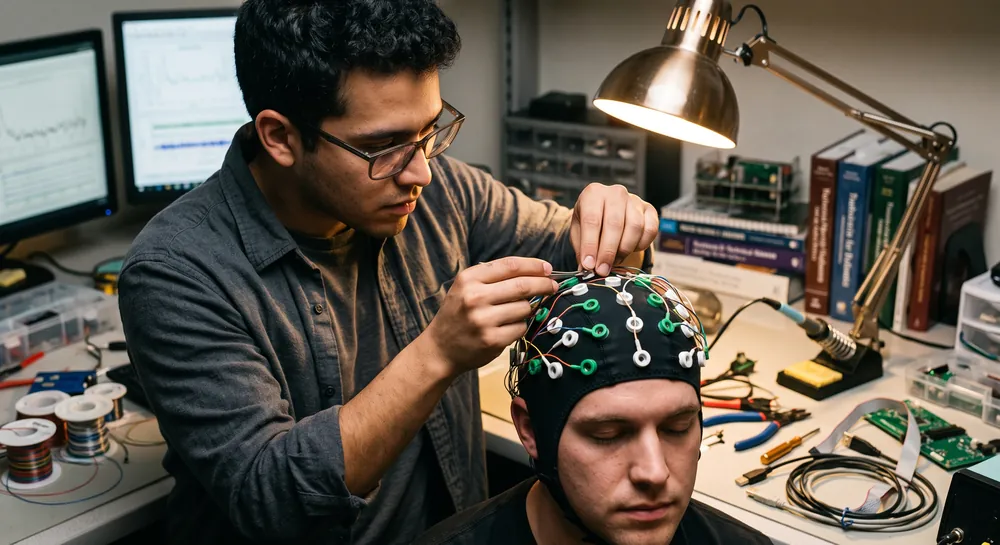
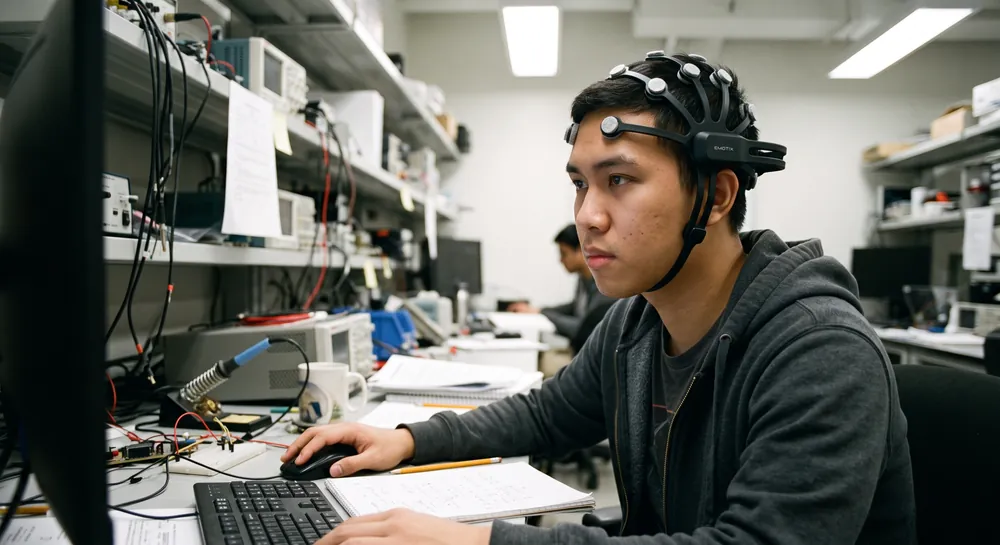
لفهم كيفية تجلي عدم التوازن الوظيفي بين اللوزة الدماغية والقشرة الجبهية في الوقت الفعلي، يلجأ الباحثون كثيراً إلى تخطيط أمواج الدماغ (EEG).
على عكس التصوير الهيكلي، الذي يرسم تشريح الدماغ، يقيس تخطيط أمواج الدماغ النشاط الكهربائي المستمر عبر فروة الرأس، مما يسمح للعلماء بمراقبة استجابة الدماغ للمحفزات ملي ثانية بملي ثانية. وفي الأبحاث السريرية، تُعد هذه الأداة لا تقدر بثمن لتحديد الأنماط الفسيولوجية العصبية المحددة - أو المؤشرات الحيوية الوظيفية - التي تميز حالة الدماغ القلقة، مما يوفر دليلاً ملموساً وقابلاً للقياس على هذه الديناميكيات المعرفية المعقدة.
أحد أكثر النتائج ثباتاً في أبحاث القلق هو ظاهرة تُعرف باسم عدم التماثل الجبهي لموجات ألفا.
غالباً ما تكشف تسجيلات تخطيط أمواج الدماغ عن خلل كهربائي واضح بين الفصين الجبهيين الأيسر والأيمن لدى الأفراد القلقين، وهو ما يربطه العلماء بضعف القدرة على التنظيم العاطفي وزيادة الحساسية للمعلومات السلبية أو المهددة. يوضح هذا التباين القابل للقياس بشكل فعال كفاح القشرة الجبهية لتطبيق "فراملها" التنظيمية.
وعلاوة على ذلك، عندما يعرض الباحثون الأشخاص لإشارات تهديد أو إشارات غامضة، يلتقط تخطيط أمواج الدماغ ارتفاعاً في الجهود المرتبطة بالحدث (ERPs). وتوضح هذه الطفرات الكهربائية اللحظية والمضخمة استجابة توجيهية مفرطة النشاط، مما يوضح بدقة كيف تعطي اللوزة الدماغية المفرطة النشاط الأولوية بسرعة للكشف عن التهديد وتسيطر على شبكات الانتباه في الدماغ قبل أن تتدخل المعالجة المنطقية والواعية.
وبينما تقدم هذه الإشارات الكهربائية رؤى بالغة الأهمية حول البيولوجيا العصبية للقلق، فمن المهم وضع تطبيقها السريري في سياقه الصحيح. لا يزال تخطيط أمواج الدماغ في المقام الأول منهجية بحث واستقصاء تُستخدم لفهم أنماط وظائف الدماغ الواسعة على مستوى المجموعة ولدراسة الآليات الفسيولوجية الأساسية للحالات النفسية.
ولا يُستخدم حالياً كاختبار تشخيصي روتيني ومستقل لتأكيد الإصابة باضطراب القلق خلال التقييم السريري الفردي.
كيف يساهم الحصين والذاكرة في استمرار الخوف؟
الحصين، وهو بنية رئيسية أخرى، يشارك بشكل كبير في تكوين الذاكرة واسترجاعها. وهو يلعب دوراً في وضع الخوف في سياقه.
فعلى سبيل المثال، يساعدنا على تذكر أين ومتى حدث حدث مهدد، مما قد يكون مفيداً لتجنب المخاطر المستقبلية. ومع ذلك، في حالات القلق، يمكن للحصين أيضاً أن يساهم في استمرار الخوف.
قد يربط بين إشارات أو مواقف محايدة وتجارب سلبية سابقة، مما يتسبب في عودة القلق إلى السطح حتى لو انتهى التهديد الأصلي منذ فترة طويلة. ويمكن أن يجعل هذا التمييز بين تهديد حقيقي وشعور بالخطر ناجم عن الذاكرة أمراً صعباً.
كيف تؤثر كيمياء الدماغ والتوازن العصبي على القلق؟
تنطوي العمليات المعقدة للدماغ على نظام معقد من الرسل الكيميائية، تُعرف باسم النواقل العصبية، والتي تساعد على تنظيم المزاج والعواطف والسلوك. عندما تصبح هذه الإشارات الكيميائية غير متوازنة، يمكن أن تسهم بشكل كبير في تجربة القلق.
كيف يساعد الناقل العصبي جابا في تهيئة الدماغ القلق؟
حمض غاما أمينوبوتيريك، أو جابا، هو ناقل عصبي مثبط رئيسي في الجهاز العصبي المركزي. ويتمثل دوره الرئيسي في تقليل الاستثارة العصبية في جميع أنحاء الجهاز العصبي.
فكر فيه كـ "دواسة الفرامل" الطبيعية للدماغ. عندما يعمل جابا بفعالية، فإنه يساعد على تهدئة نشاط الأعصاب، مما يعزز الاسترخاء ويقلل من مشاعر التوتر والقلق.
لدى الأشخاص الذين يعانون من القلق، قد يكون هناك خلل في التنظيم أو انخفاض في فعالية جابا، مما يؤدي إلى زيادة إرسال الإشارات العصبية وشعور متزايد بعدم الارتياح.
ما هو تأثير النوربينفرين على استجابة الكر أو الفر؟
النوربينفرين، المعروف أيضاً باسم نورأدرينالين، هو ناقل عصبي وهرمون يلعب دوراً رئيسياً في استجابة الجسم للـ "كر أو الفر". ويتم إفرازه استجابة للتهديدات أو التوتر المتصور.
يزيد النوربينفرين من معدل ضربات القلب وضغط الدم واليقظة، مما يهيئ الجسم إما لمواجهة الخطر أو الهروب منه. وفي حين أن هذه الاستجابة حيوية للبقاء على قيد الحياة، فإن التنشيط المزمن أو النظام المفرط الحساسية يمكن أن يؤدي إلى مشاعر مستمرة من القلق والاضطراب واليقظة المفرطة.
إن التفاعل بين جابا والنوربينفرين مهم بشكل خاص في إدارة القلق. فعندما يكون جابا منخفضاً أو أقل فعالية، يمكن أن تصبح التأثيرات المثيرة للنوربينفرين أكثر وضوحاً، مما يساهم في الأعراض الجسدية والعقلية المرتبطة بالقلق.
غالباً ما تكون الأدوية التي تستهدف هذه الأنظمة من النواقل العصبية جزءاً من علاج القلق. على سبيل المثال، تعمل بعض الأدوية عن طريق زيادة توفر جابا أو فعاليته، بينما قد تؤثر أدوية أخرى على مسارات النوربينفرين.
وتهدف هذه الأساليب الدوائية إلى استعادة بيئة كيميائية أكثر توازناً في الدماغ، وبالتالي تقليل أعراض القلق.
هل القلق في حمضك النووي؟
هل يمكن للشخص أن يرث استعداداً وراثياً للقلق؟
إنه سؤال شائع: هل القلق شيء نولد به، أم أنه نتيجة لتجارب حياتنا؟ الحقيقة هي أنه غالباً ما يكون مزيجاً من الاثنين معاً.
ورغم أنه لا يمكنك تغيير جيناتك، فإن فهم كيف يمكن أن تؤثر في استعدادك للقلق يمكن أن يكون خطوة مفيدة في إدارته. فكر في الأمر ليس كقدر محتوم، بل كمجموعة من الميول المحتملة التي يمكن أن يشكلها بيئتك وخياراتك.
ماذا يقول البحث العلمي عن جينات القلق المحددة؟
أظهرت الأبحاث أن الوراثة تلعب دوراً بالفعل في اضطرابات القلق. ومع ذلك، فالأمر ليس ببساطة وراثة "جين قلق" واحد.
بدلاً من ذلك، فإنه على الأرجح تفاعل معقد للعديد من الجينات (متعدد الجينات)، يساهم كل منها بجزء صغير في قابليتك العامة للإصابة. وهذا يعني أن وجود تاريخ عائلي من القلق لا يضمن إصابتك به، ولكنه قد يعني أن لديك فرصة أكبر مقارنة بشخص ليس لديه تلك الخلفية الجينية.
قد تؤثر الجينات المختلفة أيضاً على احتمالية الإصابة بأنواع معينة من القلق، مثل اضطراب القلق العام أو اضطراب الهلع.
كيف تعدل تجارب الحياة وعلم التخلق خطر جيناتك للقلق؟
علم التخلق هو دراسة كيفية تأثير سلوكياتك وبيئتك في إحداث تغييرات تؤثر على طريقة عمل جيناتك. هذه التغييرات لا تغير تسلسل الحمض النووي الفعلي، ولكن يمكنها تشغيل الجينات أو إيقافها.
على سبيل المثال، يمكن أن تؤدي أحداث الحياة الكبيرة، لا سيما الأحداث المجهدة أو الصادمة، إلى تعديلات جينية تخلقية. ويمكن لهذه التعديلات، بدورها، أن تؤثر على كيفية استجابة دماغك وجسمك للتوتر ومن المحتمل أن تزيد من خطر إصابتك بالقلق.
والخبر السار هنا هو أنه في حين أن الجينات قد تهيئ الظروف، فإن تجارب حياتك يمكن أن تؤثر بشكل كبير في حدوث ذلك أو منعه. ويعني هذا أيضاً أن التغييرات الإيجابية في نمط الحياة والتدخلات العلاجية يمكن أن تؤثر بشكل محتمل على هذه العلامات التخلقية بمرور الوقت.
كيف ينظم محور HPA استجابة الجسم للتوتر والضغط النفسي؟
عندما تواجه موقفاً مجهداً، يدخل جسمك في حالة تأهب قصوى. هذه عملية بيولوجية معقدة تتضمن شبكة اتصال تُعرف بمحور HPA.
تحسم HPA اختصاراً لـ تحت المهاد والنخامية والكظرية. فكر فيه كمنظومة مركزية لاستجابة جسمك للتوتر.
ما هو التأثير البيولوجي لهرمون الكورتيزول المسبب للتوتر؟
يبدأ محور HPA في الدماغ من تحت المهاد. وعندما يكتشف تهديداً محتملاً، فإنه يرسل إشارات إلى الغدة النخامية، والتي بدورها تطلب من الغدة الكظرية (الموجودة فوق كليتيك) إفراز الهرمونات.
وأكثر هذه الهرمونات شهرة هو الكورتيزول. وغالباً ما يطلق على الكورتيزول "هرمون التوتر" بسبب دوره المركزي في استجابة الكر أو الفر في جسمك.
في الفترات القصيرة، يكون الكورتيزول مفيداً للغاية. فهو يعمل بمثابة آلية البقاء المدمجة في جسمك: فهو يغمر مجرى الدم بالجلوكوز لمنح عضلاتك طاقة فورية، ويزيد من تركيز دماغك، ويزيد من توافر المواد التي تصلح الأنسجة.
وفي الوقت نفسه، فإنه يحد من الوظائف غير الضرورية في مواقف الحياة أو الموت—مما يؤدي مؤقتاً إلى إيقاف جهازك الهضمي وجهازك التناسلي واستجاباتك المناعية.
ما هي مخاطر الإجهاد المزمن على الصحة العقلية والجسدية؟
يعد محور HPA نظاماً رائعاً للأزمات قصيرة المدى. وتظهر المشكلة عندما تظل هذه المنظومة نشطة باستمرار بسبب التوتر والضغط المزمن الذي تفرضه الحياة الحديثة دون هوادة.
عندما تظل منظومة الإنذار بجسدك قيد التشغيل وتظل مستويات الكورتيزول مرتفعة باستمرار، فإن ذلك يؤدي إلى إلحاق ضرر كبير بجسدك. ويمكن أن يؤدي هذا التعرض الطويل إلى سلسلة من المشاكل الصحية، بما في ذلك:
الاضطرابات المعرفية والمزاجية: زيادة القلق، والاكتئاب، وصعوبات في الذاكرة والتركيز والتنظيم العاطفي.
مخاطر الصحة الجسدية: زيادة الوزن (خاصة حول منطقة البطن)، وارتفاع ضغط الدم، وزيادة خطر الإصابة بأمراض القلب.
تثبيط كفاءة الأجهزة: ضعف جهاز المناعة، مما يجعلك أكثر عرضة للإصابة بالعدوى ويبطئ الشفاء البدني.
اضطراب النوم: صعوبة النوم والاستمرار فيه، مما يحرم الجسم من الراحة التي يحتاجها ويزيد من تفاقم دورة التوتر والضغط النفسي.
وفي النهاية، على الرغم من أن الكورتيزول أداة أساسية للبقاء على قيد الحياة، إلا أنه من المفترض أن يكون مؤقتاً. ويُعد السماح لمحور HPA بالهدوء والعودة إلى حالته الطبيعية أمراً بالغ الأهمية لحماية صحتك الجسدية والـ الصحة النفسية على المدى الطويل.
ما هي أهم النقاط المستخلصة فيما يتعلق بجذور القلق؟
لقد استعرضنا كيف يعمل القلق حقاً في الدماغ والجسم. فهو ليس مجرد شيء بسيط واحد، بل مزيج من أشياء مثل جيناتنا، وما يحدث لنا، وكيف تتوازن الكيماويات في دماغنا.
إن استجابة الكر أو الفر، هذا التفاعل السريع مع الخطر، هي جزء كبير منها، ولكن بالنسبة للأشخاص الذين يعانون من اضطرابات القلق، يمكن أن تظل في حالة تشغيل. كما تطرقنا أيضاً إلى كيفية تأثير صحة أمعائنا في ذلك، وكيف يمكن للتوتر، حتى التوتر طويل الأمد، أن يخل بالأمور بشكل كبير.
ومن الواضح أن القلق أمر شائع، وفهم هذه الأجزاء المختلفة يساعدنا على رؤية سبب حدوثه وكيف يمكننا البدء في إدارته بشكل أفضل. ومعرفة العلم وراءه هي الخطوة الأولى نحو الشعور بمزيد من السيطرة.
المراجع
Stein, M. B., Simmons, A. N., Feinstein, J. S., & Paulus, M. P. (2007). Increased amygdala and insula activation during emotion processing in anxiety-prone subjects. American Journal of Psychiatry, 164(2), 318-327. https://doi.org/10.1176/ajp.2007.164.2.318
Davidson, R. J. (2002). Anxiety and affective style: role of prefrontal cortex and amygdala. Biological psychiatry, 51(1), 68-80. https://doi.org/10.1016/S0006-3223(01)01328-2
Al-Ezzi, A., Kamel, N., Faye, I., & Gunaseli, E. (2020). Review of EEG, ERP, and brain connectivity estimators as predictive biomarkers of social anxiety disorder. Frontiers in psychology, 11, 730. https://doi.org/10.3389/fpsyg.2020.00730
Nuss, P. (2015). Anxiety disorders and GABA neurotransmission: a disturbance of modulation. Neuropsychiatric disease and treatment, 165-175. https://doi.org/10.2147/NDT.S58841
Meier, S. M., & Deckert, J. (2019). Genetics of anxiety disorders. Current psychiatry reports, 21(3), 16. https://doi.org/10.1007/s11920-019-1002-7
الأسئلة الشائعة
كيف يؤثر القلق على الدماغ؟
يمكن أن يؤدي القلق إلى جعل أجزاء معينة من دماغك، مثل اللوزة الدماغية (التي تعمل كمنظومة إنذار)، تعمل لوقت إضافي. ويمكنه أيضاً التأثير في القشرة الجبهية، التي من المفترض أن تساعد في التحكم في تلك الإنذارات. وعندما لا تعمل هذه الأجزاء معاً بسلاسة، قد تشعر بمزيد من القلق أو التوتر.
ما هي النواقل العصبية وكيف ترتبط بالقلق؟
النواقل العصبية مثل مرسلات صغيرة في دماغك تساعد الأجزاء المختلفة على التواصل. ويساعد بعضها، مثل جابا، على تهدئتك. وإذا كانت هذه المرسلات غير متوازنة، فقد يجعل ذلك من الصعب على دماغك الاسترخاء، مما يؤدي على الأرجح إلى مزيد من القلق.
هل يمكن أن تسبب جيناتي القلق؟
يمكن أن تلعب الوراثة دوراً في ما إذا كنت أكثر عرضة للشعور بالقلق. وهذا ليس ضماناً، ولكن وجود أفراد من عائلتك يعانون من القلق قد يعني أن لديك فرصة أكبر. ومع ذلك، فإن جيناتك ليست العامل الوحيد، فتجاربك تعني الكثير أيضاً.
ما هو محور HPA وكيف يرتبط بالتوتر والقلق؟
محور HPA هو نظام التوتر الرئيسي في جسمك. عندما تشعر بالتوتر، فإنه يفرز هرمونات مثل الكورتيزول. وفي حين أن هذا مفيد للتوتر قصير المدى، إلا أنه إذا ظل نشطاً لفترة طويلة، فقد يسهم في الشعور المستمر بالقلق والمشاكل الصحية الأخرى.
ما هو الكورتيزول؟
الكورتيزول هرمون يفرزه جسمك عندما تشعر بالتوتر. وغالباً ما يطلق عليه "هرمون التوتر". وبينما يساعد جسمك على التعامل مع التهديدات الفورية، فإن وجود الكثير من الكورتيزول لفترة طويلة جداً يمكن أن يكون ضاراً ويسهم في القلق.
هل القلق في رأسي فقط، أم أنه يؤثر على جسدي أيضاً؟
يؤثر القلق على دماغك وجسمك معاً. ففي دماغك، يمكنه تغيير طريقة تفكيرك وشعورك. وفي جسمك، يمكن أن يسبب أعراضاً جسدية مثل تسارع ضربات القلب، والتنفس السريع، والتعرق، وتشنج العضلات، والتي تُعد جميعها جزءاً من استجابة جسمك الطبيعية للتوتر.
ما هي استجابة الكر أو الفر؟
استجابة الكر أو الفر هي رد فعل جسمك التلقائي للشعور بالتهديد. وهي تهيئك إما لمواجهة الخطر (الكر) أو الهروب منه (الفر). وينطوي هذا على إفراز الهرمونات التي تزيد من معدل ضربات القلب والتنفس والطاقة، والتي يمكن أن تبدو تشبه إلى حد كبير أعراض القلق.
هل يمكن للتجارب الصادمة أن تسبب القلق؟
نعم، فإن التعرض لأحداث مزعجة للغاية أو مخيفة، تسمى صدمة، يمكن أن يزيد بشكل كبير من خطر إصابتك بالقلق. ويمكن لهذه التجارب أن تؤثر بعمق على كيفية تفاعل دماغك وجسمك مع التوتر والتهديدات المتصورة.
كيف يؤدي التوتر المزمن إلى القلق؟
عندما تكون تحت ضغط مستمر، يمكن لنظام التوتر في جسمك أن يستقر في حالة حركة سريعة. ويمكن لهذا التنشيط الطويل أن يجعل دماغك أكثر حساسية للتوتر وأقل قدرة على الهدوء، مما قد يؤدي إلى قلق مستمر.
تُعد Emotiv شركة رائدة في تقنيات الأعصاب، تساعد على تطوير أبحاث علم الأعصاب من خلال أدوات EEG وبيانات الدماغ سهلة الوصول.
إخلاء مسؤولية طبي: المعلومات المقدمة على هذا الموقع هي لأغراض تعليمية وإعلامية فقط ولا يُقصد بها أن تكون نصيحة طبية أو صحية. قد يحتوي هذا المحتوى على أخطاء ولا ينبغي الاعتماد عليه لاتخاذ قرارات صحية أو طبية أو نمط حياة تغير مجرى الحياة. احرص دائمًا على استشارة طبيبك أو أي مقدم رعاية صحية مؤهل آخر بشأن أي أسئلة قد تكون لديك بخصوص أي حالة طبية أو علاج.
كريستيان بورغوس