ההתמודדות עם התקף חרדה יכולה להיות מטרידה מאוד, ולהשאיר אותך מותש ומטולטל. זה כאילו הגוף והנפש שלך עברו אירוע משמעותי, וכעת נשאר לך לאסוף את השברים.
המדריך הזה נועד לעזור לך להבין מה קורה אחרי התקף חרדה ולתת לך צעדים מעשיים כדי להתחיל להרגיש שוב כמו עצמך, ובמקביל לבחון דרכים למנוע אותם בעתיד.
כיצד תוכל להבין את התופעה של "חמרמורת חרדה" (Anxiety Hangover)?
מדוע אתה מרגיש מרוקן וסחוט לאחר התקף?
חוויה של התקף חרדה יכולה להשאיר אדם בתחושת עייפות עמוקה, תופעה המכונה לעיתים קרובות "חמרמורת חרדה". מצב התרוקנות זה הוא תוצאה טבעית של התגובה הפיזיולוגית האינטנסיבית של הגוף במהלך התקף.
כאשר החרדה מסלימה, מערכת העצבים הסימפתטית מופעלת, ומפעילה את תגובת "הילחם או ברח". הדבר כרוך בפריצה של הורמוני לחץ כמו אדרנלין וקורטיזול, המכינים את הגוף לסכנה נתפסת.
מצב מוגבר זה צורך אנרגיה רבה, מה שמוביל לתחושת התרוקנות לאחר מכן. התסמינים הפיזיים, כגון קצב לב מהיר, מתח שרירים ונשימת יתר (היפרוונטילציה), תורמים אף הם לתשישות זו.
הגוף פעל למעשה בקיבולת המקסימלית שלו, והוא זקוק לזמן כדי לחזור למצב הבסיס שלו. תקופת התאוששות זו יכולה להתארך, כאשר עייפות ותחושת לאות כללית נותרות למשך שעות ואף ימים.
כיצד ניתן להתמודד עם פחד מתמשך ודריכות-יתר?
בעקבות התקף חרדה, נפוץ לחוות פחד שיורי ומצב של דריכות-יתר.
דריכות-יתר פירושה להיות במצב מוגבר של מודעות, תוך סריקה מתמדת של הסביבה לאיתור איומים פוטנציאליים. הדבר יכול להתבטא כעצבנות (קפיציות), קושי להירגע, ורגישות מוגברת לגירויים כמו רעשים חזקים או תנועות פתאומיות.
הפחד המתמשך הוא לרוב דאגה מפני חוויית התקף נוסף, מה שעלול ליצור מעגל של חרדה. זאת מכיוון שהגוף נשאר בכוננות, מה שהופך אותו לרגיש יותר לטריגרים עתידיים.
ניהול תחושות אלו שלאחר התקף כרוך בהכרה בנוכחותן ללא שיפוטיות ובשימוש באסטרטגיות שיעזרו למערכת העצבים להירגע. טכניקות קרקוע עדינות ויצירת סביבה בטוחה וצפויה יכולות לסייע בהפחתת התחושה של היותך קצה, ולהשיב בהדרגה תחושת רוגע וביטחון.
איזה טיפול עצמי מיידי מומלץ להתאוששות לאחר התקף?
מתן עדיפות למנוחה ולסביבה מרגיעה
לאחר התקף חרדה, מערכת העצבים נמצאת לרוב במצב של כוננות גבוהה, גם אם התסמינים החריפים שככו. מתן מנוחה מספקת הוא בעל חשיבות עליונה. הדבר עשוי לכלול חיפוש מרחב שקט, עמעום אורות וצמצום גירויים חיצוניים.
יצירת מקלט, בין אם מדובר בכיסא נוח עם שמיכה רכה או בחדר שקט ייעודי, יכולה לאותת על ביטחון לגוף. עיסוק בפעילויות המעודדות הרפיה, כמו האזנה למוזיקה עדינה או תרגול תרגילי נשימה קשובים (מיינדפולנס), יכולים לתמוך עוד יותר בחזרתה של מערכת העצבים למצב רגוע יותר.
הזנת הגוף במזונות פשוטים ובשתייה
התקפי חרדה יכולים להיות מתישים מבחינה פיזית, ולהוביל להתייבשות ולהתרוקנות של משאבי הגוף. החזרת נוזלים באמצעות מים היא צעד פשוט אך יעיל.
כשמדובר במזון, מומלץ לבחור באפשרויות קלות לעיכול ומזינות. הדבר יכול לכלול פחמימות פשוטות כמו טוסט מחיטה מלאה או פירות, שיכולים לסייע בייצוב רמות הסוכר בדם מבלי לדרוש מאמץ עיכול משמעותי.
לרוב מומלץ להימנע מקפאין וממאכלים כבדים ומעובדים במהלך תקופת התאוששות זו, מכיוון שהם עלולים להחמיר תחושות של חרדה או אי נוחות פיזית.
עיסוק בפעילויות עדינות ומרגיעות
ברגע שמבוסס בסיס של מנוחה והזנה, פעילויות עדינות יכולות לסייע בתהליך ההתאוששות. פעילויות אלו צריכות להיות בעלות דרישות נמוכות ולהתמקד בהרגעת הגוף והנפש. דוגמאות כוללות:
מתיחות עדינות: שחרור מתח פיזי שהצטבר אולי במהלך ההתקף.
תרגילי נשימה קשובים: טכניקות כמו נשימת קופסה (שאיפה לארבע, החזקה לארבע, נשיפה לארבע, החזקה לארבע) יכולות לעזור לווסת את הנשימה ולהאט את קצב הלב.
קריאה או האזנה קלה ולא מעוררת: עיסוק בתוכן מרגיע שאינו מעורר מתח נוסף.
פעילויות אלה אינן עוסקות בדחיפה דרך אי-נוחות אלא בשידול עדין של הגוף והנפש לחזור לקראת מצב של נינוחות.
כיצד מזהים טריגרים מבלי לייצר חרדה נוספת?
לאחר התקף חרדה, הרעיון של איתור הגורם שהפעיל אותו עשוי להרגיש מרתיע. המטרה כאן אינה להתעמק בפחד, אלא לאסוף מידע שיכול לסייע במניעת אירועים עתידיים. מדובר בהבנת הדפוסים האישיים שלך כדי שתוכל לנהל אותם טוב יותר.
הכרת הטריגרים שלך היא צעד לקראת החזרת השליטה ושיפור בריאות המוח שלך, ולא סיבה להרגיש חרד יותר.
מהם היתרונות של ניהול יומן פשוט לאחר התקף?
יומן יכול להיות כלי שימושי ביותר. הוא אינו חייב להיות מפואר; מחברת פשוטה או אפילו אפליקציית פתקים בטלפון שלך יספיקו.
המפתח הוא לרשום כמה פרטים זמן קצר לאחר התקף בזמן שהזיכרון עדיין טרי. זה עוזר בזיהוי דפוסים לאורך זמן.
מה כדאי לרשום:
תאריך ושעה: מתי התרחש ההתקף?
מיקום: איפה היית?
פעילות: מה עשית ממש לפני ובמהלך ההתקף?
מחשבות/רגשות: מה עבר לך בראש? אילו רגשות חווית?
תחושות פיזיות: איך הגוף שלך הרגיש?
מה קרה לאחר מכן: כיצד התמודדת, ומתי שככו התסמינים?
מבט לאחור על רישומים אלה יכול לחשוף קשרים בין מצבים מסוימים לתגובות החרדה שלך.
כיצד מזהים טריגרים פנימיים לעומת חיצוניים?
טריגרים יכולים להגיע מחוצה לך או מתוכך. הבנת הבחנה זו יכולה לעזור לך לטפל בהם בצורה יעילה יותר.
טריגרים חיצוניים: אלו הם דברים בסביבה שלך או אירועים ספציפיים. דוגמאות כוללות:
מקומות צפופים
מצבים חברתיים ספציפיים
מועדי הגשה בעבודה
אירועי חדשות
ויכוחים או קונפליקטים
טריגרים פנימיים: אלו הן מחשבות, רגשות או תחושות פיזיות שמקורן בתוכך. דוגמאות כוללות:
דאגה לגבי העתיד
מחשבות של ביקורת עצמית
אי נוחות פיזית או כאב
תחושות של בדידות או עצב
מחשבות פולשניות
לפעמים, טריגר פנימי יכול להוביל לטריגר חיצוני, ולהיפך. לדוגמה, דאגה לגבי מצגת בעבודה (פנימי) עלולה להוביל להימנעות מאירועים חברתיים שבהם עשויים לדבר על עבודה (חיצוני).
מהו "ערמוס טריגרים" (Trigger Stacking) ולחץ מצטבר?
זה נדיר שאירוע בודד יגרום להתקף חרדה משום מקום. לעיתים קרובות יותר, מדובר בהצטברות של לחץ לאורך זמן, המכונה ערמוס טריגרים. תחשוב על זה כמו דלי שמתמלא לאט במים. כל גורם לחץ קטן הוא טיפה, ובסופו של דבר הדלי גולש.
שקול את הגורמים הבאים שיכולים לתרום ללחץ מצטבר:
חוסר שינה: שינה גרועה מפחיתה באופן משמעותי את החוסן שלך בפני לחץ.
תזונה לקויה: דילוג על ארוחות או אכילת מזונות לא מאוזנים יכולים להשפיע על מצב הרוח ורמות האנרגיה שלך.
עומס יתר בלוח הזמנים: ניסיון לעשות יותר מדי ללא זמן מנוחה הולם.
דאגות מתמשכות: חששות מתמידים לגבי כספים, מערכות יחסים, או בריאות נפשית לקויה.
גורמים סביבתיים: רעש, בלגן או טמפרטורות לא נוחות.
חשוב להכיר בכך שגורמי לחץ קטנים מרובים יכולים להשתלב וליצור השפעה גדולה יותר. נקודת מבט זו עוזרת בניהול רמות הלחץ הכלליות במקום רק להגיב לאירועים בודדים.
אם התקפי החרדה תכופים או משפיעים באופן משמעותי על חיי היומיום, התייעצות עם איש מקצוע בתחום הבריאות יכולה לספק הכוונה ותמיכה נוספות.
כיצד בונים תוכנית פרואקטיבית למניעת התקפים עתידיים?
מעבר להתאוששות מיידית, יש צורך ביצירת אסטרטגיה להפחתת התדירות והעוצמה של התקפי חרדה עתידיים. גישה פרואקטיבית זו מתמקדת בבניית חוסן וניהול לחצים לפני שהם מסלימים.
טיפול עצמי עקבי ומודעות קשובה הם מרכיבים מרכזיים במסגרת מניעתית זו.
אילו הרגלים יומיים קטנים יכולים להפחית את הלחץ שלך?
ניתן להתאים את שגרת היומיום כך שתכלול תרגולים המסייעים בניהול רמות הלחץ הכלליות. אלו אינן בדרך כלל התערבויות אינטנסיביות אלא פעולות קטנות ועקביות התומכות במערכת העצבים שלך.
קשיבות (מיינדפולנס) ומדיטציה
פעילות גופנית
תזונה מאוזנת
כיצד ניתן לפתח תוכנית פעולה קבועה לסימני אזהרה מוקדמים?
זיהוי הסימנים המעודנים לכך שהתקף חרדה עלול להתפתח הוא מיומנות חשובה. קיומה של תוכנית שנקבעה מראש יכול לעזור לך להתערב לפני שהתסמינים הופכים למכריעים.
זהה רמזים אישיים: שים לב לאותות פיזיים או נפשיים מוקדמים. זה עשוי לכלול דופק מהיר, מתח שרירים, תחושת אי נוחות או דפוסי חשיבה ספציפיים.
יישם טכניקות קרקוע: כאשר מופיעים סימני אזהרה, עסוק בתרגילי קרקוע. שיטת 5-4-3-2-1 (זיהוי 5 דברים שאתה רואה, 4 דברים שאתה נוגע בהם, 3 דברים שאתה שומע, 2 דברים שאתה מריח ו-1 שאתה טועם) יכולה לעזור להחזיר את המיקוד שלך להווה.
קח הפסקה קצרה: במידת האפשר, תתרחק מהמצב המעורר למשך מספר דקות. זה יכול לכלול מעבר למרחב שקט יותר, תרגול נשימות עמוקות או האזנה למוזיקה מרגיעה.
תנועה קשובה: מתיחות עדינות או הליכה קצרה יכולות לעזור לשחרר מתח פיזי ולשנות את המצב המנטלי שלך.
באיזו נקודה טיפול עצמי כבר אינו מספיק?
בעוד שאסטרטגיות טיפול עצמי הן חזקות, ישנם זמנים שבהם נדרשת תמיכה מקצועית. זיהוי מקרים אלו הוא חלק מגישה מקיפה לניהול חרדה.
תדירות וחומרה: אם התקפי חרדה מתרחשים לעיתים קרובות (למשל, מספר פעמים בשבוע) או שהם חמורים מספיק כדי לשבש באופן משמעותי את חיי היומיום, מומלץ לפנות לעזרה מקצועית.
השפעה על התפקוד: כאשר החרדה מתחילה להפריע לעבודה, למערכות יחסים, לשינה או לתחומים חשובים אחרים בחיים, הדבר מעיד על צורך בתמיכה נוספת.
דאגה מתמשכת: אם אתה חווה דאגה מתמשכת ובלתי נשלטת שקשה לנהל באופן עצמאי, איש מקצוע בתחום בריאות הנפש יכול להציע אסטרטגיות ממוקדות.
הכוונה מקצועית, כגון טיפול (כמו טיפול קוגניטיבי התנהגותי או CBT) או, במקרים מסוימים, טיפול תרופתי, יכולים לספק תמיכה מובנית וכלים לטיפול בדפוסים הבסיסיים התורמים להתקפי חרדה. ספק שירותי בריאות יכול להעריך צרכים אישיים ולהמליץ על התערבויות מתאימות.
כיצד גישות מבוססות-מוח כמו נוירופידבק יכולות לסייע?
מהו נוירופידבק וכיצד הוא קשור לחרדה?
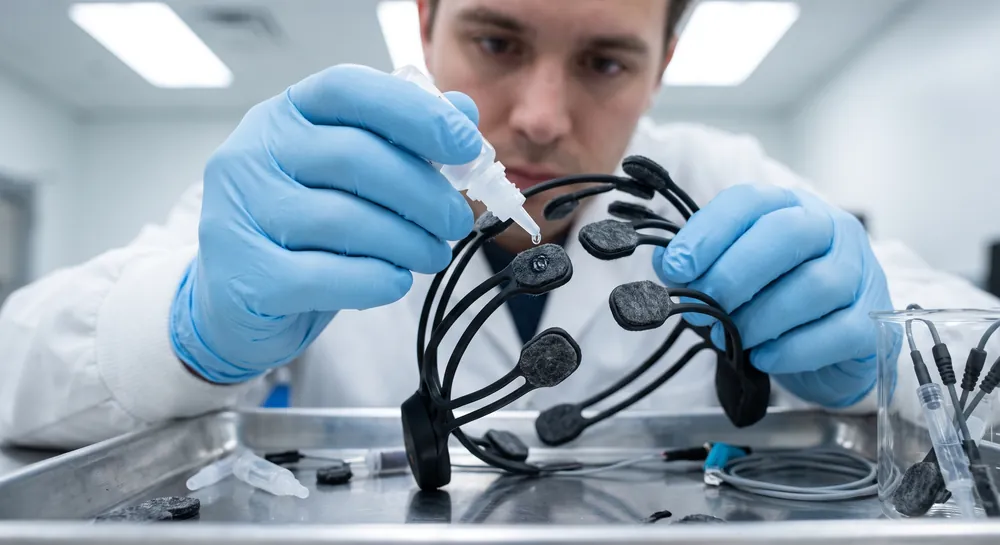
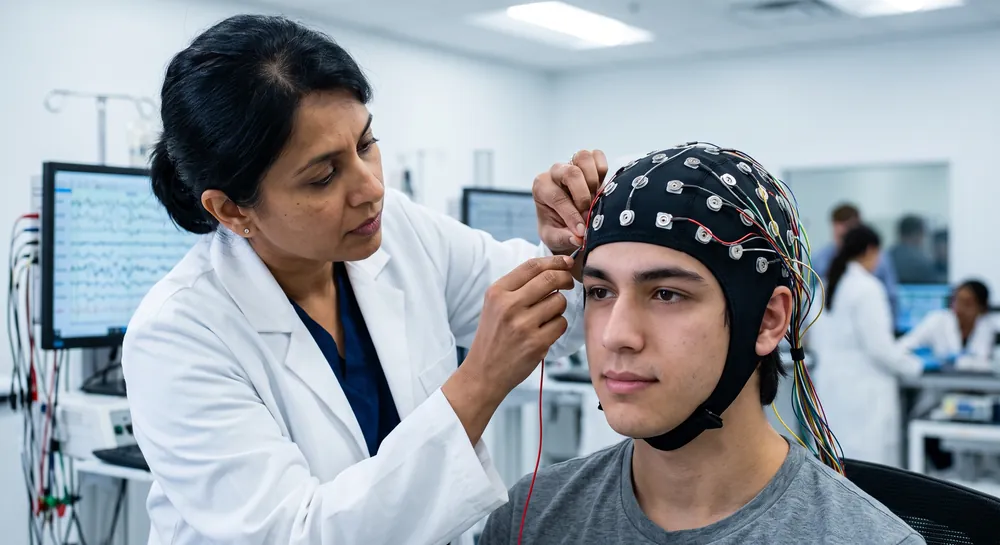
נוירופידבק הוא סוג מיוחד של אימון מוחי המשתמש באלקטרואנצפלוגרפיה (EEG) כדי לספק מידע בזמן אמת על פעילות נוירולוגית.
בהקשר של ניהול חרדה, תהליך זה כולל מדידה של דפוסי גלי המוח הספציפיים—כגון פעילות בטא מוגזמת בתדר גבוה (בדרך כלל 15-30 הרץ)—המקושרים לעיתים קרובות למצבים של עוררות-יתר ופאניקה.
על ידי צפייה בדפוסים אלה בתצוגה דיגיטלית או שמיעתם באמצעות רמזים קוליים, אנשים יכולים לתרגל ויסות עצמי פעיל, תוך ניסיון "לאמן להפחתה" של אותות מתח גבוהים אלה ובמקביל לחזק תדרים רגועים יותר כמו גלי אלפא או תטא.
במקום להיות טיפול סביל מבוסס מדעי המוח, נוירופידבק הוא תרגיל השתתפותי לבניית מיומנות שבו המטרה היא ללמוד כיצד להעביר את המוח באופן יזום למצבים מאוזנים יותר. לאורך זמן, אימון זה שואף להגביר את הגמישות הנוירולוגית, ולסייע למוח להתנגד טוב יותר לפרצי החשמל של "הכל או כלום" המאפיינים התקף חרדה פתאומי.
אילו ראיות קיימות לגבי הציפיות מנוירופידבק?
למרות שהפוטנציאל של אימון מוחי הוא משכנע, חיוני לגשת לנוירופידבק עם ציפיות מציאותיות. כיום הוא מוגדר כתחום מתפתח במסגרת הטיפול הפסיכיאטרי ואינו נחשב לטיפול ראשוני או קו ראשון להפרעות חרדה. הראיות המדעיות לגבי יעילותו לטווח ארוך (במיוחד עמידותם של מצבים נוירולוגיים "מאומנים" אלה) עדיין מתפתחות, ותוצאות קליניות יכולות להשתנות באופן משמעותי בין אדם לאדם.
לכן, יש לראות בנוירופידבק כלי משלים בתוכנית הפרואקטיבית שלך ולא כטיפול עצמאי. לפני התחלת התערבות מסוג זה, חיוני להתייעץ עם איש מקצוע רפואי כדי לוודא שהיא מתאימה לצרכי הבריאות הספציפיים שלך.
יתרה מכך, במידה ותחליט ללכת בנתיב זה, תן עדיפות למציאת מטפל מוסמך ומוסמך-בורד הפועל במסגרת קלינית מוכרת כדי להבטיח את סטנדרטים הגבוהים ביותר של בטיחות וטיפול.
כיצד תוכל להתקדם בעקבות התקף חרדה?
התמודדות עם התקף חרדה יכולה להיות קשה, אך זכור שההתאוששות היא תהליך. על ידי שימוש באסטרטגיות שנדונו—כמו התמקדות בנשימה שלך, קרקוע עצמך ויצירת מרחב רגוע—תוכל לעזור לגוף ולנפש שלך להירגע.
חשוב גם להיות אדיב לעצמך לאחר מכן, להכיר במה שקרה ללא שיפוטיות ולפנות לרשת התמיכה שלך. בניית הרגלים בריאים, כגון פעילות גופנית קבועה, שינה טובה וניהול לחצים, יכולה גם היא לעשות הבדל גדול בהפחתת תדירות ההתקפים הללו.
אם התקפי חרדה ממשיכים להוות בעיה, פנייה לעזרה מקצועית היא צעד חזק לקראת תחושת שליטה רבה יותר ושיפור הרווחה הכללית שלך.
שאלות נפוצות
מהי חמרמורת התקף חרדה?
חמרמורת התקף חרדה היא התחושה שיש לך לאחר שהתקף חרדה חלף. זה כמו להרגיש עייף ומרוקן, בדומה לאופן שבו אתה עשוי להרגיש לאחר שפעת קשה. אתה עלול להרגיש תשישות, מעט רעידות, או פשוט לא לגמרי עצמך לזמן מה.
כמה זמן נמשכת התחושה לאחר התקף חרדה?
התחושות האינטנסיביות במהלך התקף חרדה מסתיימות בדרך כלל תוך 10 עד 30 דקות. עם זאת, תחושת ה'חמרמורת' יכולה להימשך מספר שעות או אפילו יום או יומיים. כל אחד הוא שונה, ולכן זה יכול לקחת פרקי זמן שונים כדי לחזור להרגיש נורמלי.
מהי הדרך הטובה ביותר לנוח לאחר התקף חרדה?
לאחר התקף, תן לעצמך אישור לנוח. מצא מקום שקט ונוח שבו תוכל להירגע. תוכל לשכב, להאזין למוזיקה רגועה, או פשוט לעצום עיניים. המטרה היא ליצור מרחב שליו לגוף ולנפש שלך להתאושש.
האם עלי לאכול או לשתות משהו לאחר התקף חרדה?
כן, זה רעיון טוב לשתות מים כדי להישאר רווי ולאכול משהו קל וקל לעיכול. חשוב על מזונות פשוטים כמו פירות, טוסט או יוגורט. זה עוזר לגוף שלך לחזור למצבו הרגיל ויכול לעזור לך להרגיש קצת יותר מקורקע.
אילו סוגי פעילויות עוזרים לי להרגיש טוב יותר לאחר התקף?
פעילויות עדינות הן הטובות ביותר. דברים כמו מתיחות קלות, הליכה איטית או האזנה למוזיקה מרגיעה יכולים לעזור להקל על מתח השרירים ולהרגיע את נפשך. הימנע מכל דבר מאומץ או תובעני מדי בזמן שאתה מתאושש.
כיצד אוכל להבין מה גרם להתקף החרדה שלי?
אתה יכול לנסות לנהל יומן פשוט לאחר התקף. כתוב מה עשית, חשבת והרגשת ממש לפני שזה קרה. זה יכול לעזור לך לזהות דפוסים לאורך זמן מבלי לגרום לך להרגיש חרד יותר לגבי זה.
מהם טריגרים פנימיים לעומת חיצוניים?
טריגרים חיצוניים הם דברים שקורים סביבך, כמו מקום עמוס או רעש חזק. טריגרים פנימיים הם דברים שקורים בתוכך, כמו מחשבות מדאיגות או תחושות פיזיות. שניהם יכולים להוביל לחרדה.
כיצד אוכל למנוע התקפי חרדה עתידיים?
אתה יכול לבנות תוכנית על ידי הוספת הרגלים קטנים ומרגיעים ליום שלך, כמו נשימות עמוקות או הליכות קצרות. כמו כן, למד לזהות את הסימנים המוקדמים של חרדה כדי שתוכל להשתמש בכלי ההתמודדות שלך לפני שהתקף מחמיר.
מהם כמה הרגלים יומיים להפחתת מתחים?
הרגלים פשוטים כמו נשימות עמוקות ספורות בכל יום, יציאה להליכה קצרה, האזנה למוזיקה או בילוי של מספר דקות בעשיית משהו שאתה נהנה ממנו יכולים לעשות הבדל גדול בניהול הלחץ לאורך זמן.
מתי עלי לפנות לעזרה מקצועית עבור התקפי חרדה?
אם התקפי החרדה שלך מתרחשים לעיתים קרובות, מרגישים חמורים מאוד, או מפריעים לחיי היומיום שלך, זה רעיון טוב לדבר עם רופא או מטפל. הם יכולים להציע תמיכה ולעזור לך למצוא את הדרכים הטובות ביותר לנהל את החרדה שלך.
Emotiv היא מובילה בתחום הנוירוטכנולוגיה המסייעת לקדם מחקר במדעי המוח באמצעות כלי EEG נגישים וכלי נתוני מוח.
הבהרה רפואית: המידע המסופק באתר זה נועד למטרות חינוכיות ואינפורמטיביות בלבד ואינו מיועד לשמש כייעוץ רפואי או בריאותי. תוכן זה עלול להכיל שגיאות ואין להסתמך עליו לצורך קבלת החלטות משנות חיים בנושאי בריאות, רפואה או סגנון חיים. פנה תמיד לקבלת ייעוץ מהרופא שלך או מכל גורם רפואי מוסמך אחר בכל שאלה שעשויה להיות לך בנוגע למצב רפואי או לטיפול.
כריסטיאן בורגוס