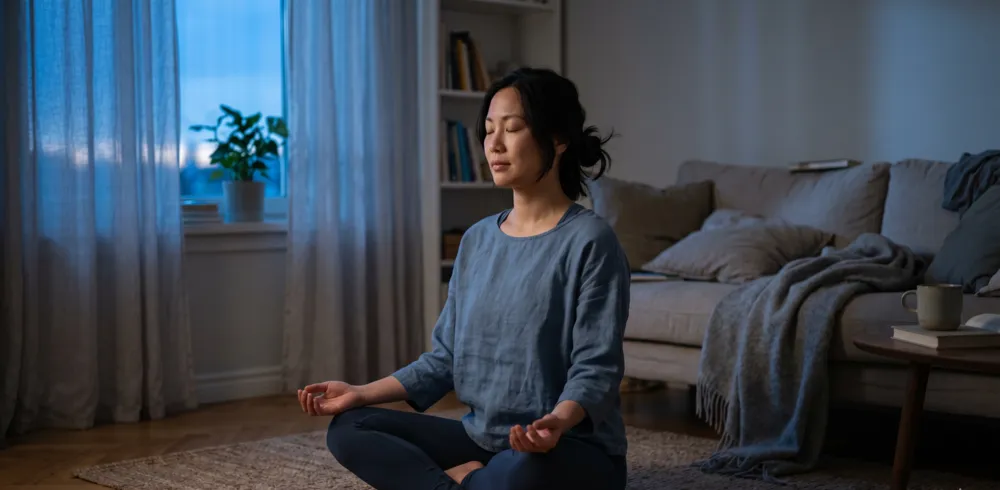
مدیتیشن یک تمرین است که از دیرباز وجود داشته و اساساً دربارهٔ تمرین دادن ذهن شماست. از تکنیکهای مختلفی برای متمرکز کردن توجهتان و آگاهتر شدن از آنچه در درون شما و اطراف شما میگذرد استفاده میکنید. هدف اغلب رسیدن به حالتی از آرامش و شفافیت ذهنی است.
افراد زیادی آن را به دلایل گوناگون امتحان میکنند؛ از کاهش استرس گرفته تا فقط احساس حضور بیشتر در زندگی روزمرهشان.
مدیتیشن چیست؟
مدیتیشن تمرینی است که در آن فرد از یک تکنیک - مانند ذهنآگاهی، یا تمرکز ذهن بر روی یک شیء، فکر یا فعالیت خاص - برای پرورش توجه و آگاهی، و دستیابی به حالتی از نظر ذهنی شفاف و از نظر احساسی آرام و پایدار استفاده میکند. این در واقع راهی برای ورزش دادن به ذهن است.
اگرچه واژه "مدیتیشن" میتواند شامل طیف وسیعی از تمرینها در فرهنگها و سنتهای مختلف باشد، اما یک رشته مشترک در همه آنها وجود دارد که شامل تلاشی آگاهانه برای تنظیم فرآیندهای ذهنی فرد است.
برخی از تعاریف بر اهداف خاصی مانند دستیابی به حالت استراحت عمیق، هوشیاری بالا، یا حتی احساس وجد و سرور تأکید دارند. برخی دیگر بر خود فرآیند تمرکز میکنند و آن را به عنوان یک تکنیک ذهنی ساختاریافته توصیف میکنند که مکرراً تمرین میشود.
صرفنظر از رویکرد خاص، ایده اصلی به دست آوردن کنترل ارادی بیشتر بر وضعیت ذهنی خود است. این خودتنظیمی کلید مزایای بالقوه آن است.
به طور کلی، تکنیکهای مدیتیشن را میتوان به دو نوع اصلی دستهبندی کرد:
مدیتیشن تمرکزی: این روش شامل متمرکز کردن توجه بر روی یک نقطه واحد مانند تنفس، یک کلمه (مانترا)، یا یک شیء است.
مدیتیشن نظارت باز (ذهنآگاهی): این روش شامل توجه کردن به هر آنچه بدون قضاوت به آگاهی شما میآید، از جمله افکار، احساسات و حواس بدنی است.
مهم است بدانید که این دستهها همیشه مانع یکدیگر نیستند و بسیاری از تمرینها عناصری از هر دو را با هم ترکیب میکنند. خود این تمرین اغلب به عنوان راهی برای جدا شدن از تفکر مداوم و خودکار و مشاهده رویدادهای ذهنی بدون غرق شدن در آنها توصیف میشود.
مزایای مدیتیشن
مدیتیشن طیف وسیعی از اثرات مثبت را ارائه میدهد که میتواند بر سلامت روحی و جسمی تأثیر بگذارد. تمرین منظم با کاهش سطح استرس درک شده همراه است و به افراد کمک میکند تا در زندگی روزمره خود احساس راحتی بیشتری داشته باشند. همچنین میتواند منجر به آگاهی بیشتر از افکار و احساسات خود شده و حالت عاطفی متعادلتری را ایجاد کند.
تحقیقات نشان میدهد که مدیتیشن میتواند به بهبود تمرکز و مدت زمان توجه کمک کند. با آموزش دادن به ذهن برای تمرکز، افراد ممکن است تمرکز روی کارها و مدیریت حواسپرتیها را آسانتر بیابند. علاوه بر این، برخی از مطالعات نشان میدهند که مدیتیشن میتواند در مدیریت درد نقش داشته باشد و پتانسیل تغییر نحوه درک بدن از ناراحتی را دارد.
فراتر از جنبههای ذهنی، شواهدی وجود دارد که به تغییرات فیزیولوژیکی مرتبط با مدیتیشن اشاره میکند. این تغییرات میتواند شامل کاهش ضربان قلب، کاهش تولید هورمون استرس در بدن و کاهش سرعت تنفس باشد. این تغییرات فیزیولوژیکی به احساس کلی آرامش کمک میکنند.
مزایای کلیدی که اغلب گزارش میشوند عبارتند از:
کاهش احساس استرس و اضطراب.
بهبود توانایی تمرکز و حفظ آن.
خودآگاهی بیشتر و تنظیم هیجانی بهتر.
پتانسیل برای کیفیت خواب بهتر.
احساس عمومی آرامش و وضوح ذهنی.
چگونه مدیتیشن کنیم
شروع کار با مدیتیشن اغلب سادهتر از آن چیزی است که مردم تصور میکنند، اگرچه میتواند چالشهای خاص خود را نیز به همراه داشته باشد. روشهای مختلفی وجود دارد که هر کدام مزایا و متدهای خاص خود را دارند.
مدیتیشن هدایتشده
مدیتیشن هدایتشده شامل دنبال کردن دستورالعملهای گفتاری است که اغلب توسط یک فایل صوتی ضبطشده یا یک مربی ارائه میشود. این راهنماها معمولاً پرتوجویان را از طریق تکنیکهای مختلف مانند تمرکز بر تنفس، حواس بدنی یا تجسمهای خاص هدایت میکنند.
این رویکرد میتواند به ویژه برای مبتدیان مفید باشد زیرا ساختار و پشتیبانی ارائه میدهد و حضور ذهن و درگیر شدن با فرآیند را آسانتر میکند. این دستورالعملها به هدایت توجه کمک میکنند و هنگام سرگردانی ذهن، آن را به آرامی بازمیگردانند.
اپلیکیشنهای مدیتیشن
اپلیکیشنهای مدیتیشن به ابزاری محبوب برای تمرین مدیتیشن تبدیل شدهاند. آنها طیف وسیعی از ویژگیها را ارائه میدهند، از جمله جلسات هدایتشده برای سطوح مختلف تجربه، تایمرها و ردیابی پیشرفت.
بسیاری از اپلیکیشنها محتوای متنوعی را ارائه میدهند، از تمرینهای کوتاه مقدماتی گرفته تا تمرینهای طولانیتر و عمیقتر. آنها انعطافپذیری لازم را فراهم میکنند و به افراد اجازه میدهند در زمان مناسب خود، چه در خانه و چه در حال حرکت، مدیتیشن کنند.
برخی از اپلیکیشنها همچنین ویژگیهایی مانند یادآوریها را برای کمک به ایجاد یک تمرین مداوم در خود جای دادهاند.
دوره خلوتگزینی مدیتیشن (Retreat)
یک دوره خلوتگزینی مدیتیشن تجربه عمیقی را ارائه میدهد که به تمرین مدیتیشن، اغلب برای یک دوره طولانی اختصاص یافته است. این دورهها معمولاً در محیطی آرام و منزوی برگزار میشوند تا حواسپرتیهای بیرونی به حداقل برسد.
شرکتکنندگان معمولاً یک برنامه ساختاریافته را دنبال میکنند که شامل دورههای مدیتیشن خاموش، فعالیتهای آگاهانه و گاهی اوقات آموزشها یا گفتگوها میشود. این دورهها میتوانند فرصتی برای تعمیق تمرینات شخصی، کسب دیدگاههای جدید و پرورش حس پایدارتری از آرامش و آگاهی به دور از کارهای روزمره فراهم کنند.
تکنیکهای مدیتیشن
راههای زیادی برای تمرین مدیتیشن وجود دارد و تکنیکهای مختلف بر جنبههای مختلف توجه و آگاهی تمرکز دارند. این روشها همیشه مانع یکدیگر نیستند و اغلب میتوانند با هم ترکیب شوند.
مدیتیشن تعالیبخش (Transcendental Meditation)
مدیتیشن تعالیبخش (TM) شکل خاصی از مدیتیشن مانترا است. پرتوجویان یک مانترای شخصیسازیشده، یک صدا یا کلمه را به صورت ذهنی و در سکوت، حدود ۱۵ تا ۲۰ دقیقه دو بار در روز تکرار میکنند.
هدف این تکنیک این است که به ذهن اجازه دهد به طور طبیعی به حالتی از هوشیاری آرام و همراه با استراحت دست یابد. این روش توسط مربیان معتبر آموزش داده میشود و شامل یک دوره ساختاریافته است.
مدیتیشن شفقت و مهربانی (Loving Kindness)
این تمرین که به عنوان مدیتیشن مِتا (Metta) نیز شناخته میشود، بر پرورش احساسات گرم، مهربانی و شفقت نسبت به خود و دیگران تمرکز دارد.
این روش معمولاً شامل تکرار عباراتی در سکوت است که ابراز حسن نیت میکنند؛ تمرین با خود فرد شروع میشود و به تدریج به عزیزان، افراد خنثی، افراد دشوار و در نهایت به همه موجودات گسترش مییابد. هدف توسعه روحیهای گشادهروتر و همدلانهتر است.
مدیتیشن شکرگزاری
مدیتیشن شکرگزاری شامل تمرکز آگاهانه روی چیزهایی است که فرد بابت آنها سپاسگزار است. این کار را میتوان با تامل در مورد افراد، تجربیات یا داراییهای خاصی که شادی یا حمایت به همراه دارند، انجام داد.
این تمرین تغییری در دیدگاه به سمت قدردانی را تشویق میکند که میتواند منجر به افزایش احساسات مثبت و حس رضایت بیشتر شود.
مدیتیشن اسکن بدن
در مدیتیشن اسکن بدن، توجه به طور سیستماتیک به بخشهای مختلف بدن معطوف میشود و هرگونه احساسی بدون قضاوت مورد توجه قرار میگیرد.
این تمرین معمولاً از انگشتان پا شروع میشود و به آرامی از طریق پاها، بالاتنه، بازوها و سر به سمت بالا حرکت میکند. این روش به افزایش آگاهی از حواس فیزیکی کمک میکند و میتواند آرامش و رهایی از تنش را تقویت کند.
مدیتیشن ذن (Zen)
مدیتیشن ذن یا زازن (Zazen)، یک تمرین اصلی در بودیسم ذن است. این روش اغلب شامل نشستن در یک وضعیت خاص، تمرکز بر تنفس، و مشاهده افکار و حواسی است که بدون درگیری ذهنی ایجاد و سپری میشوند.
تأکید بر آگاهی لحظه حال و تجربه مستقیم است که اغلب با تمرکز بر وضعیت بدن و تنفس آگاهانه همراه میباشد.
مدیتیشن چاکرا
مدیتیشن چاکرا بر مراکز انرژی بدن که به نام چاکرا شناخته میشوند، تمرکز دارد. هر چاکرا با جنبههای مختلف سلامت جسمی، احساسی و روحی مرتبط است.
این تمرین اغلب شامل تجسم، کار با تنفس و جملات تاکیدی با هدف متعادل کردن و فعال کردن این مراکز انرژی برای ترویج هماهنگی و سرزندگی است.
مدیتیشن برای اضطراب
تمرینات مدیتیشن به عنوان یک رویکرد مکمل برای مدیریت علائم مرتبط با اضطراب مورد بررسی قرار گرفتهاند. تحقیقات نشان میدهد که تکنیکهای خاص مدیتیشن، به ویژه تمرینهای مبتنی بر ذهنآگاهی، ممکن است مزایایی در کاهش پریشانی روانشناختی ارائه دهند.
مطالعات تأثیر مدیتیشن را بر روی افرادی که در آنها اختلالات اضطرابی تشخیص داده شده است، بررسی کردهاند.
به عنوان مثال، یک فراتحلیل از کارآزماییهای تصادفی کنترلشده، مداخلات مبتنی بر ذهنآگاهی را برای بزرگسالان مبتلا به اختلالات اضطرابی تشخیص داده شده بررسی کرد. در حالی که یافتهها نشان داد این تمرینها میتوانند در کاهش شدت علائم اضطراب موثرتر از درمانهای معمول باشند، نتایج در مورد کاربرد گسترده آن در میان کل جمعیت، متفاوت بود.
ملاحظات کلیدی هنگام بررسی مدیتیشن برای اضطراب عبارتند از:
تداوم تمرین: انجام منظم مدیتیشن اغلب به عنوان عاملی مهم برای تجربه مزایای بالقوه آن ذکر میشود.
نوع مدیتیشن: تکنیکهای مختلف ممکن است نتایج متفاوتی داشته باشند؛ ذهنآگاهی و توجه تمرکزی معمولاً بیشتر مطالعه میشوند.
ادغام با سایر درمانها: مدیتیشن معمولاً به عنوان یک درمان کمکی و نه یک درمان مستقل نگریسته میشود و اغلب در کنار درمانهای متداول مانند رواندرمانی یا دارو استفاده میشود.
اگرچه تحقیقات علوم اعصاب اثرات مثبت بالقوهای را نشان میدهد، اما باید توجه داشت که این رشته هنوز در حال تکامل است و کیفیت و تأثیر طولانیمدت مطالعات میتواند متفاوت باشد.
سنتهای مدیتیشن
تاریخچه مدیتیشن عمیقاً با زمینههای مذهبی و معنوی که برای اولین بار در آنها توسعه یافته، مرتبط است.
اگرچه تعیین دقیق منشأ آن دشوار است، اما اشارات اولیه به تمرینهای مراقبه در متون باستانی هند مانند اوپانیشادها و مهاباراتا، از جمله بهاگاواد گیتا ظاهر شده است. این متون حالتی از آرامش و تمرکز را توصیف میکنند که برای خودشناسی استفاده میشود.
ادیان جنوب آسیا
در جنوب آسیا، مدیتیشن به یکتمرین اصلی در چندین سنت مذهبی بزرگ تبدیل شد. به عنوان مثال، بودیسم به مدیتیشن به عنوان راهی به سوی بیداری و روشنگری مینگرد.
اصطلاحات کلیدی مانند «باوانا» (توسعه و پرورش) و تمرینهایی مانند آگاهی از تنفس (آناپاناساتی) و تمرکز عمیق (جانا/دیانا یا سامادی) محوریت دارند. مکاتب مختلف بودایی، مانند تراوادا و بودیسم تبتی، این تمرینها را حفظ و منطبق کردهاند و روشهای متعددی را برای پرورش ذهنآگاهی و تمرکز توسعه دادهاند.
سنتهای تراوادا اغلب بر توسعه ساماتا (آرامش پایدار) و ویپاسانا (Insight) تمرکز دارند و تکنیکهای بسیاری در متونی مانند ساتیپاتانا سوتا تشریح شده است. بودیسم تبتی این موارد را با تمرینهای تانتریک و تکنیکهای تجسم ادغام کرد.
هندوئیسم نیز مدیتیشن را در بر میگیرد و تمرینهایی مانند دیانا جنبه مهمی از آن هستند. یوگا، سیستم گستردهتری که شامل وضعیتهای فیزیکی و تکنیکهای تنفسی است، اغلب از مدیتیشن به عنوان راهی برای دستیابی به سکون ذهنی و آگاهی معنوی استفاده میکند.
جینیسم، یکی دیگر از ادیان جنوب آسیا، نیز تمرینهای مراقبه خاص خود را دارد که هدف آن رهایی معنوی است.
ادیان ابراهیمی
اگرچه عناصر مدیتیشن در ادیان ابراهیمی به اندازه سنتهای شرقی محوری نیستند، اما میتوان این عناصر را در آنها یافت.
در اسلام، تمرینهایی مانند مراقبه (مدیتیشن صوفیانه) شامل تفکر و یاد خداست که اغلب بر صفات الهی یا حضور او تمرکز دارد.
سنتهای یهودی دارای تمرینهای عرفانی، به ویژه در کابالا هستند که شامل دعا و تجسم مراقبهای است.
مسیحیت نیز دارای تاریخچهای از دعای تاملبرانگیز و سنتهای عرفانی است، مانند هسیکاسم در ارتدکس شرقی، که شامل تمرکز بر دعا و سکون درونی برای دستیابی به اتحاد با خداست.
معنویت مدرن
در دوران معاصر، مدیتیشن در سطح جهانی گسترش یافته و اغلب از زمینههای مذهبی اصلی خود جدا شده است. اواخر قرن نوزدهم و اوایل قرن بیستم شاهد افزایش آگاهی غربیها از طریق رویدادهایی مانند پارلمان ادیان جهان بود.
در دهه ۱۹۶۰، موج جدیدی از علاقه ظهور کرد، زیرا بسیاری از معلمان معنوی آسیایی به غرب آمدند. این امر منجر به توسعه تمرینهای مدیتیشن سکولار شد که اغلب بر کاهش استرس، آرامش و بهزیستی شخصی تمرکز دارند تا اهداف معنوی.
امروزه، ذهنآگاهی، مفهومی برگرفته از مدیتیشن بودایی، به طور گسترده در محیطهای درمانی مختلف و برنامههای محبوب سلامت و تندرستی استفاده میشود. بسیاری از مردم اکنون مدیتیشن را صرفنظر از باورهای مذهبی یا معنوی خود، به عنوان ابزاری برای وضوح ذهنی، تعادل عاطفی و بهبود کلی خود تمرین میکنند.
نگاه به آینده
اگرچه تعریف دقیق مدیتیشن همچنان موضوع بحثهای مداوم است، اما تمرینهای متنوع آن در سراسر فرهنگها و سنتها به تمایل مشترک انسانی برای آموزش دادن به ذهن اشاره دارد.
از متون معنوی باستانی گرفته تا کاوشهای علمی مدرن، تمرکز به طور مداوم به پرورش توجه و آگاهی بازمیگردد. مدیتیشن چه برای Insight معنوی، آرامش ذهنی و چه برای بهزیستی عمومی دنبال شود، مسیری را برای خودتنظیمی بیشتر ارائه میدهد.
همانطور که تحقیقات همچنان ادامه دارد تا اثرات آن را بررسی کند، خود این تمرین یک سفر شخصی برای کشف باقی میماند که با نیازهای فردی سازگار و از طریق تکنیکهای مختلف قابل دسترسی است.
منابع
سمپل، آر. جی. (۲۰۱۰). آیا مدیتیشن ذهنآگاهی توجه را افزایش میدهد؟ یک کارآزمایی تصادفی کنترلشده. ذهنآگاهی، ۱(۲)، ۱۲۱-۱۳۰. https://doi.org/10.1007/s12671-010-0017-2
زیدان، اف.، و واگو، دی. آر. (۲۰۱۶). تسکین درد مبتنی بر مدیتیشن ذهنآگاهی: یک توصیف مکانیستی. سالنامه آکادمی علوم نیویورک، ۱۳۷۳(۱)، ۱۱۴-۱۲۷. https://doi.org/10.1111/nyas.13153
لیو، جی.، وانگ، اچ.، لان، وای.، یوآن، دی.، دو، بی.، ژو، وای.، ... و سان، جی. (۲۰۲۶). اثربخشی مقایسهای مداخلات ورزشی برای اختلالات اضطرابی: یک فراتحلیل شبکه بیزی. مدیریت رفتار و پژوهش روانشناسی، ۵۷۰۲۷۰. https://doi.org/10.2147/PRBM.S570270
پرسشهای متداول
مدیتیشن دقیقاً چیست؟
مدیتیشن راهی برای آموزش ذهن شماست. این کار شامل استفاده از یک روش یا مجموعهای از روشها برای تمرکز توجه و آگاهی شماست. هدف، آرام کردن ذهن، پایدارتر شدن از نظر عاطفی و واکنشپذیری کمتر به افکار و احساسات روزمره است.
آیا راههای مختلفی برای مدیتیشن وجود دارد؟
بله، راههای زیادی وجود دارد. برخی روشها شامل تمرکز روی یک چیز است، مانند تنفس یا یک کلمه (که مدیتیشن تمرکزی نامیده میشود). برخی دیگر شامل توجه کردن به هر چیزی است که بدون قضاوت به ذهن شما خطور میکند (که مدیتیشن ذهنآگاهی نامیده میشود). بسیاری از مردم این رویکردها را با هم ترکیب میکنند.
آیا برای مدیتیشن باید مذهبی باشم؟
اصلاً. در حالی که مدیتیشن ریشه در بسیاری از ادیان مانند بودیسم، هندوئیسم و جینیسم دارد، توسط افراد با هر اعتقادی و همچنین کسانی که مذهبی نیستند نیز تمرین میشود. بسیاری از مردم صرفاً برای کاهش استرس و سلامت ذهنی مدیتیشن میکنند.
چه مدت باید مدیتیشن کنم؟
میتوانید تنها با چند دقیقه در روز، شاید ۵ تا ۱۰ دقیقه شروع کنید. حتی دورههای کوتاه نیز میتوانند مفید باشند. برخی از افراد برای مدت طولانیتری مانند ۲۰ دقیقه دو بار در روز مدیتیشن میکنند، به خصوص اگر در یک دوره خلوتگزینی (Retreat) باشند یا آن را برای خود مفید بیابند. نکته مهم، تداوم و استمرار است.
مزایای اصلی مدیتیشن چیست؟
مدیتیشن میتواند به کاهش استرس و اضطراب، بهبود تمرکز و تقویت سلامت عاطفی کمک کند. همچنین میتواند منجر به خودآگاهی بیشتر و احساس آرامش شود. برخی مطالعات نشان میدهند که حتی ممکن است به مدیریت درد نیز کمک کند.
آیا مدیتیشن میتواند به اضطراب کمک کند؟
بله، بسیاری از مردم مدیتیشن را برای مدیریت اضطراب بسیار مفید میدانند. با یادگیری مشاهده افکار و احساسات خود بدون اینکه غرق آنها شوید، میتوانید واکنش آرامتری به موقعیتهای استرسزا داشته باشید. تکنیکهایی مانند ذهنآگاهی به ویژه برای این منظور مفید هستند.
مدیتیشن هدایتشده چیست؟
مدیتیشن هدایتشده زمانی است که شخصی شما را در طول فرآیند مدیتیشن، به صورت حضوری یا از طریق یک فایل ضبطشده راهنمایی میکند. راهنما ممکن است پیشنهاد کند روی چه چیزی تمرکز کنید، مانند تنفس، یا شما را از طریق تجسم ذهنی یا اسکن بدن هدایت کند. این یک گزینه عالی برای مبتدیان است.
آیا اپلیکیشنهای مدیتیشن مفید هستند؟
اپلیکیشنهای مدیتیشن میتوانند بسیار مفید باشند. آنها مدیتیشنهای هدایتشده، تایمرها و دورههایی را ارائه میدهند که تمرین منظم را آسان میکنند. بسیاری از اپلیکیشنهای محبوب طیف گستردهای از گزینهها را برای نیازها و سطوح مختلف تجربه ارائه میدهند.
مدیتیشن تعالیبخش (TM) چیست؟
مدیتیشن تعالیبخش نوع خاصی از مدیتیشن مانترا است. این روش شامل تکرار بیصدای یک مانترای خاص، یک صدا یا کلمه، برای حدود ۲۰ دقیقه دو بار در روز است. این روش برای کمک به ذهن برای رسیدن به حالتی از استراحت عمیق و آرامش طراحی شده است.
مدیتیشن شفقت و مهربانی چیست؟
مدیتیشن شفقت و مهربانی که به نام مدیتیشن مِتا نیز شناخته میشود، بر پرورش احساسات گرم، مهربانی و شفقت نسبت به خود و دیگران تمرکز دارد. شما معمولاً عباراتی را تکرار میکنید که این آرزوهای خوب را بیان میکنند، ابتدا با خودتان شروع میکنید و سپس آنها را به دیگران تعمیم میدهید.
مدیتیشن اسکن بدن چیست؟
در مدیتیشن اسکن بدن، شما به طور سیستماتیک توجه خود را به بخشهای مختلف بدن خود جلب میکنید و هرگونه حسی را بدون قضاوت مشاهده میکنید. این کار به شما کمک میکند تا از جسم خود آگاهتر شوید و میتواند با رها کردن تنشهایی که شاید حتی از وجودشان بیخبر بودهاید، آرامش را تقویت کند.
آیا میتوانم در حین راه رفتن مدیتیشن کنم؟
مدیتیشن در حال راه رفتن تمرینی است که در آن شش دانگ حواس و توجه خود را روی عمل فیزیکی راه رفتن متمرکز میکنید - حرکت پاهایتان، احساس پاهایتان روی زمین، تنفستان. این راهی برای وارد کردن ذهنآگاهی به فعالیتهای روزمره است و اغلب در سنتهایی مانند بودیسم ذن و تراوادا استفاده میشود.
Emotiv یک شرکت پیشرو در فناوری عصبی است که با ابزارهای در دسترس EEG و دادههای مغزی به پیشبرد پژوهشهای علوم اعصاب کمک میکند.
سلب مسئولیت پزشکی: اطلاعات ارائه شده در این وبسایت صرفاً برای اهداف آموزشی و اطلاعرسانی است و به عنوان توصیه پزشکی یا بهداشتی در نظر گرفته نشده است. این محتوا ممکن است حاوی خطا باشد و نباید برای تصمیمگیریهای حیاتی در زمینه سلامت، پزشکی یا سبک زندگی به آن استناد کرد. همیشه برای هرگونه سؤال در رابطه با یک شرایط پزشکی یا درمان، از پزشک خود یا سایر ارائهدهندگان واجد شرایط مراقبتهای بهداشتی راهنمایی بخواهید.
کریستین بورگوس