Fordern Sie Ihr Gedächtnis heraus! Spielen Sie das neue N-Back-Spiel in der Emotiv-App

  • Fordern Sie Ihr Gedächtnis heraus! Spielen Sie das neue N-Back-Spiel in der Emotiv-App

  • Fordern Sie Ihr Gedächtnis heraus! Spielen Sie das neue N-Back-Spiel in der Emotiv-App

How to Choose the Right Neurofeedback Device

Heidi Duran

Teilen:

We all want to feel more focused, calm, and in control of our mental state, but it’s hard to work on something you can’t see. That’s where this technology comes in. A neurofeedback device gives you a direct, real-time window into your brain’s activity, turning abstract concepts like "focus" into tangible information you can work with. By using simple visual or auditory cues, the system shows you when your brain is in a desired state, reinforcing those patterns through practice. This guide will walk you through what these devices are, how they function, and the different ways they are used, from academic research to personal wellness training.


View Products

Key Takeaways

  • Define your purpose before you choose: Your personal goals determine the right device for you, whether you need a multi-channel headset for detailed academic research or a simpler tool to access wellness exercises.

  • Evaluate the entire system, not just the hardware: The best experience comes from a device with reliable sensors and intuitive software that provides clear feedback and customizable training options.

  • Approach neurofeedback as a skill: Meaningful results come from consistent practice over time, so it's important to set realistic expectations and view the process as a personal training journey rather than a quick fix.

What is a Neurofeedback Device?

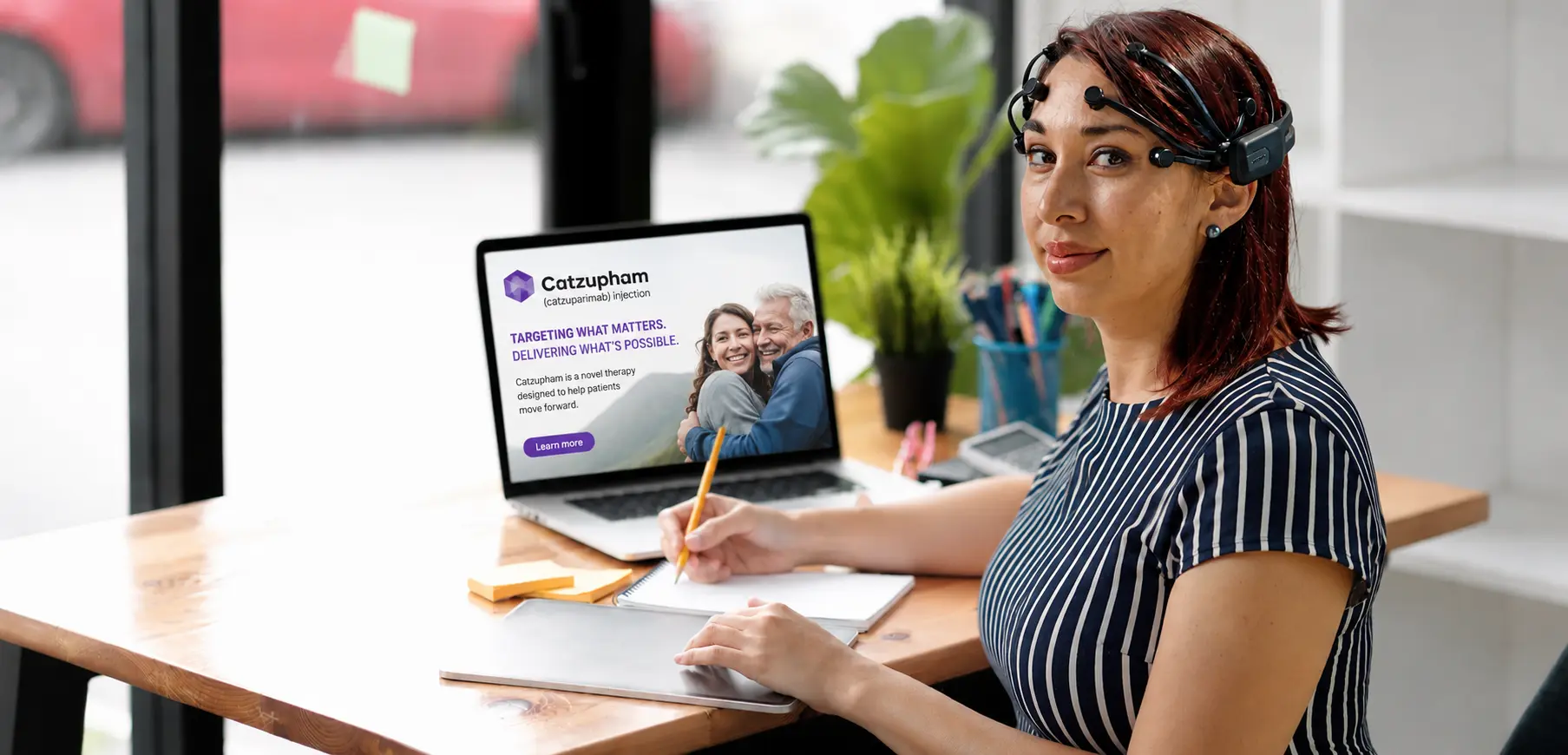
Think of a neurofeedback device as a kind of mirror for your brain. It’s a tool that gives you a real-time look at your brain's activity, allowing you to learn how to guide it. At its core, neurofeedback is a specialized type of biofeedback that focuses specifically on your brainwaves. The process is straightforward: the device measures your brain's electrical signals and then presents that information back to you through visual or auditory cues.

These devices use sensors, most commonly through an electroencephalography (EEG) headset, to capture your brainwave patterns. Our software then translates these complex signals into something simple to understand, like a sound that changes pitch or a game on a screen where you move an object with your focus. This immediate feedback creates a learning loop. When you see or hear the feedback, you can begin to associate it with your internal state.

The fundamental principle of neurofeedback is to help you consciously influence your own brainwave patterns. Over time and with practice, the goal is to train your brain to produce patterns associated with desired states, such as heightened focus or deep relaxation. It’s not about controlling thoughts, but rather about learning to self-regulate the underlying brain activity that supports different mental states. This process gives you a direct way to interact with and understand your own cognitive functions.

A Look at Today's Top Neurofeedback Devices

The world of neurofeedback is diverse, with devices designed for everything from scientific research to daily wellness. To find your fit, it helps to understand the main categories you'll encounter. Knowing the differences is the first step in choosing the right tool for your goals.

Emotiv EEG Headsets: For In-Depth Brain Data

At Emotiv, we focus on accessible tools for anyone seeking in-depth brain data. Our EEG headsets are designed for both personal exploration and professional academic research and education. Whether you're a developer or a researcher, our devices offer detailed insights into brain activity. Our MN8 earbuds offer a convenient entry point, while multi-channel headsets like the Epoc X and Flex provide comprehensive information for advanced projects. We aim to give you a clear, granular look at what's happening, empowering you to explore and innovate.

Devices Focused on Meditation and Wellness

You'll also find devices designed specifically for meditation and general wellness. These tools often help you build a consistent mindfulness practice by providing simple, real-time feedback, like calming sounds that change based on your mental state. They guide you toward relaxation without offering the raw, multi-faceted data needed for research or development. This streamlined approach makes them very approachable for beginners whose primary goal is to support their daily meditation or find a moment of calm. They are a great starting point for anyone new to brain-sensing technology.

Clinical-Grade Systems for Professionals

On the other end are clinical-grade neurofeedback systems. These are specialized, professional tools you'd find in a practitioner's office. Designed for therapeutic applications, these systems often feature a high number of channels for extremely detailed brain data collection and may have official regulatory clearance. They are powerful instruments for trained professionals working with clients on specific goals. Due to their complexity and cost, they aren't intended for personal use but represent the top tier of precision in the neurofeedback field.

Comparing Devices: Features vs. Price

Choosing the right neurofeedback device feels a lot like picking any other piece of tech; it’s all about balancing features with your budget. The price tag on these devices can range from a couple of hundred dollars to several thousand, and that difference comes down to a few key factors. The number of sensors, the quality of the data, the sophistication of the software, and the level of support all play a role in the final cost.

A simple device designed for meditation might be perfect for personal use, but a researcher will need something far more robust. Before you start shopping, it helps to have a clear idea of what you want to accomplish. Are you a developer looking to build a brain-computer interface? A scientist conducting a study? Or are you simply curious about exploring your own focus and relaxation? Answering these questions will help you decide which features are must-haves and which are just nice-to-haves, ensuring you invest in a tool that truly fits your needs.

Understanding Channel Count and Sensor Tech

When you see "channels" mentioned, it’s just another way of talking about the number of sensors on the device. A device with more channels can gather data from more locations on your scalp simultaneously. This gives you a more detailed picture of brain activity across different regions. For example, our portable MN8 earbuds use two channels, which is great for getting started with cognitive wellness tools. For more complex applications, like in-depth academic research, a headset with more channels, like our 14-channel Epoc X or 32-channel Flex, provides much greater spatial resolution. The key is that a good system combines reliable brain sensing with a clear way to see your progress.

Software and Training Protocols

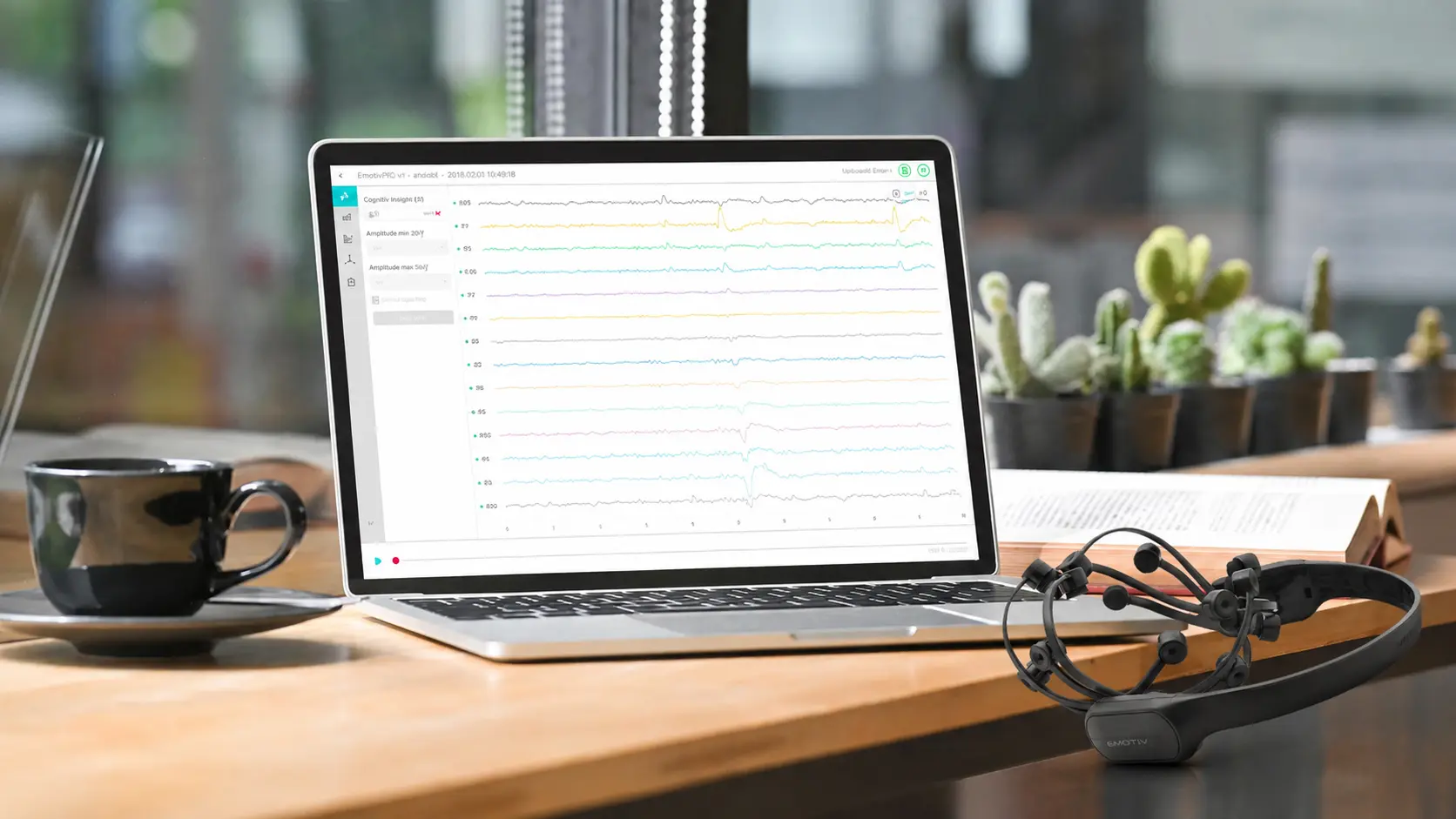
The hardware is only half the story; the software is what turns raw brainwave data into something meaningful. Some devices come with a simple, guided app focused on specific goals like meditation or focus. Others offer a more powerful software suite that gives you complete control. For instance, our EmotivPRO software allows you to see and analyze raw EEG data, which is essential for researchers and developers. The best systems often include a brain assessment, a personalized training plan, and a way to adjust that plan as you make progress. Think about whether you want a guided experience or the flexibility to create your own protocols.

The Importance of Real-Time Feedback

The core idea of neurofeedback is learning through direct feedback. The device measures your brainwaves and provides a signal, often through sound or visuals, that reflects your mental state in real time. For example, a game might move faster when you’re focused or a calming sound might play when you’re relaxed. This immediate response is what makes neurofeedback a powerful tool for self-regulation. It creates a feedback loop that allows you to gradually learn how to guide your brain activity toward a desired state. When comparing devices, consider how they present this feedback and whether it seems engaging and intuitive to you.

Price Points: From Entry-Level to Pro

Neurofeedback devices fall into a few general price categories. Entry-level options are typically geared toward personal wellness and meditation, offering basic features and a user-friendly experience. In the mid-range, you’ll find more powerful devices that appeal to developers, educators, and serious enthusiasts who want access to more data and customization. At the high end are professional and clinical-grade systems. These devices offer the highest channel counts and data quality, designed for rigorous scientific research and therapeutic applications. Our product line is designed to span these categories, so you can find a device that matches both your goals and your budget.

Key Features to Look For in a Neurofeedback Device

When you start comparing neurofeedback devices, the options can feel overwhelming. From simple headbands to multi-channel research systems, the technology varies widely. To find the right fit, it helps to focus on a few core features that separate a helpful tool from a frustrating gadget. A good system isn't just about the hardware; it's about the entire experience, from putting on the device to understanding the feedback it provides. Let's walk through the essential features you should have on your checklist.

Accurate Brain Signal Measurement

The foundation of any effective neurofeedback system is its ability to measure your brain's electrical activity accurately. Without reliable data, the feedback you receive is meaningless. Good systems combine dependable brain sensing with a clear way to see your progress. The quality of the sensors, their placement, and the device's ability to filter out noise (like muscle movements) are all critical. For those doing serious academic research, a device with a higher channel count, like our Epoc X headset, provides more detailed and robust data for analysis.

Clear and Structured Feedback

Neurofeedback works by creating a real-time feedback loop. The device measures your brain activity, and the software responds with a visual or auditory cue. For example, a game might speed up when you're in a state of focus or a sound might become calmer as you relax. This immediate feedback is what helps you learn to guide your mental state. The software interface should present this information in a way that is easy to understand and act upon. Our Emotiv App is designed to provide this kind of clear, structured feedback for personal use.

Customizable Training Plans

Your brain is unique, and your reasons for exploring neurofeedback are personal. That's why one-size-fits-all training programs often fall short. The ability to tailor training protocols to your specific goals is a huge advantage. The best systems allow for customization, whether you're working to support attention or explore relaxation techniques. For developers and researchers, software like EmotivPRO offers the tools to create and adjust training plans, letting you fine-tune the experience as you or your participants make progress.

Easy Setup and a Simple Interface

A powerful device is only useful if you actually use it. A complicated setup process or a confusing user interface can be a major barrier. Look for devices that are straightforward to put on and connect wirelessly. The software should be intuitive, allowing you to start a session without a steep learning curve. The goal is to focus on your training, not on troubleshooting the technology. We design our entire range of EEG headsets with this in mind, making sure they are accessible for both beginners and advanced users.

Potential Benefits of Using Neurofeedback

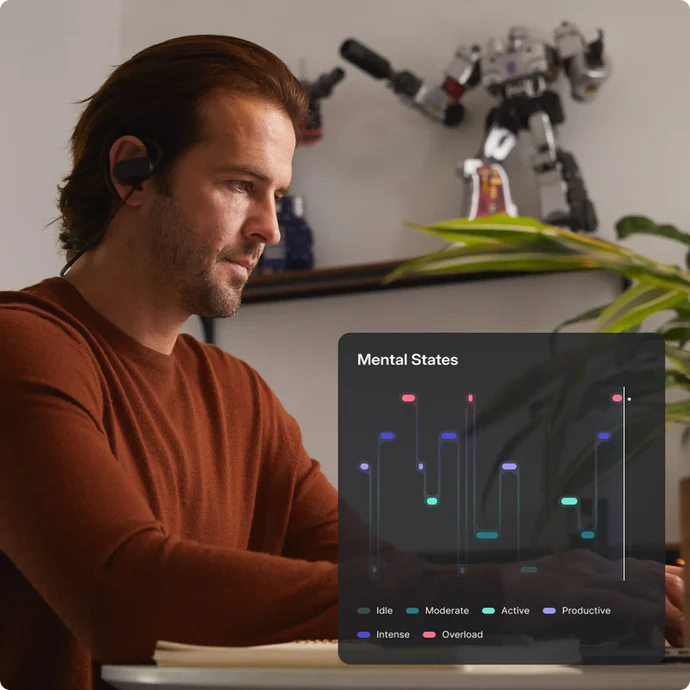
Neurofeedback operates on a simple yet powerful principle: providing you with real-time information about your brain's activity so you can learn to guide it. Think of it like a mirror for your brain. By seeing what’s happening inside, you can start to understand the patterns associated with different mental states, like focus, relaxation, or drowsiness. This process is completely non-invasive and serves as a personal training tool, not a medical treatment. It’s about building awareness and practicing skills.

The goal is to help you recognize and reinforce the brainwave patterns that align with your desired state. For example, if you want to feel more relaxed, the device can provide positive feedback, like a pleasant sound or visual cue, when your brain activity shifts toward a calmer pattern. Over time, this practice can help you learn to make that shift more intentionally on your own. Many people explore neurofeedback to gain access to cognitive wellness tools that support their personal development goals, from managing daily stress to sharpening their focus for demanding tasks. It’s a way to actively engage with your own cognitive processes and work toward your personal best.

Tools for Attention and Focus Training

One of the most common applications for neurofeedback is attention training. It offers a drug-free, non-invasive way to practice concentration. By providing instant feedback, a neurofeedback device can help you recognize the feeling of being truly focused. When your brainwaves reflect an attentive state, the system rewards you. When your mind wanders, the feedback changes. This immediate loop helps you learn what sharp focus feels like and how to sustain it. Our Emotiv App includes exercises designed to help you practice these skills, turning the process into an engaging activity rather than a chore. It’s a way to train your attention muscle, giving you a tool to call upon when you need to concentrate.

Support for Understanding Sleep Patterns

While neurofeedback devices aren't sleep aids in the traditional sense, they can offer valuable insights into your brain's activity during rest. By using an EEG headset, you can see data related to your brainwave patterns as you wind down for the night or even during sleep itself. This information can help you understand your personal sleep patterns better. Some applications also offer guided relaxation or meditation sessions that you can incorporate into your bedtime routine. The goal isn't to treat a sleep disorder, but to provide you with data and tools that support healthy sleep habits. Understanding what a relaxed brain state looks and feels like can be the first step toward achieving it more consistently at night.

Access to Relaxation and Stress-Management Tools

In our busy lives, finding moments of calm can be a challenge. Neurofeedback provides a practical way to practice the art of relaxation. It gives you a direct window into how your body and mind respond to stress and, more importantly, how they respond to relaxation techniques. As you try different methods, like deep breathing or mindfulness, you can see in real-time which ones are most effective at shifting your brain into a more serene state. This process provides access to powerful cognitive wellness tools, helping you build a personalized toolkit for managing daily pressures. It’s about learning to consciously guide yourself toward a state of calm, with technology as your guide.

Assistance with Emotional Regulation

Learning to manage our emotional responses is a lifelong skill, and neurofeedback can offer assistance in this area. The technology can help you become more aware of the brain states associated with different emotions. By observing the real-time feedback, you can start to recognize the subtle shifts that occur as you experience feelings like frustration or joy. This heightened self-awareness is the foundation of emotional regulation. With practice, you can use neurofeedback exercises to guide your brain toward more balanced states, reinforcing the neural pathways that support emotional stability. It’s a way to actively participate in your own emotional well-being, helping you practice staying centered even when faced with challenges.

Understanding the Drawbacks and Limitations

Neurofeedback is an exciting field, but it’s important to approach it with a clear and realistic perspective. Like any tool, it has its limitations, and understanding them from the start will help you set achievable goals and get the most out of your experience. The technology is still evolving, and the science behind it is complex. Being aware of the current discussions and practical considerations will make your journey into neurofeedback much more rewarding.

Before you invest your time and money, let’s walk through some of the key limitations to keep in mind. This isn’t meant to discourage you, but to give you a complete picture so you can make an informed decision that’s right for you. From questions about measurement accuracy to the long-term effects, having this context is crucial.

A Note on Measurement Accuracy

One of the main topics of discussion in the neurofeedback community is the accuracy of consumer-grade devices. Some experts question whether all devices on the market correctly measure brain signals and if the feedback provided truly leads to meaningful changes. The quality of the sensors, the number of channels, and how the device is placed on your head all play a significant role in capturing clean, reliable data. This is why it's so important to choose a device from a company that is transparent about its technology and provides clear instructions for getting a good fit and connection.

The Current State of the Science

While many studies show that neurofeedback is a promising tool, the science is still developing. A comprehensive review of neurofeedback highlights its potential while also pointing out that more research is needed to standardize protocols and understand its effectiveness across different applications. Despite some scientific skepticism, interest in personal brain health is growing rapidly, and more people are using these devices to explore their own cognitive processes. As a user, it's helpful to stay curious, manage your expectations, and view it as a tool for personal exploration rather than a guaranteed solution.

Considering Cost and Accessibility

Another practical factor is the cost. Traditional neurofeedback therapy in a clinical setting can be expensive, and it's often not covered by insurance, which means many people pay out-of-pocket. At-home neurofeedback devices offer a more accessible alternative, but they still represent a significant investment. When you're looking at different options, think about the total cost, which includes the device itself and any ongoing subscriptions for software or training programs. Our goal at Emotiv is to provide powerful tools for academic research and personal use that offer a more accessible entry point into brain data analysis.

How Long Do the Effects Last?

Finally, it’s important to understand that the benefits of neurofeedback may not be permanent without consistent practice. Think of it like physical exercise. You can’t go to the gym once and expect to stay fit forever. Neurofeedback is a form of brain training, and maintaining any changes often requires ongoing sessions. The goal is to help your brain learn new patterns, but this learning needs to be reinforced over time. Consistency is key, so be prepared to integrate neurofeedback into your routine to see more lasting results.

Why Results Can Vary From Person to Person

It’s important to remember that neurofeedback is not a one-size-fits-all solution. Think of it like physical fitness: everyone starts from a different place and responds to training in their own way. The results you see from neurofeedback depend on several personal factors, including your age, your specific goals, and your brain’s unique capacity for change. Understanding these variables can help you set realistic expectations and get the most out of your training. Your journey is yours alone, and these individual differences are a key part of the process.

How Age Can Play a Role

Your age can influence how you respond to neurofeedback because the brain is constantly changing throughout your life. A child’s brain, for example, is in a rapid state of development, with high levels of neuroplasticity. This can affect how they engage with and adapt to neurofeedback training. In contrast, an adult brain has more established neural pathways. While it absolutely retains the ability to change, the process might look different. A comprehensive review of neurofeedback highlights that effectiveness can vary with age, underscoring that our stage of life is a significant factor in the training experience.

Applications for Specific Goals

The outcome of your neurofeedback training is directly tied to what you’re trying to achieve. Different goals require different training protocols. For instance, a protocol designed to help you practice focus might involve training to increase beta brainwave activity. On the other hand, a protocol for relaxation would likely target alpha waves. You wouldn’t use a marathon training plan to prepare for a weightlifting competition, and the same logic applies here. Your results will reflect the specific mental muscles you’re working on, so defining your personal goals is a critical first step.

Your Brain's Unique Plasticity

Every brain has a unique ability to change and adapt, a quality known as neuroplasticity. This is your brain’s capacity to reorganize itself by forming new neural connections. Your personal level of plasticity is influenced by everything from genetics and lifestyle to past experiences. Because this trait varies from person to person, it can affect how quickly or profoundly you respond to neurofeedback. Someone with higher plasticity might adapt to the training more readily than someone else. This is a core reason why the neurofeedback journey is so individual and why exploring your own cognitive wellness is a personal process.

Your Pre-Purchase Checklist

Choosing a neurofeedback device is a personal decision, and the right one for you depends entirely on your unique situation. Before you make a purchase, it helps to walk through a few key questions to clarify your needs. Think of this as your pre-purchase checklist. Taking a few moments to consider these points will help you find a device that aligns with your goals, budget, and technical setup, ensuring you get the most out of your investment.

Define Your Personal Goals

First, ask yourself: what do I want to accomplish? The best device is one that matches your specific aims. Are you a researcher who needs high-density, raw EEG data for a study? Or are you interested in exploring tools for focus and relaxation in your daily life? Your answer will point you toward different types of hardware. For example, our multi-channel headsets like the Epoc X are designed for detailed academic research, while more streamlined devices are better suited for personal wellness exercises. Clearly defining your goals is the most important step in finding the right fit.

Factor in Your Budget

Neurofeedback devices come in a wide range of prices, so it’s important to know your budget. Costs can vary from a few hundred to several thousand dollars, often reflecting the device's technical capabilities, such as the number of sensors and the sophistication of the software. An entry-level device can be a great starting point for exploring meditation or focus exercises. More advanced systems, like our Flex headset, provide the kind of detailed data required by professionals. Setting a budget helps narrow your options and ensures you find a device that offers the right value for your specific needs.

Check for Technical Compatibility

A great neurofeedback device is more than just hardware; it’s a complete system. Before buying, make sure the device and its software are compatible with your existing technology, whether that’s a smartphone or a computer. A good system combines reliable brain sensing with clear, structured feedback and a way to see your progress over time. Explore the software ecosystem that comes with the device. For instance, our Emotiv App provides accessible experiences for personal use, while EmotivPRO offers powerful data analysis tools for researchers. The right software makes all the difference in turning brain data into meaningful insights.

Set Realistic Expectations

It’s important to approach neurofeedback with a clear and realistic mindset. While many studies show promise for its applications, it’s a tool for training, not a quick fix. Consistency and patience are key. The effects of neurofeedback training can take time to become apparent, and the duration of these effects can vary. Think of it as learning a new skill, like playing an instrument. It requires practice and dedication. Understanding that this is a gradual process will help you stay motivated and get the most value from your training sessions.

Where to Buy Neurofeedback Devices

When you’re ready to find a neurofeedback device, you’ll discover two main paths: working with a professional in a clinical setting or purchasing a device for home use. While professional clinics offer guided sessions with trained experts, the rise of consumer

Many companies, including Emotiv, sell EEG headsets directly to consumers, researchers, and developers through their websites. This direct-to-consumer model allows you to explore a range of devices, from the 2-channel MN8 earbuds designed for everyday use to multi-channel systems like our Epoc X headset for more detailed data collection. Purchasing directly from the source ensures you get authentic hardware and access to the corresponding software and support needed to get started.

Beyond comprehensive EEG systems, the market for consumer neurofeedback devices has grown to include a variety of products. You can find devices focused specifically on meditation, focus, or sleep. These tools often come in user-friendly forms, like headbands or earbuds, and are designed to integrate easily into your daily routine. They typically connect to a smartphone app that provides real-time feedback and guided exercises, making them a good entry point into the world of brain training.

Regardless of where you decide to buy, it’s important to do your homework. Since there isn’t one universal standard for neurofeedback technology, it’s wise to carefully research providers and manufacturers. Look for companies with a strong scientific background, transparent information about their technology, and a clear explanation of what their devices can and cannot do. This helps ensure you’re choosing a reliable tool that aligns with your personal goals.

Related Articles


View Products

Frequently Asked Questions

How is neurofeedback different from just meditating or practicing mindfulness? Think of neurofeedback as a guide for your mindfulness practice. While meditation is an internal process where you rely on your own perception, a neurofeedback device gives you objective, real-time information about your brain's activity. This feedback loop can help you more quickly recognize what a focused or relaxed state feels like, making it easier to learn how to get there on your own. It adds a layer of data to your practice, helping you understand the connection between your internal state and your brainwaves.

How long will it take before I notice any changes? This is a very personal question because everyone's brain is different. Neurofeedback is a form of training, much like learning to play an instrument or developing a new fitness routine. The key is consistency. Some people may notice shifts in their awareness relatively quickly, while for others it may be a more gradual process. The results depend on your starting point, your goals, and how regularly you practice.

Do I need a device with a lot of channels, or is something simpler enough? The right device really depends on your goals. For personal use, like accessing cognitive wellness tools or exploring focus and relaxation, a device like our 2-channel MN8 earbuds is convenient and provides the essential feedback you need. If you are a researcher or developer who needs a more detailed, region-specific map of brain activity for a study or to build a complex application, then a headset with more channels, like our 14-channel Epoc X, is the better choice.

Is using a neurofeedback device difficult or complicated? Not at all. We design our devices with ease of use in mind for everyone, from beginners to advanced researchers. The setup process is straightforward, and our software is made to be intuitive. For personal use, the Emotiv App guides you through sessions with a simple interface. The goal is for you to be able to focus on your training, not on figuring out the technology.

Is neurofeedback a medical treatment? No, it is not a medical treatment, and it is not intended to diagnose or treat any medical condition. Neurofeedback is a training tool. It provides you with access to cognitive wellness tools that can help you practice and build skills related to things like attention and relaxation. It’s best to think of it as a way to actively engage with and learn about your own cognitive processes.

We all want to feel more focused, calm, and in control of our mental state, but it’s hard to work on something you can’t see. That’s where this technology comes in. A neurofeedback device gives you a direct, real-time window into your brain’s activity, turning abstract concepts like "focus" into tangible information you can work with. By using simple visual or auditory cues, the system shows you when your brain is in a desired state, reinforcing those patterns through practice. This guide will walk you through what these devices are, how they function, and the different ways they are used, from academic research to personal wellness training.


View Products

Key Takeaways

  • Define your purpose before you choose: Your personal goals determine the right device for you, whether you need a multi-channel headset for detailed academic research or a simpler tool to access wellness exercises.

  • Evaluate the entire system, not just the hardware: The best experience comes from a device with reliable sensors and intuitive software that provides clear feedback and customizable training options.

  • Approach neurofeedback as a skill: Meaningful results come from consistent practice over time, so it's important to set realistic expectations and view the process as a personal training journey rather than a quick fix.

What is a Neurofeedback Device?

Think of a neurofeedback device as a kind of mirror for your brain. It’s a tool that gives you a real-time look at your brain's activity, allowing you to learn how to guide it. At its core, neurofeedback is a specialized type of biofeedback that focuses specifically on your brainwaves. The process is straightforward: the device measures your brain's electrical signals and then presents that information back to you through visual or auditory cues.

These devices use sensors, most commonly through an electroencephalography (EEG) headset, to capture your brainwave patterns. Our software then translates these complex signals into something simple to understand, like a sound that changes pitch or a game on a screen where you move an object with your focus. This immediate feedback creates a learning loop. When you see or hear the feedback, you can begin to associate it with your internal state.

The fundamental principle of neurofeedback is to help you consciously influence your own brainwave patterns. Over time and with practice, the goal is to train your brain to produce patterns associated with desired states, such as heightened focus or deep relaxation. It’s not about controlling thoughts, but rather about learning to self-regulate the underlying brain activity that supports different mental states. This process gives you a direct way to interact with and understand your own cognitive functions.

A Look at Today's Top Neurofeedback Devices

The world of neurofeedback is diverse, with devices designed for everything from scientific research to daily wellness. To find your fit, it helps to understand the main categories you'll encounter. Knowing the differences is the first step in choosing the right tool for your goals.

Emotiv EEG Headsets: For In-Depth Brain Data

At Emotiv, we focus on accessible tools for anyone seeking in-depth brain data. Our EEG headsets are designed for both personal exploration and professional academic research and education. Whether you're a developer or a researcher, our devices offer detailed insights into brain activity. Our MN8 earbuds offer a convenient entry point, while multi-channel headsets like the Epoc X and Flex provide comprehensive information for advanced projects. We aim to give you a clear, granular look at what's happening, empowering you to explore and innovate.

Devices Focused on Meditation and Wellness

You'll also find devices designed specifically for meditation and general wellness. These tools often help you build a consistent mindfulness practice by providing simple, real-time feedback, like calming sounds that change based on your mental state. They guide you toward relaxation without offering the raw, multi-faceted data needed for research or development. This streamlined approach makes them very approachable for beginners whose primary goal is to support their daily meditation or find a moment of calm. They are a great starting point for anyone new to brain-sensing technology.

Clinical-Grade Systems for Professionals

On the other end are clinical-grade neurofeedback systems. These are specialized, professional tools you'd find in a practitioner's office. Designed for therapeutic applications, these systems often feature a high number of channels for extremely detailed brain data collection and may have official regulatory clearance. They are powerful instruments for trained professionals working with clients on specific goals. Due to their complexity and cost, they aren't intended for personal use but represent the top tier of precision in the neurofeedback field.

Comparing Devices: Features vs. Price

Choosing the right neurofeedback device feels a lot like picking any other piece of tech; it’s all about balancing features with your budget. The price tag on these devices can range from a couple of hundred dollars to several thousand, and that difference comes down to a few key factors. The number of sensors, the quality of the data, the sophistication of the software, and the level of support all play a role in the final cost.

A simple device designed for meditation might be perfect for personal use, but a researcher will need something far more robust. Before you start shopping, it helps to have a clear idea of what you want to accomplish. Are you a developer looking to build a brain-computer interface? A scientist conducting a study? Or are you simply curious about exploring your own focus and relaxation? Answering these questions will help you decide which features are must-haves and which are just nice-to-haves, ensuring you invest in a tool that truly fits your needs.

Understanding Channel Count and Sensor Tech

When you see "channels" mentioned, it’s just another way of talking about the number of sensors on the device. A device with more channels can gather data from more locations on your scalp simultaneously. This gives you a more detailed picture of brain activity across different regions. For example, our portable MN8 earbuds use two channels, which is great for getting started with cognitive wellness tools. For more complex applications, like in-depth academic research, a headset with more channels, like our 14-channel Epoc X or 32-channel Flex, provides much greater spatial resolution. The key is that a good system combines reliable brain sensing with a clear way to see your progress.

Software and Training Protocols

The hardware is only half the story; the software is what turns raw brainwave data into something meaningful. Some devices come with a simple, guided app focused on specific goals like meditation or focus. Others offer a more powerful software suite that gives you complete control. For instance, our EmotivPRO software allows you to see and analyze raw EEG data, which is essential for researchers and developers. The best systems often include a brain assessment, a personalized training plan, and a way to adjust that plan as you make progress. Think about whether you want a guided experience or the flexibility to create your own protocols.

The Importance of Real-Time Feedback

The core idea of neurofeedback is learning through direct feedback. The device measures your brainwaves and provides a signal, often through sound or visuals, that reflects your mental state in real time. For example, a game might move faster when you’re focused or a calming sound might play when you’re relaxed. This immediate response is what makes neurofeedback a powerful tool for self-regulation. It creates a feedback loop that allows you to gradually learn how to guide your brain activity toward a desired state. When comparing devices, consider how they present this feedback and whether it seems engaging and intuitive to you.

Price Points: From Entry-Level to Pro

Neurofeedback devices fall into a few general price categories. Entry-level options are typically geared toward personal wellness and meditation, offering basic features and a user-friendly experience. In the mid-range, you’ll find more powerful devices that appeal to developers, educators, and serious enthusiasts who want access to more data and customization. At the high end are professional and clinical-grade systems. These devices offer the highest channel counts and data quality, designed for rigorous scientific research and therapeutic applications. Our product line is designed to span these categories, so you can find a device that matches both your goals and your budget.

Key Features to Look For in a Neurofeedback Device

When you start comparing neurofeedback devices, the options can feel overwhelming. From simple headbands to multi-channel research systems, the technology varies widely. To find the right fit, it helps to focus on a few core features that separate a helpful tool from a frustrating gadget. A good system isn't just about the hardware; it's about the entire experience, from putting on the device to understanding the feedback it provides. Let's walk through the essential features you should have on your checklist.

Accurate Brain Signal Measurement

The foundation of any effective neurofeedback system is its ability to measure your brain's electrical activity accurately. Without reliable data, the feedback you receive is meaningless. Good systems combine dependable brain sensing with a clear way to see your progress. The quality of the sensors, their placement, and the device's ability to filter out noise (like muscle movements) are all critical. For those doing serious academic research, a device with a higher channel count, like our Epoc X headset, provides more detailed and robust data for analysis.

Clear and Structured Feedback

Neurofeedback works by creating a real-time feedback loop. The device measures your brain activity, and the software responds with a visual or auditory cue. For example, a game might speed up when you're in a state of focus or a sound might become calmer as you relax. This immediate feedback is what helps you learn to guide your mental state. The software interface should present this information in a way that is easy to understand and act upon. Our Emotiv App is designed to provide this kind of clear, structured feedback for personal use.

Customizable Training Plans

Your brain is unique, and your reasons for exploring neurofeedback are personal. That's why one-size-fits-all training programs often fall short. The ability to tailor training protocols to your specific goals is a huge advantage. The best systems allow for customization, whether you're working to support attention or explore relaxation techniques. For developers and researchers, software like EmotivPRO offers the tools to create and adjust training plans, letting you fine-tune the experience as you or your participants make progress.

Easy Setup and a Simple Interface

A powerful device is only useful if you actually use it. A complicated setup process or a confusing user interface can be a major barrier. Look for devices that are straightforward to put on and connect wirelessly. The software should be intuitive, allowing you to start a session without a steep learning curve. The goal is to focus on your training, not on troubleshooting the technology. We design our entire range of EEG headsets with this in mind, making sure they are accessible for both beginners and advanced users.

Potential Benefits of Using Neurofeedback

Neurofeedback operates on a simple yet powerful principle: providing you with real-time information about your brain's activity so you can learn to guide it. Think of it like a mirror for your brain. By seeing what’s happening inside, you can start to understand the patterns associated with different mental states, like focus, relaxation, or drowsiness. This process is completely non-invasive and serves as a personal training tool, not a medical treatment. It’s about building awareness and practicing skills.

The goal is to help you recognize and reinforce the brainwave patterns that align with your desired state. For example, if you want to feel more relaxed, the device can provide positive feedback, like a pleasant sound or visual cue, when your brain activity shifts toward a calmer pattern. Over time, this practice can help you learn to make that shift more intentionally on your own. Many people explore neurofeedback to gain access to cognitive wellness tools that support their personal development goals, from managing daily stress to sharpening their focus for demanding tasks. It’s a way to actively engage with your own cognitive processes and work toward your personal best.

Tools for Attention and Focus Training

One of the most common applications for neurofeedback is attention training. It offers a drug-free, non-invasive way to practice concentration. By providing instant feedback, a neurofeedback device can help you recognize the feeling of being truly focused. When your brainwaves reflect an attentive state, the system rewards you. When your mind wanders, the feedback changes. This immediate loop helps you learn what sharp focus feels like and how to sustain it. Our Emotiv App includes exercises designed to help you practice these skills, turning the process into an engaging activity rather than a chore. It’s a way to train your attention muscle, giving you a tool to call upon when you need to concentrate.

Support for Understanding Sleep Patterns

While neurofeedback devices aren't sleep aids in the traditional sense, they can offer valuable insights into your brain's activity during rest. By using an EEG headset, you can see data related to your brainwave patterns as you wind down for the night or even during sleep itself. This information can help you understand your personal sleep patterns better. Some applications also offer guided relaxation or meditation sessions that you can incorporate into your bedtime routine. The goal isn't to treat a sleep disorder, but to provide you with data and tools that support healthy sleep habits. Understanding what a relaxed brain state looks and feels like can be the first step toward achieving it more consistently at night.

Access to Relaxation and Stress-Management Tools

In our busy lives, finding moments of calm can be a challenge. Neurofeedback provides a practical way to practice the art of relaxation. It gives you a direct window into how your body and mind respond to stress and, more importantly, how they respond to relaxation techniques. As you try different methods, like deep breathing or mindfulness, you can see in real-time which ones are most effective at shifting your brain into a more serene state. This process provides access to powerful cognitive wellness tools, helping you build a personalized toolkit for managing daily pressures. It’s about learning to consciously guide yourself toward a state of calm, with technology as your guide.

Assistance with Emotional Regulation

Learning to manage our emotional responses is a lifelong skill, and neurofeedback can offer assistance in this area. The technology can help you become more aware of the brain states associated with different emotions. By observing the real-time feedback, you can start to recognize the subtle shifts that occur as you experience feelings like frustration or joy. This heightened self-awareness is the foundation of emotional regulation. With practice, you can use neurofeedback exercises to guide your brain toward more balanced states, reinforcing the neural pathways that support emotional stability. It’s a way to actively participate in your own emotional well-being, helping you practice staying centered even when faced with challenges.

Understanding the Drawbacks and Limitations

Neurofeedback is an exciting field, but it’s important to approach it with a clear and realistic perspective. Like any tool, it has its limitations, and understanding them from the start will help you set achievable goals and get the most out of your experience. The technology is still evolving, and the science behind it is complex. Being aware of the current discussions and practical considerations will make your journey into neurofeedback much more rewarding.

Before you invest your time and money, let’s walk through some of the key limitations to keep in mind. This isn’t meant to discourage you, but to give you a complete picture so you can make an informed decision that’s right for you. From questions about measurement accuracy to the long-term effects, having this context is crucial.

A Note on Measurement Accuracy

One of the main topics of discussion in the neurofeedback community is the accuracy of consumer-grade devices. Some experts question whether all devices on the market correctly measure brain signals and if the feedback provided truly leads to meaningful changes. The quality of the sensors, the number of channels, and how the device is placed on your head all play a significant role in capturing clean, reliable data. This is why it's so important to choose a device from a company that is transparent about its technology and provides clear instructions for getting a good fit and connection.

The Current State of the Science

While many studies show that neurofeedback is a promising tool, the science is still developing. A comprehensive review of neurofeedback highlights its potential while also pointing out that more research is needed to standardize protocols and understand its effectiveness across different applications. Despite some scientific skepticism, interest in personal brain health is growing rapidly, and more people are using these devices to explore their own cognitive processes. As a user, it's helpful to stay curious, manage your expectations, and view it as a tool for personal exploration rather than a guaranteed solution.

Considering Cost and Accessibility

Another practical factor is the cost. Traditional neurofeedback therapy in a clinical setting can be expensive, and it's often not covered by insurance, which means many people pay out-of-pocket. At-home neurofeedback devices offer a more accessible alternative, but they still represent a significant investment. When you're looking at different options, think about the total cost, which includes the device itself and any ongoing subscriptions for software or training programs. Our goal at Emotiv is to provide powerful tools for academic research and personal use that offer a more accessible entry point into brain data analysis.

How Long Do the Effects Last?

Finally, it’s important to understand that the benefits of neurofeedback may not be permanent without consistent practice. Think of it like physical exercise. You can’t go to the gym once and expect to stay fit forever. Neurofeedback is a form of brain training, and maintaining any changes often requires ongoing sessions. The goal is to help your brain learn new patterns, but this learning needs to be reinforced over time. Consistency is key, so be prepared to integrate neurofeedback into your routine to see more lasting results.

Why Results Can Vary From Person to Person

It’s important to remember that neurofeedback is not a one-size-fits-all solution. Think of it like physical fitness: everyone starts from a different place and responds to training in their own way. The results you see from neurofeedback depend on several personal factors, including your age, your specific goals, and your brain’s unique capacity for change. Understanding these variables can help you set realistic expectations and get the most out of your training. Your journey is yours alone, and these individual differences are a key part of the process.

How Age Can Play a Role

Your age can influence how you respond to neurofeedback because the brain is constantly changing throughout your life. A child’s brain, for example, is in a rapid state of development, with high levels of neuroplasticity. This can affect how they engage with and adapt to neurofeedback training. In contrast, an adult brain has more established neural pathways. While it absolutely retains the ability to change, the process might look different. A comprehensive review of neurofeedback highlights that effectiveness can vary with age, underscoring that our stage of life is a significant factor in the training experience.

Applications for Specific Goals

The outcome of your neurofeedback training is directly tied to what you’re trying to achieve. Different goals require different training protocols. For instance, a protocol designed to help you practice focus might involve training to increase beta brainwave activity. On the other hand, a protocol for relaxation would likely target alpha waves. You wouldn’t use a marathon training plan to prepare for a weightlifting competition, and the same logic applies here. Your results will reflect the specific mental muscles you’re working on, so defining your personal goals is a critical first step.

Your Brain's Unique Plasticity

Every brain has a unique ability to change and adapt, a quality known as neuroplasticity. This is your brain’s capacity to reorganize itself by forming new neural connections. Your personal level of plasticity is influenced by everything from genetics and lifestyle to past experiences. Because this trait varies from person to person, it can affect how quickly or profoundly you respond to neurofeedback. Someone with higher plasticity might adapt to the training more readily than someone else. This is a core reason why the neurofeedback journey is so individual and why exploring your own cognitive wellness is a personal process.

Your Pre-Purchase Checklist

Choosing a neurofeedback device is a personal decision, and the right one for you depends entirely on your unique situation. Before you make a purchase, it helps to walk through a few key questions to clarify your needs. Think of this as your pre-purchase checklist. Taking a few moments to consider these points will help you find a device that aligns with your goals, budget, and technical setup, ensuring you get the most out of your investment.

Define Your Personal Goals

First, ask yourself: what do I want to accomplish? The best device is one that matches your specific aims. Are you a researcher who needs high-density, raw EEG data for a study? Or are you interested in exploring tools for focus and relaxation in your daily life? Your answer will point you toward different types of hardware. For example, our multi-channel headsets like the Epoc X are designed for detailed academic research, while more streamlined devices are better suited for personal wellness exercises. Clearly defining your goals is the most important step in finding the right fit.

Factor in Your Budget

Neurofeedback devices come in a wide range of prices, so it’s important to know your budget. Costs can vary from a few hundred to several thousand dollars, often reflecting the device's technical capabilities, such as the number of sensors and the sophistication of the software. An entry-level device can be a great starting point for exploring meditation or focus exercises. More advanced systems, like our Flex headset, provide the kind of detailed data required by professionals. Setting a budget helps narrow your options and ensures you find a device that offers the right value for your specific needs.

Check for Technical Compatibility

A great neurofeedback device is more than just hardware; it’s a complete system. Before buying, make sure the device and its software are compatible with your existing technology, whether that’s a smartphone or a computer. A good system combines reliable brain sensing with clear, structured feedback and a way to see your progress over time. Explore the software ecosystem that comes with the device. For instance, our Emotiv App provides accessible experiences for personal use, while EmotivPRO offers powerful data analysis tools for researchers. The right software makes all the difference in turning brain data into meaningful insights.

Set Realistic Expectations

It’s important to approach neurofeedback with a clear and realistic mindset. While many studies show promise for its applications, it’s a tool for training, not a quick fix. Consistency and patience are key. The effects of neurofeedback training can take time to become apparent, and the duration of these effects can vary. Think of it as learning a new skill, like playing an instrument. It requires practice and dedication. Understanding that this is a gradual process will help you stay motivated and get the most value from your training sessions.

Where to Buy Neurofeedback Devices

When you’re ready to find a neurofeedback device, you’ll discover two main paths: working with a professional in a clinical setting or purchasing a device for home use. While professional clinics offer guided sessions with trained experts, the rise of consumer

Many companies, including Emotiv, sell EEG headsets directly to consumers, researchers, and developers through their websites. This direct-to-consumer model allows you to explore a range of devices, from the 2-channel MN8 earbuds designed for everyday use to multi-channel systems like our Epoc X headset for more detailed data collection. Purchasing directly from the source ensures you get authentic hardware and access to the corresponding software and support needed to get started.

Beyond comprehensive EEG systems, the market for consumer neurofeedback devices has grown to include a variety of products. You can find devices focused specifically on meditation, focus, or sleep. These tools often come in user-friendly forms, like headbands or earbuds, and are designed to integrate easily into your daily routine. They typically connect to a smartphone app that provides real-time feedback and guided exercises, making them a good entry point into the world of brain training.

Regardless of where you decide to buy, it’s important to do your homework. Since there isn’t one universal standard for neurofeedback technology, it’s wise to carefully research providers and manufacturers. Look for companies with a strong scientific background, transparent information about their technology, and a clear explanation of what their devices can and cannot do. This helps ensure you’re choosing a reliable tool that aligns with your personal goals.

Related Articles


View Products

Frequently Asked Questions

How is neurofeedback different from just meditating or practicing mindfulness? Think of neurofeedback as a guide for your mindfulness practice. While meditation is an internal process where you rely on your own perception, a neurofeedback device gives you objective, real-time information about your brain's activity. This feedback loop can help you more quickly recognize what a focused or relaxed state feels like, making it easier to learn how to get there on your own. It adds a layer of data to your practice, helping you understand the connection between your internal state and your brainwaves.

How long will it take before I notice any changes? This is a very personal question because everyone's brain is different. Neurofeedback is a form of training, much like learning to play an instrument or developing a new fitness routine. The key is consistency. Some people may notice shifts in their awareness relatively quickly, while for others it may be a more gradual process. The results depend on your starting point, your goals, and how regularly you practice.

Do I need a device with a lot of channels, or is something simpler enough? The right device really depends on your goals. For personal use, like accessing cognitive wellness tools or exploring focus and relaxation, a device like our 2-channel MN8 earbuds is convenient and provides the essential feedback you need. If you are a researcher or developer who needs a more detailed, region-specific map of brain activity for a study or to build a complex application, then a headset with more channels, like our 14-channel Epoc X, is the better choice.

Is using a neurofeedback device difficult or complicated? Not at all. We design our devices with ease of use in mind for everyone, from beginners to advanced researchers. The setup process is straightforward, and our software is made to be intuitive. For personal use, the Emotiv App guides you through sessions with a simple interface. The goal is for you to be able to focus on your training, not on figuring out the technology.

Is neurofeedback a medical treatment? No, it is not a medical treatment, and it is not intended to diagnose or treat any medical condition. Neurofeedback is a training tool. It provides you with access to cognitive wellness tools that can help you practice and build skills related to things like attention and relaxation. It’s best to think of it as a way to actively engage with and learn about your own cognitive processes.

We all want to feel more focused, calm, and in control of our mental state, but it’s hard to work on something you can’t see. That’s where this technology comes in. A neurofeedback device gives you a direct, real-time window into your brain’s activity, turning abstract concepts like "focus" into tangible information you can work with. By using simple visual or auditory cues, the system shows you when your brain is in a desired state, reinforcing those patterns through practice. This guide will walk you through what these devices are, how they function, and the different ways they are used, from academic research to personal wellness training.


View Products

Key Takeaways

  • Define your purpose before you choose: Your personal goals determine the right device for you, whether you need a multi-channel headset for detailed academic research or a simpler tool to access wellness exercises.

  • Evaluate the entire system, not just the hardware: The best experience comes from a device with reliable sensors and intuitive software that provides clear feedback and customizable training options.

  • Approach neurofeedback as a skill: Meaningful results come from consistent practice over time, so it's important to set realistic expectations and view the process as a personal training journey rather than a quick fix.

What is a Neurofeedback Device?

Think of a neurofeedback device as a kind of mirror for your brain. It’s a tool that gives you a real-time look at your brain's activity, allowing you to learn how to guide it. At its core, neurofeedback is a specialized type of biofeedback that focuses specifically on your brainwaves. The process is straightforward: the device measures your brain's electrical signals and then presents that information back to you through visual or auditory cues.

These devices use sensors, most commonly through an electroencephalography (EEG) headset, to capture your brainwave patterns. Our software then translates these complex signals into something simple to understand, like a sound that changes pitch or a game on a screen where you move an object with your focus. This immediate feedback creates a learning loop. When you see or hear the feedback, you can begin to associate it with your internal state.

The fundamental principle of neurofeedback is to help you consciously influence your own brainwave patterns. Over time and with practice, the goal is to train your brain to produce patterns associated with desired states, such as heightened focus or deep relaxation. It’s not about controlling thoughts, but rather about learning to self-regulate the underlying brain activity that supports different mental states. This process gives you a direct way to interact with and understand your own cognitive functions.

A Look at Today's Top Neurofeedback Devices

The world of neurofeedback is diverse, with devices designed for everything from scientific research to daily wellness. To find your fit, it helps to understand the main categories you'll encounter. Knowing the differences is the first step in choosing the right tool for your goals.

Emotiv EEG Headsets: For In-Depth Brain Data

At Emotiv, we focus on accessible tools for anyone seeking in-depth brain data. Our EEG headsets are designed for both personal exploration and professional academic research and education. Whether you're a developer or a researcher, our devices offer detailed insights into brain activity. Our MN8 earbuds offer a convenient entry point, while multi-channel headsets like the Epoc X and Flex provide comprehensive information for advanced projects. We aim to give you a clear, granular look at what's happening, empowering you to explore and innovate.

Devices Focused on Meditation and Wellness

You'll also find devices designed specifically for meditation and general wellness. These tools often help you build a consistent mindfulness practice by providing simple, real-time feedback, like calming sounds that change based on your mental state. They guide you toward relaxation without offering the raw, multi-faceted data needed for research or development. This streamlined approach makes them very approachable for beginners whose primary goal is to support their daily meditation or find a moment of calm. They are a great starting point for anyone new to brain-sensing technology.

Clinical-Grade Systems for Professionals

On the other end are clinical-grade neurofeedback systems. These are specialized, professional tools you'd find in a practitioner's office. Designed for therapeutic applications, these systems often feature a high number of channels for extremely detailed brain data collection and may have official regulatory clearance. They are powerful instruments for trained professionals working with clients on specific goals. Due to their complexity and cost, they aren't intended for personal use but represent the top tier of precision in the neurofeedback field.

Comparing Devices: Features vs. Price

Choosing the right neurofeedback device feels a lot like picking any other piece of tech; it’s all about balancing features with your budget. The price tag on these devices can range from a couple of hundred dollars to several thousand, and that difference comes down to a few key factors. The number of sensors, the quality of the data, the sophistication of the software, and the level of support all play a role in the final cost.

A simple device designed for meditation might be perfect for personal use, but a researcher will need something far more robust. Before you start shopping, it helps to have a clear idea of what you want to accomplish. Are you a developer looking to build a brain-computer interface? A scientist conducting a study? Or are you simply curious about exploring your own focus and relaxation? Answering these questions will help you decide which features are must-haves and which are just nice-to-haves, ensuring you invest in a tool that truly fits your needs.

Understanding Channel Count and Sensor Tech

When you see "channels" mentioned, it’s just another way of talking about the number of sensors on the device. A device with more channels can gather data from more locations on your scalp simultaneously. This gives you a more detailed picture of brain activity across different regions. For example, our portable MN8 earbuds use two channels, which is great for getting started with cognitive wellness tools. For more complex applications, like in-depth academic research, a headset with more channels, like our 14-channel Epoc X or 32-channel Flex, provides much greater spatial resolution. The key is that a good system combines reliable brain sensing with a clear way to see your progress.

Software and Training Protocols

The hardware is only half the story; the software is what turns raw brainwave data into something meaningful. Some devices come with a simple, guided app focused on specific goals like meditation or focus. Others offer a more powerful software suite that gives you complete control. For instance, our EmotivPRO software allows you to see and analyze raw EEG data, which is essential for researchers and developers. The best systems often include a brain assessment, a personalized training plan, and a way to adjust that plan as you make progress. Think about whether you want a guided experience or the flexibility to create your own protocols.

The Importance of Real-Time Feedback

The core idea of neurofeedback is learning through direct feedback. The device measures your brainwaves and provides a signal, often through sound or visuals, that reflects your mental state in real time. For example, a game might move faster when you’re focused or a calming sound might play when you’re relaxed. This immediate response is what makes neurofeedback a powerful tool for self-regulation. It creates a feedback loop that allows you to gradually learn how to guide your brain activity toward a desired state. When comparing devices, consider how they present this feedback and whether it seems engaging and intuitive to you.

Price Points: From Entry-Level to Pro

Neurofeedback devices fall into a few general price categories. Entry-level options are typically geared toward personal wellness and meditation, offering basic features and a user-friendly experience. In the mid-range, you’ll find more powerful devices that appeal to developers, educators, and serious enthusiasts who want access to more data and customization. At the high end are professional and clinical-grade systems. These devices offer the highest channel counts and data quality, designed for rigorous scientific research and therapeutic applications. Our product line is designed to span these categories, so you can find a device that matches both your goals and your budget.

Key Features to Look For in a Neurofeedback Device

When you start comparing neurofeedback devices, the options can feel overwhelming. From simple headbands to multi-channel research systems, the technology varies widely. To find the right fit, it helps to focus on a few core features that separate a helpful tool from a frustrating gadget. A good system isn't just about the hardware; it's about the entire experience, from putting on the device to understanding the feedback it provides. Let's walk through the essential features you should have on your checklist.

Accurate Brain Signal Measurement

The foundation of any effective neurofeedback system is its ability to measure your brain's electrical activity accurately. Without reliable data, the feedback you receive is meaningless. Good systems combine dependable brain sensing with a clear way to see your progress. The quality of the sensors, their placement, and the device's ability to filter out noise (like muscle movements) are all critical. For those doing serious academic research, a device with a higher channel count, like our Epoc X headset, provides more detailed and robust data for analysis.

Clear and Structured Feedback

Neurofeedback works by creating a real-time feedback loop. The device measures your brain activity, and the software responds with a visual or auditory cue. For example, a game might speed up when you're in a state of focus or a sound might become calmer as you relax. This immediate feedback is what helps you learn to guide your mental state. The software interface should present this information in a way that is easy to understand and act upon. Our Emotiv App is designed to provide this kind of clear, structured feedback for personal use.

Customizable Training Plans

Your brain is unique, and your reasons for exploring neurofeedback are personal. That's why one-size-fits-all training programs often fall short. The ability to tailor training protocols to your specific goals is a huge advantage. The best systems allow for customization, whether you're working to support attention or explore relaxation techniques. For developers and researchers, software like EmotivPRO offers the tools to create and adjust training plans, letting you fine-tune the experience as you or your participants make progress.

Easy Setup and a Simple Interface

A powerful device is only useful if you actually use it. A complicated setup process or a confusing user interface can be a major barrier. Look for devices that are straightforward to put on and connect wirelessly. The software should be intuitive, allowing you to start a session without a steep learning curve. The goal is to focus on your training, not on troubleshooting the technology. We design our entire range of EEG headsets with this in mind, making sure they are accessible for both beginners and advanced users.

Potential Benefits of Using Neurofeedback

Neurofeedback operates on a simple yet powerful principle: providing you with real-time information about your brain's activity so you can learn to guide it. Think of it like a mirror for your brain. By seeing what’s happening inside, you can start to understand the patterns associated with different mental states, like focus, relaxation, or drowsiness. This process is completely non-invasive and serves as a personal training tool, not a medical treatment. It’s about building awareness and practicing skills.

The goal is to help you recognize and reinforce the brainwave patterns that align with your desired state. For example, if you want to feel more relaxed, the device can provide positive feedback, like a pleasant sound or visual cue, when your brain activity shifts toward a calmer pattern. Over time, this practice can help you learn to make that shift more intentionally on your own. Many people explore neurofeedback to gain access to cognitive wellness tools that support their personal development goals, from managing daily stress to sharpening their focus for demanding tasks. It’s a way to actively engage with your own cognitive processes and work toward your personal best.

Tools for Attention and Focus Training

One of the most common applications for neurofeedback is attention training. It offers a drug-free, non-invasive way to practice concentration. By providing instant feedback, a neurofeedback device can help you recognize the feeling of being truly focused. When your brainwaves reflect an attentive state, the system rewards you. When your mind wanders, the feedback changes. This immediate loop helps you learn what sharp focus feels like and how to sustain it. Our Emotiv App includes exercises designed to help you practice these skills, turning the process into an engaging activity rather than a chore. It’s a way to train your attention muscle, giving you a tool to call upon when you need to concentrate.

Support for Understanding Sleep Patterns

While neurofeedback devices aren't sleep aids in the traditional sense, they can offer valuable insights into your brain's activity during rest. By using an EEG headset, you can see data related to your brainwave patterns as you wind down for the night or even during sleep itself. This information can help you understand your personal sleep patterns better. Some applications also offer guided relaxation or meditation sessions that you can incorporate into your bedtime routine. The goal isn't to treat a sleep disorder, but to provide you with data and tools that support healthy sleep habits. Understanding what a relaxed brain state looks and feels like can be the first step toward achieving it more consistently at night.

Access to Relaxation and Stress-Management Tools

In our busy lives, finding moments of calm can be a challenge. Neurofeedback provides a practical way to practice the art of relaxation. It gives you a direct window into how your body and mind respond to stress and, more importantly, how they respond to relaxation techniques. As you try different methods, like deep breathing or mindfulness, you can see in real-time which ones are most effective at shifting your brain into a more serene state. This process provides access to powerful cognitive wellness tools, helping you build a personalized toolkit for managing daily pressures. It’s about learning to consciously guide yourself toward a state of calm, with technology as your guide.

Assistance with Emotional Regulation

Learning to manage our emotional responses is a lifelong skill, and neurofeedback can offer assistance in this area. The technology can help you become more aware of the brain states associated with different emotions. By observing the real-time feedback, you can start to recognize the subtle shifts that occur as you experience feelings like frustration or joy. This heightened self-awareness is the foundation of emotional regulation. With practice, you can use neurofeedback exercises to guide your brain toward more balanced states, reinforcing the neural pathways that support emotional stability. It’s a way to actively participate in your own emotional well-being, helping you practice staying centered even when faced with challenges.

Understanding the Drawbacks and Limitations

Neurofeedback is an exciting field, but it’s important to approach it with a clear and realistic perspective. Like any tool, it has its limitations, and understanding them from the start will help you set achievable goals and get the most out of your experience. The technology is still evolving, and the science behind it is complex. Being aware of the current discussions and practical considerations will make your journey into neurofeedback much more rewarding.

Before you invest your time and money, let’s walk through some of the key limitations to keep in mind. This isn’t meant to discourage you, but to give you a complete picture so you can make an informed decision that’s right for you. From questions about measurement accuracy to the long-term effects, having this context is crucial.

A Note on Measurement Accuracy

One of the main topics of discussion in the neurofeedback community is the accuracy of consumer-grade devices. Some experts question whether all devices on the market correctly measure brain signals and if the feedback provided truly leads to meaningful changes. The quality of the sensors, the number of channels, and how the device is placed on your head all play a significant role in capturing clean, reliable data. This is why it's so important to choose a device from a company that is transparent about its technology and provides clear instructions for getting a good fit and connection.

The Current State of the Science

While many studies show that neurofeedback is a promising tool, the science is still developing. A comprehensive review of neurofeedback highlights its potential while also pointing out that more research is needed to standardize protocols and understand its effectiveness across different applications. Despite some scientific skepticism, interest in personal brain health is growing rapidly, and more people are using these devices to explore their own cognitive processes. As a user, it's helpful to stay curious, manage your expectations, and view it as a tool for personal exploration rather than a guaranteed solution.

Considering Cost and Accessibility

Another practical factor is the cost. Traditional neurofeedback therapy in a clinical setting can be expensive, and it's often not covered by insurance, which means many people pay out-of-pocket. At-home neurofeedback devices offer a more accessible alternative, but they still represent a significant investment. When you're looking at different options, think about the total cost, which includes the device itself and any ongoing subscriptions for software or training programs. Our goal at Emotiv is to provide powerful tools for academic research and personal use that offer a more accessible entry point into brain data analysis.

How Long Do the Effects Last?

Finally, it’s important to understand that the benefits of neurofeedback may not be permanent without consistent practice. Think of it like physical exercise. You can’t go to the gym once and expect to stay fit forever. Neurofeedback is a form of brain training, and maintaining any changes often requires ongoing sessions. The goal is to help your brain learn new patterns, but this learning needs to be reinforced over time. Consistency is key, so be prepared to integrate neurofeedback into your routine to see more lasting results.

Why Results Can Vary From Person to Person

It’s important to remember that neurofeedback is not a one-size-fits-all solution. Think of it like physical fitness: everyone starts from a different place and responds to training in their own way. The results you see from neurofeedback depend on several personal factors, including your age, your specific goals, and your brain’s unique capacity for change. Understanding these variables can help you set realistic expectations and get the most out of your training. Your journey is yours alone, and these individual differences are a key part of the process.

How Age Can Play a Role

Your age can influence how you respond to neurofeedback because the brain is constantly changing throughout your life. A child’s brain, for example, is in a rapid state of development, with high levels of neuroplasticity. This can affect how they engage with and adapt to neurofeedback training. In contrast, an adult brain has more established neural pathways. While it absolutely retains the ability to change, the process might look different. A comprehensive review of neurofeedback highlights that effectiveness can vary with age, underscoring that our stage of life is a significant factor in the training experience.

Applications for Specific Goals

The outcome of your neurofeedback training is directly tied to what you’re trying to achieve. Different goals require different training protocols. For instance, a protocol designed to help you practice focus might involve training to increase beta brainwave activity. On the other hand, a protocol for relaxation would likely target alpha waves. You wouldn’t use a marathon training plan to prepare for a weightlifting competition, and the same logic applies here. Your results will reflect the specific mental muscles you’re working on, so defining your personal goals is a critical first step.

Your Brain's Unique Plasticity

Every brain has a unique ability to change and adapt, a quality known as neuroplasticity. This is your brain’s capacity to reorganize itself by forming new neural connections. Your personal level of plasticity is influenced by everything from genetics and lifestyle to past experiences. Because this trait varies from person to person, it can affect how quickly or profoundly you respond to neurofeedback. Someone with higher plasticity might adapt to the training more readily than someone else. This is a core reason why the neurofeedback journey is so individual and why exploring your own cognitive wellness is a personal process.

Your Pre-Purchase Checklist

Choosing a neurofeedback device is a personal decision, and the right one for you depends entirely on your unique situation. Before you make a purchase, it helps to walk through a few key questions to clarify your needs. Think of this as your pre-purchase checklist. Taking a few moments to consider these points will help you find a device that aligns with your goals, budget, and technical setup, ensuring you get the most out of your investment.

Define Your Personal Goals

First, ask yourself: what do I want to accomplish? The best device is one that matches your specific aims. Are you a researcher who needs high-density, raw EEG data for a study? Or are you interested in exploring tools for focus and relaxation in your daily life? Your answer will point you toward different types of hardware. For example, our multi-channel headsets like the Epoc X are designed for detailed academic research, while more streamlined devices are better suited for personal wellness exercises. Clearly defining your goals is the most important step in finding the right fit.

Factor in Your Budget

Neurofeedback devices come in a wide range of prices, so it’s important to know your budget. Costs can vary from a few hundred to several thousand dollars, often reflecting the device's technical capabilities, such as the number of sensors and the sophistication of the software. An entry-level device can be a great starting point for exploring meditation or focus exercises. More advanced systems, like our Flex headset, provide the kind of detailed data required by professionals. Setting a budget helps narrow your options and ensures you find a device that offers the right value for your specific needs.

Check for Technical Compatibility

A great neurofeedback device is more than just hardware; it’s a complete system. Before buying, make sure the device and its software are compatible with your existing technology, whether that’s a smartphone or a computer. A good system combines reliable brain sensing with clear, structured feedback and a way to see your progress over time. Explore the software ecosystem that comes with the device. For instance, our Emotiv App provides accessible experiences for personal use, while EmotivPRO offers powerful data analysis tools for researchers. The right software makes all the difference in turning brain data into meaningful insights.

Set Realistic Expectations

It’s important to approach neurofeedback with a clear and realistic mindset. While many studies show promise for its applications, it’s a tool for training, not a quick fix. Consistency and patience are key. The effects of neurofeedback training can take time to become apparent, and the duration of these effects can vary. Think of it as learning a new skill, like playing an instrument. It requires practice and dedication. Understanding that this is a gradual process will help you stay motivated and get the most value from your training sessions.

Where to Buy Neurofeedback Devices

When you’re ready to find a neurofeedback device, you’ll discover two main paths: working with a professional in a clinical setting or purchasing a device for home use. While professional clinics offer guided sessions with trained experts, the rise of consumer

Many companies, including Emotiv, sell EEG headsets directly to consumers, researchers, and developers through their websites. This direct-to-consumer model allows you to explore a range of devices, from the 2-channel MN8 earbuds designed for everyday use to multi-channel systems like our Epoc X headset for more detailed data collection. Purchasing directly from the source ensures you get authentic hardware and access to the corresponding software and support needed to get started.

Beyond comprehensive EEG systems, the market for consumer neurofeedback devices has grown to include a variety of products. You can find devices focused specifically on meditation, focus, or sleep. These tools often come in user-friendly forms, like headbands or earbuds, and are designed to integrate easily into your daily routine. They typically connect to a smartphone app that provides real-time feedback and guided exercises, making them a good entry point into the world of brain training.

Regardless of where you decide to buy, it’s important to do your homework. Since there isn’t one universal standard for neurofeedback technology, it’s wise to carefully research providers and manufacturers. Look for companies with a strong scientific background, transparent information about their technology, and a clear explanation of what their devices can and cannot do. This helps ensure you’re choosing a reliable tool that aligns with your personal goals.

Related Articles


View Products

Frequently Asked Questions

How is neurofeedback different from just meditating or practicing mindfulness? Think of neurofeedback as a guide for your mindfulness practice. While meditation is an internal process where you rely on your own perception, a neurofeedback device gives you objective, real-time information about your brain's activity. This feedback loop can help you more quickly recognize what a focused or relaxed state feels like, making it easier to learn how to get there on your own. It adds a layer of data to your practice, helping you understand the connection between your internal state and your brainwaves.

How long will it take before I notice any changes? This is a very personal question because everyone's brain is different. Neurofeedback is a form of training, much like learning to play an instrument or developing a new fitness routine. The key is consistency. Some people may notice shifts in their awareness relatively quickly, while for others it may be a more gradual process. The results depend on your starting point, your goals, and how regularly you practice.

Do I need a device with a lot of channels, or is something simpler enough? The right device really depends on your goals. For personal use, like accessing cognitive wellness tools or exploring focus and relaxation, a device like our 2-channel MN8 earbuds is convenient and provides the essential feedback you need. If you are a researcher or developer who needs a more detailed, region-specific map of brain activity for a study or to build a complex application, then a headset with more channels, like our 14-channel Epoc X, is the better choice.

Is using a neurofeedback device difficult or complicated? Not at all. We design our devices with ease of use in mind for everyone, from beginners to advanced researchers. The setup process is straightforward, and our software is made to be intuitive. For personal use, the Emotiv App guides you through sessions with a simple interface. The goal is for you to be able to focus on your training, not on figuring out the technology.

Is neurofeedback a medical treatment? No, it is not a medical treatment, and it is not intended to diagnose or treat any medical condition. Neurofeedback is a training tool. It provides you with access to cognitive wellness tools that can help you practice and build skills related to things like attention and relaxation. It’s best to think of it as a way to actively engage with and learn about your own cognitive processes.