Markenwiedererkennung messen 101: Der ultimative Leitfaden
Aktualisiert am
Markenwiedererkennung messen 101: Der ultimative Leitfaden
Aktualisiert am
Markenwiedererkennung messen 101: Der ultimative Leitfaden
Aktualisiert am
Traditional marketing surveys have a fundamental flaw: they rely on what people say, not what they truly feel. When it comes to building a memorable brand, the strongest connections are often subconscious and emotional. While surveys are a starting point, they only capture a fraction of the story. This is where neuroscience provides a clearer picture. This guide will cover the essential strategies for improving brand recall, but we’ll also go a step further. We will explore how understanding the brain’s emotional responses can transform your approach, making brand recall measurement a more accurate and insightful process that reveals what really resonates with your audience.
Key Takeaways
Focus on recall, not just recognition: Brand recall is when customers think of your brand first without any hints, a key factor that directly influences their buying choices.
Measure your brand's memorability with a plan: Use surveys before and after marketing campaigns to establish a baseline and see your impact. For a fuller picture, compare your results against competitors and use neuroscience to uncover the subconscious emotional connections your brand forms.
Build a memorable brand through emotion and consistency: A consistent visual identity makes your brand instantly familiar, while emotional storytelling creates a deeper connection that sticks in your audience's memory.
What Is Brand Recall and Why Does It Matter?
Have you ever been asked to name a brand of soda, and one name immediately pops into your head? That’s brand recall in action. It’s a measure of how easily customers can remember your brand without any help. This can happen when they’re prompted with a product category (like soda) or completely unprompted. It’s one of the most telling signs of a brand's strength and its place in a consumer's mind.
So, why is this so important? A brand with high recall has a serious competitive edge. When a customer is ready to make a purchase, the brands they remember first are usually the ones they consider. This top-of-mind awareness is crucial for driving sales and long-term growth. Strong brand recall helps you differentiate from competitors, build trust, and create a loyal customer base that thinks of you first. It’s the difference between being a memorable name and just another option in a crowded market.
The Psychology Behind Brand Recall
At its core, brand recall is all about memory and emotion. Our brains are wired to remember things that make us feel something. This is where the field of neuromarketing comes in, helping us understand the emotional triggers that influence what we remember and what we buy. A brand that connects with customers on an emotional level, whether through humor, inspiration, or nostalgia, creates a much stronger mental link than one that just lists product features. These emotional responses are often subconscious, shaping our decisions without us even realizing it. By understanding these deeper connections, you can create marketing that truly sticks with people.
Brand Recall vs. Brand Recognition: What's the Difference?
People often use brand recall and brand recognition interchangeably, but they measure two very different things. Think of it like a test. Brand recognition is like a multiple-choice question: you see a logo, a jingle, or a color scheme and are asked if you recognize it. It’s about familiarity when a prompt is present.
Brand recall, on the other hand, is like a fill-in-the-blank question. It’s the ability to retrieve a brand from your memory without any cues. For example, if I ask you to name a brand of athletic shoes, the names that come to mind demonstrate recall. While recognition is good, brand recall is the goal because it shows a much deeper level of brand awareness and loyalty.
What Are the Different Types of Brand Recall?
When we talk about brand recall, it’s not just a simple yes-or-no question of whether someone remembers your brand. It’s more nuanced than that. Think of it as a spectrum of memory, from a faint flicker of recognition to being the first name that pops into someone’s head. Understanding these different levels is key because each one tells you something different about your brand’s strength and its position in the market. It’s the difference between a customer recognizing your logo in a lineup versus thinking of your product first when they have a need.
Measuring recall helps you gauge the effectiveness of your marketing campaigns and understand how well you’re connecting with your audience. The main ways to look at this are through aided recall, unaided recall, and top-of-mind awareness. Each type requires a different approach to measure and provides unique insights into consumer psychology. By breaking down recall into these categories, you can get a much clearer picture of where your brand stands and identify specific areas where you can build a stronger mental footprint with your customers. This detailed understanding is the foundation for creating more impactful branding and marketing strategies that truly resonate.
Aided Brand Recall
Aided brand recall is all about recognition with a little help. It measures whether a person can identify your brand when they’re given a cue or a prompt. This could be showing them a list of company logos from a specific industry and asking which ones they’ve heard of, or playing a jingle and asking them to name the brand. It’s the most basic level of brand memory. Aided recall is a useful metric for understanding general brand familiarity and seeing how you stack up against direct competitors in a controlled setting. It tells you if your brand assets, like your logo and name, are at least registering with your audience.
Unaided Brand Recall
Unaided brand recall is a much tougher test of memory, and that’s what makes it so valuable. This is when a person can name your brand without any hints or prompts. For example, you might ask someone, “When you think of a company that makes EEG headsets, which brands come to mind?” The brands they list are demonstrating unaided recall. This metric shows a much deeper connection because it means your brand has made enough of an impression to be stored in their long-term memory. It’s a strong indicator that your brand messaging is cutting through the noise and sticking with people.
Top-of-Mind Awareness
Top-of-mind awareness is the ultimate goal for any brand. It’s the highest form of unaided recall and represents the very first brand a consumer thinks of in a given category. If you ask someone to name a soda, and they immediately say “Coke,” that’s top-of-mind awareness. This position is incredibly powerful because it often translates directly into consumer preference and market leadership. Achieving this status means your brand has become synonymous with the product or service itself. It’s more than just being remembered; it’s about being the default, the go-to choice that lives at the forefront of a customer’s mind.
How to Measure Brand Recall Effectively
Measuring brand recall effectively isn't about guesswork; it's about having a solid plan. To get clear, actionable insights, you need to think carefully about how you ask your questions, who you ask, and when you ask them. A structured approach ensures the data you collect is reliable and truly reflects your brand's position in the minds of consumers. By focusing on these core components, you can move from simply gathering opinions to building a strategic understanding of your brand's memorability. Let's walk through the three essential steps to set up your measurement for success.
Design Your Survey Methodology
The most direct way to measure brand recall is by utilizing a survey. This is your primary tool for asking people what they remember. You can either create a dedicated survey focused solely on brand recall or integrate recall questions into broader brand awareness studies. The key is to design your questions carefully. For unaided recall, use open-ended questions like, “When you think of [product category], what brands come to mind?” This prevents you from influencing the answer. For aided recall, you can provide a list of brands and ask which ones they’ve heard of. Your methodology should be consistent over time so you can compare results accurately.
Define Your Sample Size and Demographics
Who you survey is just as important as what you ask. Your results will only be meaningful if your sample group accurately represents your target audience. Before you launch your survey, define the key demographics you want to reach, such as age, location, and interests. For the most authentic results, you can measure unaided brand recall by asking respondents to list the brands they think of first in your category. This method captures top-of-mind awareness in its purest form. A sufficiently large and representative sample size is crucial for ensuring your findings are statistically significant and not just a random outcome.
Get Your Timing Right
Timing can make or break the value of your brand recall data. A great strategy is to conduct surveys both before and after you launch a major marketing campaign. This pre-and-post approach gives you a clear baseline and allows you to directly measure the impact of your efforts. Did your campaign successfully make your brand more memorable? The data will tell you. Beyond specific campaigns, it’s also wise to measure recall at regular intervals, like quarterly or biannually. This helps you track long-term trends and understand how your brand's standing in the market evolves over time.
What Are the Key Metrics for Brand Recall?
Once you have your survey ready, the real work begins: making sense of the data. Measuring brand recall isn't just about asking "Do you remember us?". It’s about using specific metrics to get a clear picture of your brand's place in your customers' minds. Focusing on the right numbers helps you move from simply collecting answers to gaining actionable insights. Let's look at the three key metrics that will tell you what you really need to know.
Calculate Recall Percentage
The most straightforward way to measure brand recall is by calculating the recall percentage. Think of it as a basic health check for your brand's visibility. To find this number, you simply divide the number of survey participants who correctly named your brand by the total number of people you surveyed, then multiply by 100. This simple metric gives you a solid baseline for understanding your overall brand awareness. While there's no universal "good" score, as it varies by industry and brand maturity, it’s a great starting point for setting internal benchmarks and tracking your performance over time.
Analyze Response Time
Beyond if a customer remembers your brand, you should also consider how quickly they remember it. Response time is a subtle but powerful metric. The speed at which someone recalls your brand is often linked to their likelihood of purchasing from you. An instant, confident answer suggests a much stronger mental connection than a hesitant one that comes after a long pause. A quick recall means your brand is not just remembered, but it's also readily accessible in a consumer's mind when they're making a purchasing decision. While this can be tricky to measure in a standard online survey, it's a key data point in more controlled research environments.
Score Your Competitive Position
Your brand recall score doesn't exist in a bubble. To understand what your numbers truly mean, you need to see how you stack up against the competition. When you design your survey, be sure to ask about your direct competitors as well. This gives you a clear view of your brand's "share of mind" within your specific market. It’s also important to consider this across different regions if you have a global audience. Your brand might be a household name in one country but virtually unknown in another. Understanding this competitive landscape is essential for making smart, strategic decisions about your marketing efforts.
How Neuroscience Can Enhance Brand Recall Measurement
While surveys are a great starting point, they rely on what people can consciously remember and articulate. But what about the reactions and associations happening below the surface? This is where neuroscience comes in, offering a more direct look at how your audience truly responds to your brand. By measuring brain activity, you can get past what people say and understand what they feel, which is a powerful factor in memory and recall.
Using tools like electroencephalography (EEG), you can gather objective data on emotional engagement and subconscious reactions. This adds a rich layer of insight to your traditional survey results, helping you understand the "why" behind the numbers. It allows you to see if your branding efforts are creating genuine emotional connections that lead to lasting memories. Our neuromarketing solutions are designed to make this type of research accessible, so you can build a more complete picture of your brand's impact.
Use EEG to Measure Emotional Engagement
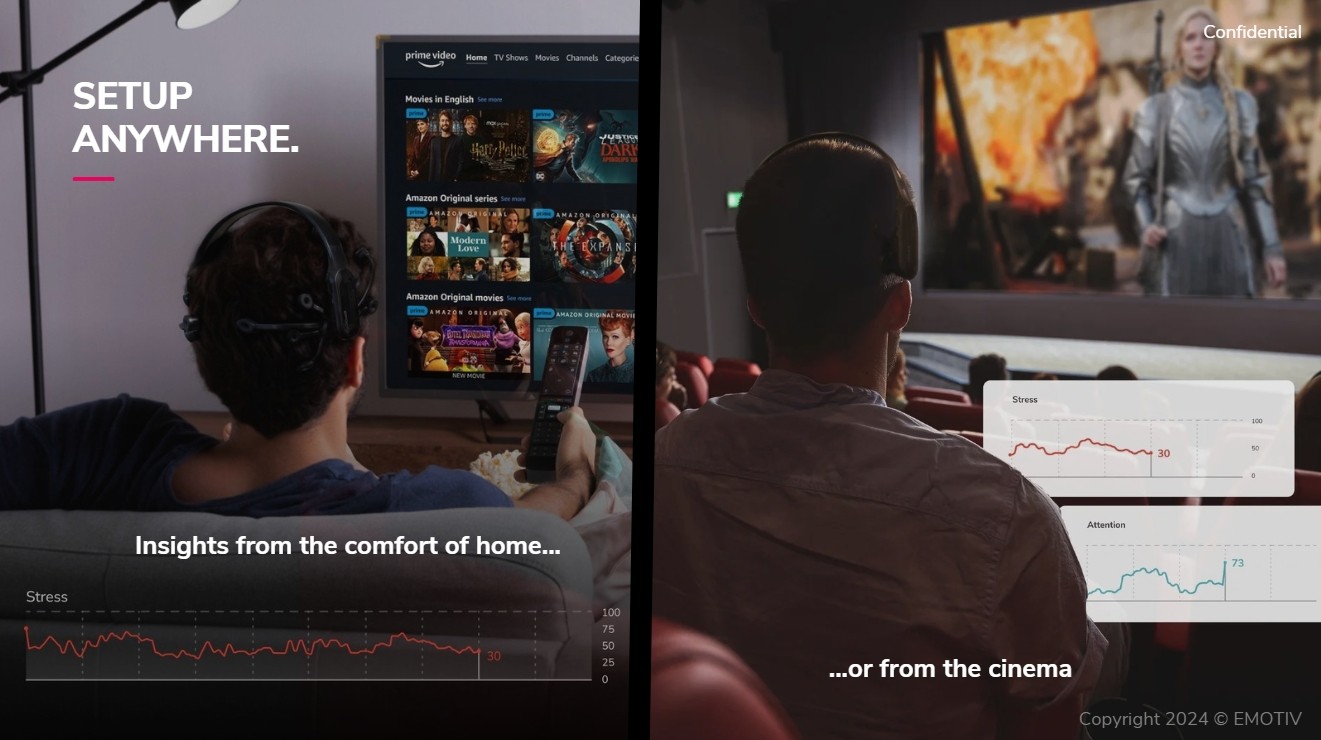
Emotional responses are deeply tied to memory. An ad that makes someone feel excited, happy, or even surprised is far more likely to be remembered than one that doesn't provoke any feeling at all. While you can ask people how an ad made them feel, EEG gives you a real-time, unfiltered look at their emotional engagement. As a participant views your content, you can measure their brain's response second by second.
This approach helps you pinpoint the exact moments in an ad that capture attention or trigger a positive emotional response. Research shows that understanding these emotional triggers is key to shaping consumer behavior and building strong brand perceptions. With a platform like our Emotiv Studio, you can analyze this data to see which creative elements are most effective at forming the emotional connections that drive recall.
Uncover Subconscious Brand Associations
Beyond in-the-moment emotions, your brand also has a web of subconscious associations in the minds of consumers. These are the gut feelings, implicit ideas, and automatic connections people have with your logo, colors, or slogans. These associations are powerful drivers of behavior, but they are almost impossible to capture with direct questions because people often aren't even aware of them.
Neuroscience offers a way to tap into these hidden insights. By measuring brain responses to different brand assets, you can uncover the subconscious brand recall that influences purchase intent. For example, does your logo trigger feelings of trust, innovation, or confusion? Using an EEG headset like our Epoc X, you can gather this data to ensure your branding is building the right associations and strengthening recall on a deeper level.
What Challenges Affect Brand Recall Accuracy?
Measuring brand recall seems simple on the surface, but getting accurate data is a real challenge. Even with a perfectly designed survey, several factors can quietly influence your results, leading you to draw the wrong conclusions. It’s a common hurdle for marketers and researchers. The truth is, what a person says they remember and what their brain actually registered can be two different things. This gap between stated memory and actual cognitive impact is where the trouble starts, making traditional methods feel incomplete.
The main challenges fall into three buckets: the people you’re asking, the way you’re asking, and the world they live in. Human memory is complex and easily influenced by cultural background, personal biases, and even the design of the survey itself. For example, a leading question can unintentionally plant an answer in someone’s mind, while a poorly structured survey can lead to participant fatigue and inaccurate responses. On top of that, external forces like a competitor’s new ad campaign or a major news story can temporarily shift what’s top-of-mind for consumers. Understanding these potential pitfalls is the first step toward gathering recall data you can actually trust and act on.
Account for Cultural Differences
You can’t measure brand recall in a cultural vacuum. How people respond to questions about brands is deeply shaped by their cultural background and social norms. For instance, research shows that consumers in some markets may be more modest or hesitant to express strong familiarity with brands, which could lead to underreported recall scores. These cultural contexts can significantly skew your data if you’re not aware of them. To get a true picture, you have to look beyond the raw numbers and consider the subtle, unwritten rules that guide consumer behavior in different parts of the world. This means adapting your methodology and analysis for each market instead of applying a one-size-fits-all approach.
Overcome Survey Design Limitations
Surveys are the go-to tool for measuring recall, but they have serious limitations. The biggest issue is that you’re relying on self-reported data, which can be unreliable. People may not remember accurately, or they might give answers they think you want to hear. The problem is even bigger with online surveys. It’s estimated that up to 40% of survey answers in the current online market could be fraudulent, coming from bots or disengaged participants just clicking through. This makes it incredibly difficult to trust your data. To counter this, you need robust validation methods and carefully designed questions that minimize bias and screen out low-quality responses.
Consider External Factors
Your brand doesn’t exist in isolation, and neither does your brand recall. It’s constantly being shaped by external factors beyond your direct control. A competitor launching a huge advertising blitz can temporarily dominate the mental landscape, pushing your brand out of the top-of-mind spot. Major news events, social media trends, or even seasonal changes can influence what consumers are thinking about at any given moment. A sudden dip in your recall score might not mean your marketing failed; it could simply reflect a change in the competitive environment. That’s why it’s a strategic imperative to analyze recall data within the broader context of what’s happening in your market.
Strategies to Improve Brand Recall
Now that you understand how to measure brand recall, let's focus on how to improve it. Getting your brand to stick in someone's mind isn't about having the flashiest ads or the biggest budget. It’s about creating consistent, meaningful, and memorable touchpoints. The most effective strategies are rooted in a simple principle: work with the way the human brain naturally forms memories, not against it. By focusing on emotion, consistency, and strategic repetition, you can build a brand that people not only recognize but actively remember. These approaches help forge a stronger connection between your brand and your audience.
Use Emotional Branding to Form Memories
People don’t just buy products; they buy feelings and stories. That's the core idea behind emotional branding. By tapping into fundamental human emotions, you can create experiences that resonate on a much deeper level, making your brand far more memorable. When we feel something strongly, our brains flag that experience as important and worth remembering. This is why a heartfelt story in an ad campaign often outperforms a simple list of product features. To apply this, focus on the "why" behind your brand and tell stories that connect with your audience's values and aspirations. Understanding these emotional responses is central to neuromarketing, which provides tools to see what truly connects with an audience.
Maintain Visual Consistency
Think about the world's most iconic brands. Chances are, you can picture their logo, colors, and maybe even their packaging instantly. That's the power of visual consistency. Our brains are pattern-recognition machines, and consistency creates a strong, reliable pattern for your brand. As the classic example of Coca-Cola shows, using the same logo, color palette, and design elements across all your marketing channels is crucial for building recognition. This creates a mental shortcut for your audience. When they see your distinct visuals, they don't have to guess who it is. This immediate recognition is the foundation of a strong brand identity and lasting brand recall.
Optimize Repetition and Frequency
Have you ever heard a song a few times and not thought much of it, only to find yourself humming it a week later? That's the "mere-exposure effect" at work, and it's a key principle in brand building. Strategic repetition is essential for moving your brand from being simply noticed to being remembered and trusted. A helpful guideline is the 3-7-27 Rule: a person may need to see your brand three times to notice it, seven times to remember it, and twenty-seven times to trust it. This doesn't mean spamming your audience. It means creating a consistent presence across different channels so your message is reinforced over time, solidifying your brand's place in their memory.
Best Practices for Brand Recall Surveys
Surveys are the go-to method for measuring brand recall, but their value depends entirely on how well you design and execute them. A poorly constructed survey can give you misleading data, sending your marketing strategy in the wrong direction. To get accurate and actionable insights, you need to focus on three key areas: writing effective questions, preventing biased responses, and validating your findings. Getting these elements right will ensure the data you collect truly reflects your brand's position in the minds of consumers.
Design Effective Questions
The foundation of any good survey is clear, concise, and unbiased questions. The best way to measure brand recall is to ask specific questions, which you can include in a dedicated survey or add to a broader one about brand awareness. Start with unaided recall questions like, “When you think of neuroscience technology, what brands first come to mind?” to capture top-of-mind awareness. Then, you can move to aided recall questions, such as, “Which of the following brands of EEG headsets have you heard of?” followed by a list. The key is to keep your language simple and direct to avoid confusing your participants. A well-structured questionnaire design helps you gather clean data you can trust.
Avoid Biased Responses
The way you frame your questions can unintentionally influence answers and skew your results. Leading questions, for example, can prompt a specific response, while the order of your questions can also create a bias. It’s also important to consider your audience. As research shows, cultural differences can affect how people respond, with some groups being more reserved in their answers. To minimize bias, use neutral language, randomize the order of your answer choices, and be mindful of the cultural context of your target demographic. This careful approach ensures the feedback you receive is a genuine reflection of consumer perception, not a product of your survey’s design.
Validate Your Data
Collecting survey data is just the first step; you also need to validate it to ensure it’s accurate. One of the most effective methods is to conduct surveys both before and after a major marketing campaign. This allows you to directly measure the brand lift and see how your efforts impacted recall. Don’t let your survey results live in a silo. Compare your findings with other business metrics, such as website traffic, social media engagement, and direct search volume for your brand name. When survey responses align with behavioral data, you can be much more confident in your conclusions and make better-informed decisions for your brand.
How Often Should You Measure Brand Recall?
Deciding when to measure brand recall is just as important as deciding how. The right timing gives you context, helping you understand if your efforts are paying off or if your brand's standing is changing over time. Instead of a single, one-off survey, think of measurement as a continuous process with a clear rhythm. The key is to align your measurement schedule with your marketing activities and long-term business goals. By doing this, you can move from simply collecting data to generating actionable insights that guide your brand strategy.
Establish a Measurement Cadence
To effectively gauge the impact of your marketing, it’s essential to establish a regular measurement cadence. Think of this as your brand’s regular check-up. Conducting a brand recall survey before you launch any major campaigns gives you a crucial baseline. This initial measurement shows you where you stand and provides a benchmark to compare all future results against. A consistent schedule, whether it's quarterly or biannually, helps you see how your audience's perception of your brand evolves naturally over time, separate from the influence of any single campaign. This rhythm allows you to build a rich, historical view of your brand’s health.
Assess Recall After Campaigns
The most common and critical time to measure brand recall is immediately before and after a marketing campaign. This approach allows you to directly assess the "brand lift," or the increase in recall, that resulted from your marketing initiatives. By isolating the impact of a specific campaign, you can get clear data on its effectiveness and better justify your marketing spend. For even deeper insights, you can pair traditional surveys with neuroscience tools. Our Emotiv Studio platform, for example, can help you understand the subconscious emotional reactions to your campaign creative, giving you a more complete picture of its true impact on your audience.
Track Recall Over the Long Term
While campaign-specific measurements are great for short-term analysis, long-term tracking is vital for understanding the overall strength and endurance of your brand. Brand recall can be influenced by many factors, and maintaining a strong presence in the minds of your customers is crucial for building loyalty. Regularly measuring brand recall over the long term helps ensure that customers continue to engage with your brand, fostering repeat business. This broader view can reveal slow-moving trends, like a gradual decline in recall or the rise of a new competitor, that you might otherwise miss if you only focus on post-campaign spikes.
Related Articles
Frequently Asked Questions
What's the most important type of brand recall to focus on? While all types of recall offer useful information, top-of-mind awareness is the ultimate goal. This is when your brand is the very first one a customer thinks of in your category. However, unaided recall is an incredibly powerful and more immediately achievable metric. It shows that your brand has made a strong enough impression to be remembered without any hints, which is a solid indicator of effective marketing and a deep connection with your audience.
Is brand recall only for big companies with large marketing budgets? Not at all. The principles of building a memorable brand apply to businesses of any size. While large companies can afford massive campaigns, small businesses can achieve strong recall by focusing on consistency and creating genuine emotional connections. Excellent customer service, a unique brand story, and consistent visual branding across all your touchpoints can make a powerful impression without requiring a huge budget.
Why should I consider using neuroscience tools like EEG if I'm already using surveys? Surveys are great for understanding what people consciously remember, but they can't tell you why. Neuroscience tools like EEG give you a direct look at the subconscious emotional reactions that are the true drivers of memory. This allows you to see, second by second, how your audience is really feeling as they experience your ad or product. It helps you get past what people say and understand the gut reactions that actually form lasting brand associations.
How can I tell if my brand recall score is good? There isn't a universal "good" score, as it really depends on your industry, market maturity, and competitive landscape. The most meaningful way to evaluate your score is to benchmark it against your direct competitors. Your goal should be to improve your brand's "share of mind" within your specific category. It's also crucial to compare your results over time to see if your own marketing efforts are successfully making your brand more memorable.
Besides marketing campaigns, what else influences brand recall? Every single interaction a person has with your brand shapes their memory of it. This includes the quality of your product, the experience they have with your customer service team, your company's reputation, and what they hear from friends and family. A fantastic ad campaign can be quickly undone by a poor customer experience. Building strong brand recall is a holistic effort that goes far beyond just advertising.
Traditional marketing surveys have a fundamental flaw: they rely on what people say, not what they truly feel. When it comes to building a memorable brand, the strongest connections are often subconscious and emotional. While surveys are a starting point, they only capture a fraction of the story. This is where neuroscience provides a clearer picture. This guide will cover the essential strategies for improving brand recall, but we’ll also go a step further. We will explore how understanding the brain’s emotional responses can transform your approach, making brand recall measurement a more accurate and insightful process that reveals what really resonates with your audience.
Key Takeaways
Focus on recall, not just recognition: Brand recall is when customers think of your brand first without any hints, a key factor that directly influences their buying choices.
Measure your brand's memorability with a plan: Use surveys before and after marketing campaigns to establish a baseline and see your impact. For a fuller picture, compare your results against competitors and use neuroscience to uncover the subconscious emotional connections your brand forms.
Build a memorable brand through emotion and consistency: A consistent visual identity makes your brand instantly familiar, while emotional storytelling creates a deeper connection that sticks in your audience's memory.
What Is Brand Recall and Why Does It Matter?
Have you ever been asked to name a brand of soda, and one name immediately pops into your head? That’s brand recall in action. It’s a measure of how easily customers can remember your brand without any help. This can happen when they’re prompted with a product category (like soda) or completely unprompted. It’s one of the most telling signs of a brand's strength and its place in a consumer's mind.
So, why is this so important? A brand with high recall has a serious competitive edge. When a customer is ready to make a purchase, the brands they remember first are usually the ones they consider. This top-of-mind awareness is crucial for driving sales and long-term growth. Strong brand recall helps you differentiate from competitors, build trust, and create a loyal customer base that thinks of you first. It’s the difference between being a memorable name and just another option in a crowded market.
The Psychology Behind Brand Recall
At its core, brand recall is all about memory and emotion. Our brains are wired to remember things that make us feel something. This is where the field of neuromarketing comes in, helping us understand the emotional triggers that influence what we remember and what we buy. A brand that connects with customers on an emotional level, whether through humor, inspiration, or nostalgia, creates a much stronger mental link than one that just lists product features. These emotional responses are often subconscious, shaping our decisions without us even realizing it. By understanding these deeper connections, you can create marketing that truly sticks with people.
Brand Recall vs. Brand Recognition: What's the Difference?
People often use brand recall and brand recognition interchangeably, but they measure two very different things. Think of it like a test. Brand recognition is like a multiple-choice question: you see a logo, a jingle, or a color scheme and are asked if you recognize it. It’s about familiarity when a prompt is present.
Brand recall, on the other hand, is like a fill-in-the-blank question. It’s the ability to retrieve a brand from your memory without any cues. For example, if I ask you to name a brand of athletic shoes, the names that come to mind demonstrate recall. While recognition is good, brand recall is the goal because it shows a much deeper level of brand awareness and loyalty.
What Are the Different Types of Brand Recall?
When we talk about brand recall, it’s not just a simple yes-or-no question of whether someone remembers your brand. It’s more nuanced than that. Think of it as a spectrum of memory, from a faint flicker of recognition to being the first name that pops into someone’s head. Understanding these different levels is key because each one tells you something different about your brand’s strength and its position in the market. It’s the difference between a customer recognizing your logo in a lineup versus thinking of your product first when they have a need.
Measuring recall helps you gauge the effectiveness of your marketing campaigns and understand how well you’re connecting with your audience. The main ways to look at this are through aided recall, unaided recall, and top-of-mind awareness. Each type requires a different approach to measure and provides unique insights into consumer psychology. By breaking down recall into these categories, you can get a much clearer picture of where your brand stands and identify specific areas where you can build a stronger mental footprint with your customers. This detailed understanding is the foundation for creating more impactful branding and marketing strategies that truly resonate.
Aided Brand Recall
Aided brand recall is all about recognition with a little help. It measures whether a person can identify your brand when they’re given a cue or a prompt. This could be showing them a list of company logos from a specific industry and asking which ones they’ve heard of, or playing a jingle and asking them to name the brand. It’s the most basic level of brand memory. Aided recall is a useful metric for understanding general brand familiarity and seeing how you stack up against direct competitors in a controlled setting. It tells you if your brand assets, like your logo and name, are at least registering with your audience.
Unaided Brand Recall
Unaided brand recall is a much tougher test of memory, and that’s what makes it so valuable. This is when a person can name your brand without any hints or prompts. For example, you might ask someone, “When you think of a company that makes EEG headsets, which brands come to mind?” The brands they list are demonstrating unaided recall. This metric shows a much deeper connection because it means your brand has made enough of an impression to be stored in their long-term memory. It’s a strong indicator that your brand messaging is cutting through the noise and sticking with people.
Top-of-Mind Awareness
Top-of-mind awareness is the ultimate goal for any brand. It’s the highest form of unaided recall and represents the very first brand a consumer thinks of in a given category. If you ask someone to name a soda, and they immediately say “Coke,” that’s top-of-mind awareness. This position is incredibly powerful because it often translates directly into consumer preference and market leadership. Achieving this status means your brand has become synonymous with the product or service itself. It’s more than just being remembered; it’s about being the default, the go-to choice that lives at the forefront of a customer’s mind.
How to Measure Brand Recall Effectively
Measuring brand recall effectively isn't about guesswork; it's about having a solid plan. To get clear, actionable insights, you need to think carefully about how you ask your questions, who you ask, and when you ask them. A structured approach ensures the data you collect is reliable and truly reflects your brand's position in the minds of consumers. By focusing on these core components, you can move from simply gathering opinions to building a strategic understanding of your brand's memorability. Let's walk through the three essential steps to set up your measurement for success.
Design Your Survey Methodology
The most direct way to measure brand recall is by utilizing a survey. This is your primary tool for asking people what they remember. You can either create a dedicated survey focused solely on brand recall or integrate recall questions into broader brand awareness studies. The key is to design your questions carefully. For unaided recall, use open-ended questions like, “When you think of [product category], what brands come to mind?” This prevents you from influencing the answer. For aided recall, you can provide a list of brands and ask which ones they’ve heard of. Your methodology should be consistent over time so you can compare results accurately.
Define Your Sample Size and Demographics
Who you survey is just as important as what you ask. Your results will only be meaningful if your sample group accurately represents your target audience. Before you launch your survey, define the key demographics you want to reach, such as age, location, and interests. For the most authentic results, you can measure unaided brand recall by asking respondents to list the brands they think of first in your category. This method captures top-of-mind awareness in its purest form. A sufficiently large and representative sample size is crucial for ensuring your findings are statistically significant and not just a random outcome.
Get Your Timing Right
Timing can make or break the value of your brand recall data. A great strategy is to conduct surveys both before and after you launch a major marketing campaign. This pre-and-post approach gives you a clear baseline and allows you to directly measure the impact of your efforts. Did your campaign successfully make your brand more memorable? The data will tell you. Beyond specific campaigns, it’s also wise to measure recall at regular intervals, like quarterly or biannually. This helps you track long-term trends and understand how your brand's standing in the market evolves over time.
What Are the Key Metrics for Brand Recall?
Once you have your survey ready, the real work begins: making sense of the data. Measuring brand recall isn't just about asking "Do you remember us?". It’s about using specific metrics to get a clear picture of your brand's place in your customers' minds. Focusing on the right numbers helps you move from simply collecting answers to gaining actionable insights. Let's look at the three key metrics that will tell you what you really need to know.
Calculate Recall Percentage
The most straightforward way to measure brand recall is by calculating the recall percentage. Think of it as a basic health check for your brand's visibility. To find this number, you simply divide the number of survey participants who correctly named your brand by the total number of people you surveyed, then multiply by 100. This simple metric gives you a solid baseline for understanding your overall brand awareness. While there's no universal "good" score, as it varies by industry and brand maturity, it’s a great starting point for setting internal benchmarks and tracking your performance over time.
Analyze Response Time
Beyond if a customer remembers your brand, you should also consider how quickly they remember it. Response time is a subtle but powerful metric. The speed at which someone recalls your brand is often linked to their likelihood of purchasing from you. An instant, confident answer suggests a much stronger mental connection than a hesitant one that comes after a long pause. A quick recall means your brand is not just remembered, but it's also readily accessible in a consumer's mind when they're making a purchasing decision. While this can be tricky to measure in a standard online survey, it's a key data point in more controlled research environments.
Score Your Competitive Position
Your brand recall score doesn't exist in a bubble. To understand what your numbers truly mean, you need to see how you stack up against the competition. When you design your survey, be sure to ask about your direct competitors as well. This gives you a clear view of your brand's "share of mind" within your specific market. It’s also important to consider this across different regions if you have a global audience. Your brand might be a household name in one country but virtually unknown in another. Understanding this competitive landscape is essential for making smart, strategic decisions about your marketing efforts.
How Neuroscience Can Enhance Brand Recall Measurement
While surveys are a great starting point, they rely on what people can consciously remember and articulate. But what about the reactions and associations happening below the surface? This is where neuroscience comes in, offering a more direct look at how your audience truly responds to your brand. By measuring brain activity, you can get past what people say and understand what they feel, which is a powerful factor in memory and recall.
Using tools like electroencephalography (EEG), you can gather objective data on emotional engagement and subconscious reactions. This adds a rich layer of insight to your traditional survey results, helping you understand the "why" behind the numbers. It allows you to see if your branding efforts are creating genuine emotional connections that lead to lasting memories. Our neuromarketing solutions are designed to make this type of research accessible, so you can build a more complete picture of your brand's impact.
Use EEG to Measure Emotional Engagement
Emotional responses are deeply tied to memory. An ad that makes someone feel excited, happy, or even surprised is far more likely to be remembered than one that doesn't provoke any feeling at all. While you can ask people how an ad made them feel, EEG gives you a real-time, unfiltered look at their emotional engagement. As a participant views your content, you can measure their brain's response second by second.
This approach helps you pinpoint the exact moments in an ad that capture attention or trigger a positive emotional response. Research shows that understanding these emotional triggers is key to shaping consumer behavior and building strong brand perceptions. With a platform like our Emotiv Studio, you can analyze this data to see which creative elements are most effective at forming the emotional connections that drive recall.
Uncover Subconscious Brand Associations
Beyond in-the-moment emotions, your brand also has a web of subconscious associations in the minds of consumers. These are the gut feelings, implicit ideas, and automatic connections people have with your logo, colors, or slogans. These associations are powerful drivers of behavior, but they are almost impossible to capture with direct questions because people often aren't even aware of them.
Neuroscience offers a way to tap into these hidden insights. By measuring brain responses to different brand assets, you can uncover the subconscious brand recall that influences purchase intent. For example, does your logo trigger feelings of trust, innovation, or confusion? Using an EEG headset like our Epoc X, you can gather this data to ensure your branding is building the right associations and strengthening recall on a deeper level.
What Challenges Affect Brand Recall Accuracy?
Measuring brand recall seems simple on the surface, but getting accurate data is a real challenge. Even with a perfectly designed survey, several factors can quietly influence your results, leading you to draw the wrong conclusions. It’s a common hurdle for marketers and researchers. The truth is, what a person says they remember and what their brain actually registered can be two different things. This gap between stated memory and actual cognitive impact is where the trouble starts, making traditional methods feel incomplete.
The main challenges fall into three buckets: the people you’re asking, the way you’re asking, and the world they live in. Human memory is complex and easily influenced by cultural background, personal biases, and even the design of the survey itself. For example, a leading question can unintentionally plant an answer in someone’s mind, while a poorly structured survey can lead to participant fatigue and inaccurate responses. On top of that, external forces like a competitor’s new ad campaign or a major news story can temporarily shift what’s top-of-mind for consumers. Understanding these potential pitfalls is the first step toward gathering recall data you can actually trust and act on.
Account for Cultural Differences
You can’t measure brand recall in a cultural vacuum. How people respond to questions about brands is deeply shaped by their cultural background and social norms. For instance, research shows that consumers in some markets may be more modest or hesitant to express strong familiarity with brands, which could lead to underreported recall scores. These cultural contexts can significantly skew your data if you’re not aware of them. To get a true picture, you have to look beyond the raw numbers and consider the subtle, unwritten rules that guide consumer behavior in different parts of the world. This means adapting your methodology and analysis for each market instead of applying a one-size-fits-all approach.
Overcome Survey Design Limitations
Surveys are the go-to tool for measuring recall, but they have serious limitations. The biggest issue is that you’re relying on self-reported data, which can be unreliable. People may not remember accurately, or they might give answers they think you want to hear. The problem is even bigger with online surveys. It’s estimated that up to 40% of survey answers in the current online market could be fraudulent, coming from bots or disengaged participants just clicking through. This makes it incredibly difficult to trust your data. To counter this, you need robust validation methods and carefully designed questions that minimize bias and screen out low-quality responses.
Consider External Factors
Your brand doesn’t exist in isolation, and neither does your brand recall. It’s constantly being shaped by external factors beyond your direct control. A competitor launching a huge advertising blitz can temporarily dominate the mental landscape, pushing your brand out of the top-of-mind spot. Major news events, social media trends, or even seasonal changes can influence what consumers are thinking about at any given moment. A sudden dip in your recall score might not mean your marketing failed; it could simply reflect a change in the competitive environment. That’s why it’s a strategic imperative to analyze recall data within the broader context of what’s happening in your market.
Strategies to Improve Brand Recall
Now that you understand how to measure brand recall, let's focus on how to improve it. Getting your brand to stick in someone's mind isn't about having the flashiest ads or the biggest budget. It’s about creating consistent, meaningful, and memorable touchpoints. The most effective strategies are rooted in a simple principle: work with the way the human brain naturally forms memories, not against it. By focusing on emotion, consistency, and strategic repetition, you can build a brand that people not only recognize but actively remember. These approaches help forge a stronger connection between your brand and your audience.
Use Emotional Branding to Form Memories
People don’t just buy products; they buy feelings and stories. That's the core idea behind emotional branding. By tapping into fundamental human emotions, you can create experiences that resonate on a much deeper level, making your brand far more memorable. When we feel something strongly, our brains flag that experience as important and worth remembering. This is why a heartfelt story in an ad campaign often outperforms a simple list of product features. To apply this, focus on the "why" behind your brand and tell stories that connect with your audience's values and aspirations. Understanding these emotional responses is central to neuromarketing, which provides tools to see what truly connects with an audience.
Maintain Visual Consistency
Think about the world's most iconic brands. Chances are, you can picture their logo, colors, and maybe even their packaging instantly. That's the power of visual consistency. Our brains are pattern-recognition machines, and consistency creates a strong, reliable pattern for your brand. As the classic example of Coca-Cola shows, using the same logo, color palette, and design elements across all your marketing channels is crucial for building recognition. This creates a mental shortcut for your audience. When they see your distinct visuals, they don't have to guess who it is. This immediate recognition is the foundation of a strong brand identity and lasting brand recall.
Optimize Repetition and Frequency
Have you ever heard a song a few times and not thought much of it, only to find yourself humming it a week later? That's the "mere-exposure effect" at work, and it's a key principle in brand building. Strategic repetition is essential for moving your brand from being simply noticed to being remembered and trusted. A helpful guideline is the 3-7-27 Rule: a person may need to see your brand three times to notice it, seven times to remember it, and twenty-seven times to trust it. This doesn't mean spamming your audience. It means creating a consistent presence across different channels so your message is reinforced over time, solidifying your brand's place in their memory.
Best Practices for Brand Recall Surveys
Surveys are the go-to method for measuring brand recall, but their value depends entirely on how well you design and execute them. A poorly constructed survey can give you misleading data, sending your marketing strategy in the wrong direction. To get accurate and actionable insights, you need to focus on three key areas: writing effective questions, preventing biased responses, and validating your findings. Getting these elements right will ensure the data you collect truly reflects your brand's position in the minds of consumers.
Design Effective Questions
The foundation of any good survey is clear, concise, and unbiased questions. The best way to measure brand recall is to ask specific questions, which you can include in a dedicated survey or add to a broader one about brand awareness. Start with unaided recall questions like, “When you think of neuroscience technology, what brands first come to mind?” to capture top-of-mind awareness. Then, you can move to aided recall questions, such as, “Which of the following brands of EEG headsets have you heard of?” followed by a list. The key is to keep your language simple and direct to avoid confusing your participants. A well-structured questionnaire design helps you gather clean data you can trust.
Avoid Biased Responses
The way you frame your questions can unintentionally influence answers and skew your results. Leading questions, for example, can prompt a specific response, while the order of your questions can also create a bias. It’s also important to consider your audience. As research shows, cultural differences can affect how people respond, with some groups being more reserved in their answers. To minimize bias, use neutral language, randomize the order of your answer choices, and be mindful of the cultural context of your target demographic. This careful approach ensures the feedback you receive is a genuine reflection of consumer perception, not a product of your survey’s design.
Validate Your Data
Collecting survey data is just the first step; you also need to validate it to ensure it’s accurate. One of the most effective methods is to conduct surveys both before and after a major marketing campaign. This allows you to directly measure the brand lift and see how your efforts impacted recall. Don’t let your survey results live in a silo. Compare your findings with other business metrics, such as website traffic, social media engagement, and direct search volume for your brand name. When survey responses align with behavioral data, you can be much more confident in your conclusions and make better-informed decisions for your brand.
How Often Should You Measure Brand Recall?
Deciding when to measure brand recall is just as important as deciding how. The right timing gives you context, helping you understand if your efforts are paying off or if your brand's standing is changing over time. Instead of a single, one-off survey, think of measurement as a continuous process with a clear rhythm. The key is to align your measurement schedule with your marketing activities and long-term business goals. By doing this, you can move from simply collecting data to generating actionable insights that guide your brand strategy.
Establish a Measurement Cadence
To effectively gauge the impact of your marketing, it’s essential to establish a regular measurement cadence. Think of this as your brand’s regular check-up. Conducting a brand recall survey before you launch any major campaigns gives you a crucial baseline. This initial measurement shows you where you stand and provides a benchmark to compare all future results against. A consistent schedule, whether it's quarterly or biannually, helps you see how your audience's perception of your brand evolves naturally over time, separate from the influence of any single campaign. This rhythm allows you to build a rich, historical view of your brand’s health.
Assess Recall After Campaigns
The most common and critical time to measure brand recall is immediately before and after a marketing campaign. This approach allows you to directly assess the "brand lift," or the increase in recall, that resulted from your marketing initiatives. By isolating the impact of a specific campaign, you can get clear data on its effectiveness and better justify your marketing spend. For even deeper insights, you can pair traditional surveys with neuroscience tools. Our Emotiv Studio platform, for example, can help you understand the subconscious emotional reactions to your campaign creative, giving you a more complete picture of its true impact on your audience.
Track Recall Over the Long Term
While campaign-specific measurements are great for short-term analysis, long-term tracking is vital for understanding the overall strength and endurance of your brand. Brand recall can be influenced by many factors, and maintaining a strong presence in the minds of your customers is crucial for building loyalty. Regularly measuring brand recall over the long term helps ensure that customers continue to engage with your brand, fostering repeat business. This broader view can reveal slow-moving trends, like a gradual decline in recall or the rise of a new competitor, that you might otherwise miss if you only focus on post-campaign spikes.
Related Articles
Frequently Asked Questions
What's the most important type of brand recall to focus on? While all types of recall offer useful information, top-of-mind awareness is the ultimate goal. This is when your brand is the very first one a customer thinks of in your category. However, unaided recall is an incredibly powerful and more immediately achievable metric. It shows that your brand has made a strong enough impression to be remembered without any hints, which is a solid indicator of effective marketing and a deep connection with your audience.
Is brand recall only for big companies with large marketing budgets? Not at all. The principles of building a memorable brand apply to businesses of any size. While large companies can afford massive campaigns, small businesses can achieve strong recall by focusing on consistency and creating genuine emotional connections. Excellent customer service, a unique brand story, and consistent visual branding across all your touchpoints can make a powerful impression without requiring a huge budget.
Why should I consider using neuroscience tools like EEG if I'm already using surveys? Surveys are great for understanding what people consciously remember, but they can't tell you why. Neuroscience tools like EEG give you a direct look at the subconscious emotional reactions that are the true drivers of memory. This allows you to see, second by second, how your audience is really feeling as they experience your ad or product. It helps you get past what people say and understand the gut reactions that actually form lasting brand associations.
How can I tell if my brand recall score is good? There isn't a universal "good" score, as it really depends on your industry, market maturity, and competitive landscape. The most meaningful way to evaluate your score is to benchmark it against your direct competitors. Your goal should be to improve your brand's "share of mind" within your specific category. It's also crucial to compare your results over time to see if your own marketing efforts are successfully making your brand more memorable.
Besides marketing campaigns, what else influences brand recall? Every single interaction a person has with your brand shapes their memory of it. This includes the quality of your product, the experience they have with your customer service team, your company's reputation, and what they hear from friends and family. A fantastic ad campaign can be quickly undone by a poor customer experience. Building strong brand recall is a holistic effort that goes far beyond just advertising.
Traditional marketing surveys have a fundamental flaw: they rely on what people say, not what they truly feel. When it comes to building a memorable brand, the strongest connections are often subconscious and emotional. While surveys are a starting point, they only capture a fraction of the story. This is where neuroscience provides a clearer picture. This guide will cover the essential strategies for improving brand recall, but we’ll also go a step further. We will explore how understanding the brain’s emotional responses can transform your approach, making brand recall measurement a more accurate and insightful process that reveals what really resonates with your audience.
Key Takeaways
Focus on recall, not just recognition: Brand recall is when customers think of your brand first without any hints, a key factor that directly influences their buying choices.
Measure your brand's memorability with a plan: Use surveys before and after marketing campaigns to establish a baseline and see your impact. For a fuller picture, compare your results against competitors and use neuroscience to uncover the subconscious emotional connections your brand forms.
Build a memorable brand through emotion and consistency: A consistent visual identity makes your brand instantly familiar, while emotional storytelling creates a deeper connection that sticks in your audience's memory.
What Is Brand Recall and Why Does It Matter?
Have you ever been asked to name a brand of soda, and one name immediately pops into your head? That’s brand recall in action. It’s a measure of how easily customers can remember your brand without any help. This can happen when they’re prompted with a product category (like soda) or completely unprompted. It’s one of the most telling signs of a brand's strength and its place in a consumer's mind.
So, why is this so important? A brand with high recall has a serious competitive edge. When a customer is ready to make a purchase, the brands they remember first are usually the ones they consider. This top-of-mind awareness is crucial for driving sales and long-term growth. Strong brand recall helps you differentiate from competitors, build trust, and create a loyal customer base that thinks of you first. It’s the difference between being a memorable name and just another option in a crowded market.
The Psychology Behind Brand Recall
At its core, brand recall is all about memory and emotion. Our brains are wired to remember things that make us feel something. This is where the field of neuromarketing comes in, helping us understand the emotional triggers that influence what we remember and what we buy. A brand that connects with customers on an emotional level, whether through humor, inspiration, or nostalgia, creates a much stronger mental link than one that just lists product features. These emotional responses are often subconscious, shaping our decisions without us even realizing it. By understanding these deeper connections, you can create marketing that truly sticks with people.
Brand Recall vs. Brand Recognition: What's the Difference?
People often use brand recall and brand recognition interchangeably, but they measure two very different things. Think of it like a test. Brand recognition is like a multiple-choice question: you see a logo, a jingle, or a color scheme and are asked if you recognize it. It’s about familiarity when a prompt is present.
Brand recall, on the other hand, is like a fill-in-the-blank question. It’s the ability to retrieve a brand from your memory without any cues. For example, if I ask you to name a brand of athletic shoes, the names that come to mind demonstrate recall. While recognition is good, brand recall is the goal because it shows a much deeper level of brand awareness and loyalty.
What Are the Different Types of Brand Recall?
When we talk about brand recall, it’s not just a simple yes-or-no question of whether someone remembers your brand. It’s more nuanced than that. Think of it as a spectrum of memory, from a faint flicker of recognition to being the first name that pops into someone’s head. Understanding these different levels is key because each one tells you something different about your brand’s strength and its position in the market. It’s the difference between a customer recognizing your logo in a lineup versus thinking of your product first when they have a need.
Measuring recall helps you gauge the effectiveness of your marketing campaigns and understand how well you’re connecting with your audience. The main ways to look at this are through aided recall, unaided recall, and top-of-mind awareness. Each type requires a different approach to measure and provides unique insights into consumer psychology. By breaking down recall into these categories, you can get a much clearer picture of where your brand stands and identify specific areas where you can build a stronger mental footprint with your customers. This detailed understanding is the foundation for creating more impactful branding and marketing strategies that truly resonate.
Aided Brand Recall
Aided brand recall is all about recognition with a little help. It measures whether a person can identify your brand when they’re given a cue or a prompt. This could be showing them a list of company logos from a specific industry and asking which ones they’ve heard of, or playing a jingle and asking them to name the brand. It’s the most basic level of brand memory. Aided recall is a useful metric for understanding general brand familiarity and seeing how you stack up against direct competitors in a controlled setting. It tells you if your brand assets, like your logo and name, are at least registering with your audience.
Unaided Brand Recall
Unaided brand recall is a much tougher test of memory, and that’s what makes it so valuable. This is when a person can name your brand without any hints or prompts. For example, you might ask someone, “When you think of a company that makes EEG headsets, which brands come to mind?” The brands they list are demonstrating unaided recall. This metric shows a much deeper connection because it means your brand has made enough of an impression to be stored in their long-term memory. It’s a strong indicator that your brand messaging is cutting through the noise and sticking with people.
Top-of-Mind Awareness
Top-of-mind awareness is the ultimate goal for any brand. It’s the highest form of unaided recall and represents the very first brand a consumer thinks of in a given category. If you ask someone to name a soda, and they immediately say “Coke,” that’s top-of-mind awareness. This position is incredibly powerful because it often translates directly into consumer preference and market leadership. Achieving this status means your brand has become synonymous with the product or service itself. It’s more than just being remembered; it’s about being the default, the go-to choice that lives at the forefront of a customer’s mind.
How to Measure Brand Recall Effectively
Measuring brand recall effectively isn't about guesswork; it's about having a solid plan. To get clear, actionable insights, you need to think carefully about how you ask your questions, who you ask, and when you ask them. A structured approach ensures the data you collect is reliable and truly reflects your brand's position in the minds of consumers. By focusing on these core components, you can move from simply gathering opinions to building a strategic understanding of your brand's memorability. Let's walk through the three essential steps to set up your measurement for success.
Design Your Survey Methodology
The most direct way to measure brand recall is by utilizing a survey. This is your primary tool for asking people what they remember. You can either create a dedicated survey focused solely on brand recall or integrate recall questions into broader brand awareness studies. The key is to design your questions carefully. For unaided recall, use open-ended questions like, “When you think of [product category], what brands come to mind?” This prevents you from influencing the answer. For aided recall, you can provide a list of brands and ask which ones they’ve heard of. Your methodology should be consistent over time so you can compare results accurately.
Define Your Sample Size and Demographics
Who you survey is just as important as what you ask. Your results will only be meaningful if your sample group accurately represents your target audience. Before you launch your survey, define the key demographics you want to reach, such as age, location, and interests. For the most authentic results, you can measure unaided brand recall by asking respondents to list the brands they think of first in your category. This method captures top-of-mind awareness in its purest form. A sufficiently large and representative sample size is crucial for ensuring your findings are statistically significant and not just a random outcome.
Get Your Timing Right
Timing can make or break the value of your brand recall data. A great strategy is to conduct surveys both before and after you launch a major marketing campaign. This pre-and-post approach gives you a clear baseline and allows you to directly measure the impact of your efforts. Did your campaign successfully make your brand more memorable? The data will tell you. Beyond specific campaigns, it’s also wise to measure recall at regular intervals, like quarterly or biannually. This helps you track long-term trends and understand how your brand's standing in the market evolves over time.
What Are the Key Metrics for Brand Recall?
Once you have your survey ready, the real work begins: making sense of the data. Measuring brand recall isn't just about asking "Do you remember us?". It’s about using specific metrics to get a clear picture of your brand's place in your customers' minds. Focusing on the right numbers helps you move from simply collecting answers to gaining actionable insights. Let's look at the three key metrics that will tell you what you really need to know.
Calculate Recall Percentage
The most straightforward way to measure brand recall is by calculating the recall percentage. Think of it as a basic health check for your brand's visibility. To find this number, you simply divide the number of survey participants who correctly named your brand by the total number of people you surveyed, then multiply by 100. This simple metric gives you a solid baseline for understanding your overall brand awareness. While there's no universal "good" score, as it varies by industry and brand maturity, it’s a great starting point for setting internal benchmarks and tracking your performance over time.
Analyze Response Time
Beyond if a customer remembers your brand, you should also consider how quickly they remember it. Response time is a subtle but powerful metric. The speed at which someone recalls your brand is often linked to their likelihood of purchasing from you. An instant, confident answer suggests a much stronger mental connection than a hesitant one that comes after a long pause. A quick recall means your brand is not just remembered, but it's also readily accessible in a consumer's mind when they're making a purchasing decision. While this can be tricky to measure in a standard online survey, it's a key data point in more controlled research environments.
Score Your Competitive Position
Your brand recall score doesn't exist in a bubble. To understand what your numbers truly mean, you need to see how you stack up against the competition. When you design your survey, be sure to ask about your direct competitors as well. This gives you a clear view of your brand's "share of mind" within your specific market. It’s also important to consider this across different regions if you have a global audience. Your brand might be a household name in one country but virtually unknown in another. Understanding this competitive landscape is essential for making smart, strategic decisions about your marketing efforts.
How Neuroscience Can Enhance Brand Recall Measurement
While surveys are a great starting point, they rely on what people can consciously remember and articulate. But what about the reactions and associations happening below the surface? This is where neuroscience comes in, offering a more direct look at how your audience truly responds to your brand. By measuring brain activity, you can get past what people say and understand what they feel, which is a powerful factor in memory and recall.
Using tools like electroencephalography (EEG), you can gather objective data on emotional engagement and subconscious reactions. This adds a rich layer of insight to your traditional survey results, helping you understand the "why" behind the numbers. It allows you to see if your branding efforts are creating genuine emotional connections that lead to lasting memories. Our neuromarketing solutions are designed to make this type of research accessible, so you can build a more complete picture of your brand's impact.
Use EEG to Measure Emotional Engagement
Emotional responses are deeply tied to memory. An ad that makes someone feel excited, happy, or even surprised is far more likely to be remembered than one that doesn't provoke any feeling at all. While you can ask people how an ad made them feel, EEG gives you a real-time, unfiltered look at their emotional engagement. As a participant views your content, you can measure their brain's response second by second.
This approach helps you pinpoint the exact moments in an ad that capture attention or trigger a positive emotional response. Research shows that understanding these emotional triggers is key to shaping consumer behavior and building strong brand perceptions. With a platform like our Emotiv Studio, you can analyze this data to see which creative elements are most effective at forming the emotional connections that drive recall.
Uncover Subconscious Brand Associations
Beyond in-the-moment emotions, your brand also has a web of subconscious associations in the minds of consumers. These are the gut feelings, implicit ideas, and automatic connections people have with your logo, colors, or slogans. These associations are powerful drivers of behavior, but they are almost impossible to capture with direct questions because people often aren't even aware of them.
Neuroscience offers a way to tap into these hidden insights. By measuring brain responses to different brand assets, you can uncover the subconscious brand recall that influences purchase intent. For example, does your logo trigger feelings of trust, innovation, or confusion? Using an EEG headset like our Epoc X, you can gather this data to ensure your branding is building the right associations and strengthening recall on a deeper level.
What Challenges Affect Brand Recall Accuracy?
Measuring brand recall seems simple on the surface, but getting accurate data is a real challenge. Even with a perfectly designed survey, several factors can quietly influence your results, leading you to draw the wrong conclusions. It’s a common hurdle for marketers and researchers. The truth is, what a person says they remember and what their brain actually registered can be two different things. This gap between stated memory and actual cognitive impact is where the trouble starts, making traditional methods feel incomplete.
The main challenges fall into three buckets: the people you’re asking, the way you’re asking, and the world they live in. Human memory is complex and easily influenced by cultural background, personal biases, and even the design of the survey itself. For example, a leading question can unintentionally plant an answer in someone’s mind, while a poorly structured survey can lead to participant fatigue and inaccurate responses. On top of that, external forces like a competitor’s new ad campaign or a major news story can temporarily shift what’s top-of-mind for consumers. Understanding these potential pitfalls is the first step toward gathering recall data you can actually trust and act on.
Account for Cultural Differences
You can’t measure brand recall in a cultural vacuum. How people respond to questions about brands is deeply shaped by their cultural background and social norms. For instance, research shows that consumers in some markets may be more modest or hesitant to express strong familiarity with brands, which could lead to underreported recall scores. These cultural contexts can significantly skew your data if you’re not aware of them. To get a true picture, you have to look beyond the raw numbers and consider the subtle, unwritten rules that guide consumer behavior in different parts of the world. This means adapting your methodology and analysis for each market instead of applying a one-size-fits-all approach.
Overcome Survey Design Limitations
Surveys are the go-to tool for measuring recall, but they have serious limitations. The biggest issue is that you’re relying on self-reported data, which can be unreliable. People may not remember accurately, or they might give answers they think you want to hear. The problem is even bigger with online surveys. It’s estimated that up to 40% of survey answers in the current online market could be fraudulent, coming from bots or disengaged participants just clicking through. This makes it incredibly difficult to trust your data. To counter this, you need robust validation methods and carefully designed questions that minimize bias and screen out low-quality responses.
Consider External Factors
Your brand doesn’t exist in isolation, and neither does your brand recall. It’s constantly being shaped by external factors beyond your direct control. A competitor launching a huge advertising blitz can temporarily dominate the mental landscape, pushing your brand out of the top-of-mind spot. Major news events, social media trends, or even seasonal changes can influence what consumers are thinking about at any given moment. A sudden dip in your recall score might not mean your marketing failed; it could simply reflect a change in the competitive environment. That’s why it’s a strategic imperative to analyze recall data within the broader context of what’s happening in your market.
Strategies to Improve Brand Recall
Now that you understand how to measure brand recall, let's focus on how to improve it. Getting your brand to stick in someone's mind isn't about having the flashiest ads or the biggest budget. It’s about creating consistent, meaningful, and memorable touchpoints. The most effective strategies are rooted in a simple principle: work with the way the human brain naturally forms memories, not against it. By focusing on emotion, consistency, and strategic repetition, you can build a brand that people not only recognize but actively remember. These approaches help forge a stronger connection between your brand and your audience.
Use Emotional Branding to Form Memories
People don’t just buy products; they buy feelings and stories. That's the core idea behind emotional branding. By tapping into fundamental human emotions, you can create experiences that resonate on a much deeper level, making your brand far more memorable. When we feel something strongly, our brains flag that experience as important and worth remembering. This is why a heartfelt story in an ad campaign often outperforms a simple list of product features. To apply this, focus on the "why" behind your brand and tell stories that connect with your audience's values and aspirations. Understanding these emotional responses is central to neuromarketing, which provides tools to see what truly connects with an audience.
Maintain Visual Consistency
Think about the world's most iconic brands. Chances are, you can picture their logo, colors, and maybe even their packaging instantly. That's the power of visual consistency. Our brains are pattern-recognition machines, and consistency creates a strong, reliable pattern for your brand. As the classic example of Coca-Cola shows, using the same logo, color palette, and design elements across all your marketing channels is crucial for building recognition. This creates a mental shortcut for your audience. When they see your distinct visuals, they don't have to guess who it is. This immediate recognition is the foundation of a strong brand identity and lasting brand recall.
Optimize Repetition and Frequency
Have you ever heard a song a few times and not thought much of it, only to find yourself humming it a week later? That's the "mere-exposure effect" at work, and it's a key principle in brand building. Strategic repetition is essential for moving your brand from being simply noticed to being remembered and trusted. A helpful guideline is the 3-7-27 Rule: a person may need to see your brand three times to notice it, seven times to remember it, and twenty-seven times to trust it. This doesn't mean spamming your audience. It means creating a consistent presence across different channels so your message is reinforced over time, solidifying your brand's place in their memory.
Best Practices for Brand Recall Surveys
Surveys are the go-to method for measuring brand recall, but their value depends entirely on how well you design and execute them. A poorly constructed survey can give you misleading data, sending your marketing strategy in the wrong direction. To get accurate and actionable insights, you need to focus on three key areas: writing effective questions, preventing biased responses, and validating your findings. Getting these elements right will ensure the data you collect truly reflects your brand's position in the minds of consumers.
Design Effective Questions
The foundation of any good survey is clear, concise, and unbiased questions. The best way to measure brand recall is to ask specific questions, which you can include in a dedicated survey or add to a broader one about brand awareness. Start with unaided recall questions like, “When you think of neuroscience technology, what brands first come to mind?” to capture top-of-mind awareness. Then, you can move to aided recall questions, such as, “Which of the following brands of EEG headsets have you heard of?” followed by a list. The key is to keep your language simple and direct to avoid confusing your participants. A well-structured questionnaire design helps you gather clean data you can trust.
Avoid Biased Responses
The way you frame your questions can unintentionally influence answers and skew your results. Leading questions, for example, can prompt a specific response, while the order of your questions can also create a bias. It’s also important to consider your audience. As research shows, cultural differences can affect how people respond, with some groups being more reserved in their answers. To minimize bias, use neutral language, randomize the order of your answer choices, and be mindful of the cultural context of your target demographic. This careful approach ensures the feedback you receive is a genuine reflection of consumer perception, not a product of your survey’s design.
Validate Your Data
Collecting survey data is just the first step; you also need to validate it to ensure it’s accurate. One of the most effective methods is to conduct surveys both before and after a major marketing campaign. This allows you to directly measure the brand lift and see how your efforts impacted recall. Don’t let your survey results live in a silo. Compare your findings with other business metrics, such as website traffic, social media engagement, and direct search volume for your brand name. When survey responses align with behavioral data, you can be much more confident in your conclusions and make better-informed decisions for your brand.
How Often Should You Measure Brand Recall?
Deciding when to measure brand recall is just as important as deciding how. The right timing gives you context, helping you understand if your efforts are paying off or if your brand's standing is changing over time. Instead of a single, one-off survey, think of measurement as a continuous process with a clear rhythm. The key is to align your measurement schedule with your marketing activities and long-term business goals. By doing this, you can move from simply collecting data to generating actionable insights that guide your brand strategy.
Establish a Measurement Cadence
To effectively gauge the impact of your marketing, it’s essential to establish a regular measurement cadence. Think of this as your brand’s regular check-up. Conducting a brand recall survey before you launch any major campaigns gives you a crucial baseline. This initial measurement shows you where you stand and provides a benchmark to compare all future results against. A consistent schedule, whether it's quarterly or biannually, helps you see how your audience's perception of your brand evolves naturally over time, separate from the influence of any single campaign. This rhythm allows you to build a rich, historical view of your brand’s health.
Assess Recall After Campaigns
The most common and critical time to measure brand recall is immediately before and after a marketing campaign. This approach allows you to directly assess the "brand lift," or the increase in recall, that resulted from your marketing initiatives. By isolating the impact of a specific campaign, you can get clear data on its effectiveness and better justify your marketing spend. For even deeper insights, you can pair traditional surveys with neuroscience tools. Our Emotiv Studio platform, for example, can help you understand the subconscious emotional reactions to your campaign creative, giving you a more complete picture of its true impact on your audience.
Track Recall Over the Long Term
While campaign-specific measurements are great for short-term analysis, long-term tracking is vital for understanding the overall strength and endurance of your brand. Brand recall can be influenced by many factors, and maintaining a strong presence in the minds of your customers is crucial for building loyalty. Regularly measuring brand recall over the long term helps ensure that customers continue to engage with your brand, fostering repeat business. This broader view can reveal slow-moving trends, like a gradual decline in recall or the rise of a new competitor, that you might otherwise miss if you only focus on post-campaign spikes.
Related Articles
Frequently Asked Questions
What's the most important type of brand recall to focus on? While all types of recall offer useful information, top-of-mind awareness is the ultimate goal. This is when your brand is the very first one a customer thinks of in your category. However, unaided recall is an incredibly powerful and more immediately achievable metric. It shows that your brand has made a strong enough impression to be remembered without any hints, which is a solid indicator of effective marketing and a deep connection with your audience.
Is brand recall only for big companies with large marketing budgets? Not at all. The principles of building a memorable brand apply to businesses of any size. While large companies can afford massive campaigns, small businesses can achieve strong recall by focusing on consistency and creating genuine emotional connections. Excellent customer service, a unique brand story, and consistent visual branding across all your touchpoints can make a powerful impression without requiring a huge budget.
Why should I consider using neuroscience tools like EEG if I'm already using surveys? Surveys are great for understanding what people consciously remember, but they can't tell you why. Neuroscience tools like EEG give you a direct look at the subconscious emotional reactions that are the true drivers of memory. This allows you to see, second by second, how your audience is really feeling as they experience your ad or product. It helps you get past what people say and understand the gut reactions that actually form lasting brand associations.
How can I tell if my brand recall score is good? There isn't a universal "good" score, as it really depends on your industry, market maturity, and competitive landscape. The most meaningful way to evaluate your score is to benchmark it against your direct competitors. Your goal should be to improve your brand's "share of mind" within your specific category. It's also crucial to compare your results over time to see if your own marketing efforts are successfully making your brand more memorable.
Besides marketing campaigns, what else influences brand recall? Every single interaction a person has with your brand shapes their memory of it. This includes the quality of your product, the experience they have with your customer service team, your company's reputation, and what they hear from friends and family. A fantastic ad campaign can be quickly undone by a poor customer experience. Building strong brand recall is a holistic effort that goes far beyond just advertising.