بعد قضائك أياماً أو أسابيع منغمساً في الإيقاع المنظم لخلوة التأمل، تجد نفسك واقفاً عند باب بيتك، والمفاتيح في يدك، لتواجه الفوضى المعتادة للحياة اليومية. يهتز الهاتف معلناً عن تراكم الرسائل. وتخترق أصوات حركة المرور وعيك المرهف. فيما تصدر الثلاجة طنيناً يبدو صاخباً لدرجة تكاد تكون مزعجة.
يمثل هذا الانتقال الصادم من شرنقة ممارسة التأمل والتدبر إلى المسؤوليات اليومية أحد أكثر الجوانب تحدياً في المشاركة بالخلوات الروحية. فالرؤى و الـ Insight المكتسبة خلال ممارسة اليقظة الذهنية المكثفة قد تبدو هشة، ومهددة بالضغوط الفورية للعودة إلى الأنماط القديمة والالتزامات الخارجية.
كيف يغير الانغماس في خلوة تأملية بنية الدماغ ووظيفته؟
خلال خلوات التأمل المكثفة، يشارك المشاركون في ساعات طويلة من ممارسات الانتباه المركّز والمراقبة المفتوحة على حد سواء.
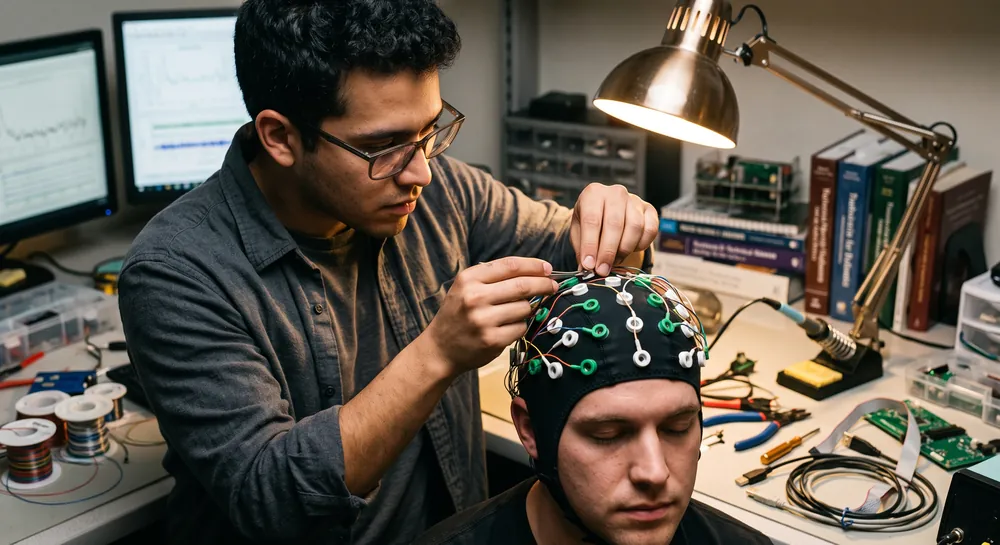
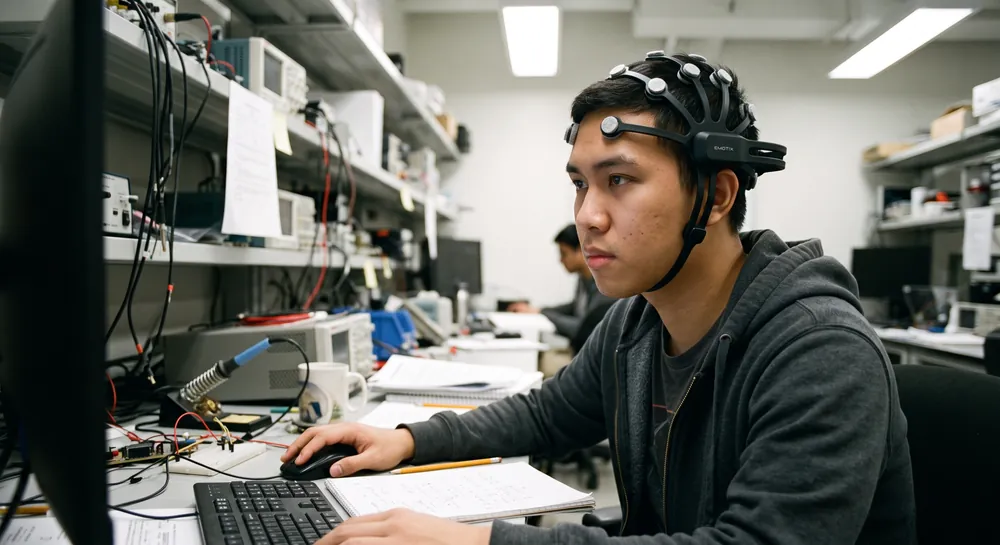
تكشف أبحاث تخطيط كهربية الدماغ (EEG) عن تحولات متميزة في النشاط الكهربائي في الوقت الفعلي بعد جلسات طويلة من التأمل. وغالباً ما توثق الدراسات زيادة في قوة وتزامن تذبذبات موجات ألفا (8-13 هرتز) وثيتا (4-8 هرتز) الدماغية خلال هذه الفترات الغامرة.
يرتبط نشاط ألفا المعزز، لا سيما عبر المناطق القشرية الجبهية والخلفية، ارتباطاً وثيقاً بحالة من اليقظة المسترخية والترشيح الحسي النشط، مما يرتبط بالتجربة الذاتية للهدوء العميق وتقليل التأثر بالمشتتات البيئية الخارجية.
وبالتزامن مع ذلك، ترتبط زيادة قوة ثيتا - والتي غالباً ما تتركز فوق الهياكل القشرية الجبهية المتوسطة - بالمتطلبات المتزايدة للمراقبة الداخلية، والانتباه المستمر، والمعالجة غير التفاعلية للأحداث المعرفية والعاطفية.
توفر هذه التحولات الفيزيولوجية الكهربية نافذة وظيفية على الديناميكيات العصبية الفورية للممارسة المكثفة، مما يكمل المرونة العصبية الهيكلية المرصودة في دراسات التصوير العصبي طويلة المدى.
لماذا تحدث "صدمة الثقافة العكسية" عند العودة إلى المنزل بعد الخلوة؟
يوازي الشعور بالارتباك الذي يختبره المرء عند مغادرة خلوة التأمل الظاهرة النفسية المعروفة باسم صدمة الثقافة العكسية.
خلال الخلوة، يتكيف جهازك العصبي مع بيئة تتميز بالحد الأدنى من التحفيز الخارجي، والروتين المتوقع، والتركيز المستمر. ويخلق غياب الأجهزة الرقمية، والمحادثات العادية، واتخاذ القرارات حالة عصبية فريدة.
تصبح شبكة الوضع الافتراضي لديك، وهي منطقة الدماغ المسؤولة عن شرود الذهن والتفكير المرجعي الذاتي، أقل نشاطاً. وفي الوقت نفسه، تتقوى المناطق المرتبطة بالوعي باللحظة الحالية والوضوح الحسي.
يوضح هذا الإعادة للمعايرة العصبية سبب إمكانية الشعور بالارتباك والضغط عند العودة إلى الحياة الطبيعية.
كيف تؤثر حدة الحواس المتزايدة على عودتك إلى عالم "صاخب"؟
تؤدي الفترات الطويلة من الصمت والحد الأدنى من التحفيز إلى تعزيز الحساسية الحسية بشكل كبير. وتحدث هذه الظاهرة، المعروفة باسم الترشيح الحسي، عندما تصبح آليات التصفية في الدماغ أكثر دقة.
خلال الخلوة، تصبح الأصوات والألوان والأحاسيس الجسدية الدقيقة التي تظل عادةً تحت عتبة الوعي الواعي واضحة وجلية بشكل حيوي.
عند العودة، يمكن لهذه الحساسية المتزايدة أن تجعل البيئات العادية تبدو هجومية ومزعجة. فالأزيز المنبعث من أضواء الفلورسنت والفوضى البصرية التي لم تكن تلاحظها من قبل تتنافس الآن على جذب انتباهك بكثافة غير مريحة. ويصبح جهازك العصبي، الذي اعتاد على معالجة الحد الأدنى من المدخلات، عرضة للتحفيز المفرط بسهولة.
ما هي التقلبات العاطفية الشائعة التي يتم تجربتها بعد الخلوة؟
يبلغ العديد من الممارسين عن شعور أولي بالبهجة والسلام العميق، تليه موجات غير متوقعة من الانفعال أو الحزن أو القلق. ويعكس هذا التقلب العاطفي الاضطراب المؤقت للأنماط النفسية الراسخة.
خلال الخلوة، يسمح الانتباه المستمر وتقليل التفاعلية للمشاعر المكبوتة بالظهور بشكل طبيعي. ويوفر الإطار الآمن للممارسة المنظمة مساحة لمعالجة هذه التجارب.
ومع ذلك، عند العودة، قد تستمر هذه المشاعر نفسها في الظهور دون وجود الإطار الداعم لجداول الخلوة وتوجيهات المعلمين.
بالإضافة إلى ذلك، يمكن للتناقض بين وضوح الخلوة والتشوش العادي أن يثير خيبة الأمل أو الحزن. وتبرز السهولة النسبية للحفاظ على الوعي في بيئة خاضعة للرقابة التحديات المتمثلة في الحفاظ على ذات الجودة من الانتباه وسط المشتتات اليومية. وغالباً ما يولد هذا التقييم نقداً ذاتياً أو إحباطاً.
خطوات عملية للحفاظ على زخم ممارستك لليقظة الذهنية
توفر البيئة المنظمة لخلوات التأمل دعماً خارجياً للممارسة المتسقة. فالأجراس تحدد فترات الجلوس، والوجبات تصل في أوقات محددة مسبقاً، ويقضي غياب الخيارات على إرهاق اتخاذ القرار. ويتطلب نقل هذا الانضباط إلى ممارسة ذاتية التوجيه تخطيطاً استراتيجياً وتوقعات واقعية.
يعتمد النجاح على إنشاء أنظمة تدعم الاستمرارية مع تلبية المتطلبات المشروعة للحياة اليومية. وبدلاً من محاولة تكرار ظروف الخلوة، ركز على الحفاظ على العناصر الأساسية: الممارسة الرسمية المنتظمة، والانتباه المستمر، والانسحاب الدوري من الأنماط التفاعلية.
كيف يمكنك تكييف جدول الخلوة الصارم مع حياة مزدحمة؟
يكمن المفتاح لـ ممارسة مستدامة في:
تحديد الحد الأدنى من الجرعة الفعالة - وهو طول الجلسة الأساسي الذي يمكنك الحفاظ عليه يومياً
ربط التأمل بعاداتك الحالية مثل قهوة الصباح أو الروتين المسائي
تخصيص مكان محدد في المنزل حصرياً للممارسة لتقليل الموانع والعوائق
جدولة الجلسات في تقويمك والانضمام إلى مجموعة ممارسة لتعزيز المساءلة
ما هو الدور الذي تلعبه "الممارسات المصغرة" في الحفاظ على مكاسب ما بعد الخلوة؟
بينما يمثل تأمل الجلوس الرسمي أساس الممارسة، فإن الممارسات المصغرة طوال اليوم تحافظ على استمرارية الوعي الذي تطور خلال الخلوة. وتعمل لحظات الانتباه الواعي الوجيزة هذه على سد الفجوة بين الجلسات الرسمية والأنشطة العادية.
فيما يلي بعض الممارسات المصغرة الشائعة الاستخدام:
خذ ثلاثة أنفاس واعية قبل التحقق من البريد الإلكتروني أو أي تطبيق
امشِ بيقظة ذهنية بين الاجتماعات، ملاحظاً كل خطوة ونفس
توقف مؤقتاً لتشعر تماماً بالأحاسيس الجسدية أثناء غسل الأطباق أو إعداد الطعام
استخدم الانتقالات اليومية (المرور بباب، رنين الهاتف) كمحفزات للعودة إلى الحاضر
تكمن قوة الممارسات المصغرة في تأثيرها التراكمي. فمثلما تتطلب اللياقة البدنية تمارين منظمة ونشاطاً عاماً طوال اليوم، فإن التدريب العقلي يستفيد من كل من التأمل الرسمي وممارسات الوعي غير الرسمية.
تمنع هذه التدخلات الوجيزة التلاشي التام لمكاسب خلوة التأمل بين جلسات الجلوس.
كيف يمكنك تطبيق رؤى خلوة التأمل لتحسين عملك وعلاقاتك الفردية؟
يخلق الوضوح والهدوء اللذان يتطوران خلال الخلوة فرصاً لتحويل ديناميكيات العلاقات الشخصية والفعالية المهنية. ومع ذلك، فإن تطبيق هذه الرؤى يتطلب وسائل ماهرة.
إن المحاولات المباشرة لتغيير الآخرين أو فرض معايير بمستوى الخلوة على التفاعلات اليومية غالباً ما تؤدي إلى نتائج عكسية. وبدلاً من ذلك، ركز على التغييرات الداخلية التي تؤثر بشكل طبيعي على العلاقات الخارجية.
كيف تتعامل مع الصراعات بين الأشخاص بوعيك الجديد؟
تنمي ممارسة الخلوة القدرة على مراقبة ردود الفعل العاطفية دون التصرف بناءً عليها على الفور. وتثبت هذه المهارة قيمتها الكبيرة عند خوض محادثات صعبة أو علاقات مليئة بالتحديات.
إن المساحة بين الشعور والاستجابة، والتي يتم تنميتها من خلال التأمل، تسمح بتواصل أكثر مهارة ويقظة.
عندما ينشأ صراع، توقف مؤقتاً لملاحظة حالتك الداخلية قبل الرد. هل أنت في حالة دفاع، أم هجوم، أم انسحاب؟ ما هي الأحاسيس الجسدية التي تصاحب هذه الأنماط العاطفية؟
يقطع هذا الوعي الذاتي اللحظي ردود الفعل التلقائية ويخلق خيارات لاستجابات أكثر وعياً.
علاوة على ذلك، تدرب على التحدث من منطلق الوضوح بدلاً من التفاعلية. واسمح للاستجابات بالظهور من الوعي الواسع المتولد خلال الخلوة بدلاً من الأنماط الدفاعية. هذا لا يعني أن تصبح سلبياً، بل يعني الانخراط بنية واعية بدلاً من العادة اللاواعية.
الخطوة | الإجراء |
|---|---|
التوقف والملاحظة | تفاعلاتك الداخلية أولاً |
الإصغاء بعمق | بانتباه مستقبِل وفضولي |
الاستجابة | من منطلق الوضوح، وليس الاندفاع |
ما هو النهج الواعي لإعادة التعامل مع التكنولوجيا ووسائل التواصل الاجتماعي؟
غالباً ما يكشف غياب الأجهزة الرقمية خلال خلوة التأمل عن مدى الاعتماد على التكنولوجيا وتأثير ذلك على الوضوح العقلي. وتتطلب إعادة التعامل مع التكنولوجيا نية واعية للحفاظ على سمات الانتباه التي تطورت أثناء الممارسة.
يمكنك البدء بـ:
وضع حدود واضحة حول استخدام الأجهزة.
تحديد أوقات معينة للتحقق من البريد الإلكتروني، وسائل التواصل الاجتماعي، والأخبار بدلاً من السماح بالوصول المستمر إليها.
إنشاء مناطق خالية من الهاتف أثناء الوجبات، والمحادثات، وفترات الاسترخاء.
استخدام وضع الطيران أثناء ممارسة التأمل والنوم للتخلص من المشتتات.
بالإضافة إلى ذلك، حاول تطبيق مبادئ اليقظة الذهنية على تفاعلاتك الرقمية. ولاحظ الحالات العاطفية التي تنشأ عند تصفح شبكات التواصل الاجتماعي أو قراءة المقالات الإخبارية.
هل تبحث عن التحقق والتقدير، أم تتجنب الانزعاج، أم تخدر مشاعرك الصعبة؟ تتيح معرفة هذه الأنماط اتخاذ خيارات أكثر وعياً بشأن استخدام التكنولوجيا.
بشكل عام، يمكنك التفكير في نهج إعادة التعامل التدريجي. وبدلاً من العودة الفورية إلى العادات الرقمية لما قبل الخلوة، أعد إدخال الأجهزة والمنصات ببطء مع مراقبة آثارها على الوضوح العقلي والرفاهية العاطفية.
كيف تشرح تجربة خلوة التأمل لأصدقائك وعائلتك؟
يمكن لعمق ممارسة الخلوة أن يخلق شعوراً مؤقتاً بالانفصال عن أولئك الذين لم يشاركونك تجارب مماثلة.
لذلك، غالباً ما يُنصح بتجنب محاولة نقل النطاق الكامل لمرئيات وأفكار خلوتك فور عودتك. فغالباً ما تفوق الرغبة في مشاركة كل شيء قدرة المستمعين على الاستيعاب ويمكن أن تصنع مسافة في العلاقات دون قصد.
بدلاً من ذلك، اسمح لتغييراتك بالتعبير عن نفسها من خلال الأفعال بدلاً من الأوصاف والكلمات.
عندما تُسأل عن تجربتك، ركز على الفوائد العملية بدلاً من الإشراقات الفلسفية. وتحدث عن التحسينات في جودة النوم، أو إدارة التوتر، أو التنظيم العاطفي. فهذه التغييرات الملموسة يسهل فهمها والشعور بها، وتكون أقل عرضة لإثارة الشكوك أو المواقف الدفاعية لدى الآخرين.
عوائق شائعة يجب تجنبها بعد خلوة التأمل
تُهدد العديد من التحديات المتوقعة الاندماج الناجح لمكاسب الخلوة. وتشمل العوائق الأكثر شيوعاً إما رفض الحياة العادية لصالح إضفاء الطابع المثالي على الخلوة، أو استخدام المفاهيم الروحية لتجنب العمل النفسي.
لماذا يعتبر "التجاوز الروحي" خطراً بعد تجربة عميقة؟
يحدث التجاوز الروحي عندما يتم استخدام رؤى الخلوة لتجنب معالجة الصدمات غير المحلولة، أو صعوبات العلاقات، أو المسؤوليات العملية. وتصبح الحالات العميقة التي يتم الوصول إليها أثناء التأمل مهرباً من تجربة الحياة الإنسانية الكاملة بدلاً من الانخراط فيها.
يتطلب الاندماج الصحي جلب وضوح الخلوة إلى التحديات العادية بدلاً من استخدام التجارب الروحية لتجاهلها والتغاضي عنها. فإذا كشفت ممارسة الخلوة عن أنماط من القلق، أو الاكتئاب، أو صعوبة في العلاقات الشخصية، فإن هذه القضايا تتطلب اهتماماً مباشراً بدلاً من التبرير الروحي.
علاوة على ذلك، حافظ على نظرة متوازنة لتجارب الخلوة. فبينما توفر الحالات العميقة التي يتم الوصول إليها أثناء الممارسة المكثفة لمحات قيمة عن الإمكانات البشرية، فإنها تمثل أحوالاً مؤقتة وليست إنجازات دائمة.
ويكمن العمل الحقيقي في تجسيد هذه الرؤى تدريجياً في سياق الحياة اليومية بدلاً من التشبث بتجارب الذروة وتجمدها.
خاتمة
يتطلب الطريق من رؤى خلوة التأمل إلى التجسيد اليومي الصبر، والوسائل الماهرة، والتوقعات الواقعية. وتوفر الحالات العميقة التي يتم الوصول إليها خلال الممارسة المكثفة بوصلة للتطور المستمر بدلاً من كونها وجهة نهائية يتعين الوصول إليها.
لا يُقاس النجاح بالحفاظ الدائم على ظروف الخلوة، بل بالاندماج التدريجي للوعي، والتعاطف، والحكمة في الطيف الكامل للتجربة الإنسانية.
يغير هذا الاندماج الممارس وبيئته على حد سواء، مما يخلق آثاراً ممتدة تتجاوز بكثير الفوائد الفردية لـ صحة الدماغ والرفاهية الشخصية.
المراجع
Lagopoulos, J., Xu, J., Rasmussen, I., Vik, A., Malhi, G. S., Eliassen, C. F., ... & Ellingsen, Ø. (2009). Increased theta and alpha EEG activity during nondirective meditation. The Journal of Alternative and Complementary Medicine: Paradigm, Practice, and Policy Advancing Integrative Health, 15(11), 1187-1192. https://doi.org/10.1089/acm.2009.0113
الأسئلة الشائعة
لماذا أشعر بالارتباك الشديد والضغط عندما أعود إلى المنزل من خلوة التأمل؟
يؤدي التباين الشديد بين بيئة الخلوة المنظمة وقليلة التحفيز والعالم اليومي غير المتوقع لـ "صدمة ثقافية عكسية". لقد تكيف جهازك العصبي مع الحد الأدنى من المدخلات، لذا فإن العودة إلى الصخب والمتطلبات تبدو محفزة بشكل مفرط حتى تتكيف تدريجياً من جديد.
كيف يجعل قضاء أيام في صمت الأصوات العادية تبدو غير محتملة؟
تعمل فترات الصمت الممتدة على تحسين الترشيح الحسي، وهو قدرة الدماغ على تصفية المنبهات، مما يجعل الأصوات الدقيقة واضحة وبارزة بشكل كبير. وعند العودة، يمكن أن تبدو الضوضاء اليومية مثل حركة المرور أو الأجهزة المنزلية وكأنها هجوم ومصدر إزعاج، ولكن هذه الحساسية تقل بشكل طبيعي مع إعادة معايرة جهازك العصبي.
كيف يمكنني الحفاظ على روتين التأمل عندما لا يكون لدي جدول زمني محدد كما هو الحال في الخلوة؟
حدد حداً أدنى فعالاً ومستداماً للممارسة من خلال ربطها بعاداتك اليومية مثل قهوة الصباح أو فترات استراحة الغداء، حتى لو كانت وجيزة فقط. إن اتساق التوقيت أكثر أهمية من المدة، كما أن تخصيص مساحة مخصصة للممارسة يقلل من العوائق للبدء.
ما هي الممارسات المصغرة ولماذا هي مهمة للاندماج؟
الممارسات المصغرة هي لحظات وجيزة من الانتباه المقصود المنسوج في الأنشطة الروتينية، مثل أخذ ثلاثة أنفاس واعية قبل التحقق من البريد الإلكتروني. وهي تحافظ على استمرارية الوعي بين جلسات التأمل الرسمية، مما يمنع الفقدان الكامل لمكاسب الخلوة.
كيف يمكنني استخدام رؤى الخلوة للتعامل مع النزاعات بشكل أفضل؟
توقف مؤقتاً لملاحظة ردود أفعالك الداخلية قبل الاستجابة، مما يخلق مساحة لاختيار رد فعل واعٍ بدلاً من التفاعل التلقائي. إن الاستماع بكامل انتباهك والتحدث من منطلق الوضوح بدلاً من الدفاع يمكن أن يهدئ التوتر ويحسن التواصل.
كيف يجب أن أتعامل مع استخدام الهواتف ووسائل التواصل الاجتماعي بعد فترة الانقطاع؟
ضع حدوداً واضحة من خلال تحديد أوقات معينة للاستخدام الرقمي وإنشاء مناطق خالية من الهاتف لتناول الوجبات أو النوم. وأعد إدخال التكنولوجيا تدريجياً، مع الانتباه لكيفية تأثيرها على وضوحك العقلي وحالتك العاطفية، حتى تتمكن من اتخاذ خيارات مقصودة.
ما هو التجاوز الروحي وكيف يمكنني تجنبه؟
التجاوز الروحي هو استخدام رؤى الخلوة لتجنب الألم العاطفي غير المكتمل أو المسؤوليات العملية بدلاً من التعامل معها. ويعني الاندماج الصحي جلب الوعي إلى هذه التحديات مباشرة، وليس تجاهلها بمثاليات روحية.
تُعد Emotiv شركة رائدة في تقنيات الأعصاب، تساعد على تطوير أبحاث علم الأعصاب من خلال أدوات EEG وبيانات الدماغ سهلة الوصول.
إخلاء مسؤولية طبي: المعلومات المقدمة على هذا الموقع هي لأغراض تعليمية وإعلامية فقط ولا يُقصد بها أن تكون نصيحة طبية أو صحية. قد يحتوي هذا المحتوى على أخطاء ولا ينبغي الاعتماد عليه لاتخاذ قرارات صحية أو طبية أو نمط حياة تغير مجرى الحياة. احرص دائمًا على استشارة طبيبك أو أي مقدم رعاية صحية مؤهل آخر بشأن أي أسئلة قد تكون لديك بخصوص أي حالة طبية أو علاج.
كريستيان بورغوس