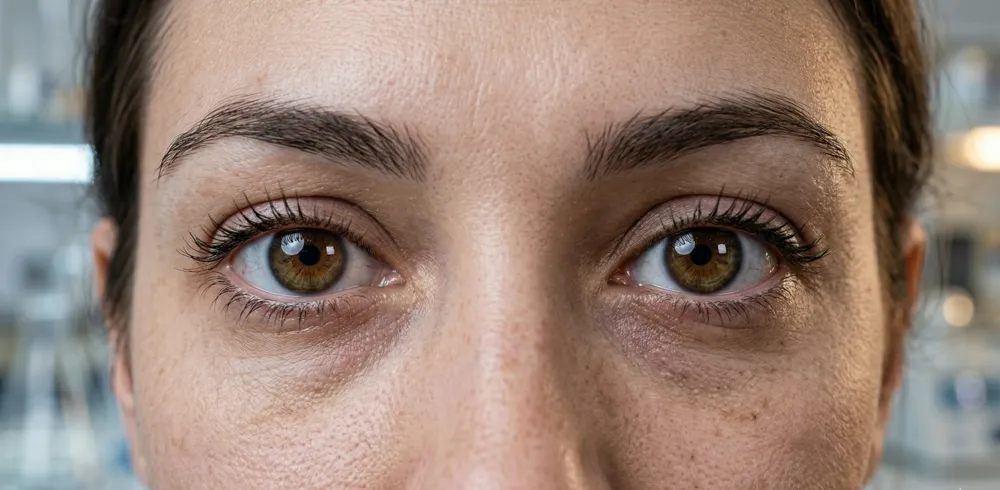
عندما يتعلق الأمر بالاضطراب ثنائي القطب، تطرح بعض النقاشات تغيّرات في العينين. وبينما لا يختبر الجميع هذا الأمر، وبالتأكيد ليس أداةً للتشخيص، فإن فهم كيف قد تبدو أو تعمل عيون المصابين بالاضطراب ثنائي القطب يمكن أن يكون مفيدًا.
تتناول هذه المقالة الروابط المحتملة بين الاضطراب ثنائي القطب والرؤية، وما الذي يذكر بعض الأشخاص أنهم يرونه، ولماذا قد تحدث هذه التغيّرات.

أهم النقاط
يفيد بعض الأشخاص المصابين بالاضطراب ثنائي القطب أنهم يلاحظون تغيّرات في أعينهم أثناء نوبات المزاج، رغم أن ذلك لا ينطبق على الجميع.
خلال مراحل الهوس، قد تبدو العينان «لامعتين»، وقد يتسع حدقتا العين، أو تبدو النظرة أكثر اتساعًا.
قد ترتبط نوبات الاكتئاب بظهور العينين أقل بريقًا أو بمظهر «شارد».
مع وجود أدلة قصصية على تغيّرات مثل تبدّل لون العين، فإن الأبحاث العلمية تفتقر حاليًا إلى دعم هذه الادعاءات المحددة، لكنها تشير إلى احتمال حدوث تغيّرات في حركات العين.
يمكن أن تكون لأدوية الاضطراب ثنائي القطب أحيانًا آثار جانبية تؤثر في الرؤية، ويجب مناقشة أي مخاوف مع مقدم الرعاية الصحية.
What Is the Connection Between Bipolar Disorder and Physical Eye Health?
Bipolar disorder is a brain disorder that often affects mood and energy levels. While it's primarily known for its impact on mental well-being, there's a growing interest in how it might influence physical health, including the eyes.
During manic or hypomanic episodes, some individuals report or display noticeable changes in their eyes. These can include pupil dilation, which may be a response to increased neurotransmitter activity or the body's reaction to heightened excitement or stress.
These observations, sometimes referred to informally as "manic eyes," might reflect the intense energy and altered perception characteristic of these phases.
While these eye-related phenomena are not diagnostic criteria for bipolar disorder, they can sometimes offer subtle clues about a person's current mood state. Understanding these potential connections can be helpful for patients, their families, and healthcare providers in recognizing and managing the multifaceted nature of bipolar disorder.
Common Eye-Related Symptoms in Bipolar Disorder
How Do Manic Phases Specifically Affect Gaze and Pupil Dilation?
During manic or hypomanic episodes, some individuals report heightened sensory experiences. This can sometimes translate to visual perceptions, such as colors appearing more vivid or brighter, leading some to wear sunglasses even indoors.
Others might notice their vision becoming sharper or more focused, with an amplified perception of their surroundings. There can also be a feeling of expanded peripheral vision, making a person more aware of things in its side view, or an inability to filter out minor visual details.
Anecdotal reports also suggest potential physical changes during these phases. These might include:
Dilated pupils: This can be a response to increased energy, excitement, or even the stress and fear associated with psychosis, which can occur during manic episodes. Neurobiologically, increased levels of certain hormones like norepinephrine, associated with stress and fear, can cause pupils to widen.
"Sparkling" eyes: This description often refers to eyes that appear unusually bright or have a shimmering quality.
Changes in gaze: Some individuals might experience a widened gaze.
It's worth noting that while these observations are reported, scientific research specifically linking these exact visual phenomena to bipolar disorder is still developing. The idea of eye color changes, for instance, lacks strong scientific backing.
What Characteristic Eye Changes Are Linked to Depressive Episodes?
Depressive episodes can also be associated with certain changes. These often involve a reduction in facial expressiveness, which can extend to the eye area. This might lead to:
Less "light" in the eyes: This is a subjective description often conveying a sense of reduced animation or engagement.
Perceptual dimming: Some people report that the world appears less vibrant or colorful during depressive states.
Changes in eye movement and focus: Psychomotor retardation can manifest as slower eye movements or a more vacant stare. Hooded eyelids might also contribute to a darker appearance of the eyes.
How Can Psychiatric Medications for Bipolar Disorder Impact Ocular Comfort?
What Potential Vision-Related Side Effects Should Patients Discuss with Doctors?
Medications used to manage bipolar disorder primarily work by adjusting brain chemicals like dopamine and norepinephrine. While these treatments are vital for stabilizing mood, they can sometimes lead to changes affecting vision. It's not uncommon for individuals to experience side effects, and these can manifest in various ways related to the eyes.
Some medications might cause:
Dry eyes: This can lead to discomfort, a gritty sensation, and increased blinking.
Blurred vision: Difficulty focusing or seeing clearly can occur.
Changes in pupil size: Pupils may become larger (dilated) or smaller (constricted), which can affect light sensitivity.
Sensitivity to light (photophobia): Bright lights may become uncomfortable or even painful.
Visual disturbances: In some instances, people report seeing halos around lights or experiencing other unusual visual phenomena.
It is important to remember that not everyone experiences these side effects, and their severity can vary greatly. The goal of treatment is to find a medication or combination of medications that effectively manages bipolar disorder with minimal adverse effects.
If any vision changes are noticed, discussing them with a healthcare provider is the recommended course of action. Adjustments to dosage or switching to a different medication may be possible options to help manage these symptoms while continuing to treat the bipolar disorder.
When Is an Evaluation by an Eye Specialist Recommended?
It may be a good idea to schedule an appointment with an eye specialist, like an optometrist or ophthalmologist, if you notice any significant changes in your vision or eye comfort, especially if these changes seem to coincide with shifts in your mood. While some visual experiences might be linked to the fluctuations of bipolar disorder, it's important to rule out other potential eye conditions.
Here are a few reasons why seeking professional eye care is recommended:
New or Worsening Vision Problems: This includes things like blurred vision, double vision, sudden flashes of light, or a noticeable increase in floaters. These symptoms could indicate a range of issues, from refractive errors to more serious conditions.
Persistent Eye Discomfort: If you're experiencing ongoing eye pain, redness, excessive watering, or a feeling of grittiness, an eye doctor can help determine the cause.
Changes in Eye Appearance: While some anecdotal reports suggest changes in eye appearance during different mood states, any persistent or concerning alteration in how your eyes look should be evaluated by a specialist.
Medication Monitoring: If you are taking medications for bipolar disorder, some can have side effects that affect vision. Regular eye check-ups are important to monitor for these potential impacts.
An eye examination can help identify and manage various eye health concerns. This process typically involves a review of your medical history, visual acuity tests, and a thorough examination of the eye's structures.
Depending on the findings, the specialist may recommend corrective lenses, prescribe eye drops, or suggest further diagnostic tests.
What Practical Strategies Support Better Eye Health While Living with Bipolar Disorder?
Caring for eye health while living with bipolar disorder takes a bit of attention and planning. There are a few practical methods and habits that may support overall well-being and help reduce discomfort linked to eye-related symptoms.
Below are some straightforward steps and ideas to consider:
Pay attention to sleep quality. Changes in mood can impact rest, and poor sleep often leads to red, dry, or tired eyes.
Keep up with regular medical check-ins. Routine visits with healthcare professionals can help address vision concerns early on.
Note any new or changing symptoms, such as blurring, light sensitivity, or trouble focusing, as these could be connected to medications or mood phases.
Limit activities that strain the eyes, especially during periods of fatigue or mania (like excessive screen time or reading for long hours).
Use lubricating eye drops as advised by a healthcare provider if dryness or irritation becomes an issue.
Wear sunglasses during manic phases if vision seems sharpened or bright lights feel harsh.
Maintain open communication among care providers, including mental health and eye specialists.
For those balancing psychiatric treatments, being mindful of vision changes is helpful since various medications can influence eye comfort and function. Making note of any side effects or unusual experiences—and sharing these during doctor visits—can support better overall care.
Staying informed and practicing regular self-care routines may help make living with bipolar disorder a bit more manageable, especially when it comes to eye health.
Looking Ahead: Managing Bipolar Disorder and Eye Health
While anecdotal reports and some neuroscience research suggest potential links between bipolar disorder and changes in eye appearance or movement, it's important to approach this information with a balanced perspective.
Not everyone with bipolar disorder will experience these changes, and relying solely on them to identify mood episodes can be misleading. The primary focus for managing bipolar disorder should always be on evidence-based treatments, including medication, therapy, and lifestyle adjustments, which are designed to address the underlying neurochemical imbalances.
If you or a loved one notice any changes in your eyes, whether physical or related to vision, it is always best to consult with a healthcare professional. They can help determine the cause and ensure that your overall health, including your eye health, is properly managed alongside your bipolar disorder treatment.
References
Parker, G., Coroneo, M. T., & Spoelma, M. J. (2023). Bipolar eyes: Windows to the pole?. The Australian and New Zealand journal of psychiatry, 57(11), 1405–1406. https://doi.org/10.1177/00048674231195259
Constable, P. A., Al-Dasooqi, D., Bruce, R., & Prem-Senthil, M. (2022). A Review of Ocular Complications Associated with Medications Used for Anxiety, Depression, and Stress. Clinical optometry, 14, 13–25. https://doi.org/10.2147/OPTO.S355091
Frequently Asked Questions
Can bipolar disorder really change how someone's eyes look?
Sometimes, people with bipolar disorder might notice changes in their eyes during mood swings. For instance, during a manic phase, pupils might get bigger, or eyes might seem brighter or 'sparkle.' During a depressive phase, eyes might appear less lively. However, these changes don't happen to everyone and aren't a sure sign of the condition.
What are 'bipolar eyes'?
The term 'bipolar eyes' is not a medical term. It's a way some people describe possible changes in eye appearance, like bigger pupils or a different gaze, that might happen during mood episodes. While some people report these changes, there's no solid scientific proof that eye color or shape changes due to bipolar disorder.
How can mood swings affect vision?
Mood swings can sometimes affect how people see or focus. For example, during mania, some might feel their vision sharpens or colors seem brighter. During depression, people might feel tired, have trouble focusing, or experience a sense of dimness. There's also research suggesting that eye movements might be different in people with bipolar disorder.
Do medications for bipolar disorder affect the eyes?
Some medications used to treat bipolar disorder can have side effects that might impact vision. These could include blurry vision, dry eyes, or sensitivity to light. It's important to discuss any vision changes with your doctor, as they can help adjust medication or suggest ways to manage side effects.
Can stress or lack of sleep related to bipolar disorder affect my eyes?
Yes, stress and changes in sleep patterns, which are common with bipolar disorder, can affect your eyes. Lack of sleep might make your eyes feel dry, look bloodshot, or cause you to blink more often. Extreme tiredness can also make it harder to focus.
Is there a way to manage eye health while living with bipolar disorder?
Managing your bipolar disorder with the help of your doctor is key. This includes taking prescribed medications, attending therapy, and maintaining healthy sleep habits. Regular eye check-ups are also important. If you experience vision issues, talk to both your mental health provider and your eye doctor to ensure coordinated care.
تُعد Emotiv شركة رائدة في تقنيات الأعصاب، تساعد على تطوير أبحاث علم الأعصاب من خلال أدوات EEG وبيانات الدماغ سهلة الوصول.
Emotiv