기억력을 도전하세요! Emotiv 앱에서 새로운 N-Back 게임을 플레이하세요

  • 기억력을 도전하세요! Emotiv 앱에서 새로운 N-Back 게임을 플레이하세요

  • 기억력을 도전하세요! Emotiv 앱에서 새로운 N-Back 게임을 플레이하세요

The Ultimate Guide to In-Ear EEG Technology

Heidi Duran

공유:

For decades, gathering brain data meant being tethered to a lab. Traditional EEG systems, while powerful, are often cumbersome, time-consuming to set up, and impractical for studying behavior in natural settings. This has limited our ability to understand the brain as it functions in daily life. The development of in-ear EEG directly addresses these challenges. By placing dry-electrode sensors into a comfortable earbud, this technology eliminates messy gels and complex setups. It offers a portable, discreet, and user-friendly way to collect brain activity data anywhere, opening up new frontiers for research and development that were previously out of reach.


View Products

Key Takeaways

  • Make Brain Data Collection Practical: In-ear EEG brings brain-sensing technology out of the lab with a discreet earbud design and gel-free dry electrodes. This makes the setup quick and comfortable, allowing for long-term data gathering in natural, everyday environments.

  • Explore a Wide Range of Applications: The technology's accessibility opens doors for diverse projects. You can use it to conduct more naturalistic academic studies, build user-friendly brain-computer interfaces, or gather objective feedback for neuromarketing and UX design.

  • Prioritize Fit for High-Quality Data: A snug, stable fit is crucial for capturing a clear signal and minimizing noise from movement. When choosing a device, balance physical comfort with software compatibility to ensure the tool aligns perfectly with your project's goals.

What Is In-Ear EEG?

In-ear electroencephalography (EEG) is a way to measure brain activity using small sensors placed comfortably inside your ear canal. If you picture traditional EEG, you probably imagine a cap covered in wires and electrodes. In-ear EEG takes that powerful technology and places it into a discreet, earbud-style form factor. This approach detects the faint electrical signals your brain naturally produces as neurons communicate with each other, giving you a window into its activity without the cumbersome setup of older methods.

The goal of in-ear EEG is to make gathering brain data more accessible and practical for everyday environments. Instead of being limited to a lab, you can get insights into brain activity during work, study, or even sleep. This opens up new possibilities for academic research, providing access to cognitive wellness tools, and developing innovative brain-computer interfaces. By moving the sensors from the scalp to the ear, the process becomes simpler, faster, and much less noticeable to the outside world. It’s a significant step in bringing brain-sensing technology out of the laboratory and into real-world applications where context and comfort are key. This shift allows for more naturalistic data collection, reflecting brain states as they happen in real life.

How It Works

Think of an in-ear EEG device as a smart earbud. On the surface, it looks and feels familiar, but inside, it’s packed with sophisticated sensors. These tiny electrodes make contact with the skin inside your ear canal to pick up the brain's electrical signals. Because the ear is close to the temporal lobe and brainstem, it’s a surprisingly effective location for capturing this data.

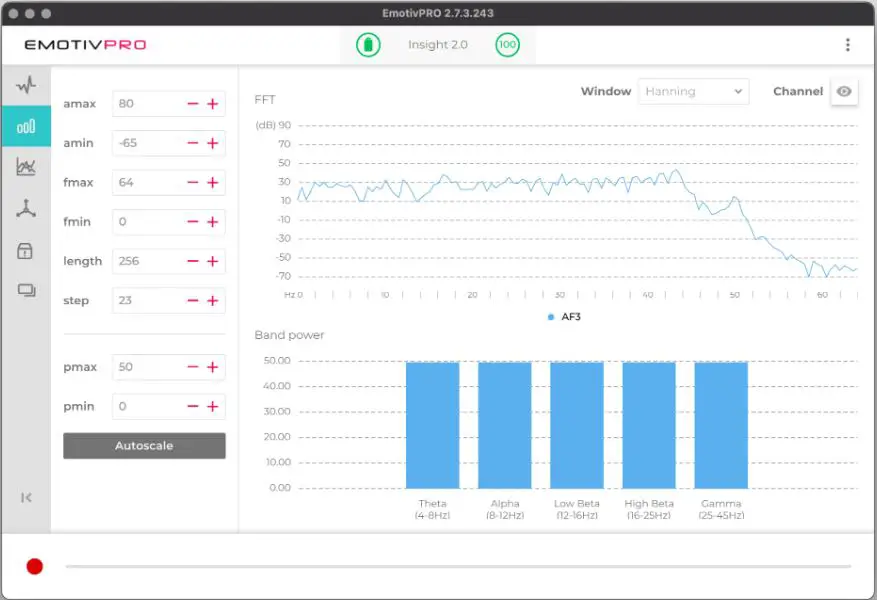
Once the sensors capture the raw EEG signals, the device wirelessly transmits the data to a connected smartphone or computer. From there, specialized software like our EmotivPRO platform analyzes and visualizes the information, turning complex brain patterns into understandable metrics and graphs that you can interpret and act on.

Key Components and Electrode Placement

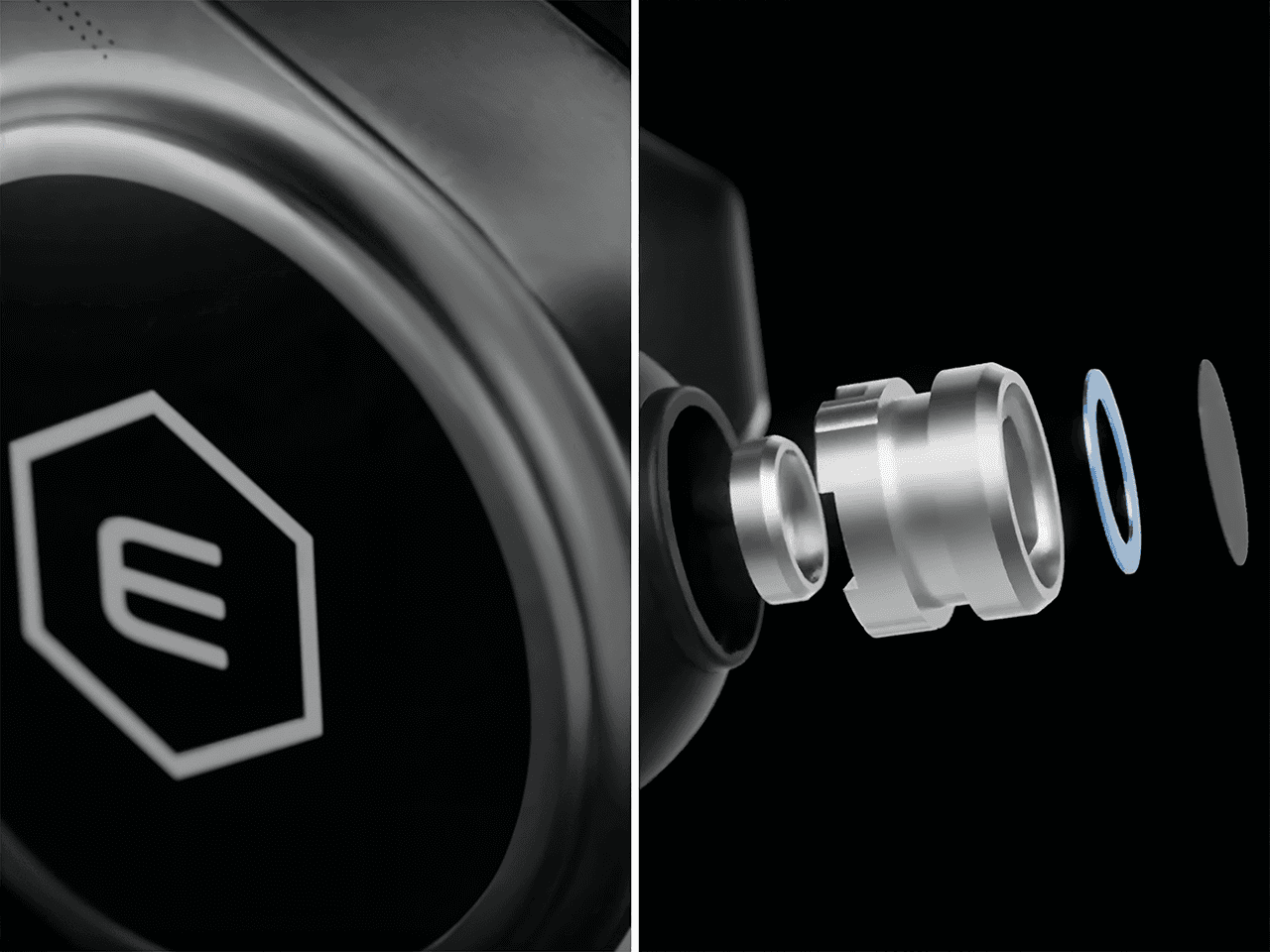
The core of an in-ear EEG system is the earpiece, which houses the critical components. The most important of these are the electrodes, which are the small sensors that actually detect your brain activity. These are strategically positioned on the earpiece to ensure they make solid, stable contact with the skin inside your ear. This placement is key to getting clear, reliable data.

Unlike scalp EEG, which requires precise placement of many electrodes across the head, the in-ear method simplifies the setup dramatically. The form of the earbud itself guides the electrodes into the right position. This design not only ensures consistency but also provides a secure fit that helps minimize signal disruptions caused by movement.

The Advantage of Dry Electrodes

One of the biggest innovations in in-ear EEG is the use of dry electrodes. Traditionally, EEG measurements required applying a sticky, conductive gel to the skin to create a good connection between the electrode and the scalp. This process can be messy, time-consuming, and uncomfortable.

Dry electrodes, on the other hand, are designed to work without any gels or skin preparation. They are made from materials that can establish a reliable connection just by making direct contact with the skin. This makes the entire process cleaner, faster, and much more comfortable, especially for long-term data collection. The convenience of dry electrodes is a major reason why in-ear EEG is so well-suited for use in daily life.

In-Ear EEG vs. Traditional Scalp EEG

When you think of EEG, you might picture a cap with dozens of wires, a setup common in labs and clinics. This is traditional scalp EEG, a powerful method for measuring brain activity across the entire head. In-ear EEG offers a different approach. While both technologies capture electrical signals from the brain, their designs create distinct experiences and open up different possibilities. The main differences come down to how you set them up, the comfort of wearing them, and the specific type of data they collect.

Traditional scalp EEG systems, like our Epoc X headset, use multiple sensors placed across the scalp to get a broad overview of cortical activity. This is fantastic for detailed, whole-brain research. In-ear EEG, however, places sensors inside the ear canal. This design makes it incredibly discreet and easy to use in everyday environments, from the office to your home. Choosing between them isn’t about which one is better overall, but which one is the right tool for your specific project or application. For example, a researcher studying visual processing might need the full scalp coverage of a traditional headset, while someone developing a brain-computer interface for focus might prefer the convenience of an in-ear device. Let's compare them across a few key areas.

Setup and Usability

One of the most significant differences is the setup process. Traditional scalp EEG can require careful placement of multiple electrodes, sometimes using gels or saline to ensure a good connection. This process can take time and often requires some training to get right. In contrast, in-ear EEG is designed for simplicity. The technology uses dry electrodes built into a device that fits just like a pair of earbuds. This means you can be ready to collect data in moments, making it a much more user-friendly and accessible option, especially for long-term or out-of-the-lab studies.

Signal Quality and Data

A common question is whether in-ear EEG can capture high-quality data. The answer is yes, particularly for brain activity originating near the temporal lobe, which is close to the ear. Studies have shown that in-ear devices can effectively record various brain signals, including alpha waves (often linked to relaxed states) and sleep waves. For these specific signals, in-ear EEG can capture data with a fidelity that is comparable to traditional scalp EEG. The key is to match the device to your research goals. If you need to measure activity from the frontal cortex, a scalp EEG headset would be the more appropriate choice.

Comfort for Long-Term Wear

If your work involves collecting data over several hours or even overnight, comfort is a major factor. While scalp EEG headsets have become more comfortable over the years, wearing a cap for an extended period can still be cumbersome for some users. In-ear EEG excels here. Because the devices are shaped like consumer earbuds, they feel familiar and are designed for long-term wear without causing discomfort. In one study, 90% of participants reported that the in-ear system was comfortable and easy to use, highlighting its potential for applications in cognitive wellness and sleep research.

What Can You Do With In-Ear EEG?

In-ear EEG isn't just a novel piece of tech; it's a practical tool that opens up new possibilities across various fields. Because it’s so discreet and easy to wear for long periods, you can gather brain data in real-world settings that were previously off-limits for traditional EEG. From understanding sleep patterns to building intuitive new interfaces, the applications are both exciting and accessible. Let's look at a few key areas where in-ear EEG is making a real impact.

Explore Sleep and Drowsiness

Traditional sleep studies often involve a night in a lab, covered in wires. In-ear EEG offers a much more comfortable alternative. Because the sensors fit snugly in the ear, you can wear them overnight at home without much disruption. This makes it possible to gather data on sleep stages and patterns over multiple nights, providing a more complete picture of your sleep architecture. Researchers are finding that in-ear EEG is a promising way to explore sleep and drowsiness in natural environments, moving studies out of the lab and into daily life. This approach makes long-term data collection more feasible and less intrusive for participants.

Develop Brain-Computer Interfaces

A brain-computer interface (BCI) translates brain activity into commands for a computer or device, allowing you to interact with technology in a new way. In-ear EEG is a great fit for this field because it’s portable and user-friendly. The use of dry electrodes means you can skip the messy gels and get set up in minutes. This convenience is key for creating practical, everyday BCIs. Whether you're a developer experimenting with new control schemes or a researcher building assistive technologies, in-ear devices provide a stable and accessible platform to build a brain-computer interface that can be used almost anywhere, by anyone.

Assess Neurological States

Understanding someone's mental state in real time has powerful applications, especially in high-stakes environments. In-ear EEG can gather data related to states like drowsiness, focus, or cognitive load. For example, researchers have used wireless ear-EEG systems to train machine learning models that can identify signs of drowsiness with high accuracy. This could be invaluable for industries where alertness is critical, such as aviation or long-haul trucking. By providing a continuous stream of data in a non-invasive way, in-ear EEG offers a practical method for assessing neurological states as they happen, paving the way for systems that can support human performance and safety.

Evaluate Cognitive Performance

How do people really feel when they use a new app or watch an advertisement? In-ear EEG can help answer that question by providing objective data on cognitive and emotional responses. In fields like neuromarketing and user experience (UX) research, this technology allows you to see how engagement, frustration, or cognitive load change from moment to moment. Instead of relying solely on self-reported feedback, you can measure brain activity directly as someone interacts with a product. This insight is incredibly valuable for creating more intuitive, engaging, and effective user experiences, helping designers and marketers make data-driven decisions that truly resonate with their audience.

The Key Benefits of In-Ear EEG

Beyond the novelty of its form factor, in-ear EEG technology offers some truly practical advantages over traditional scalp-based systems. If you've ever felt limited by the setup time, visibility, or comfort of a conventional headset, you’ll appreciate what in-ear devices bring to the table. They are designed to fit more seamlessly into real-world environments, making it easier to gather brain data outside of a controlled lab setting. This opens up new possibilities for long-term studies, everyday applications, and research on the go. From its subtle appearance to its user-friendly design, in-ear EEG is all about making brain-computer interface technology more accessible and convenient for everyone.

A Discreet and Portable Design

One of the most immediate benefits of in-ear EEG is how inconspicuous it is. Unlike scalp headsets with visible electrodes, in-ear devices look and feel much like a standard pair of earbuds. This discreet design allows users to go about their day without drawing attention, which is a huge plus for studies conducted in public spaces or for personal use. The portability means you can move freely and naturally, whether you're at your desk, commuting, or simply relaxing at home. This freedom makes it easier to integrate brain data collection into daily life, providing access to cognitive wellness tools in a more comfortable and practical way.

A Simpler, Faster Setup

Getting started with in-ear EEG is refreshingly straightforward. The devices use tiny, dry electrodes built directly into the earpieces, which means you can skip the often messy and time-consuming process of applying conductive gels. You simply place the earbuds in your ears, and you’re ready to go. This quick setup is a game-changer for researchers who need to prepare multiple participants, as well as for developers who want to get their applications up and running quickly. For anyone who values efficiency, the simplicity of in-ear EEG makes it an incredibly appealing option for developing new applications.

Continuous Data Collection

Because they are so comfortable, in-ear EEG devices are ideal for studies that require continuous data collection over many hours, or even overnight. The stable fit and gel-free design minimize irritation, allowing for long-term wear without discomfort. This capability is particularly valuable for sleep studies or research into cognitive states that fluctuate throughout the day. Our devices can reliably capture important neural signatures, like the alpha waves associated with relaxed states or the distinct patterns of sleep. This makes in-ear EEG a powerful tool for any academic research that depends on extended data gathering.

Access to Real-Time Brain Activity

In-ear EEG provides a direct window into brain activity as it happens, which is essential for interactive applications. The ability to get real-time feedback is the foundation of any brain-computer interface, allowing users to interact with software or devices using their neural signals. This has exciting implications for everything from assistive technology to performance assessment. For example, recent studies have shown that in-ear EEG can be used to detect signs of drowsiness, which could be vital for applications in safety-critical industries. This move toward practical, everyday wearables is making brain-sensing technology more useful than ever before.

Understanding the Challenges and Limitations

In-ear EEG is an exciting technology, but like any tool, it’s important to understand how it works best. Being aware of its limitations helps you collect the cleanest data and get the most out of your research or application. Think of these not as roadblocks, but as key considerations that empower you to design better experiments and interpret your results with greater accuracy. Let's walk through a few things to keep in mind when working with in-ear EEG devices: their sensitivity to movement, what to expect from signal strength, and why a good electrode fit is so important.

Sensitivity to Movement Artifacts

One of the main things to be aware of with in-ear EEG is its sensitivity to movement. Any data collected from the body can be affected by "artifacts," which are essentially unwanted signals from other sources, like muscle activity. For in-ear devices, movements from your head, jaw, or even facial muscles can create noise in the EEG data. This is a critical factor to consider in your experimental design, especially if your study involves movement. Planning for stationary periods during data collection can help you capture the clearest possible brain activity and ensure the integrity of your academic research.

Considerations for Signal Strength

While in-ear EEG provides excellent quality signals, their strength, or amplitude, can sometimes be lower compared to traditional scalp electrodes. This isn't a reflection of poor data; it's simply a characteristic of recording from a different location with smaller sensors. For researchers, this means you might need to adjust your analysis techniques to account for these differences in signal amplitude. Our software, like EmotivPRO, is designed to work with these signals, providing powerful tools for filtering and analysis. Understanding this aspect of the technology allows you to set up your studies for success and interpret your data with confidence.

The Importance of Electrode Fit

For any EEG device, a good connection between the electrode and the skin is essential for high-quality data. With in-ear EEG, the fit inside the ear canal is everything. Because everyone's ears are shaped differently, designing a single device that fits everyone securely and comfortably is a real challenge. A loose fit can lead to inconsistent signals or more artifacts. That's why we put so much focus on ergonomic design in our devices, like the MN8 earbuds. A snug, stable fit ensures you can gather reliable data, whether you're conducting a long-term study or developing a new brain-computer interface.

Common Myths About In-Ear EEG

As with any innovative technology, in-ear EEG comes with its share of questions and misconceptions. It’s natural to be skeptical about a device that seems to simplify such a complex process. Let's clear the air and address some of the most common myths surrounding in-ear EEG, so you can get a clearer picture of what this technology can really do.

Myth: The Data Quality Isn't as Good

A common concern is whether a small, in-ear device can capture brain activity as effectively as a traditional scalp headset. The truth is, the data quality is remarkably robust for its form factor. Research shows that in-ear EEG can successfully record important brain signals, including alpha waves and various sleep waves. A comparative study found that signals from an in-ear device are very similar to those from scalp electrodes placed near the ears. This means the device is particularly effective at picking up signals from the brain's temporal lobes, making it a reliable tool for many applications.

Myth: It's Uncomfortable to Wear

The idea of wearing a device in your ears for an extended period might not sound appealing, but user feedback tells a different story. Comfort is a top priority in the design of these devices, as successful long-term studies depend on it. The results speak for themselves. In fact, one study found that 90% of participants described the in-ear system as both comfortable and easy to use. The goal is to create a seamless experience where you can collect data over hours without discomfort or distraction, and modern in-ear devices are designed to achieve just that.

Myth: The Applications Are Limited

Some people assume that a smaller, more discreet device must have a narrower range of uses. However, the applications for in-ear EEG are surprisingly broad and continue to expand. This technology is already being used to unlock insights into sleep patterns, cognitive performance, and even to develop new brain-computer interfaces. From academic research to personal wellness, the convenience and long-term wearability of in-ear EEG open up possibilities that would be challenging to explore with more cumbersome equipment. It’s a versatile tool with the potential to support a wide array of innovative projects.

The Future of In-Ear EEG: Recent Advancements

In-ear EEG isn't just a novel idea; it's a rapidly maturing technology. The pace of innovation is exciting, with breakthroughs happening in everything from the materials used in electrodes to the algorithms that interpret brain signals. These advancements are pushing the boundaries of what's possible, making in-ear EEG more reliable, accessible, and powerful for a wider range of applications. We're seeing the technology move from niche research tools to practical solutions that can be used in everyday environments. This progress is driven by a combination of hardware improvements, smarter software, and a growing recognition of the value of collecting brain data outside of a traditional lab. As the technology evolves, it opens up new avenues for developers creating brain-computer interfaces and researchers studying the brain in real-world contexts. The future is about more than just smaller devices; it's about creating a seamless connection between our brains and the digital world, supported by robust and trustworthy technology.

Regulatory Milestones

One of the most significant signs of a technology's maturity is regulatory acceptance. Recently, the field saw a major step forward when Naox Technologies received FDA 510(k) clearance for its in-ear EEG device. This clearance authorizes the device for clinical use in the United States, marking a pivotal moment for the industry. It validates the credibility and reliability of in-ear EEG for medical applications and paves the way for broader adoption in healthcare. This kind of regulatory green light helps build trust among both professionals and the public. It also encourages further investment and innovation in the space, bringing these powerful tools to more people who can use them to make a difference.

Smarter Signal Processing

The hardware is only half the story. What truly makes in-ear EEG powerful are the sophisticated algorithms that process the data. Researchers are developing smarter signal processing techniques using machine learning to filter out noise and identify meaningful patterns in brain activity. For example, a recent study demonstrated how a wireless ear-EEG system could detect drowsiness with over 93% accuracy, even on users the system had never seen before. This level of precision shows that in-ear devices can provide reliable insights for critical applications, like assessing driver fatigue or other safety-sensitive tasks. As these algorithms become more advanced, the potential uses for in-ear EEG will only continue to grow.

Improved Wireless Data Transmission

A seamless user experience depends on reliable wireless technology. The latest in-ear EEG devices feature significant improvements in data transmission, ensuring a stable connection and high-fidelity signal quality. Innovations include compact, low-power wireless transmitters and advanced Bluetooth protocols that send data to a computer or mobile device with minimal lag. Furthermore, advancements in electrode technology, such as the development of patented dry electrodes that don't require any gel, are making the devices more comfortable for long-term wear. These hardware enhancements work together to create a user-friendly system that can be worn for hours, collecting continuous data without getting in the way.

Who Is In-Ear EEG For?

In-ear EEG technology is a practical tool for a wide range of professionals and creators. Its discreet design and ease of use open up possibilities that were once confined to the lab. From understanding human behavior in real-world settings to building the next generation of interactive technology, in-ear EEG provides a versatile solution for anyone interested in brain data. Let's look at who can benefit most from this innovative approach.

Researchers and Educators

For those in academic research and education, in-ear EEG is a game-changer. Traditional scalp EEG can be intimidating and cumbersome, potentially influencing the behavior of study participants. In-ear devices offer a more naturalistic way to gather data. Imagine studying group collaboration, classroom engagement, or audience reactions without the distraction of bulky headwear. The discreet form factor allows for observation in authentic environments, providing cleaner, more relevant insights into social dynamics and learning processes. This technology makes it possible to conduct studies that were previously too complex or intrusive, bringing research out of the lab and into the real world where behavior happens.

Clinical and Healthcare Professionals

Professionals in the clinical and healthcare space can find value in the long-term data collection capabilities of in-ear EEG. The comfort of dry-electrode earbuds makes them suitable for extended wear, allowing for the gathering of brain activity data over hours or even days in a person's natural environment. This is a significant step away from short, lab-based sessions. While not a medical device, in-ear EEG provides access to cognitive wellness tools that can help individuals and practitioners explore patterns related to focus, stress, and relaxation. The convenience and accessibility of these devices empower users to take a more active role in understanding their own cognitive states outside of a clinical setting.

BCI Developers and Engineers

If you're a developer or engineer, you know that the complexity of traditional EEG systems can be a major hurdle. In-ear EEG simplifies the entire process, from setup to data acquisition. This accessibility makes it an ideal platform for creating and testing brain-computer interface applications. The portability means you can develop BCI for everyday use cases, like hands-free device control or adaptive gaming experiences. With a simpler hardware interface, you can focus more of your energy on what truly matters: writing innovative software and building intuitive user experiences. Our developer tools and APIs are designed to help you get started quickly, turning your BCI concepts into reality.

Safety-Critical Industries

In industries where alertness is paramount, in-ear EEG presents a powerful application. For pilots, long-haul truck drivers, and heavy machinery operators, drowsiness can have serious consequences. In-ear EEG devices can be used to assess neurological states associated with fatigue in real time. Because the earbuds are comfortable and unobtrusive, they can be worn during a shift without causing distraction. This creates an opportunity to develop systems that can alert an individual when their attention levels begin to drop. By providing a direct line to brain activity related to alertness, this technology can be a key component in creating safer working environments for everyone.

How to Choose the Right In-Ear EEG Device

Finding the right in-ear EEG device comes down to understanding your project’s needs and knowing what to look for. The technology is impressive, but the best device for you is the one that aligns with your goals, whether you're conducting formal academic research, developing a new application, or exploring your own cognitive states. Think about what you want to achieve. Are you planning long-term studies that require continuous data collection, or are you focused on capturing brain activity during specific, short-term tasks?

Answering these questions will help you weigh the importance of different features. For some, the highest possible channel count is the top priority. For others, a quick setup and a discreet form factor are more important. To help you make an informed decision, I’ve broken down the selection process into three key areas: technical specifications, software compatibility, and user comfort. By evaluating a device based on these criteria, you can find a solution that not only provides high-quality data but also fits seamlessly into your workflow.

Review the Technical Specifications

When you start comparing devices, the technical specifications are the first place to look. Pay close attention to the type of electrodes used. Many modern in-ear devices feature "dry" electrodes, which are a significant step forward because they don't require any conductive gel. This design makes the setup process much cleaner and faster. It also helps ensure a reliable connection to the skin, which is essential for acquiring high-quality data with low impedance. A stable, low-impedance connection means less noise in your signal, giving you a clearer picture of brain activity. Our 2-channel EEG earbuds, for example, are designed with these principles in mind for ease of use.

Check for Software Compatibility

A great piece of hardware is only as good as the software that supports it. Before you commit to a device, make sure it integrates smoothly with your existing tools and workflow. Most in-ear EEG systems transmit data wirelessly to a computer or mobile device, so a stable connection is non-negotiable. You’ll also want to see what kind of software support is available. Can you easily access raw EEG data for your own analysis? Are there existing applications that let you visualize brain activity in real time? For developers, having access to a robust API or SDK is crucial for building custom brain-computer interfaces or other applications.

Prioritize Comfort and Customization

Comfort is absolutely essential, especially if you plan on using the device for extended periods. An uncomfortable headset can be distracting and may even affect the quality of your data. Research has shown that well-designed in-ear EEG systems can be very comfortable, with some studies reporting that 90% of participants found them easy to use. Look for devices that offer different ear tip sizes or other customization options. A secure, personalized fit not only feels better but also helps keep the electrodes in place, reducing artifacts caused by movement. This ensures that the data you collect is both accurate and reliable over time.

Related Articles


View Products

Frequently Asked Questions

Is the data from in-ear EEG as good as traditional scalp EEG? It’s less about one being better and more about choosing the right tool for your specific goals. In-ear EEG is particularly effective at capturing brain activity from regions close to the ear, like the temporal lobe. For these specific signals, research shows the data quality is quite comparable to scalp EEG. However, if your work requires a broad overview of activity across the entire brain, a multi-channel scalp headset would be a more appropriate choice.

How comfortable are in-ear EEG devices for long-term use? They are designed with comfort as a top priority. Because the devices fit much like a standard pair of earbuds and use dry electrodes without any sticky gel, most people find them easy to wear for hours at a time. This makes them an excellent option for applications that require extended data collection, such as overnight sleep analysis or gathering cognitive data throughout a workday.

Do I need special training or messy gels to use an in-ear EEG device? Not at all, and that’s one of their biggest advantages. These devices are designed for simplicity and use dry electrodes, which means you can completely skip the process of applying conductive gels. The setup is as straightforward as placing the earbuds in your ears, allowing you to be ready to collect data in just a few moments.

Will moving around affect the data I collect? Yes, movement can introduce noise, often called "artifacts," into your EEG data. This is a factor for any type of EEG system. Activities like clenching your jaw, talking, or making sudden head movements can create signals that mix with your brainwave data. For the highest quality results, it’s best to remain relatively still during key data collection periods.

What's a practical, real-world example of how I could use in-ear EEG? A great example is in user experience research. You could have a participant wear an in-ear device while they test a new app or website. The EEG data can offer objective insights into their cognitive load or engagement levels from moment to moment. This allows you to see how they are truly responding, providing a layer of data that goes beyond what they might report in a survey.

For decades, gathering brain data meant being tethered to a lab. Traditional EEG systems, while powerful, are often cumbersome, time-consuming to set up, and impractical for studying behavior in natural settings. This has limited our ability to understand the brain as it functions in daily life. The development of in-ear EEG directly addresses these challenges. By placing dry-electrode sensors into a comfortable earbud, this technology eliminates messy gels and complex setups. It offers a portable, discreet, and user-friendly way to collect brain activity data anywhere, opening up new frontiers for research and development that were previously out of reach.


View Products

Key Takeaways

  • Make Brain Data Collection Practical: In-ear EEG brings brain-sensing technology out of the lab with a discreet earbud design and gel-free dry electrodes. This makes the setup quick and comfortable, allowing for long-term data gathering in natural, everyday environments.

  • Explore a Wide Range of Applications: The technology's accessibility opens doors for diverse projects. You can use it to conduct more naturalistic academic studies, build user-friendly brain-computer interfaces, or gather objective feedback for neuromarketing and UX design.

  • Prioritize Fit for High-Quality Data: A snug, stable fit is crucial for capturing a clear signal and minimizing noise from movement. When choosing a device, balance physical comfort with software compatibility to ensure the tool aligns perfectly with your project's goals.

What Is In-Ear EEG?

In-ear electroencephalography (EEG) is a way to measure brain activity using small sensors placed comfortably inside your ear canal. If you picture traditional EEG, you probably imagine a cap covered in wires and electrodes. In-ear EEG takes that powerful technology and places it into a discreet, earbud-style form factor. This approach detects the faint electrical signals your brain naturally produces as neurons communicate with each other, giving you a window into its activity without the cumbersome setup of older methods.

The goal of in-ear EEG is to make gathering brain data more accessible and practical for everyday environments. Instead of being limited to a lab, you can get insights into brain activity during work, study, or even sleep. This opens up new possibilities for academic research, providing access to cognitive wellness tools, and developing innovative brain-computer interfaces. By moving the sensors from the scalp to the ear, the process becomes simpler, faster, and much less noticeable to the outside world. It’s a significant step in bringing brain-sensing technology out of the laboratory and into real-world applications where context and comfort are key. This shift allows for more naturalistic data collection, reflecting brain states as they happen in real life.

How It Works

Think of an in-ear EEG device as a smart earbud. On the surface, it looks and feels familiar, but inside, it’s packed with sophisticated sensors. These tiny electrodes make contact with the skin inside your ear canal to pick up the brain's electrical signals. Because the ear is close to the temporal lobe and brainstem, it’s a surprisingly effective location for capturing this data.

Once the sensors capture the raw EEG signals, the device wirelessly transmits the data to a connected smartphone or computer. From there, specialized software like our EmotivPRO platform analyzes and visualizes the information, turning complex brain patterns into understandable metrics and graphs that you can interpret and act on.

Key Components and Electrode Placement

The core of an in-ear EEG system is the earpiece, which houses the critical components. The most important of these are the electrodes, which are the small sensors that actually detect your brain activity. These are strategically positioned on the earpiece to ensure they make solid, stable contact with the skin inside your ear. This placement is key to getting clear, reliable data.

Unlike scalp EEG, which requires precise placement of many electrodes across the head, the in-ear method simplifies the setup dramatically. The form of the earbud itself guides the electrodes into the right position. This design not only ensures consistency but also provides a secure fit that helps minimize signal disruptions caused by movement.

The Advantage of Dry Electrodes

One of the biggest innovations in in-ear EEG is the use of dry electrodes. Traditionally, EEG measurements required applying a sticky, conductive gel to the skin to create a good connection between the electrode and the scalp. This process can be messy, time-consuming, and uncomfortable.

Dry electrodes, on the other hand, are designed to work without any gels or skin preparation. They are made from materials that can establish a reliable connection just by making direct contact with the skin. This makes the entire process cleaner, faster, and much more comfortable, especially for long-term data collection. The convenience of dry electrodes is a major reason why in-ear EEG is so well-suited for use in daily life.

In-Ear EEG vs. Traditional Scalp EEG

When you think of EEG, you might picture a cap with dozens of wires, a setup common in labs and clinics. This is traditional scalp EEG, a powerful method for measuring brain activity across the entire head. In-ear EEG offers a different approach. While both technologies capture electrical signals from the brain, their designs create distinct experiences and open up different possibilities. The main differences come down to how you set them up, the comfort of wearing them, and the specific type of data they collect.

Traditional scalp EEG systems, like our Epoc X headset, use multiple sensors placed across the scalp to get a broad overview of cortical activity. This is fantastic for detailed, whole-brain research. In-ear EEG, however, places sensors inside the ear canal. This design makes it incredibly discreet and easy to use in everyday environments, from the office to your home. Choosing between them isn’t about which one is better overall, but which one is the right tool for your specific project or application. For example, a researcher studying visual processing might need the full scalp coverage of a traditional headset, while someone developing a brain-computer interface for focus might prefer the convenience of an in-ear device. Let's compare them across a few key areas.

Setup and Usability

One of the most significant differences is the setup process. Traditional scalp EEG can require careful placement of multiple electrodes, sometimes using gels or saline to ensure a good connection. This process can take time and often requires some training to get right. In contrast, in-ear EEG is designed for simplicity. The technology uses dry electrodes built into a device that fits just like a pair of earbuds. This means you can be ready to collect data in moments, making it a much more user-friendly and accessible option, especially for long-term or out-of-the-lab studies.

Signal Quality and Data

A common question is whether in-ear EEG can capture high-quality data. The answer is yes, particularly for brain activity originating near the temporal lobe, which is close to the ear. Studies have shown that in-ear devices can effectively record various brain signals, including alpha waves (often linked to relaxed states) and sleep waves. For these specific signals, in-ear EEG can capture data with a fidelity that is comparable to traditional scalp EEG. The key is to match the device to your research goals. If you need to measure activity from the frontal cortex, a scalp EEG headset would be the more appropriate choice.

Comfort for Long-Term Wear

If your work involves collecting data over several hours or even overnight, comfort is a major factor. While scalp EEG headsets have become more comfortable over the years, wearing a cap for an extended period can still be cumbersome for some users. In-ear EEG excels here. Because the devices are shaped like consumer earbuds, they feel familiar and are designed for long-term wear without causing discomfort. In one study, 90% of participants reported that the in-ear system was comfortable and easy to use, highlighting its potential for applications in cognitive wellness and sleep research.

What Can You Do With In-Ear EEG?

In-ear EEG isn't just a novel piece of tech; it's a practical tool that opens up new possibilities across various fields. Because it’s so discreet and easy to wear for long periods, you can gather brain data in real-world settings that were previously off-limits for traditional EEG. From understanding sleep patterns to building intuitive new interfaces, the applications are both exciting and accessible. Let's look at a few key areas where in-ear EEG is making a real impact.

Explore Sleep and Drowsiness

Traditional sleep studies often involve a night in a lab, covered in wires. In-ear EEG offers a much more comfortable alternative. Because the sensors fit snugly in the ear, you can wear them overnight at home without much disruption. This makes it possible to gather data on sleep stages and patterns over multiple nights, providing a more complete picture of your sleep architecture. Researchers are finding that in-ear EEG is a promising way to explore sleep and drowsiness in natural environments, moving studies out of the lab and into daily life. This approach makes long-term data collection more feasible and less intrusive for participants.

Develop Brain-Computer Interfaces

A brain-computer interface (BCI) translates brain activity into commands for a computer or device, allowing you to interact with technology in a new way. In-ear EEG is a great fit for this field because it’s portable and user-friendly. The use of dry electrodes means you can skip the messy gels and get set up in minutes. This convenience is key for creating practical, everyday BCIs. Whether you're a developer experimenting with new control schemes or a researcher building assistive technologies, in-ear devices provide a stable and accessible platform to build a brain-computer interface that can be used almost anywhere, by anyone.

Assess Neurological States

Understanding someone's mental state in real time has powerful applications, especially in high-stakes environments. In-ear EEG can gather data related to states like drowsiness, focus, or cognitive load. For example, researchers have used wireless ear-EEG systems to train machine learning models that can identify signs of drowsiness with high accuracy. This could be invaluable for industries where alertness is critical, such as aviation or long-haul trucking. By providing a continuous stream of data in a non-invasive way, in-ear EEG offers a practical method for assessing neurological states as they happen, paving the way for systems that can support human performance and safety.

Evaluate Cognitive Performance

How do people really feel when they use a new app or watch an advertisement? In-ear EEG can help answer that question by providing objective data on cognitive and emotional responses. In fields like neuromarketing and user experience (UX) research, this technology allows you to see how engagement, frustration, or cognitive load change from moment to moment. Instead of relying solely on self-reported feedback, you can measure brain activity directly as someone interacts with a product. This insight is incredibly valuable for creating more intuitive, engaging, and effective user experiences, helping designers and marketers make data-driven decisions that truly resonate with their audience.

The Key Benefits of In-Ear EEG

Beyond the novelty of its form factor, in-ear EEG technology offers some truly practical advantages over traditional scalp-based systems. If you've ever felt limited by the setup time, visibility, or comfort of a conventional headset, you’ll appreciate what in-ear devices bring to the table. They are designed to fit more seamlessly into real-world environments, making it easier to gather brain data outside of a controlled lab setting. This opens up new possibilities for long-term studies, everyday applications, and research on the go. From its subtle appearance to its user-friendly design, in-ear EEG is all about making brain-computer interface technology more accessible and convenient for everyone.

A Discreet and Portable Design

One of the most immediate benefits of in-ear EEG is how inconspicuous it is. Unlike scalp headsets with visible electrodes, in-ear devices look and feel much like a standard pair of earbuds. This discreet design allows users to go about their day without drawing attention, which is a huge plus for studies conducted in public spaces or for personal use. The portability means you can move freely and naturally, whether you're at your desk, commuting, or simply relaxing at home. This freedom makes it easier to integrate brain data collection into daily life, providing access to cognitive wellness tools in a more comfortable and practical way.

A Simpler, Faster Setup

Getting started with in-ear EEG is refreshingly straightforward. The devices use tiny, dry electrodes built directly into the earpieces, which means you can skip the often messy and time-consuming process of applying conductive gels. You simply place the earbuds in your ears, and you’re ready to go. This quick setup is a game-changer for researchers who need to prepare multiple participants, as well as for developers who want to get their applications up and running quickly. For anyone who values efficiency, the simplicity of in-ear EEG makes it an incredibly appealing option for developing new applications.

Continuous Data Collection

Because they are so comfortable, in-ear EEG devices are ideal for studies that require continuous data collection over many hours, or even overnight. The stable fit and gel-free design minimize irritation, allowing for long-term wear without discomfort. This capability is particularly valuable for sleep studies or research into cognitive states that fluctuate throughout the day. Our devices can reliably capture important neural signatures, like the alpha waves associated with relaxed states or the distinct patterns of sleep. This makes in-ear EEG a powerful tool for any academic research that depends on extended data gathering.

Access to Real-Time Brain Activity

In-ear EEG provides a direct window into brain activity as it happens, which is essential for interactive applications. The ability to get real-time feedback is the foundation of any brain-computer interface, allowing users to interact with software or devices using their neural signals. This has exciting implications for everything from assistive technology to performance assessment. For example, recent studies have shown that in-ear EEG can be used to detect signs of drowsiness, which could be vital for applications in safety-critical industries. This move toward practical, everyday wearables is making brain-sensing technology more useful than ever before.

Understanding the Challenges and Limitations

In-ear EEG is an exciting technology, but like any tool, it’s important to understand how it works best. Being aware of its limitations helps you collect the cleanest data and get the most out of your research or application. Think of these not as roadblocks, but as key considerations that empower you to design better experiments and interpret your results with greater accuracy. Let's walk through a few things to keep in mind when working with in-ear EEG devices: their sensitivity to movement, what to expect from signal strength, and why a good electrode fit is so important.

Sensitivity to Movement Artifacts

One of the main things to be aware of with in-ear EEG is its sensitivity to movement. Any data collected from the body can be affected by "artifacts," which are essentially unwanted signals from other sources, like muscle activity. For in-ear devices, movements from your head, jaw, or even facial muscles can create noise in the EEG data. This is a critical factor to consider in your experimental design, especially if your study involves movement. Planning for stationary periods during data collection can help you capture the clearest possible brain activity and ensure the integrity of your academic research.

Considerations for Signal Strength

While in-ear EEG provides excellent quality signals, their strength, or amplitude, can sometimes be lower compared to traditional scalp electrodes. This isn't a reflection of poor data; it's simply a characteristic of recording from a different location with smaller sensors. For researchers, this means you might need to adjust your analysis techniques to account for these differences in signal amplitude. Our software, like EmotivPRO, is designed to work with these signals, providing powerful tools for filtering and analysis. Understanding this aspect of the technology allows you to set up your studies for success and interpret your data with confidence.

The Importance of Electrode Fit

For any EEG device, a good connection between the electrode and the skin is essential for high-quality data. With in-ear EEG, the fit inside the ear canal is everything. Because everyone's ears are shaped differently, designing a single device that fits everyone securely and comfortably is a real challenge. A loose fit can lead to inconsistent signals or more artifacts. That's why we put so much focus on ergonomic design in our devices, like the MN8 earbuds. A snug, stable fit ensures you can gather reliable data, whether you're conducting a long-term study or developing a new brain-computer interface.

Common Myths About In-Ear EEG

As with any innovative technology, in-ear EEG comes with its share of questions and misconceptions. It’s natural to be skeptical about a device that seems to simplify such a complex process. Let's clear the air and address some of the most common myths surrounding in-ear EEG, so you can get a clearer picture of what this technology can really do.

Myth: The Data Quality Isn't as Good

A common concern is whether a small, in-ear device can capture brain activity as effectively as a traditional scalp headset. The truth is, the data quality is remarkably robust for its form factor. Research shows that in-ear EEG can successfully record important brain signals, including alpha waves and various sleep waves. A comparative study found that signals from an in-ear device are very similar to those from scalp electrodes placed near the ears. This means the device is particularly effective at picking up signals from the brain's temporal lobes, making it a reliable tool for many applications.

Myth: It's Uncomfortable to Wear

The idea of wearing a device in your ears for an extended period might not sound appealing, but user feedback tells a different story. Comfort is a top priority in the design of these devices, as successful long-term studies depend on it. The results speak for themselves. In fact, one study found that 90% of participants described the in-ear system as both comfortable and easy to use. The goal is to create a seamless experience where you can collect data over hours without discomfort or distraction, and modern in-ear devices are designed to achieve just that.

Myth: The Applications Are Limited

Some people assume that a smaller, more discreet device must have a narrower range of uses. However, the applications for in-ear EEG are surprisingly broad and continue to expand. This technology is already being used to unlock insights into sleep patterns, cognitive performance, and even to develop new brain-computer interfaces. From academic research to personal wellness, the convenience and long-term wearability of in-ear EEG open up possibilities that would be challenging to explore with more cumbersome equipment. It’s a versatile tool with the potential to support a wide array of innovative projects.

The Future of In-Ear EEG: Recent Advancements

In-ear EEG isn't just a novel idea; it's a rapidly maturing technology. The pace of innovation is exciting, with breakthroughs happening in everything from the materials used in electrodes to the algorithms that interpret brain signals. These advancements are pushing the boundaries of what's possible, making in-ear EEG more reliable, accessible, and powerful for a wider range of applications. We're seeing the technology move from niche research tools to practical solutions that can be used in everyday environments. This progress is driven by a combination of hardware improvements, smarter software, and a growing recognition of the value of collecting brain data outside of a traditional lab. As the technology evolves, it opens up new avenues for developers creating brain-computer interfaces and researchers studying the brain in real-world contexts. The future is about more than just smaller devices; it's about creating a seamless connection between our brains and the digital world, supported by robust and trustworthy technology.

Regulatory Milestones

One of the most significant signs of a technology's maturity is regulatory acceptance. Recently, the field saw a major step forward when Naox Technologies received FDA 510(k) clearance for its in-ear EEG device. This clearance authorizes the device for clinical use in the United States, marking a pivotal moment for the industry. It validates the credibility and reliability of in-ear EEG for medical applications and paves the way for broader adoption in healthcare. This kind of regulatory green light helps build trust among both professionals and the public. It also encourages further investment and innovation in the space, bringing these powerful tools to more people who can use them to make a difference.

Smarter Signal Processing

The hardware is only half the story. What truly makes in-ear EEG powerful are the sophisticated algorithms that process the data. Researchers are developing smarter signal processing techniques using machine learning to filter out noise and identify meaningful patterns in brain activity. For example, a recent study demonstrated how a wireless ear-EEG system could detect drowsiness with over 93% accuracy, even on users the system had never seen before. This level of precision shows that in-ear devices can provide reliable insights for critical applications, like assessing driver fatigue or other safety-sensitive tasks. As these algorithms become more advanced, the potential uses for in-ear EEG will only continue to grow.

Improved Wireless Data Transmission

A seamless user experience depends on reliable wireless technology. The latest in-ear EEG devices feature significant improvements in data transmission, ensuring a stable connection and high-fidelity signal quality. Innovations include compact, low-power wireless transmitters and advanced Bluetooth protocols that send data to a computer or mobile device with minimal lag. Furthermore, advancements in electrode technology, such as the development of patented dry electrodes that don't require any gel, are making the devices more comfortable for long-term wear. These hardware enhancements work together to create a user-friendly system that can be worn for hours, collecting continuous data without getting in the way.

Who Is In-Ear EEG For?

In-ear EEG technology is a practical tool for a wide range of professionals and creators. Its discreet design and ease of use open up possibilities that were once confined to the lab. From understanding human behavior in real-world settings to building the next generation of interactive technology, in-ear EEG provides a versatile solution for anyone interested in brain data. Let's look at who can benefit most from this innovative approach.

Researchers and Educators

For those in academic research and education, in-ear EEG is a game-changer. Traditional scalp EEG can be intimidating and cumbersome, potentially influencing the behavior of study participants. In-ear devices offer a more naturalistic way to gather data. Imagine studying group collaboration, classroom engagement, or audience reactions without the distraction of bulky headwear. The discreet form factor allows for observation in authentic environments, providing cleaner, more relevant insights into social dynamics and learning processes. This technology makes it possible to conduct studies that were previously too complex or intrusive, bringing research out of the lab and into the real world where behavior happens.

Clinical and Healthcare Professionals

Professionals in the clinical and healthcare space can find value in the long-term data collection capabilities of in-ear EEG. The comfort of dry-electrode earbuds makes them suitable for extended wear, allowing for the gathering of brain activity data over hours or even days in a person's natural environment. This is a significant step away from short, lab-based sessions. While not a medical device, in-ear EEG provides access to cognitive wellness tools that can help individuals and practitioners explore patterns related to focus, stress, and relaxation. The convenience and accessibility of these devices empower users to take a more active role in understanding their own cognitive states outside of a clinical setting.

BCI Developers and Engineers

If you're a developer or engineer, you know that the complexity of traditional EEG systems can be a major hurdle. In-ear EEG simplifies the entire process, from setup to data acquisition. This accessibility makes it an ideal platform for creating and testing brain-computer interface applications. The portability means you can develop BCI for everyday use cases, like hands-free device control or adaptive gaming experiences. With a simpler hardware interface, you can focus more of your energy on what truly matters: writing innovative software and building intuitive user experiences. Our developer tools and APIs are designed to help you get started quickly, turning your BCI concepts into reality.

Safety-Critical Industries

In industries where alertness is paramount, in-ear EEG presents a powerful application. For pilots, long-haul truck drivers, and heavy machinery operators, drowsiness can have serious consequences. In-ear EEG devices can be used to assess neurological states associated with fatigue in real time. Because the earbuds are comfortable and unobtrusive, they can be worn during a shift without causing distraction. This creates an opportunity to develop systems that can alert an individual when their attention levels begin to drop. By providing a direct line to brain activity related to alertness, this technology can be a key component in creating safer working environments for everyone.

How to Choose the Right In-Ear EEG Device

Finding the right in-ear EEG device comes down to understanding your project’s needs and knowing what to look for. The technology is impressive, but the best device for you is the one that aligns with your goals, whether you're conducting formal academic research, developing a new application, or exploring your own cognitive states. Think about what you want to achieve. Are you planning long-term studies that require continuous data collection, or are you focused on capturing brain activity during specific, short-term tasks?

Answering these questions will help you weigh the importance of different features. For some, the highest possible channel count is the top priority. For others, a quick setup and a discreet form factor are more important. To help you make an informed decision, I’ve broken down the selection process into three key areas: technical specifications, software compatibility, and user comfort. By evaluating a device based on these criteria, you can find a solution that not only provides high-quality data but also fits seamlessly into your workflow.

Review the Technical Specifications

When you start comparing devices, the technical specifications are the first place to look. Pay close attention to the type of electrodes used. Many modern in-ear devices feature "dry" electrodes, which are a significant step forward because they don't require any conductive gel. This design makes the setup process much cleaner and faster. It also helps ensure a reliable connection to the skin, which is essential for acquiring high-quality data with low impedance. A stable, low-impedance connection means less noise in your signal, giving you a clearer picture of brain activity. Our 2-channel EEG earbuds, for example, are designed with these principles in mind for ease of use.

Check for Software Compatibility

A great piece of hardware is only as good as the software that supports it. Before you commit to a device, make sure it integrates smoothly with your existing tools and workflow. Most in-ear EEG systems transmit data wirelessly to a computer or mobile device, so a stable connection is non-negotiable. You’ll also want to see what kind of software support is available. Can you easily access raw EEG data for your own analysis? Are there existing applications that let you visualize brain activity in real time? For developers, having access to a robust API or SDK is crucial for building custom brain-computer interfaces or other applications.

Prioritize Comfort and Customization

Comfort is absolutely essential, especially if you plan on using the device for extended periods. An uncomfortable headset can be distracting and may even affect the quality of your data. Research has shown that well-designed in-ear EEG systems can be very comfortable, with some studies reporting that 90% of participants found them easy to use. Look for devices that offer different ear tip sizes or other customization options. A secure, personalized fit not only feels better but also helps keep the electrodes in place, reducing artifacts caused by movement. This ensures that the data you collect is both accurate and reliable over time.

Related Articles


View Products

Frequently Asked Questions

Is the data from in-ear EEG as good as traditional scalp EEG? It’s less about one being better and more about choosing the right tool for your specific goals. In-ear EEG is particularly effective at capturing brain activity from regions close to the ear, like the temporal lobe. For these specific signals, research shows the data quality is quite comparable to scalp EEG. However, if your work requires a broad overview of activity across the entire brain, a multi-channel scalp headset would be a more appropriate choice.

How comfortable are in-ear EEG devices for long-term use? They are designed with comfort as a top priority. Because the devices fit much like a standard pair of earbuds and use dry electrodes without any sticky gel, most people find them easy to wear for hours at a time. This makes them an excellent option for applications that require extended data collection, such as overnight sleep analysis or gathering cognitive data throughout a workday.

Do I need special training or messy gels to use an in-ear EEG device? Not at all, and that’s one of their biggest advantages. These devices are designed for simplicity and use dry electrodes, which means you can completely skip the process of applying conductive gels. The setup is as straightforward as placing the earbuds in your ears, allowing you to be ready to collect data in just a few moments.

Will moving around affect the data I collect? Yes, movement can introduce noise, often called "artifacts," into your EEG data. This is a factor for any type of EEG system. Activities like clenching your jaw, talking, or making sudden head movements can create signals that mix with your brainwave data. For the highest quality results, it’s best to remain relatively still during key data collection periods.

What's a practical, real-world example of how I could use in-ear EEG? A great example is in user experience research. You could have a participant wear an in-ear device while they test a new app or website. The EEG data can offer objective insights into their cognitive load or engagement levels from moment to moment. This allows you to see how they are truly responding, providing a layer of data that goes beyond what they might report in a survey.

For decades, gathering brain data meant being tethered to a lab. Traditional EEG systems, while powerful, are often cumbersome, time-consuming to set up, and impractical for studying behavior in natural settings. This has limited our ability to understand the brain as it functions in daily life. The development of in-ear EEG directly addresses these challenges. By placing dry-electrode sensors into a comfortable earbud, this technology eliminates messy gels and complex setups. It offers a portable, discreet, and user-friendly way to collect brain activity data anywhere, opening up new frontiers for research and development that were previously out of reach.


View Products

Key Takeaways

  • Make Brain Data Collection Practical: In-ear EEG brings brain-sensing technology out of the lab with a discreet earbud design and gel-free dry electrodes. This makes the setup quick and comfortable, allowing for long-term data gathering in natural, everyday environments.

  • Explore a Wide Range of Applications: The technology's accessibility opens doors for diverse projects. You can use it to conduct more naturalistic academic studies, build user-friendly brain-computer interfaces, or gather objective feedback for neuromarketing and UX design.

  • Prioritize Fit for High-Quality Data: A snug, stable fit is crucial for capturing a clear signal and minimizing noise from movement. When choosing a device, balance physical comfort with software compatibility to ensure the tool aligns perfectly with your project's goals.

What Is In-Ear EEG?

In-ear electroencephalography (EEG) is a way to measure brain activity using small sensors placed comfortably inside your ear canal. If you picture traditional EEG, you probably imagine a cap covered in wires and electrodes. In-ear EEG takes that powerful technology and places it into a discreet, earbud-style form factor. This approach detects the faint electrical signals your brain naturally produces as neurons communicate with each other, giving you a window into its activity without the cumbersome setup of older methods.

The goal of in-ear EEG is to make gathering brain data more accessible and practical for everyday environments. Instead of being limited to a lab, you can get insights into brain activity during work, study, or even sleep. This opens up new possibilities for academic research, providing access to cognitive wellness tools, and developing innovative brain-computer interfaces. By moving the sensors from the scalp to the ear, the process becomes simpler, faster, and much less noticeable to the outside world. It’s a significant step in bringing brain-sensing technology out of the laboratory and into real-world applications where context and comfort are key. This shift allows for more naturalistic data collection, reflecting brain states as they happen in real life.

How It Works

Think of an in-ear EEG device as a smart earbud. On the surface, it looks and feels familiar, but inside, it’s packed with sophisticated sensors. These tiny electrodes make contact with the skin inside your ear canal to pick up the brain's electrical signals. Because the ear is close to the temporal lobe and brainstem, it’s a surprisingly effective location for capturing this data.

Once the sensors capture the raw EEG signals, the device wirelessly transmits the data to a connected smartphone or computer. From there, specialized software like our EmotivPRO platform analyzes and visualizes the information, turning complex brain patterns into understandable metrics and graphs that you can interpret and act on.

Key Components and Electrode Placement

The core of an in-ear EEG system is the earpiece, which houses the critical components. The most important of these are the electrodes, which are the small sensors that actually detect your brain activity. These are strategically positioned on the earpiece to ensure they make solid, stable contact with the skin inside your ear. This placement is key to getting clear, reliable data.

Unlike scalp EEG, which requires precise placement of many electrodes across the head, the in-ear method simplifies the setup dramatically. The form of the earbud itself guides the electrodes into the right position. This design not only ensures consistency but also provides a secure fit that helps minimize signal disruptions caused by movement.

The Advantage of Dry Electrodes

One of the biggest innovations in in-ear EEG is the use of dry electrodes. Traditionally, EEG measurements required applying a sticky, conductive gel to the skin to create a good connection between the electrode and the scalp. This process can be messy, time-consuming, and uncomfortable.

Dry electrodes, on the other hand, are designed to work without any gels or skin preparation. They are made from materials that can establish a reliable connection just by making direct contact with the skin. This makes the entire process cleaner, faster, and much more comfortable, especially for long-term data collection. The convenience of dry electrodes is a major reason why in-ear EEG is so well-suited for use in daily life.

In-Ear EEG vs. Traditional Scalp EEG

When you think of EEG, you might picture a cap with dozens of wires, a setup common in labs and clinics. This is traditional scalp EEG, a powerful method for measuring brain activity across the entire head. In-ear EEG offers a different approach. While both technologies capture electrical signals from the brain, their designs create distinct experiences and open up different possibilities. The main differences come down to how you set them up, the comfort of wearing them, and the specific type of data they collect.

Traditional scalp EEG systems, like our Epoc X headset, use multiple sensors placed across the scalp to get a broad overview of cortical activity. This is fantastic for detailed, whole-brain research. In-ear EEG, however, places sensors inside the ear canal. This design makes it incredibly discreet and easy to use in everyday environments, from the office to your home. Choosing between them isn’t about which one is better overall, but which one is the right tool for your specific project or application. For example, a researcher studying visual processing might need the full scalp coverage of a traditional headset, while someone developing a brain-computer interface for focus might prefer the convenience of an in-ear device. Let's compare them across a few key areas.

Setup and Usability

One of the most significant differences is the setup process. Traditional scalp EEG can require careful placement of multiple electrodes, sometimes using gels or saline to ensure a good connection. This process can take time and often requires some training to get right. In contrast, in-ear EEG is designed for simplicity. The technology uses dry electrodes built into a device that fits just like a pair of earbuds. This means you can be ready to collect data in moments, making it a much more user-friendly and accessible option, especially for long-term or out-of-the-lab studies.

Signal Quality and Data

A common question is whether in-ear EEG can capture high-quality data. The answer is yes, particularly for brain activity originating near the temporal lobe, which is close to the ear. Studies have shown that in-ear devices can effectively record various brain signals, including alpha waves (often linked to relaxed states) and sleep waves. For these specific signals, in-ear EEG can capture data with a fidelity that is comparable to traditional scalp EEG. The key is to match the device to your research goals. If you need to measure activity from the frontal cortex, a scalp EEG headset would be the more appropriate choice.

Comfort for Long-Term Wear

If your work involves collecting data over several hours or even overnight, comfort is a major factor. While scalp EEG headsets have become more comfortable over the years, wearing a cap for an extended period can still be cumbersome for some users. In-ear EEG excels here. Because the devices are shaped like consumer earbuds, they feel familiar and are designed for long-term wear without causing discomfort. In one study, 90% of participants reported that the in-ear system was comfortable and easy to use, highlighting its potential for applications in cognitive wellness and sleep research.

What Can You Do With In-Ear EEG?

In-ear EEG isn't just a novel piece of tech; it's a practical tool that opens up new possibilities across various fields. Because it’s so discreet and easy to wear for long periods, you can gather brain data in real-world settings that were previously off-limits for traditional EEG. From understanding sleep patterns to building intuitive new interfaces, the applications are both exciting and accessible. Let's look at a few key areas where in-ear EEG is making a real impact.

Explore Sleep and Drowsiness

Traditional sleep studies often involve a night in a lab, covered in wires. In-ear EEG offers a much more comfortable alternative. Because the sensors fit snugly in the ear, you can wear them overnight at home without much disruption. This makes it possible to gather data on sleep stages and patterns over multiple nights, providing a more complete picture of your sleep architecture. Researchers are finding that in-ear EEG is a promising way to explore sleep and drowsiness in natural environments, moving studies out of the lab and into daily life. This approach makes long-term data collection more feasible and less intrusive for participants.

Develop Brain-Computer Interfaces

A brain-computer interface (BCI) translates brain activity into commands for a computer or device, allowing you to interact with technology in a new way. In-ear EEG is a great fit for this field because it’s portable and user-friendly. The use of dry electrodes means you can skip the messy gels and get set up in minutes. This convenience is key for creating practical, everyday BCIs. Whether you're a developer experimenting with new control schemes or a researcher building assistive technologies, in-ear devices provide a stable and accessible platform to build a brain-computer interface that can be used almost anywhere, by anyone.

Assess Neurological States

Understanding someone's mental state in real time has powerful applications, especially in high-stakes environments. In-ear EEG can gather data related to states like drowsiness, focus, or cognitive load. For example, researchers have used wireless ear-EEG systems to train machine learning models that can identify signs of drowsiness with high accuracy. This could be invaluable for industries where alertness is critical, such as aviation or long-haul trucking. By providing a continuous stream of data in a non-invasive way, in-ear EEG offers a practical method for assessing neurological states as they happen, paving the way for systems that can support human performance and safety.

Evaluate Cognitive Performance

How do people really feel when they use a new app or watch an advertisement? In-ear EEG can help answer that question by providing objective data on cognitive and emotional responses. In fields like neuromarketing and user experience (UX) research, this technology allows you to see how engagement, frustration, or cognitive load change from moment to moment. Instead of relying solely on self-reported feedback, you can measure brain activity directly as someone interacts with a product. This insight is incredibly valuable for creating more intuitive, engaging, and effective user experiences, helping designers and marketers make data-driven decisions that truly resonate with their audience.

The Key Benefits of In-Ear EEG

Beyond the novelty of its form factor, in-ear EEG technology offers some truly practical advantages over traditional scalp-based systems. If you've ever felt limited by the setup time, visibility, or comfort of a conventional headset, you’ll appreciate what in-ear devices bring to the table. They are designed to fit more seamlessly into real-world environments, making it easier to gather brain data outside of a controlled lab setting. This opens up new possibilities for long-term studies, everyday applications, and research on the go. From its subtle appearance to its user-friendly design, in-ear EEG is all about making brain-computer interface technology more accessible and convenient for everyone.

A Discreet and Portable Design

One of the most immediate benefits of in-ear EEG is how inconspicuous it is. Unlike scalp headsets with visible electrodes, in-ear devices look and feel much like a standard pair of earbuds. This discreet design allows users to go about their day without drawing attention, which is a huge plus for studies conducted in public spaces or for personal use. The portability means you can move freely and naturally, whether you're at your desk, commuting, or simply relaxing at home. This freedom makes it easier to integrate brain data collection into daily life, providing access to cognitive wellness tools in a more comfortable and practical way.

A Simpler, Faster Setup

Getting started with in-ear EEG is refreshingly straightforward. The devices use tiny, dry electrodes built directly into the earpieces, which means you can skip the often messy and time-consuming process of applying conductive gels. You simply place the earbuds in your ears, and you’re ready to go. This quick setup is a game-changer for researchers who need to prepare multiple participants, as well as for developers who want to get their applications up and running quickly. For anyone who values efficiency, the simplicity of in-ear EEG makes it an incredibly appealing option for developing new applications.

Continuous Data Collection

Because they are so comfortable, in-ear EEG devices are ideal for studies that require continuous data collection over many hours, or even overnight. The stable fit and gel-free design minimize irritation, allowing for long-term wear without discomfort. This capability is particularly valuable for sleep studies or research into cognitive states that fluctuate throughout the day. Our devices can reliably capture important neural signatures, like the alpha waves associated with relaxed states or the distinct patterns of sleep. This makes in-ear EEG a powerful tool for any academic research that depends on extended data gathering.

Access to Real-Time Brain Activity

In-ear EEG provides a direct window into brain activity as it happens, which is essential for interactive applications. The ability to get real-time feedback is the foundation of any brain-computer interface, allowing users to interact with software or devices using their neural signals. This has exciting implications for everything from assistive technology to performance assessment. For example, recent studies have shown that in-ear EEG can be used to detect signs of drowsiness, which could be vital for applications in safety-critical industries. This move toward practical, everyday wearables is making brain-sensing technology more useful than ever before.

Understanding the Challenges and Limitations

In-ear EEG is an exciting technology, but like any tool, it’s important to understand how it works best. Being aware of its limitations helps you collect the cleanest data and get the most out of your research or application. Think of these not as roadblocks, but as key considerations that empower you to design better experiments and interpret your results with greater accuracy. Let's walk through a few things to keep in mind when working with in-ear EEG devices: their sensitivity to movement, what to expect from signal strength, and why a good electrode fit is so important.

Sensitivity to Movement Artifacts

One of the main things to be aware of with in-ear EEG is its sensitivity to movement. Any data collected from the body can be affected by "artifacts," which are essentially unwanted signals from other sources, like muscle activity. For in-ear devices, movements from your head, jaw, or even facial muscles can create noise in the EEG data. This is a critical factor to consider in your experimental design, especially if your study involves movement. Planning for stationary periods during data collection can help you capture the clearest possible brain activity and ensure the integrity of your academic research.

Considerations for Signal Strength

While in-ear EEG provides excellent quality signals, their strength, or amplitude, can sometimes be lower compared to traditional scalp electrodes. This isn't a reflection of poor data; it's simply a characteristic of recording from a different location with smaller sensors. For researchers, this means you might need to adjust your analysis techniques to account for these differences in signal amplitude. Our software, like EmotivPRO, is designed to work with these signals, providing powerful tools for filtering and analysis. Understanding this aspect of the technology allows you to set up your studies for success and interpret your data with confidence.

The Importance of Electrode Fit

For any EEG device, a good connection between the electrode and the skin is essential for high-quality data. With in-ear EEG, the fit inside the ear canal is everything. Because everyone's ears are shaped differently, designing a single device that fits everyone securely and comfortably is a real challenge. A loose fit can lead to inconsistent signals or more artifacts. That's why we put so much focus on ergonomic design in our devices, like the MN8 earbuds. A snug, stable fit ensures you can gather reliable data, whether you're conducting a long-term study or developing a new brain-computer interface.

Common Myths About In-Ear EEG

As with any innovative technology, in-ear EEG comes with its share of questions and misconceptions. It’s natural to be skeptical about a device that seems to simplify such a complex process. Let's clear the air and address some of the most common myths surrounding in-ear EEG, so you can get a clearer picture of what this technology can really do.

Myth: The Data Quality Isn't as Good

A common concern is whether a small, in-ear device can capture brain activity as effectively as a traditional scalp headset. The truth is, the data quality is remarkably robust for its form factor. Research shows that in-ear EEG can successfully record important brain signals, including alpha waves and various sleep waves. A comparative study found that signals from an in-ear device are very similar to those from scalp electrodes placed near the ears. This means the device is particularly effective at picking up signals from the brain's temporal lobes, making it a reliable tool for many applications.

Myth: It's Uncomfortable to Wear

The idea of wearing a device in your ears for an extended period might not sound appealing, but user feedback tells a different story. Comfort is a top priority in the design of these devices, as successful long-term studies depend on it. The results speak for themselves. In fact, one study found that 90% of participants described the in-ear system as both comfortable and easy to use. The goal is to create a seamless experience where you can collect data over hours without discomfort or distraction, and modern in-ear devices are designed to achieve just that.

Myth: The Applications Are Limited

Some people assume that a smaller, more discreet device must have a narrower range of uses. However, the applications for in-ear EEG are surprisingly broad and continue to expand. This technology is already being used to unlock insights into sleep patterns, cognitive performance, and even to develop new brain-computer interfaces. From academic research to personal wellness, the convenience and long-term wearability of in-ear EEG open up possibilities that would be challenging to explore with more cumbersome equipment. It’s a versatile tool with the potential to support a wide array of innovative projects.

The Future of In-Ear EEG: Recent Advancements

In-ear EEG isn't just a novel idea; it's a rapidly maturing technology. The pace of innovation is exciting, with breakthroughs happening in everything from the materials used in electrodes to the algorithms that interpret brain signals. These advancements are pushing the boundaries of what's possible, making in-ear EEG more reliable, accessible, and powerful for a wider range of applications. We're seeing the technology move from niche research tools to practical solutions that can be used in everyday environments. This progress is driven by a combination of hardware improvements, smarter software, and a growing recognition of the value of collecting brain data outside of a traditional lab. As the technology evolves, it opens up new avenues for developers creating brain-computer interfaces and researchers studying the brain in real-world contexts. The future is about more than just smaller devices; it's about creating a seamless connection between our brains and the digital world, supported by robust and trustworthy technology.

Regulatory Milestones

One of the most significant signs of a technology's maturity is regulatory acceptance. Recently, the field saw a major step forward when Naox Technologies received FDA 510(k) clearance for its in-ear EEG device. This clearance authorizes the device for clinical use in the United States, marking a pivotal moment for the industry. It validates the credibility and reliability of in-ear EEG for medical applications and paves the way for broader adoption in healthcare. This kind of regulatory green light helps build trust among both professionals and the public. It also encourages further investment and innovation in the space, bringing these powerful tools to more people who can use them to make a difference.

Smarter Signal Processing

The hardware is only half the story. What truly makes in-ear EEG powerful are the sophisticated algorithms that process the data. Researchers are developing smarter signal processing techniques using machine learning to filter out noise and identify meaningful patterns in brain activity. For example, a recent study demonstrated how a wireless ear-EEG system could detect drowsiness with over 93% accuracy, even on users the system had never seen before. This level of precision shows that in-ear devices can provide reliable insights for critical applications, like assessing driver fatigue or other safety-sensitive tasks. As these algorithms become more advanced, the potential uses for in-ear EEG will only continue to grow.

Improved Wireless Data Transmission

A seamless user experience depends on reliable wireless technology. The latest in-ear EEG devices feature significant improvements in data transmission, ensuring a stable connection and high-fidelity signal quality. Innovations include compact, low-power wireless transmitters and advanced Bluetooth protocols that send data to a computer or mobile device with minimal lag. Furthermore, advancements in electrode technology, such as the development of patented dry electrodes that don't require any gel, are making the devices more comfortable for long-term wear. These hardware enhancements work together to create a user-friendly system that can be worn for hours, collecting continuous data without getting in the way.

Who Is In-Ear EEG For?

In-ear EEG technology is a practical tool for a wide range of professionals and creators. Its discreet design and ease of use open up possibilities that were once confined to the lab. From understanding human behavior in real-world settings to building the next generation of interactive technology, in-ear EEG provides a versatile solution for anyone interested in brain data. Let's look at who can benefit most from this innovative approach.

Researchers and Educators

For those in academic research and education, in-ear EEG is a game-changer. Traditional scalp EEG can be intimidating and cumbersome, potentially influencing the behavior of study participants. In-ear devices offer a more naturalistic way to gather data. Imagine studying group collaboration, classroom engagement, or audience reactions without the distraction of bulky headwear. The discreet form factor allows for observation in authentic environments, providing cleaner, more relevant insights into social dynamics and learning processes. This technology makes it possible to conduct studies that were previously too complex or intrusive, bringing research out of the lab and into the real world where behavior happens.

Clinical and Healthcare Professionals

Professionals in the clinical and healthcare space can find value in the long-term data collection capabilities of in-ear EEG. The comfort of dry-electrode earbuds makes them suitable for extended wear, allowing for the gathering of brain activity data over hours or even days in a person's natural environment. This is a significant step away from short, lab-based sessions. While not a medical device, in-ear EEG provides access to cognitive wellness tools that can help individuals and practitioners explore patterns related to focus, stress, and relaxation. The convenience and accessibility of these devices empower users to take a more active role in understanding their own cognitive states outside of a clinical setting.

BCI Developers and Engineers

If you're a developer or engineer, you know that the complexity of traditional EEG systems can be a major hurdle. In-ear EEG simplifies the entire process, from setup to data acquisition. This accessibility makes it an ideal platform for creating and testing brain-computer interface applications. The portability means you can develop BCI for everyday use cases, like hands-free device control or adaptive gaming experiences. With a simpler hardware interface, you can focus more of your energy on what truly matters: writing innovative software and building intuitive user experiences. Our developer tools and APIs are designed to help you get started quickly, turning your BCI concepts into reality.

Safety-Critical Industries

In industries where alertness is paramount, in-ear EEG presents a powerful application. For pilots, long-haul truck drivers, and heavy machinery operators, drowsiness can have serious consequences. In-ear EEG devices can be used to assess neurological states associated with fatigue in real time. Because the earbuds are comfortable and unobtrusive, they can be worn during a shift without causing distraction. This creates an opportunity to develop systems that can alert an individual when their attention levels begin to drop. By providing a direct line to brain activity related to alertness, this technology can be a key component in creating safer working environments for everyone.

How to Choose the Right In-Ear EEG Device

Finding the right in-ear EEG device comes down to understanding your project’s needs and knowing what to look for. The technology is impressive, but the best device for you is the one that aligns with your goals, whether you're conducting formal academic research, developing a new application, or exploring your own cognitive states. Think about what you want to achieve. Are you planning long-term studies that require continuous data collection, or are you focused on capturing brain activity during specific, short-term tasks?

Answering these questions will help you weigh the importance of different features. For some, the highest possible channel count is the top priority. For others, a quick setup and a discreet form factor are more important. To help you make an informed decision, I’ve broken down the selection process into three key areas: technical specifications, software compatibility, and user comfort. By evaluating a device based on these criteria, you can find a solution that not only provides high-quality data but also fits seamlessly into your workflow.

Review the Technical Specifications

When you start comparing devices, the technical specifications are the first place to look. Pay close attention to the type of electrodes used. Many modern in-ear devices feature "dry" electrodes, which are a significant step forward because they don't require any conductive gel. This design makes the setup process much cleaner and faster. It also helps ensure a reliable connection to the skin, which is essential for acquiring high-quality data with low impedance. A stable, low-impedance connection means less noise in your signal, giving you a clearer picture of brain activity. Our 2-channel EEG earbuds, for example, are designed with these principles in mind for ease of use.

Check for Software Compatibility

A great piece of hardware is only as good as the software that supports it. Before you commit to a device, make sure it integrates smoothly with your existing tools and workflow. Most in-ear EEG systems transmit data wirelessly to a computer or mobile device, so a stable connection is non-negotiable. You’ll also want to see what kind of software support is available. Can you easily access raw EEG data for your own analysis? Are there existing applications that let you visualize brain activity in real time? For developers, having access to a robust API or SDK is crucial for building custom brain-computer interfaces or other applications.

Prioritize Comfort and Customization

Comfort is absolutely essential, especially if you plan on using the device for extended periods. An uncomfortable headset can be distracting and may even affect the quality of your data. Research has shown that well-designed in-ear EEG systems can be very comfortable, with some studies reporting that 90% of participants found them easy to use. Look for devices that offer different ear tip sizes or other customization options. A secure, personalized fit not only feels better but also helps keep the electrodes in place, reducing artifacts caused by movement. This ensures that the data you collect is both accurate and reliable over time.

Related Articles


View Products

Frequently Asked Questions

Is the data from in-ear EEG as good as traditional scalp EEG? It’s less about one being better and more about choosing the right tool for your specific goals. In-ear EEG is particularly effective at capturing brain activity from regions close to the ear, like the temporal lobe. For these specific signals, research shows the data quality is quite comparable to scalp EEG. However, if your work requires a broad overview of activity across the entire brain, a multi-channel scalp headset would be a more appropriate choice.

How comfortable are in-ear EEG devices for long-term use? They are designed with comfort as a top priority. Because the devices fit much like a standard pair of earbuds and use dry electrodes without any sticky gel, most people find them easy to wear for hours at a time. This makes them an excellent option for applications that require extended data collection, such as overnight sleep analysis or gathering cognitive data throughout a workday.

Do I need special training or messy gels to use an in-ear EEG device? Not at all, and that’s one of their biggest advantages. These devices are designed for simplicity and use dry electrodes, which means you can completely skip the process of applying conductive gels. The setup is as straightforward as placing the earbuds in your ears, allowing you to be ready to collect data in just a few moments.

Will moving around affect the data I collect? Yes, movement can introduce noise, often called "artifacts," into your EEG data. This is a factor for any type of EEG system. Activities like clenching your jaw, talking, or making sudden head movements can create signals that mix with your brainwave data. For the highest quality results, it’s best to remain relatively still during key data collection periods.

What's a practical, real-world example of how I could use in-ear EEG? A great example is in user experience research. You could have a participant wear an in-ear device while they test a new app or website. The EEG data can offer objective insights into their cognitive load or engagement levels from moment to moment. This allows you to see how they are truly responding, providing a layer of data that goes beyond what they might report in a survey.