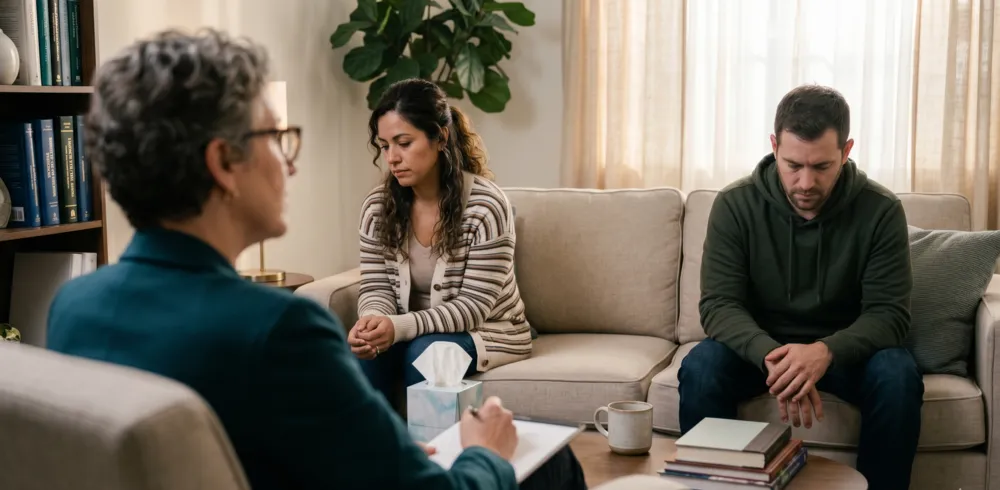
من السهل أن نضيع في العالم الرقمي هذه الأيام، وأحيانًا قد تتلاشى الحدود بين عادة بسيطة وأمر أكثر خطورة. وعندما يتعلق الأمر بالمحتوى الإباحي، يمكن أن يؤدي هذا التداخل إلى مشكلات كبيرة في حياتنا.
تستكشف هذه المقالة العلامات الرقمية التي قد تشير إلى مشكلة أعمق، متجاوزةً مجرد المشاهدة العرضية لفهم احتمال ظهور أعراض إدمان الإباحية.
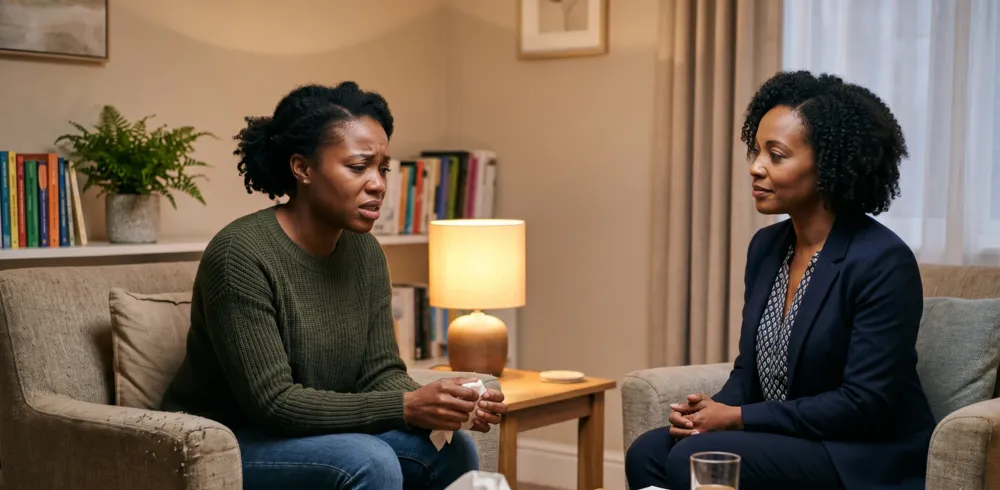
النقاط الرئيسية
يُعدّ إدراك البصمة الرقمية الخطوة الأولى في فهم أعراض إدمان الإباحية.
يُعدّ التصفح القهري، والسرية، وزيادة وقت المشاهدة من العلامات السلوكية المرتبطة بالاستخدام عبر الإنترنت.
الانشغال بالخيالات عبر الإنترنت والرؤى المشوهة حول الجنس تُعدّ أعراضًا نفسية.
يمكن أن تكون التغيرات في النوم، والإرهاق، والانطواء الاجتماعي مؤشرات جسدية واجتماعية.
تُعدّ دورة الخزي والذنب التي تلي جلسات المشاهدة مؤشرًا نفسيًا مهمًا.
How Can You Recognize the Digital Footprint of Porn Addiction?
The way we interact with digital technology can sometimes leave a trail, a kind of footprint, that hints at deeper issues. When it comes to pornography, this digital footprint can be a significant indicator of a developing problem.
The sheer accessibility and anonymity of online pornography have changed how people engage with sexual content, making it easier for compulsive behaviors to take root.
Several patterns in digital behavior can signal that a habit might be tipping into addiction. These aren't always obvious at first glance, but they represent a shift in how technology is used.
Think about the time spent online. What might start as a quick search can easily turn into hours lost, often without conscious realization.
This loss of time is a common thread. Another sign is the escalation of content sought. What once satisfied may no longer do so, leading to a continuous search for more extreme or specific material. This drive for novelty or intensity is a hallmark of many addictive processes.
Furthermore, the digital environment itself can foster secrecy. Users might go to great lengths to hide their browsing history, use private modes, or even set up separate accounts to conceal their activity.
This secrecy often stems from an underlying awareness that the behavior is problematic or would be judged negatively by others. The digital world offers a space where these behaviors can be hidden, making them harder to address.
The ease with which one can access an infinite variety of content, coupled with the potential for anonymity, creates a unique environment for compulsive behaviors to develop and persist, often without immediate external consequences.
What Are the Behavioral Symptoms of Online Pornography Consumption?
The digital landscape offers unparalleled access to content, and for some, this accessibility can lead to distinct behavioral changes. When engagement with online pornography shifts from occasional use to a compulsive pattern, several behavioral markers often emerge.
Escalation in Content Specificity and Viewing Time
One common sign is the need for increasingly specific or intense content to achieve the same level of arousal or satisfaction. This can manifest as a narrowing of interests, focusing on niche genres or extreme scenarios that were not previously of interest.
This escalation often goes hand-in-hand with a significant increase in the amount of time spent viewing pornography. What might have started as a few minutes can expand to hours, encroaching on other daily activities.
This pattern mirrors the concept of tolerance seen in substance addiction, where more of the stimulus is required over time.
Compulsive Browsing Beyond Initial Intent
Another behavioral indicator is the tendency to browse for pornography long after the initial intent has passed. This can involve endless scrolling through thumbnails, clicking on links without a clear purpose, or repeatedly searching for new material.
The act of searching itself can become a ritual, often performed even when the person does not consciously desire to view explicit content. This behavior is characterized by a feeling of being unable to stop, even when aware that it is unproductive or unwanted.
Development of Secrecy-Driven Digital Habits
As compulsive use continues, individuals often develop habits designed to conceal their online activity. This can include:
Clearing browser history and cache frequently.
Using incognito or private browsing modes extensively.
Creating separate user profiles or accounts to hide activity.
Scheduling viewing times to avoid detection by partners, family, or roommates.
Using devices in isolated locations or at odd hours.
These secrecy-driven habits are not merely about privacy; they often reflect an underlying awareness that the behavior is problematic or would be judged negatively by others, contributing to a cycle of shame and isolation.
What Psychological Symptoms Emerge from Virtual Porn Consumption?
Spending a lot of time with online pornography can really mess with your head. It's not just about what you see on the screen; it's how it starts to change your thinking and feelings about sex and relationships.
Preoccupation with Online Fantasies Over Real Life
One of the big signs is when online sexual fantasies start taking over your thoughts. You might find yourself constantly thinking about the kind of content you view online, even when you're supposed to be focused on other things, like work or conversations.
This mental preoccupation can make it hard to enjoy real-life experiences or connect with people. It's like a part of your brain is always stuck in that virtual space, replaying scenarios or planning the next time you can access them.
This constant mental engagement can interfere with daily functioning and lead to a feeling of being disconnected from reality.
Experiencing 'Porn-Induced Erectile Dysfunction' (PIED)
This is a pretty specific issue that some men run into. Basically, the brain gets so used to the intense, often unrealistic, stimulation from online pornography that it can have trouble responding to real-life sexual encounters.
This can lead to difficulty achieving or maintaining an erection during sex with a partner. It's not a physical problem with the body's mechanics, but rather a psychological response to the type of stimulation the brain has become accustomed to.
The good news is that for many, this condition can improve with abstinence from pornography and a return to more natural forms of sexual engagement.
Developing Distorted Perceptions of Normal Sexuality
Online pornography often presents a narrow and sometimes extreme view of sex. When someone is exposed to this consistently, their idea of what's normal or desirable in sexual activity can get skewed.
They might start expecting sex to be like what they see online, which can lead to disappointment or dissatisfaction in real relationships. This can also affect how people view consent, intimacy, and the emotional aspects of sex, as these are often downplayed or absent in much of the content available.
A Cycle of Shame and Guilt Following Viewing Sessions
After spending time with online pornography, especially if it's become a compulsive behavior, many people report feeling a strong sense of shame or guilt. This is often because the behavior goes against their personal values or leads to negative consequences they didn't intend.
This feeling can be a powerful motivator to stop, but it can also lead to a cycle where the shame itself makes the person feel worse, prompting them to seek comfort or distraction in the very behavior that causes the shame in the first place. It's a tough loop to break out of.
What Are the Physical and Social Symptoms of a Digital Compulsion?
Beyond the screen, a digital compulsion can start to show up in tangible ways, affecting both the body and how one interacts with others. These aren't always obvious at first, but they can become significant indicators that online habits are crossing into problematic territory.
Noticeable Changes in Sleep Patterns and Fatigue
Spending extended periods online, especially late into the night, can seriously disrupt natural sleep cycles. This isn't just about staying up late; it's about the blue light from screens interfering with melatonin production, making it harder to fall asleep and reducing sleep quality.
The result is often persistent fatigue, a general feeling of being run down, and difficulty concentrating during waking hours. This chronic tiredness can impact mood, productivity, and overall brain health.
Neglect of Personal Hygiene and Responsibilities
When online activities become all-consuming, basic self-care and daily duties can fall by the wayside. This might manifest as skipping showers, neglecting household chores, or letting personal grooming slide.
Similarly, work or school responsibilities might go unaddressed, leading to missed deadlines, poor performance, or even job loss. The drive to engage with digital content can overshadow the need for order and cleanliness in one's physical environment and personal upkeep.
Social Withdrawal in Favor of Online Isolation
As the digital world becomes more compelling, real-world social connections can suffer. People may start to prefer online interactions or solitary engagement with digital content over spending time with friends and family.
This can lead to a gradual withdrawal from social events, a decline in communication with loved ones, and a growing sense of isolation. The convenience and perceived control of online environments can make face-to-face interactions seem less appealing or more effortful, creating a cycle of increasing detachment.
Distinguishing High Libido from Compulsive Use
It's important to differentiate between a naturally high sex drive and a pattern of compulsive pornography use. A high libido generally means someone has a strong desire for sex and enjoys sexual activity, often with a partner. Compulsive use, however, is characterized by a loss of control. This means:
Inability to Stop: Despite wanting to cut back or stop, the individual finds themselves unable to do so.
Negative Consequences: The behavior continues even when it's causing problems in relationships, work, or personal well-being.
Preoccupation: Significant time and mental energy are spent thinking about, seeking out, or engaging with pornography, often to the detriment of other life activities.
Escalation: There's a need for increasingly intense or specific content to achieve the same level of arousal.
While a high libido can be a positive aspect of a relationship, compulsive pornography use can create significant distress and dysfunction.
What Is the Role of Neurofeedback in Treating Compulsive Behaviors?
As the clinical approach to compulsive behaviors continues to evolve, some treatment programs are beginning to incorporate technology-driven interventions to support recovery. One such emerging modality is neurofeedback.
Utilizing electroencephalography (EEG), this neuroscience technique involves monitoring an individual's real-time brainwave activity and providing instant visual or auditory feedback, such as a tone that changes pitch or a screen that brightens when the brain is in a targeted state.
The goal of this process is to help people physically recognize their own neurological shifts and gradually learn to voluntarily regulate the specific brainwave patterns associated with heightened cravings, stress, and impulsivity.
By essentially training the brain to achieve a calmer, more regulated baseline, neurofeedback aims to strengthen a person's underlying capacity for self-control when confronted with real-world triggers.
While the prospect of directly training brain activity is compelling, neurofeedback is currently an area of active, ongoing clinical investigation; it is not a guaranteed cure, nor is it considered a standard primary treatment for compulsive use disorders.
How Can You Move Forward and Address Problematic Porn Use?
It's clear that the line between a regular habit and a genuine addiction can be blurry, especially with how accessible online content is today. Recognizing the signs—like losing control over usage, experiencing negative consequences in life, or feeling unable to stop despite wanting to—is the first step.
If these digital behaviors are causing distress or impacting your relationships, work, or overall well-being, it’s important to consider that it might be more than just a habit. Seeking professional guidance can offer clarity and support for anyone struggling with their relationship to pornography.
References
Razi, N. I. M., Rahman, A. W. A., & Kamaruddin, N. (2018, July). Neurophysiological analysis of porn addiction to learning disabilities. In 2018 International Conference on Information and Communication Technology for the Muslim World (ICT4M) (pp. 272-277). IEEE. https://doi.org/10.1109/ICT4M.2018.00057
Frequently Asked Questions
How can I tell if my online behavior with pornography is a problem?
If you find yourself spending much more time watching porn than you intended, or if you try to stop but can't, it might be a problem. Also, if it starts affecting your mood, relationships, or daily tasks like work or school, these are signs that it's more than just a casual habit.
What does it mean to have 'escalation in content specificity'?
This means that over time, you need to see more extreme or specific types of porn to get the same feeling or excitement you used to. What once worked might not be enough anymore, so you start looking for more intense material.
Why do people become secretive about their online porn use?
Secrecy often comes from feelings of shame or guilt. People might hide their use because they know it's causing them problems or because they worry about what others would think if they found out. This secrecy can create a barrier between them and loved ones.
What are 'porn-induced erectile dysfunction' (PIED)?
PIED is when watching a lot of porn makes it difficult to get or keep an erection during real-life sexual activity. This happens because the brain gets used to the intense, unrealistic stimulation from porn, making normal sexual experiences seem less exciting or harder to achieve.
How can online porn affect my view of real-life sexuality?
Porn often shows unrealistic or extreme sexual acts. If you watch it a lot, you might start thinking that these are normal or expected. This can lead to disappointment or dissatisfaction in real relationships because they don't match the fantasies you've seen.
What is the cycle of shame and guilt after watching porn?
After viewing porn, especially if you feel it's a problem, you might feel really bad about yourself. This shame can be overwhelming. Sometimes, people turn back to porn to escape these bad feelings, creating a loop where the behavior causes guilt, and guilt leads back to the behavior.
Can watching too much porn mess with my sleep?
Yes, it can. Watching stimulating content late at night can make it hard to wind down and fall asleep. Also, the stress and anxiety that can come with problematic porn use might disrupt sleep patterns, leading to fatigue during the day.
How does porn addiction lead to social withdrawal?
When someone is deeply involved in watching porn, they might prefer the online world to real-life interactions. They might spend less time with friends and family, avoid social events, and feel more comfortable being alone with their devices, leading to isolation.
How do I know if my desire for sex is just high libido or a problem?
A high sex drive means you have a strong desire for sex, but you can usually control it and it doesn't negatively impact your life. If your sexual thoughts or actions feel out of control, cause distress, or harm your relationships and responsibilities, it's more likely a sign of a problem.
What are the first steps to take if I think I have a porn addiction?
The first step is acknowledging that there might be an issue. Then, consider talking to someone you trust, like a friend, family member, or a professional counselor. Many people find support groups helpful for understanding and overcoming these challenges.
تُعد Emotiv شركة رائدة في تقنيات الأعصاب، تساعد على تطوير أبحاث علم الأعصاب من خلال أدوات EEG وبيانات الدماغ سهلة الوصول.
Emotiv