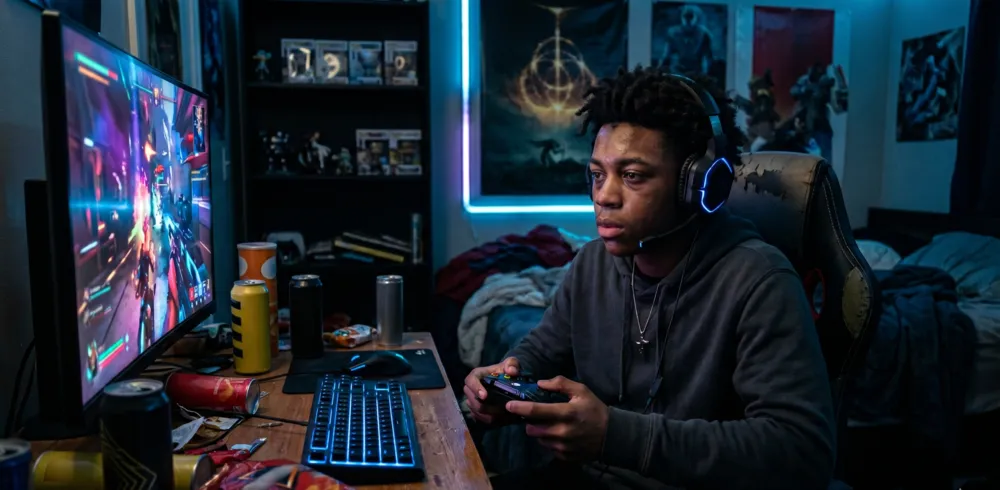
Chắc hẳn ai cũng từng như vậy, đúng không? Bạn mở một trò chơi để chơi nhanh, rồi bỗng chốc hàng giờ đã trôi qua. Thật dễ bị cuốn vào thế giới ảo, nhưng khi nào niềm vui đó trở thành điều gì đó nghiêm trọng hơn?
Hiểu tâm lý đằng sau những trò chơi gây nghiện là bước đầu tiên để đảm bảo bạn vẫn kiểm soát được thời gian chơi của mình.
Bạn Đang Chơi Game, Hay Game Đang Chơi Bạn?
Đó là câu hỏi mà nhiều game thủ thường suy ngẫm, đặc biệt là khi hàng giờ trôi qua vèo và các trách nhiệm trong thế giới thực bắt đầu có cảm giác như những nhiệm vụ phụ. Trò chơi được thiết kế để mang lại sự gắn kết, nhưng đôi khi sự gắn kết đó lại vượt qua ranh giới để trở thành một thứ mang tính ép buộc hơn.
Hiểu được sự khác biệt giữa niềm đam mê lành mạnh và nỗi ám ảnh có vấn đề là bước đầu tiên để duy trì sự cân bằng.
Sự Khác Biệt Chính Giữa Đam Mê Và Sự Ép Buộc Là Gì?
Niềm đam mê dành cho một trò chơi thường bao gồm sự thích thú, cảm giác đạt được thành tựu và khả năng rời mắt khỏi màn hình mà không cảm thấy quá khó chịu. Mặt khác, sự ép buộc được đặc trưng bởi việc mất kiểm soát, khao khát chơi dai dẳng bất chấp các hậu quả tiêu cực và cảm giác khó chịu khi không thể chơi. Đó là về việc cần chơi, chứ không phải là sự thèm muốn chơi.
Dưới đây là một cách nhanh chóng để suy nghĩ về điều đó:
Đam mê: Chơi game là một sự lựa chọn, một nguồn vui và phù hợp với cuộc sống. Bạn có thể ngừng chơi và cảm thấy ổn.
Sự ép buộc: Chơi game có cảm giác như một yêu cầu bắt buộc, thường được thúc đẩy bởi nhu cầu chạy trốn hoặc tránh né những cảm xúc tiêu cực. Việc dừng lại gây ra sự khó chịu hoặc lo lắng đáng kể.
Sự khác biệt cốt lõi thường nằm ở chỗ hoạt động đó phục vụ cho cuộc sống của bạn, hay cuộc sống của bạn bắt đầu xoay quanh hoạt động đó.
Trạng Thái Dòng Chảy Khác Với Căn Phòng Trốn Thoát Như Thế Nào?
Các nhà thiết kế trò chơi thường hướng tới một thứ gọi là "trạng thái dòng chảy" (flow state). Đây là một trạng thái tinh thần mà một người hoàn toàn đắm chìm vào một hoạt động, cảm nhận được sự tập trung tràn đầy năng lượng, sự tham gia trọn vẹn và sự thích thú trong quá trình đó.
Đó là cảm giác khi thời gian dường như biến mất vì bạn quá mải mê với một nhiệm vụ đầy thử thách nhưng có thể đạt được. Hãy nghĩ về nó như việc bạn đang ở trong vùng tập trung cao độ.
Tuy nhiên, khi việc chơi game trở thành một sự ép buộc, nó có thể chuyển dịch từ trạng thái dòng chảy sang một dạng "căn phòng trốn thoát" (escape room). Thay vì hoàn toàn tương tác với một nhiệm vụ mang lại cảm giác xứng đáng, trò chơi lại trở thành một nơi để tránh né các vấn đề hoặc những cảm xúc khó khăn trong thế giới thực.
Những phần thưởng có thể vẫn còn đó, nhưng động lực tiềm ẩn đã thay đổi từ sự thích thú và thử thách sang một nhu cầu tuyệt vọng là tránh né sự khó chịu. Điều này có thể dẫn đến việc bỏ bê các trách nhiệm, các mối quan hệ và sức khỏe tinh thần cá nhân, khi trò chơi trở thành một nơi trú ẩn tạm thời nhưng cuối cùng lại không có ích.
Thiết Kế Game Hiện Đại Sử Dụng Tâm Lý Học Như Thế Nào Để Giữ Chân Người Chơi?
Trò chơi điện tử hiện đại là những hệ thống phức tạp, được xây dựng cẩn thận để thu hút và giữ chân sự chú ý của người chơi. Các nhà thiết kế trò chơi áp dụng một loạt các nguyên lý tâm lý học, thường rút ra từ khoa học thần kinh hành vi, để tạo ra những trải nghiệm hấp dẫn mà đôi khi có thể làm mờ đi ranh giới giữa sở thích và sự nghiện ngập.
Hiểu được những kỹ thuật này là chìa khóa để nhận biết cách thức các trò chơi đạt được những đặc tính gây nghiện của chúng.
Khoa Học Đằng Sau Phần Thưởng Biến Đổi Trong Trò Chơi Điện Tử Là Gì?
Một trong những công cụ tâm lý mạnh mẽ nhất trong thiết kế trò chơi là nguyên lý phần thưởng biến đổi. Khái niệm này, bắt nguồn từ thuyết điều kiện hóa từ kết quả (operant conditioning), gợi ý rằng những phần thưởng không thể dự đoán trước sẽ hấp dẫn hơn những phần thưởng có thể đoán trước.
Trong các trò chơi, điều này thường biểu hiện dưới dạng các hộp báu vật (loot box) hoặc cơ chế gacha, nơi người chơi chi tiêu tiền tệ trong game hoặc tiền thật để có cơ hội nhận được các vật phẩm hiếm hoặc mong muốn. Sự không chắc chắn về những gì sẽ nhận được, cùng với tiềm năng có được một kết quả giá trị cao, sẽ kích hoạt sự giải phóng dopamine trong các đường dẫn phần thưởng của não bộ.
Điều này tạo ra một vòng lặp mạnh mẽ: sự kỳ vọng về một phần thưởng, hành động đạt được nó (hoặc không) và mong muốn tiếp theo là thử lại để có kết quả tốt hơn. Lịch trình củng cố ngắt quãng này cực kỳ hiệu quả trong việc thúc đẩy sự tương tác lặp đi lặp lại.
Loại Phần Thưởng | Khả Năng Dự Đoán | Tiềm Năng Giải Phóng Dopamine | Sự Tương Tác Của Người Chơi |
|---|---|---|---|
Phần Thưởng Cố Định | Cao | Thấp | Trung bình |
Phần Thưởng Biến Đổi | Thấp | Cao | Cao |
Nhiệm Vụ Hàng Ngày Và Các Sự Kiện Có Giới Hạn Thời Gian Sử Dụng Động Cơ FOMO Như Thế Nào?
Các trò chơi thường xuyên tận dụng "nỗi sợ bị bỏ lỡ" (FOMO) để khuyến khích việc chơi game đều đặn. Các nhiệm vụ hàng ngày, phần thưởng đăng nhập và các sự kiện giới hạn thời gian tạo ra một cảm giác cấp bách.
Người chơi được khuyến khích đăng nhập thường xuyên để nhận các phần thưởng có thể biến mất hoặc không còn khả dụng nếu bị bỏ lỡ. Điều này đánh vào mong muốn không bị tụt lại phía sau hoặc bỏ lỡ các lợi ích tiềm năng của người chơi.
Dòng nội dung mới, nhạy cảm với thời gian liên tục đảm bảo rằng luôn có lý do để chơi ngay bây giờ, thay vì để sau. Điều này có thể dẫn đến cảm giác nghĩa vụ, nơi việc chơi game không còn là vì sự thích thú mà là để duy trì tiến trình hoặc tránh bị mất mát.
Phần Thưởng Đăng Nhập Hàng Ngày: Những phần thưởng nhỏ cho việc chỉ cần mở game mỗi ngày.
Sự Kiện Có Giới Hạn Thời Gian: Các thử thách hoặc nội dung đặc biệt chỉ khả dụng trong một khoảng thời gian nhất định.
Ưu Đãi Giới Hạn Thời Gian: Các gói hoặc vật phẩm chỉ có sẵn trong một thời gian ngắn.
Áp Lực Xã Hội Trong Các Bang Hội Và Trận Đánh Trùm (Raid) Ảnh Hưởng Đến Sự Nghiện Ngập Như Thế Nào?
Nhiều trò chơi hiện đại kết hợp các yếu tố xã hội mạnh mẽ, chẳng hạn như bang hội (guild), gia tộc (clan) hoặc đấu trường người chơi đấu với người chơi (PvP). Các tính năng này tạo ra cảm giác thuộc về và sự phụ thuộc lẫn nhau.
Người chơi đầu tư thời gian và công sức để xây dựng mối quan hệ với những người chơi khác, đóng góp vào mục tiêu chung trong nhóm của họ. Các trận đánh trùm (raid) hoặc nhiệm vụ nhóm thường đòi hỏi sự phối hợp và cam kết từ nhiều người chơi, khiến một cá nhân khó có thể rút lui mà không ảnh hưởng đến đồng đội của mình.
Sự đầu tư xã hội này có thể tạo ra một áp lực mạnh mẽ buộc phải tiếp tục chơi, không chỉ vì sự hài lòng cá nhân, mà còn để duy trì vị thế xã hội và thực hiện các nghĩa vụ đối với cộng đồng.
Tại Sao Các Hệ Thống Tiến Trình Lại Có Cảm Giác Như Một Máy Chạy Bộ Không Có Điểm Dừng?
Hệ thống tiến trình là nền tảng của thiết kế trò chơi, mang lại cho người chơi cảm giác đạt được thành tựu liên tục.
Trò chơi thường được cấu trúc với một loạt các cấp độ, cây kỹ năng hoặc lộ trình nâng cấp ngày càng mở rộng. Điều này tạo ra cảm giác rằng luôn có điều gì đó cần hoàn thành nhiều hơn, một mục tiêu khác cần đạt được.
Ngay cả khi người chơi đạt được một cột mốc quan trọng, trò chơi sẽ nhanh chóng đưa ra một mục tiêu mới, thử thách hơn một chút. Hiệu ứng "máy chạy bộ không có điểm dừng" này đảm bảo rằng người chơi hiếm khi cảm thấy họ đã "hoàn thành" trò chơi, khuyến khích sự gắn kết lâu dài trong thời gian dài.
Sự hài lòng có được từ việc hoàn thành một nhiệm vụ thường ngắn ngủi, nhanh chóng bị thay thế bằng sự chờ đợi thử thách tiếp theo.
Tác Động Thực Tế Của Việc Chơi Game Quá Nhiều Giờ Là Gì?
Thật dễ dàng để đánh mất bản thân trong những thế giới kỹ thuật số mà trò chơi tạo ra. Đôi khi, những giờ dành cho việc chơi game có thể bắt đầu ảnh hưởng đến cuộc sống thực, và các tác động có thể không rõ ràng ngay lập tức. Nhận biết việc chơi game ảnh hưởng như thế nào đến cuộc sống hàng ngày của bạn là bước đầu tiên để duy trì sự cân bằng lành mạnh.
Quá Tải Chơi Game Có Thể Ảnh Hưởng Đến Não Bộ Và Tâm Trạng Của Bạn Như Thế Nào?
Dành quá nhiều thời gian chơi game có thể dẫn đến những thay đổi trong cách thức hoạt động của não bộ và cảm xúc của một người. Một số nghiên cứu gợi ý rằng việc tương tác kéo dài với trò chơi điện tử có thể tác động đến các vùng não liên quan đến phần thưởng và động lực. Điều này đôi khi có thể khiến bạn khó tìm thấy niềm vui trong các hoạt động hàng ngày không mang lại phản hồi hoặc sự kích thích tức thì tương tự.
Thay Đổi Tâm Trạng: Người chơi có thể cảm thấy dễ cáu gắt hoặc lo lắng hơn khi không thể chơi, hoặc có cảm giác không hài lòng nói chung với cuộc sống ngoại tuyến.
Tác Động Nhận Thức: Mặc dù trò chơi có thể cải thiện một số kỹ năng nhận thức nhất định, việc sử dụng quá mức có thể dẫn đến khó khăn trong việc chú ý và tập trung vào các nhiệm vụ không phải là trò chơi.
Rối Loạn Giấc Ngủ: Các buổi chơi game đêm muộn có thể làm gián đoạn chu kỳ giấc ngủ tự nhiên, dẫn đến mệt mỏi và ảnh hưởng đến sức khỏe tổng thể.
Những Chi Phí Ẩn Đối Với Các Mối Quan Hệ, Tiền Bạc Và Thời Gian Là Gì?
Bên cạnh những tác động tức thì lên tâm trạng và nhận thức, chơi game quá mức có thể gây ra những hậu quả đáng kể cho các lĩnh vực khác của cuộc sống bao gồm cả sự phát triển của các rối loạn não bộ.
Thời gian: Những giờ dành cho việc chơi game là những giờ không dành cho công việc, học tập, tập thể dục, sở thích hoặc dành thời gian cho những người thân yêu. Điều này có thể dẫn đến việc tụt lại phía sau trong các trách nhiệm hoặc bỏ lỡ các trải nghiệm sống quan trọng.
Tiền bạc: Nhiều trò chơi liên quan đến việc mua hàng trong game, đăng ký thuê bao hoặc nhu cầu nâng cấp phần cứng. Những chi phí này có thể cộng dồn nhanh chóng, đôi khi dẫn đến căng thẳng tài chính.
Mối quan hệ: Khi việc chơi game được ưu tiên hàng đầu, các mối quan hệ với gia đình và bạn bè có thể bị ảnh hưởng. Việc bỏ bê các kết nối xã hội có thể dẫn đến cảm giác bị cô lập và căng thẳng trong các mối quan hệ cá nhân. Việc duy trì các mối quan hệ ngoại tuyến bền chặt đòi hỏi sự nỗ lực tích cực và đầu tư thời gian.
Đáng lưu ý là Phân loại Thống kê Quốc tế về Bệnh tật và Các vấn đề Sức khỏe Liên quan, Bản sửa đổi lần thứ 11 (ICD-11), bao gồm "rối loạn chơi game" như một tình trạng được đặc trưng bởi một mô hình hành vi chơi game dai dẳng hoặc tái diễn có thể dẫn đến suy giảm đáng kể trong các lĩnh vực hoạt động cá nhân, gia đình, xã hội, giáo dục, nghề nghiệp hoặc các lĩnh vực quan trọng khác.
Làm Thế Nào Bạn Có Thể Thực Hành Chơi Game Tỉnh Thức Và Giành Lại Sự Kiểm Soát?
Thiết Lập Các Buổi Chơi Có Chủ Đích Với Mục Tiêu Rõ Ràng
Khi việc chơi game chuyển từ sở thích sang sự ép buộc, ranh giới giữa thư giãn và nghĩa vụ sẽ bị mờ đi. Việc thiết lập các buổi chơi có chủ đích có nghĩa là tiếp cận việc chơi game với mục đích xác định và giới hạn thời gian. Điều này bao gồm việc quyết định một cách có ý thức tại sao bạn chơi và bạn dự định chơi trong bao lâu trước khi bạn bắt đầu.
Ví dụ, mục tiêu có thể là hoàn thành một nhiệm vụ cụ thể, đạt được một thứ hạng nhất định, hoặc đơn giản là để thư giãn trong một khoảng thời gian định sẵn, chẳng hạn như 60 phút. Dưới đây là một số mẹo bạn có thể làm theo để chơi game tỉnh thức hơn:
Xác định mục tiêu của bạn: Bạn muốn đạt được điều gì trong buổi chơi này?
Đặt bộ hẹn giờ: Sử dụng báo thức hoặc bộ hẹn giờ vật lý để báo hiệu kết thúc thời gian chơi đã lên kế hoạch của bạn.
Lên lịch nghỉ ngơi: Lên kế hoạch cho các đợt nghỉ ngắn trong các buổi chơi dài hơn để rời mắt khỏi màn hình.
Phương pháp có cấu trúc này giúp ngăn chặn tính chất mở của nhiều trò chơi dẫn đến thời gian chơi quá mức. Nó biến việc chơi game từ một hoạt động tiêu tốn thời gian thành một hoạt động phù hợp trong một lịch trình cân bằng.
Phá Vỡ Các Vòng Lặp Ép Buộc Bằng 'Ngắt Quãng Khuôn Mẫu'
Chơi game mang tính ép buộc thường liên quan đến các chu kỳ hành vi lặp đi lặp lại, chẳng hạn như đăng nhập vào những thời điểm cụ thể, thực hiện các nhiệm vụ hàng ngày hoặc tham gia vào các hoạt động được thúc đẩy bởi nỗi sợ bỏ lỡ.
Một 'ngắt quãng khuôn mẫu' là một hành động có chủ ý được thực hiện nhằm phá vỡ những thói quen đã ăn sâu này. Điều này có thể đơn giản như thay đổi thói quen đăng nhập của bạn, đi một con đường khác đến máy tính của bạn hoặc tham gia vào một hoạt động ngắn, không liên quan ngay sau khi kết thúc một buổi chơi game.
Hãy xem xét các ví dụ này về ngắt quãng khuôn mẫu:
Vận động thể chất: Thực hiện 10 lần nhảy vung tay chân hoặc đi bộ ngắn ngay sau khi tắt trò chơi.
Thay đổi giác quan: Nghe một bài hát mà bạn thường không liên tưởng đến việc chơi game.
Chuyển đổi nhiệm vụ: Ngay lập tức bắt đầu một công việc lặt vặt nhỏ, không liên quan, chẳng hạn như dọn dẹp bàn làm việc hoặc tưới cây.
Những gián đoạn nhỏ này có thể làm suy yếu mối liên kết tự động giữa các yếu tố kích hoạt và hành vi chơi game, tạo không gian cho việc ra quyết định có ý thức hơn.
Tìm Kiếm Sự Thỏa Mãn Trong Các Trò Chơi 'Có Điểm Dừng'
Nhiều trò chơi được thiết kế để gắn kết lâu dài có các hệ thống tiến trình vô tận, khiến bạn khó cảm nhận được cảm giác hoàn thành. Chuyển trọng tâm sang các trò chơi có sự bắt đầu, diễn biến và kết thúc rõ ràng có thể mang lại một trải nghiệm thỏa mãn hơn.
Những trò chơi 'có điểm dừng' này, chẳng hạn như các cuộc phiêu lưu chơi đơn theo cốt truyện hoặc các trò chơi giải đố có đáp án dứt khoát, mang lại cảm giác thành tựu khi hoàn thành.
Trò chơi theo cốt truyện: Các trò chơi có câu chuyện mạnh mẽ có hồi kết.
Trò chơi giải đố: Các trò chơi đưa ra các thử thách với lời giải rõ ràng.
Trò chơi chiến thuật với mục tiêu xác định: Các trò chơi mà mục tiêu là đạt được một kết quả cụ thể, không phải là sự phát triển vô tận.
Hoàn thành các trò chơi như vậy có thể mang lại cảm giác đạt được thành tựu hữu hình, củng cố ý tưởng rằng tiến trình và sự hài lòng có thể được tìm thấy trong một khoảng thời gian giới hạn, thay vì thông qua việc gắn kết vĩnh viễn.
Làm Thế Nào Để Tạo Dựng Một Cuộc Sống Lành Mạnh Hơn Bên Ngoài Màn Hình?
Mặc dù tương tác với thế giới kỹ thuật số có thể mang lại niềm vui và sự kết nối, một cuộc sống cân bằng đòi hỏi sự chú ý đến các hoạt động ngoại tuyến. Thiết lập lại kết nối với các hoạt động và mối quan hệ bên ngoài màn hình là một bước quan trọng trong việc duy trì sức khỏe.
Tái Khám Phá Hoặc Tìm Kiếm Các Sở Thích Ngoại Tuyến Mới
Nhiều người nhận thấy rằng việc dành thời gian cho các sở thích ngoài chơi game có thể cải thiện đáng kể sự hài lòng chung của họ và giảm bớt cảm giác bị ép buộc. Những hoạt động này có thể mang lại cảm giác thành tựu, giải tỏa căng thẳng và cơ hội tương tác xã hội khác biệt với môi trường chơi game. Khám phá các mối quan tâm khác nhau có thể dẫn đến những đam mê bất ngờ và một cuộc sống cá nhân phong phú hơn.
Hãy xem xét các hoạt động như:
Nghệ thuật Sáng tạo: Vẽ tranh, phác thảo, viết lách, chơi một nhạc cụ hoặc làm đồ thủ công.
Hoạt động Thể chất: Đi bộ đường dài, đi xe đạp, thể thao đồng đội, yoga hoặc khiêu vũ.
Hoạt động Trí tuệ: Đọc sách, học một ngôn ngữ mới, tham gia các thực hành tỉnh thức, tham dự các buổi diễn thuyết hoặc giải các câu đố.
Kỹ năng Thực hành: Nấu ăn, làm vườn, mộc hoặc sửa chữa đồ đạc.
Quá trình học tập và làm chủ một kỹ năng mới có thể mang lại phần thưởng đặc biệt lớn. Nó mang lại sự tiến bộ hữu hình và cảm giác về năng lực bản thân có thể đối trọng với những phần thưởng thường mang tính trừu tượng trong trò chơi kỹ thuật số.
Một Số Mẹo Để Kết Nối Lại Với Bạn Bè Và Gia Đình Là Gì?
Chơi game đôi khi có thể tạo ra khoảng cách với những người thân yêu. Việc xây dựng lại các kết nối này đòi hỏi nỗ lực có chủ đích và sự giao tiếp cởi mở. Ưu tiên các tương tác trực tiếp hoặc thời gian giao tiếp dành riêng có thể giúp thắt chặt các mối quan hệ.
Lên lịch Cho Thời Gian Riêng: Dành những khoảng thời gian cụ thể cho các bữa ăn gia đình, các chuyến đi chơi với bạn bè hoặc các cuộc điện thoại, coi các cam kết này có tầm quan trọng tương tự như các cuộc hẹn khác.
Chia sẻ Sở thích Của Bạn: Mời bạn bè hoặc gia đình tham gia vào các sở thích ngoại tuyến của bạn, hoặc thể hiện sự quan tâm đến sở thích của họ. Điều này có thể tạo ra các trải nghiệm chia sẻ và điểm chung.
Thực hành Lắng nghe Chủ động: Khi tương tác với người khác, hãy tập trung vào việc hiện diện và tham gia vào cuộc trò chuyện, thay vì bị phân tâm bởi những suy nghĩ về chơi game hoặc các hoạt động kỹ thuật số khác.
Trao đổi Về Các Ranh Giới: Nếu việc chơi game ảnh hưởng đến các mối quan hệ, việc thảo luận cởi mở về các vấn đề này và thiết lập các ranh giới lành mạnh xung quanh thời gian sử dụng màn hình có thể có lợi cho tất cả những người liên quan.
Tái tương tác với thế giới vật lý và những con người trong đó mang lại một hình thức kết nối và thỏa mãn khác biệt, thường là sâu sắc hơn. Đó là việc nuôi dưỡng một cuộc sống phong phú và đa dạng, cả trực tuyến lẫn ngoại tuyến.
Làm Thế Nào Bạn Có Phép Tìm Lại Lối Về Từ Sự Nghiện Game?
Rõ ràng là các trò chơi được thiết kế để giữ chân chúng ta, sử dụng các chiêu trò tâm lý đánh vào hệ thống phần thưởng của não bộ. Điều này có thể dẫn đến các vấn đề thực tế, ảnh hưởng đến cuộc sống hàng ngày và các trách nhiệm của chúng ta.
Nhưng tin tốt là, đó không phải là một ngõ cụt. Nhiều người đã tìm ra cách để lùi lại một bước, cho dù bằng cách tạm nghỉ, tìm kiếm sự hỗ trợ từ những người hiểu rõ vấn đề hoặc tái khám phá các hoạt động bên ngoài trò chơi.
Nỗ lực là cần thiết, chắc chắn rồi, nhưng việc giành lại thời gian và sự tập trung của bạn hoàn toàn là khả thi. Nếu bạn cảm thấy game đang kiểm soát mình, hãy nhớ rằng luôn có các nguồn lực và cộng đồng sẵn sàng giúp bạn tìm lại sự cân bằng đó và trở lại sống một cuộc sống trọn vẹn bên ngoài màn hình.
Tài Liệu Tham Khảo
Palaus, M., Marron, E. M., Viejo-Sobera, R., & Redolar-Ripoll, D. (2017). Neural basis of video gaming: A systematic review. Frontiers in human neuroscience, 11, 248. https://doi.org/10.3389/fnhum.2017.00248
World Health Organization. (n.d.). Gaming disorder. Truy cập ngày 21 tháng 4 năm 2026, từ https://www.who.int/standards/classifications/frequently-asked-questions/gaming-disorder
Các Câu Hỏi Thường Gặp
'Vòng lặp ép buộc' trong game là gì, và chúng hoạt động thế nào?
Vòng lặp ép buộc giống như một chu kỳ trong game, nơi bạn thực hiện một hành động, nhận được phần thưởng và sau đó lại muốn làm lại hành động đó. Hãy nghĩ như thế này: bạn chơi, bạn thắng được vài đồng xu ảo, và điều đó khiến não bạn giải phóng một chất hóa học tạo cảm giác dễ chịu gọi là dopamine. Việc này khiến bạn muốn chơi nhiều hơn để có lại cảm giác tuyệt vời đó. Nó tương tự như cách một số thói quen hình thành, ngay cả khi đó chỉ là trong một trò chơi.
Trò chơi sử dụng 'phần thưởng biến đổi' như thế nào để giữ chân người chơi?
Phần thưởng biến đổi giống như những bất ngờ trong trò chơi, chẳng hạn như hộp báu vật hoặc các vật phẩm đặc biệt. Bạn không biết chính xác khi nào bạn sẽ nhận được thứ gì đó tốt, hoặc nó sẽ là gì. Sự không chắc chắn này khiến bạn tiếp tục chơi vì bạn luôn hy vọng vào giải thưởng thú vị tiếp theo. Nó giống như một máy đánh bạc – cơ hội chiến thắng giữ chân bạn tiếp tục gạt cần.
'Nỗi sợ bị bỏ lỡ' (FOMO) trong chơi game là gì, và nó được sử dụng như thế nào?
FOMO trong trò chơi nghĩa là cảm giác như bạn sẽ bỏ lỡ điều gì đó quan trọng nếu bạn không chơi. Trò chơi tạo ra điều này bằng cách có các nhiệm vụ hàng ngày hoặc các sự kiện đặc biệt chỉ kéo dài trong một thời gian ngắn. Nếu bạn không đăng nhập, bạn có thể bỏ lỡ các phần thưởng hoặc tiến trình, khiến bạn cảm thấy mình phải chơi để không bị tụt lại phía sau.
Chơi game cùng bạn bè hoặc theo nhóm ảnh hưởng đến sự nghiện ngập ra sao?
Chơi game cùng những người khác, ví dụ như trong bang hội hoặc đội nhóm, có thể khiến bạn khó ngừng chơi hơn. Bạn cảm thấy mình là một phần của cộng đồng và có trách nhiệm với bạn bè trong game. Việc không muốn làm đồng đội thất vọng hoặc bỏ lỡ các hoạt động nhóm có thể khiến bạn chơi nhiều hơn dự định.
Tại sao các trò chơi thường mang lại cảm giác 'luôn luôn có một cấp độ tiếp theo'?
Nhiều trò chơi được thiết kế để không có điểm dừng. Luôn có một cấp độ mới cần đạt tới, một thử thách mới cần vượt qua hoặc một mục tiêu mới cần hoàn thành. Cảm giác tiến bộ liên tục này, ngay cả khi nó nhỏ nhặt, mang lại cảm giác rằng bạn luôn đang hướng tới một điều gì đó, điều này có thể giữ chân bạn chơi game trong một thời gian dài.
'Thử Thách Cô Bé Tóc Vàng' (Goldilocks Challenge) trong thiết kế game là gì?
'Thử Thách Cô Bé Tóc Vàng' nói về việc làm cho một trò chơi vừa đủ khó để gây sự thú vị, nhưng không quá khó đến mức gây nản lòng. Đó là điểm cân bằng lý tưởng nơi bạn cảm thấy mình đã ở rất gần chiến thắng hoặc thành công, điều này thôi thúc bạn tiếp tục cố gắng. Cảm giác 'sắp đạt được rồi' này là một động lực mạnh mẽ để tiếp tục chơi.
Chơi game quá mức có thể ảnh hưởng đến não bộ và tâm trạng của một người như thế nào?
Chơi game quá nhiều có thể thay đổi cách thức hoạt động của não bộ, đặc biệt là các phần kiểm soát phần thưởng và sự tập trung. Nó cũng có thể ảnh hưởng đến tâm trạng của bạn, khiến bạn cảm thấy dễ cáu gắt, lo lắng hoặc thậm chí là buồn bã khi không chơi. Nó cũng có thể khiến bạn khó cảm thấy hạnh phúc về những thứ bên ngoài trò chơi.
Những chi phí ẩn của việc dành quá nhiều thời gian chơi game là gì?
Chi phí ẩn không chỉ là về số tiền chi cho trò chơi hoặc vật phẩm trong game. Đó còn là về lượng thời gian bạn đánh mất mà lẽ ra có thể dùng cho việc học, công việc, sở thích hoặc với gia đình và bạn bè. Những cơ hội bị mất đi và mối quan hệ căng thẳng này là những chi phí đáng kể có thể tác động đến cuộc sống của bạn.
Thế nào là trạng thái 'dòng chảy' so với 'căn phòng trốn thoát' khi chơi game?
Ở trong trạng thái 'dòng chảy' nghĩa là bạn hoàn toàn tập trung và tận hưởng trò chơi một cách lành mạnh. Tuy nhiên, cảm giác 'căn phòng trốn thoát' gợi ý rằng bạn đang sử dụng trò chơi để tránh né các vấn đề hoặc cảm xúc trong cuộc sống thực. Điều quan trọng là phải biết bạn đang chơi vì niềm vui hay chỉ để trốn chạy khỏi mọi thứ.
Một số chiến lược để chơi game tỉnh thức hơn là gì?
Chơi game tỉnh thức bao gồm việc thiết lập thời gian cụ thể cho việc chơi và có mục tiêu rõ ràng cho mỗi buổi chơi. Nó cũng có nghĩa là nhận biết khi nào bạn đang rơi vào một khuôn mẫu lặp đi lặp lại mang tính ép buộc và biết cách ngắt quãng nó, có lẽ bằng cách nghỉ ngơi một lát hoặc chuyển sang một hoạt động khác.
Làm sao để ai đó có thể tìm thấy sự cân bằng tốt hơn giữa chơi game và cuộc sống thực?
Tìm kiếm sự cân bằng nghĩa là chủ động chọn dành thời gian cho các hoạt động khác mà bạn yêu thích, như thể thao, đọc sách hoặc dành thời gian cho những người thân yêu. Đó là việc tái khám phá các sở thích cũ hoặc tìm kiếm những sở thích mới không liên quan đến màn hình, giúp bạn xây dựng một cuộc sống phong phú hơn bên ngoài việc chơi game.
Khi nào ai đó nên tìm kiếm sự giúp đỡ về thói quen chơi game của mình?
Bạn nên cân nhắc tìm kiếm sự giúp đỡ nếu việc chơi game đang gây ra các vấn đề trong học tập, công việc, các mối quan hệ, hoặc nếu bạn cảm thấy mình không thể kiểm soát thời gian chơi game của mình, ngay cả khi bạn muốn dừng lại. Có những nguồn lực và các chuyên gia có thể giúp bạn hiểu và quản lý thói quen chơi game của mình.
Emotiv là một đơn vị dẫn đầu về công nghệ thần kinh, giúp thúc đẩy nghiên cứu khoa học thần kinh thông qua các công cụ EEG và dữ liệu não bộ dễ tiếp cận.
Tuyên bố miễn trừ trách nhiệm y tế: Thông tin được cung cấp trên trang web này chỉ nhằm mục đích giáo dục và cung cấp thông tin, không được coi là lời khuyên về y tế hoặc sức khỏe. Nội dung này có thể chứa lỗi và không nên dựa vào đó để đưa ra các lựa chọn thay đổi cuộc sống, sức khỏe, y tế hoặc lối sống. Luôn tìm kiếm lời khuyên từ bác sĩ hoặc nhà cung cấp dịch vụ y tế có trình độ khác nếu bạn có bất kỳ câu hỏi nào liên quan đến tình trạng y khoa hoặc phương pháp điều trị.
Christian Burgos