Elektronik sigarayı bırakmaya karar vermek, sağlığınızı ve refahınızı geri kazanma yolunda önemli bir adımdır. Bu alışkanlık çeşitli nedenlerle başlamış olsa da, kısa sürede fiziksel ve zihinsel bağımlılığı içeren karmaşık bir döngüye dönüşebilir.
Bu kılavuz, elektronik sigarayı bırakmanıza yardımcı olacak pratik tavsiyeler ve Insight'lar sunmaktadır.
Elektronik Sigara Alışkanlık Döngüsü Nasıl Çalışır?
Elektronik Sigara Neden Sadece Bir Nikotin Bağımlılığından Daha Fazlasıdır?
Pek çok insan elektronik sigaraya sadece nikotinle ilgili olduğunu düşünerek başlar, ancak gerçek daha karmaşıktır. Nikotin son derece bağımlılık yapıcı olsa da, elektronik sigara kullanma eylemi genellikle beynin öğrendiği ve tekrarladığı bir davranışsal kalıba, yani bir döngüye dönüşür.
Bu döngü bir ipucu, bir rutin ve bir ödül içerir. İpucu bir duygu, bir yer veya günün bir saati olabilir. Rutin, elektronik sigara kullanmanın fiziksel eylemidir. Ödül ise yaşanan geçici rahatlama veya histir.
Zamanla bu döngü otomatik hale gelir ve bırakma arzusu güçlü olsa bile kırılmasını zorlaştırır. Alışkanlık sadece nikotinin kimyasal etkileriyle değil, aynı zamanda eylem ile algılanan fayda arasında öğrenilen ilişkiyle de pekişir.
Kişisel İpucu-Rutin-Ödül Döngünüzü Nasıl Belirleyebilirsiniz?
Elektronik sigarayı nasıl bırakacağınızı anlamak için kişisel alışkanlık döngünüzü parçalara ayırmak faydalıdır. Bu, elektronik sigaranıza ne zaman ve neden uzandığınıza çok dikkat etmeyi gerektirir. Şunları göz önünde bulundurun:
İpuçları: Elektronik sigara kullanımından önce genellikle hangi durumlar, duygular veya günün hangi saatleri gelir? Yaygın ipuçları arasında stres, can sıkıntısı, yemeği bitirmek veya sosyal etkileşimler yer alır.
Rutinler: Bu, elektronik sigara kullanma eyleminin kendisidir. Cihazı çıkarma, içine çekme ve süre gibi dahil olan belirli eylemleri not edin.
Ödüller: O anda elektronik sigara kullanmaktan ne elde ediyorsunuz? Bir sakinlik hissi mi, dikkat dağıtıcı bir şey mi, sosyal olma hissi mi, yoksa fiziksel bir his mi?
Bu bileşenleri tanımlayarak, alışkanlığın devam etmesini sağlayan kalıpları görmeye başlayabilirsiniz.
Dopamin Elektronik Sigara Alışkanlığının Pekiştirilmesinde Nasıl Bir Rol Oynar?
Dopamin, beyinde haz ve ödülle ilişkilendirilen bir nörotransmitterdir. Özellikle nikotin içeren bir elektronik sigara kullandığınızda dopamin salgılanır ve bir tatmin hissi yaratır.
Bu salgılanma davranışı pekiştirir ve beynin başka bir dopamin darbesi almak için eylemi tekrarlamak istemesine neden olur. Bu nörokimyasal tepki, elektronik sigara da dahil olmak üzere alışkanlıkların kırılmasının bu kadar zor olmasının temel bir nedenidir.
Beyin, elektronik sigara kullanmayı olumlu bir duyguyla ilişkilendirmeyi öğrenir ve bu ilişkilendirme tekrar elektronik sigara kullanma dürtüsünü tetikler.
‘Sadece Bırakmak’ Beyniniz İçin Neden Bu Kadar Zordur?
Sadece elektronik sigarayı bırakmaya karar vermek genellikle yeterli olmaz çünkü alışkanlık döngüsü derinden kökleşmiştir. Beyin, elektronik sigara kullanımıyla ilişkili güçlü sinirsel yollar oluşturmuştur.
Bir ipucu ortaya çıktığında, beyin otomatik olarak rutini tetikler ve ödülü bekler. Bu otomatik tepki, bilinçli karar verme sürecini devre dışı bırakır.
Ayrıca, nikotinden kaynaklanan fiziksel yoksunluk belirtileri rahatsızlık yaratarak başka bir zorluk katmanı ekleyebilir. Beynin ödül sistemi nikotine alışır, bu da nikotinin yokluğunu tatsız hale getirir ve elektronik sigaraya geri dönme dürtüsünü tetikler.
Elektronik Sigara Tetikleyicilerinizi Nasıl Belirleyebilir ve Yönetebilirsiniz?
Tetikleyici Günlüğü Nasıl Oluşturulur ve Kullanılır?
Tetikleyici günlüğü, kalıpları görmenize yardımcı olacak basit bir araçtır. Elektronik sigara kullanma isteği duyduğunuzda, hemen öncesinde ne olduğunu yazın.
Saati, nerede olduğunuzu, kiminle olduğunuzu ve nasıl hissettiğinizi not edin. Zamanla ortak temalar görmeye başlayacaksınız. Bu farkındalık, alışkanlığı kırmak için çok önemlidir.
En Yaygın Elektronik Sigara Tetikleyicileri Nelerdir?
Stres: Birçok insan bunalmış veya endişeli hissettiğinde elektronik sigara kullanır. Bu, rahatlamanın hızlı bir yolu gibi görünebilir ancak altta yatan sorunu çözmez.
Can Sıkıntısı: Yapacak hiçbir şeyin olmaması elektronik sigaraya uzanmaya yol açabilir. Bir boşluğu doldurur, ancak zamanınızı değerlendirmenin üretken bir yolu değildir.
Sosyal Durumlar: Başkalarının elektronik sigara kullandığını görmek veya elektronik sigaranın yaygın olduğu yerlerde bulunmak, sizin de katılmak istemenize neden olabilir. Hafif de olsa akran baskısı rol oynar.
Çevresel İpuçları Elektronik Sigara Aşermelerini Nasıl Etkiler?
Belirli yerler veya nesneler elektronik sigara ile bağlantılı hale gelebilir. Örneğin, elektronik sigara likitinin kokusu, cihazınızı görmek veya sadece her zamanki elektronik sigara içme yerinizde oturmak bile bir istek uyandırabilir.
Sabah kahvenizle birlikte veya araba kullanırken elektronik sigara içme rutini de güçlü bir tetikleyici olabilir.
Duygusal Değişimler Elektronik Sigara Tetikleyicisi Olarak Rol Oynayabilir mi?
Duygular güçlü tetikleyicilerdir. Kendinizi keyifsiz, endişeli veya hatta mutlu hissedip kutlamak istediğinizde, aklınıza elektronik sigara gelebilir.
Bu duyguları başka yollarla yönetmeyi öğrenmek önemlidir. Örneğin, endişelendiğinizde elektronik sigara içmek yerine birkaç derin nefes almayı veya kısa bir yürüyüş yapmayı denemek yardımcı olabilir.
Farklı tetikleyicilerin nasıl görünebileceğine dair bir bakış:
Tetikleyici Türü | Örnekler |
|---|---|
Duygusal | Stres, kaygı, üzüntü, heyecan, can sıkıntısı |
Çevresel | Belirli konumlar, elektronik sigara ürünlerini görmek |
Sosyal | Arkadaşların elektronik sigara kullanması, sosyal toplantılar |
Rutine Dayalı | Yemeklerden sonra, işe gidip gelirken, kahve ile birlikte |
Sağlıklı Başa Çıkma Mekanizmalarından Oluşan Bir Araç Kutusunu Nasıl Oluşturabilirsiniz?
Elektronik sigarayı bırakmak, daha önce elektronik sigara kullanımına yol açan durum ve duygularla başa çıkmak için yeni yollar geliştirmeyi gerektirir. Bu süreç, aşermeleri yönetmek ve kökleşmiş alışkanlık döngüsünün yerini almak üzere kişisel bir araç seti oluşturmakla ilgilidir.
Bu nedenle, sağlam bir araç kutusu oluşturmak, sürdürülebilir başarı şansını önemli ölçüde artırabilir.
Elden Ağza Elektronik Sigara Eyleminin Yerine Ne Koyabilirsiniz?
Elektronik sigara kullanmanın fiziksel eylemi, özellikle de elden ağıza hareketi, genellikle alışkanlığın derinden kökleşmiş bir parçasıdır. Alternatif eylemler bulmak, nikotine başvurmadan bu fiziksel dürtüyü tatmin etmeye yardımcı olabilir. Bu alternatifleri göz önünde bulundurun:
Sakız veya Nane Şekeri: Şekersiz sakız veya sert nane şekerleri ağızda uyarım ve tat değişikliği sağlayabilir.
Sağlıklı Atıştırmalıklar: Ağzınıza bir şey koyma dürtüsü ortaya çıktığında havuç dilimleri, kereviz veya kuruyemiş gibi çıtır atıştırmalıkları hazır bulundurun.
Stres Oyuncakları: Küçük, göze çarpmayan stres oyuncakları elleri meşgul edebilir ve duyusal bir dikkat dağıtıcı sağlayabilir.
Su İçmek: Suyu yavaşça yudumlamak oral fiksasyonu yönetmeye yardımcı olabilir ve sizi susuz bırakmaz.
Hangi Farkındalık ve Nefes Egzersizleri Aşermelere Yardımcı Olur?
Aşermeler yoğun hissedilebilir, ancak geçicidir. Farkındalık teknikleri ve belirli nefes egzersizleri, sizi şimdiki ana bağlayarak ve sinir sistemini sakinleştirerek bu dalgalanmaları yönetmenize yardımcı olabilir.
Derin Nefes Alma: Burnunuzdan yavaşça nefes alın, birkaç saniye tutun ve ağzınızdan yavaşça verin. Bu, fizyolojik stres tepkilerini azaltmaya yardımcı olabilir.
Beden Taraması Meditasyonu: Dikkatinizi vücudunuzun farklı bölgelerine odaklayın, herhangi bir duyumu yargılamadan fark edin. Bu, aşermeden uzaklaşmaya yardımcı olabilir.
Farkındalıkla Gözlem: Aşermeyle savaşmadan varlığını kabul edin. Yoğunluğunu, süresini ve bununla ilişkili tüm fiziksel duyumları gözlemleyin ve geçeceğini fark edin.
Elektronik Sigara Olmadan Stres ve Can Sıkıntısını Nasıl Yönetebilirsiniz?
Stres ve can sıkıntısı, elektronik sigara kullanımı için yaygın tetikleyicilerdir. Bu duygulara gerçekten hitap eden aktiviteler belirlemek ve bunlarla meşgul olmak nüksetmeyi önleyebilir.
Fiziksel Aktivite: Egzersiz yapmak, kısa bir yürüyüş bile olsa, endorfin salgılanmasını sağlayabilir, stresi azaltabilir ve sağlıklı bir dikkat dağıtıcı sunabilir.
İlgi Çekici Hobiler: Odaklanma gerektiren ve başarı hissi veren kitap okumak, resim yapmak, bir enstrüman çalmak veya bahçe işleriyle uğraşmak gibi yeni hobiler keşfedin veya bunlara başlayın.
Sosyal Bağlantı: Destekleyici arkadaşlar veya aileyle vakit geçirmek ya da grup aktivitelerine katılmak, yalnızlık ve can sıkıntısı duygularıyla mücadele edebilir.
Yaratıcı Mecralar: Günlük tutmak, yazı yazmak veya diğer yaratıcı ifade biçimleri duyguları işlemek ve stresi azaltmak için etkili yollar olabilir.
‘Geciktir ve Dikkatini Dağıt’ Tekniği Nasıl Çalışır?
‘Geciktir ve Dikkatini Dağıt’ tekniği, ani aşermeleri yönetmek için basit ama etkili bir stratejidir. Elektronik sigara kullanma dürtüsünü bilinçli olarak ertelemeyi ve dikkatinizi başka bir şeye yönlendirmeyi içerir.
Aşermeyi Kabul Edin: Dürtünün var olduğunu fark edin.
Geciktirin: Dürtüye göre hareket etmeden önce belirli bir süre, belki de 5 veya 10 dakika bekleyeceğinizi kendinize söyleyin. Genellikle bu süre zarfında aşermenin yoğunluğu azalacaktır.
Dikkatinizi Dağıtın: Dikkatinizi gerektiren bir aktiviteyle aktif olarak meşgul olun. Bu, bir arkadaşınızı aramaktan, müzik dinlemeye, hızlı bir ev işi yapmaya veya telefonunuzda oyun oynamaya kadar her şey olabilir. Amaç, aşerme yatışana kadar odağınızı ondan uzaklaştırmaktır.
Elektronik Sigarayı Bırakmada Nörofeedback'in Rolü Nedir?
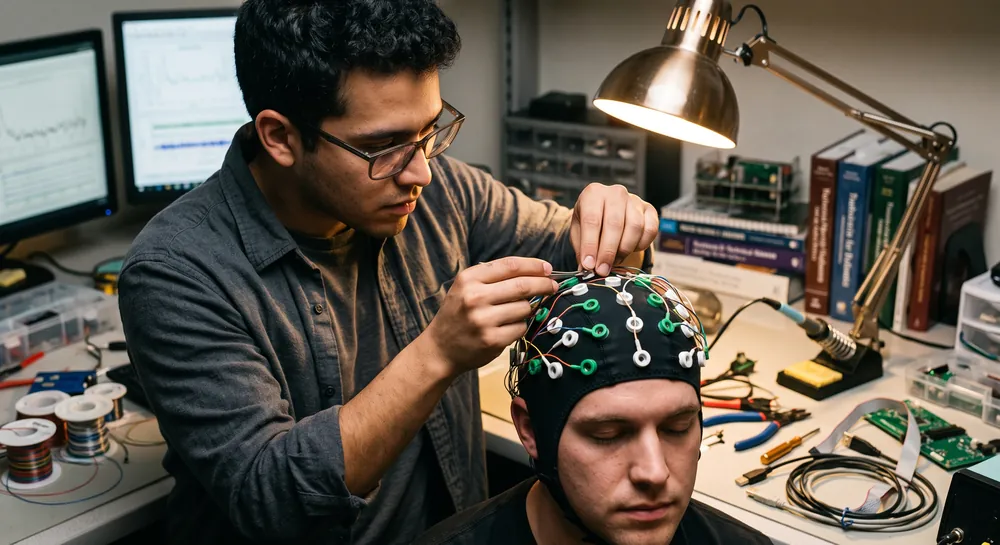
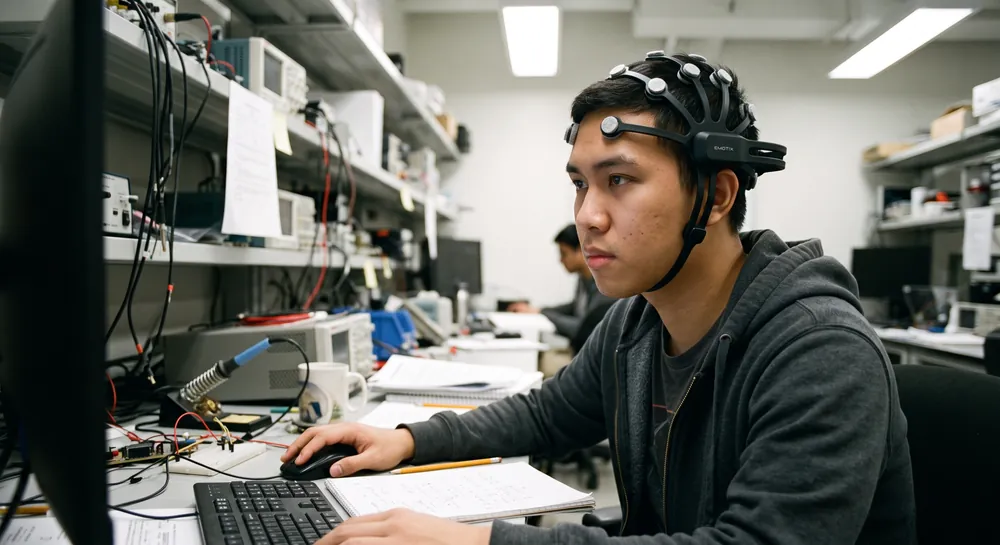
Elektronik sigara tetikleyicilerini yönetmek için bir araç kutusu oluştururken, aşermeleri nörolojik kaynaklarında ele almak üzere tasarlanmış yeni ortaya çıkan sinirbilim teknolojileriyle karşılaşabilirsiniz. Bu tekniklerden biri, insanların bağımlılık ipuçlarına verdikleri biyolojik tepkiler üzerinde gönüllü kontrol kazanmalarına yardımcı olmak için elektroensefalografi (EEG) kullanan özel bir beyin eğitimi biçimi olan nörofeedback'tir.
Beyin dalgası aktivitesini gerçek zamanlı olarak ölçen ve genellikle etkileşimli bir görsel veya işitsel arayüz aracılığıyla ekranda görüntüleyen bu teknoloji, bir kişinin beyninin strese veya elektronik sigara tetikleyicilerine verdiği ani tepkiyi izlemesine olanak tanır.
Kişi, rehberli ve tekrarlayan pratikler yoluyla bu tepkileri bilinçli olarak değiştirmeye çalışır; artan uyarılma ve yoğun nikotin tüketme dürtüsü ile ilişkili belirli nörofizyolojik kalıpları kendi kendine düzenlemeyi öğrenir. Teorik olarak bu, davranışsal başa çıkma stratejilerini doğrudan tamamlayan biyolojik bir "fren sistemi" oluşturmaya yardımcı olur.
Beynin aşerme tepkisini doğrudan hedeflemek için teknolojiden yararlanma beklentisi ilgi çekici olsa da, bu araçların mevcut klinik gerçekliğini anlamak çok önemlidir. Nörofeedback, nikotin bağımlılığı için standart bir birinci basamak tedaviden ziyade araştırmaya dayalı, deneysel bir yaklaşımdır.
Zihniyetinizi Elektronik Sigarasız Bir Yaşama Nasıl Yeniden Programlayabilirsiniz?
Bilişsel Yeniden Çerçeveleme Elektronik Sigarayı Bırakmanıza Nasıl Yardımcı Olabilir?
Bilişsel yeniden çerçeveleme, elektronik sigara ile ilişkili olumsuz veya yararsız düşünceleri tanımlamayı ve bunlara meydan okumayı içerir. Örneğin, "Rahatlamak için elektronik sigara içmem gerekiyor" diye düşünmek yerine, bu düşünce "Stresle başa çıkmak için elektronik sigara içermeyen daha sağlıklı yollar bulabilirim" şeklinde yeniden çerçevelendirilebilir.
Bu süreç, elektronik sigaranın algılanan gerekliliğini ortadan kaldırmaya ve bunun yerine alternatif başa çıkma stratejilerine olan inancı yerleştirmeye yardımcı olur. Elektronik sigaranın algılanan faydalarının genellikle kısa ömürlü olduğunu ve olumsuz sonuçlarının gölgesinde kaldığını anlamakla ilgilidir.
Bireyler bu içsel anlatıları bilinçli olarak değiştirerek, alışkanlığın zihinsel hakimiyetini zayıflatmaya başlayabilirler.
Elektronik Sigarayı Başarıyla Bırakmak İçin Çevrenizi Nasıl Düzenlemelisiniz?
Kişinin çevresini değiştirmek, elektronik sigaradan uzaklaşma sürecini desteklemede önemli bir rol oynar. Bu, alışkanlığı sürdürmeyi zorlaştırmayı ve yeni, daha sağlıklı davranışları benimsemeyi kolaylaştırmayı içerir. Aşağıdaki çevresel düzenlemeleri göz önünde bulundurun:
Elektronik Sigara Malzemelerini Uzaklaştırın: Tüm elektronik sigara cihazlarını, e-likitleri ve ilgili aksesuarları atın. Bu, anında erişimi ortadan kaldırır ve bırakma kararlılığının fiziksel bir beyanı olarak hizmet eder.
Tetikleyici Konumları Belirleyin ve Değiştirin: Belirli bir koltuk, araba veya belirli sosyal toplantılar gibi elektronik sigara kullanımının tipik olarak gerçekleştiği yerleri veya durumları belirleyin. Bu tetikleyicilerle ilişkili rutinleri değiştirmek veya ilk bırakma aşamasında bunlardan tamamen kaçınmak için bilinçli çaba gösterin.
Yeni Uyarıcılar Tanıtın: Elektronik sigara ipuçlarını olumlu çevresel unsurlarla değiştirin. Bu, sağlıklı atıştırmalıkları hazır bulundurmayı, rahatlama aktiviteleri için konforlu bir alan ayarlamayı veya çalışma alanınızda size elektronik sigarayı hatırlatan eşyaların bulunmamasını sağlamayı içerebilir.
Elektronik sigarasız bir yaşam tarzını destekleyen bir çevre yaratmak, yeni zihniyeti pekiştirir ve nüksetme olasılığını azaltır. Bu, en az direnç gösterilen yolun bırakma hedefiyle uyumlu hale getirilmesiyle ilgilidir.
Elektronik Sigarasız Yolculuğunuzu Nasıl Sürdürebilirsiniz?
Elektronik sigarayı bırakmak, sağlığınızı ve ruhsal refahınızı geri kazanma yolunda önemli bir adımdır. Yolculuk zorluklar sunsa da, bu alışkanlığın üstesinden gelecek içsel güce sahip olduğunuzu unutmayın.
Bağımlılığın zihinsel ve fiziksel yönlerini bir beyin bozukluğu olarak anlayarak, bilime dayalı stratejiler kullanarak ve güçlü bir destek sistemi kurarak potansiyel olarak özgürlüğünüze kavuşabilirsiniz.
Elektronik sigaranın yükü olmadan yaşamanın getirdiği özgürlüğü ve güveni kucaklayın. Bu, her seferinde bir nefes alarak daha sağlıklı, daha tatmin edici bir gelecek yaratma fırsatınızdır.
Sıkça Sorulan Sorular
İstesem bile elektronik sigarayı bırakmak neden bu kadar zor?
Elektronik sigarayı bırakmak zordur çünkü bu sadece nikotinle ilgili değildir. Beyniniz, bir tetikleyici (stres veya can sıkıntısı gibi) nedeniyle bir şey yaptığınız (elektronik sigara içtiğiniz) ve bir ödül (rahatlama hissi) aldığınız bir alışkanlık döngüsü oluşturur. Bu döngü otomatik hale gelir ve beyniniz buna alışır. Sanki beyninizin takip ettiği bir rutin vardır ve bu rutini kırmak 'bırakacağım' demekten daha fazlasını gerektirir.
Elektronik sigaranın temel sağlık riskleri nelerdir?
Elektronik sigara akciğerlerinize ve vücudunuza çeşitli şekillerde zarar verebilir. Elektronik sigara likitindeki nikotin ve aromalar gibi küçük partiküller ve kimyasallar akciğerlerinizin derinliklerine inebilir. Bu durum solunum sorunlarına, öksürüğe, göğüs ağrısına ve hatta ciddi akciğer yaralanmalarına yol açabilir. Bu zararsız bir aktivite değildir ve vücudunuzun bu kimyasallara ihtiyacı yoktur.
Elektronik sigara gerçekten bağımlılık yapar mı?
Evet, elektronik sigara, esas olarak içerdiği nikotin nedeniyle bağımlılık yapar. Nikotin, beyninizin daha fazlasını istemesine neden olabilen bir maddedir ve bir kez alıştığınızda kullanmayı bırakmak zor olabilir. Birçok insan, özellikle sigara içmekten farklı hissettiren yollarla alındığında nikotinin ne kadar bağımlılık yapıcı olabileceğini hafife alır.
Elektronik sigara kullanma konusundaki kişisel nedenlerimi nasıl belirleyebilirim?
Neden elektronik sigara kullandığınızı anlamak için bir günlük tutmayı deneyin. Her elektronik sigara içtiğinizde ve hemen öncesinde ne olduğunu yazın. Stresli, sıkılmış, mutlu hissedip hissetmediğinizi veya belirli kişilerle mi yoksa belirli yerlerde mi olduğunuzu not edin. Bu, sizi elektronik sigaraya yönlendiren kalıpları ve tetikleyicileri görmenize yardımcı olur.
Elektronik sigara içme isteği uyandıran yaygın tetikleyiciler nelerdir?
Yaygın tetikleyiciler arasında stresli, sıkılmış, endişeli hissetmek veya sadece boş vakte sahip olmak yer alır. Elektronik sigara kullanan arkadaşların yanında bulunmak gibi sosyal durumlar da büyük bir tetikleyici olabilir. Bazen sabah kahvenizi içmek veya arabanızda oturmak gibi günlük şeyler, siz farkında olmadan elektronik sigara ile bağlantılı hale gelebilir.
Elektronik sigara konusundaki zihniyetimi nasıl değiştirebilirim?
Zihniyetinizi değiştirmek, elektronik sigaraya bakış açınızı yeniden düşünmeyi içerir. Onu sorunlara bir çözüm olarak görmek yerine, sizi geride tutan bir alışkanlık olarak görmeye çalışın. Daha iyi sağlık ve daha fazla özgürlük gibi bırakmanın faydalarına odaklanın. Kendinize neden bırakmak istediğinizi hatırlatın ve kendinizi elektronik sigara kullanmayan biri olarak hayal edin.
Elektronik sigarayı bırakırken sosyal destek ne kadar önemlidir?
Sosyal destek çok önemlidir. Arkadaşlarınıza ve ailenize bıraktığınızı söylemek kendinizi sorumlu hissetmenize yardımcı olabilir. Arkadaşlarınızdan yanınızda elektronik sigara içmemelerini istemek veya elektronik sigaranın yaygın olduğu yerlerden kaçınmak gibi sınırlar koymanız da gerekebilir. Kararınızı destekleyen insanların olması süreci çok daha kolay hale getirir.
Emotiv, erişilebilir EEG ve beyin verisi araçları aracılığıyla sinirbilim araştırmalarının ilerlemesine yardımcı olan bir nöroteknoloji lideridir.
Tıbbi Sorumluluk Reddi: Bu web sitesinde sunulan bilgiler yalnızca eğitim ve bilgilendirme amaçlıdır; tıbbi veya sağlık tavsiyesi niteliği taşımamaktadır. Bu içerik hatalar barındırabilir ve hayati önem taşıyan sağlık, tıbbi veya yaşam tarzı seçimleri yapmak için temel alınmamalıdır. Tıbbi bir durum veya tedaviyle ilgili sorularınız için her zaman hekiminizin veya diğer nitelikli sağlık uzmanınızın tavsiyesine başvurun.
Christian Burgos