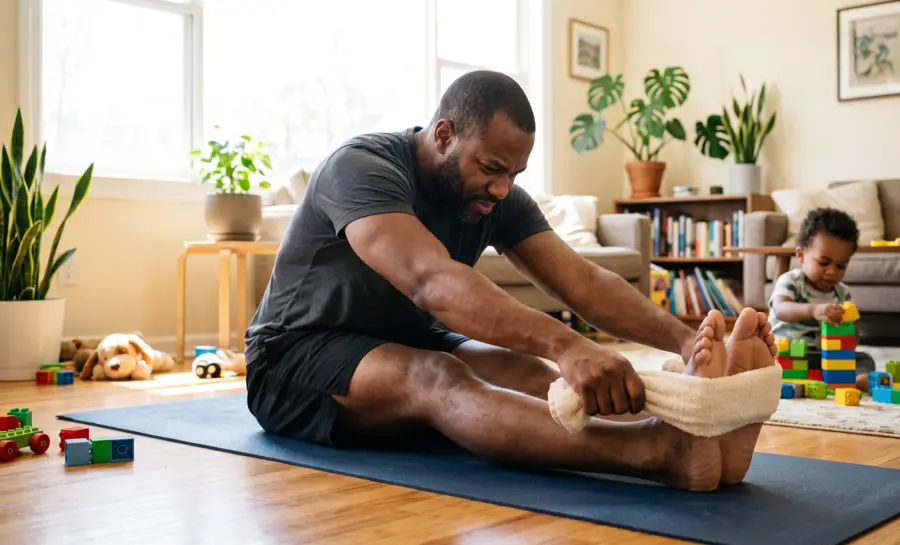
Rozpoczęcie nowej praktyki fizycznej może być transformującym doświadczeniem zarówno dla Twojego ciała, jak i jasności umysłu. Te punkty zapewniają fundamentalne zrozumienie tego, czego możesz się spodziewać na początku swojej drogi.
Czym jest joga i dlaczego warto jej spróbować?
Joga obejmuje różnorodny zakres praktyk wywodzących się ze starożytnych tradycji, które kładą nacisk na zjednoczenie ruchu fizycznego, kontrolowanego oddechu i koncentracji umysłowej.
Ta praktyka, będąca czymś znacznie więcej niż tylko serią rozciągnięć, promuje holistyczne podejście do równoważenia stanu wewnętrznego. Angażując się w uważność podczas całej sesji, uczysz się obserwować odczucia bez oceniania, rozwijając ugruntowane poczucie obecności, które często wykracza daleko poza matę.
Współczesne postrzeganie tej praktyki często koncentruje się na kondycji fizycznej, jednak jej korzenie sięgają badania zdrowia mózgu i regulacji emocjonalnej. Wielu praktykujących uważa, że nawet krótkie, regularne sesje pomagają zasypać przepaść między codziennym życiem pełnym stresu a stanem świadomego spokoju. Ta dostępność czyni ją wszechstronnym narzędziem dla osób na każdym poziomie sprawności, pod warunkiem, że praktykujący podchodzi do każdego ruchu z uważnością i ciekawością.
Zrozumienie neuronauki stojącej za tymi technikami ujawnia, dlaczego są one skuteczne w redukcji stresu i samoregulacji. Kiedy zaczniesz zgłębiać te fundamentalne zasady, możesz odkryć, że celem nie jest osiągnięcie idealnej pozycji, ale kultywowanie trwałej, uważnej więzi z samym sobą.
Ten proces jest z natury osobisty i pozwala dostosować swoją drogę na podstawie tego, co w danej chwili służy Twojemu fizycznemu i psychicznemu samopoczuciu.
Podstawowe pozycje jogi dla początkujących
Pozycje stojące (np. pozycja góry, wojownik II)
Pozycje stojące służą jako fundament do budowania siły, równowagi i świadomości przestrzennej podczas praktyki. Ruchy te wymagają aktywnego zaangażowania nóg i mięśni głębokich, co pomaga w ustanowieniu stabilnej bazy.
Na przykład pozycja góry zachęca do stania prosto z wyrównanymi stawami, podczas gdy wojownik II wprowadza ruch boczny w celu budowania wytrzymałości mięśni ud.
Pozycje siedzące (np. pozycja łatwa, pozycja kija)
Pozycje siedzące są doskonałe do osadzenia się w ciele, skupienia na oddechu i przygotowania umysłu do spokojniejszych etapów praktyki. Postawy te często są skierowane na biodra i dolną część pleców, zapewniając sposób na złagodzenie napięcia powstałego w wyniku długich okresów pracy przy biurku lub braku aktywności.
Poniżej znajduje się prosta tabela porównująca powszechne pozycje siedzące dla początkujących.
Nazwa pozycji | Główny cel | Typowa korzyść |
|---|---|---|
Pozycja łatwa | Spokojny oddech | Rozluźnienie bioder |
Pozycja kija | Długość kręgosłupa | Wsparcie postawy |
Spętany kąt | Wewnętrzne uda | Zwiększenie elastyczności |
Włączenie tych pozycji do codziennej rutyny wraz ze wskazówkami dotyczącymi praktyki domowej może znacznie zwiększyć Twoją ogólną elastyczność.
Pozycje regeneracyjne (np. pozycja dziecka, pozycja trupa)
Pozycje regeneracyjne pozwalają ciału uwolnić nagromadzone napięcie i przejść w stan głębokiego, przywspółczulnego odpoczynku.
W przeciwieństwie do pozycji aktywnych, które wymagają zaangażowania mięśni, te kształty opierają się na biernej sile grawitacji ułatwiającej relaksację; na przykład pozycja dziecka zapewnia łagodne otwarcie ramion i pleców.
Wiele osób uważa, że wykonywanie codziennej sekwencji jogi regeneracyjnej pomaga zintegrować spokój umysłu po bardziej wymagającym ruchu fizycznym.
Jak wybrać odpowiednie studio jogi i nauczyciela?
Kluczowe czynniki do oceny w studiu jogi
Ocena studia wymaga wzięcia pod uwagę atmosfery oraz rodzajów oferowanych zajęć. Szukaj miejsc, które stawiają na bezpieczeństwo i oferują różnorodne opcje dla początkujących, dostosowane do Twoich specyficznych potrzeb.
Dobre studio często wykazuje się następującymi cechami:
Jasny, niestresujący grafik dla nowicjuszy
Nauczyciele, którzy kładą nacisk na anatomię i fizjologiczne wyrównanie
Różnorodność pomocy (rekwizytów) dostępnych dla uczniów
Czysta, cicha i klimatyzowana przestrzeń
Zidentyfikowanie tych cech gwarantuje, że wkraczasz do wspierającej społeczności, a nie takiej, która przedkłada wyniki nad bezpieczeństwo uczącego się.
Jakie cechy definiują skutecznego nauczyciela jogi dla początkujących?
Skuteczny nauczyciel dla początkujących powinien posługiwać się jasnym, przystępnym językiem, który pomoże Ci zrozumieć, jak poruszać się bezpiecznie i z zachowaniem prawidłowego wyrównania. Zamiast skupiać się na zaawansowanych wariantach lub złożonych sekwencjach, które mogłyby przytłoczyć nowego ucznia, powinien traktować priorytetowo fundamentalne wskazówki, które zapobiegają kontuzjom, budują silną bazę i pomagają rozwijać pewność siebie w praktyce.
Dlatego często zaleca się szukanie instruktorów, na bieżąco kontrolujących postawę, oferujących konstruktywne wskazówki i chętnych do przedstawienia prostych, skutecznych modyfikacji, aby wyjść naprzeciw każdemu uczniowi na jego poziomie zaawansowania, zapewniając wszystkim pozytywne i wzmacniające doświadczenie nauki.
Jak odnaleźć się w fizycznych i psychicznych doświadczeniach pierwszych zajęć?
Co zrobić, jeśli pozycja jest zbyt trudna lub powoduje dyskomfort?
To całkowicie normalne, że podczas pierwszych sesji niektóre pozycje będą wydawać się nieosiągalne i jest to powszechne doświadczenie wielu początkujących.
Jeśli pozycja powoduje ostry ból lub skrajny dyskomfort, kluczowe jest postawienie na pierwszym miejscu swojego bezpieczeństwa poprzez wyjście z pozycji lub poproszenie nauczyciela o łagodniejszą alternatywę, która wciąż pozwoli Ci uczestniczyć w praktyce. Masz pełne prawo w każdym momencie modyfikować ruchy, aby dostosować je do swojego indywidualnego zakresu ruchu i uszanować aktualne możliwości swojego ciała, co zapewni bezpieczne i korzystne doświadczenie.
Dlaczego Savasana (pozycja trupa) jest integralną częścią praktyki?
Savasana służy jako końcowa faza sesji, w której ciało integruje pracę wykonaną podczas zajęć, co pozwala na głęboką fizyczną i psychiczną rekalibrację. Ten okres głębokiego bezruchu jest daleki od bierności; to kluczowy, aktywny czas dla układu nerwowego na świadome przejście z reakcji współczulnej „walcz lub uciekaj” w stan przywspółczulny „odpoczywaj i traw”.
Utrzymując tę pozycję z uważną świadomością, pozwalasz, aby zawiłe zmiany fizjologiczne zachodzące podczas poprzedzających sekwencji ruchowych w pełni się ustabilizowały i przyswoiły, tym samym głęboko wzmacniając i potęgując skumulowane korzyści z całej sesji.
Czy to normalne, że czuję się skrępowany lub rozproszony?
Uczucie skrępowania podczas pierwszych sesji jest powszechną i całkowicie zrozumiałą reakcją na odnajdywanie się w nowym otoczeniu, mierzenie się z nieznanymi ruchami i być może poczucie wrażliwości w ustawieniu grupowym.
Duża część praktyki, szczególnie na początkowych etapach, polega na nauce łagodnego i cierpliwego przekierowywania uwagi z powrotem na kotwicę oddechu za każdym razem, gdy Twój umysł nieuchronnie błądzi ku myślom o przeszłości lub przyszłości lub gdy zaczynasz wpadać w pułapkę porównywania swoich postępów, elastyczności czy postrzeganych umiejętności z innymi osobami wokół.
Ten ciągły, uważny proces dostrzegania rozproszenia i łagodnego ponownego skupiania uwagi jest sam w sobie głębokim i kluczowym elementem dyscypliny, rozwijającym nieoceniającą świadomość, która z czasem staje się znacznie łatwiejsza i bardziej naturalna dzięki regularnemu uczestnictwu i oddanej praktyce.
Co badania EEG mówią o regeneracyjnych efektach Savasany?
Wbrew potocznemu określaniu Savasany (Shavasan) jako szybkiego resetu emocjonalnego, obiektywne dane elektrofizjologiczne wykazują, że jej korzyści w zakresie redukcji lęku są osiągane dzięki systematycznej, długoterminowej praktyce, a nie kilku krótkim minutom odpoczynku. Ponadto obiektywne badania nie śledzą zmian poziomu kortyzolu ani sieci przetwarzania emocjonalnego, lecz koncentrują się na bezpośrednich wskaźnikach pobudzenia ośrodkowego układu nerwowego i lęku.
W badaniu elektrofizjologicznym oceniającym wpływ krótkoterminowej praktyki Shavasan u młodych dorosłych sprawdzono, jak 12-tygodniowy program codziennych, 30-minutowych sesji modyfikuje wyjściową strukturę fal mózgowych. Monitorując wzorce EEG w stanie spoczynku przy użyciu standardowego systemu 10–20, badacze zmierzyli dwa główne parametry fal alfa, które służą jako obiektywne wskaźniki reaktywności na stres i napięcia:
Wskaźnik Alfa (AI): Procent całkowitego czasu, w którym rytm alfa dominuje w odprowadzeniach potylicznych podczas ustabilizowanego, jednominutowego zapisu. Wyższa podatność na lęk koreluje z mniej rozwiniętym wskaźnikiem alfa i obfitością aktywności fal szybkich.
Czas pojawienia się fal alfa (AAT): Okres utajenia, mierzony w milisekundach, wymagany do ponownego pojawienia się w EEG trwałego, pięciosekundowego rytmu alfa bezpośrednio po zamknięciu oczu.
Po 12-tygodniowym okresie szkolenia z wykorzystaniem ustrukturyzowanej metody autosugestii i medytacji Dateya, analiza statystyczna wykazała wysoce istotne modyfikacje aktywności elektrycznej mózgu:
Zwiększona obfitość fal alfa: Osoby praktykujące wykazały statystycznie istotny wzrost Wskaźnika Alfa, sygnalizujący przesunięcie w kierunku obfitego, dobrze rozwiniętego spoczynkowego rytmu alfa charakterystycznego dla stanu mniejszego napięcia lękowego.
Przyspieszona regeneracja fal alfa: Praktykujący osiągnęli znaczną redukcję Czasu pojawienia się fal alfa po zamknięciu oczu, co wskazuje na bardziej odporny i szybszy powrót ze stanu stymulacji wzrokowej otoczenia do stanu głębokiego zrelaksowania.
Brak zmian w grupie kontrolnej: Dopasowana, nietrenująca grupa kontrolna nie wykazała statystycznie istotnych zmian ani we Wskaźniku Alfa, ani w Czasie pojawienia się fal alfa w tym samym 12-tygodniowym okresie.
Zmiany te dowodzą, że spójna, oddana praktyka Shavasan może systematycznie zmieniać wyjściowy profil elektryczny mózgu, zmniejszając fizjologiczny lęk i przyspieszając przejście ze stanu czuwania do głębokiego, obiektywnego relaksu.
Pomoce do jogi stosowane w celu wsparcia i modyfikacji podstawowych pozycji
W jaki sposób klocki zapewniają stabilność i przedłużenie zasięgu?
Klocki działają jak przedłużenie Twojego zasięgu, sprawiając, że pozycje wykonywane na podłodze stają się osiągalne, gdy Twoje ścięgna podkolanowe lub ramiona są spięte lub gdy po prostu potrzebujesz odrobiny dodatkowego wsparcia, aby pogłębić swoją praktykę. Regulując wysokość klocka, możesz przybliżyć podłogę „bliżej” siebie, co pomaga utrzymać neutralny kręgosłup i zachęca do prawidłowego zaangażowania mięśni głębokich.
Korzystanie z tych narzędzi pozwala na właściwe ułożenie ciała, co jest fundamentem bezpiecznego i skutecznego codziennego nawyku, umożliwiając odkrywanie szerszego zakresu ruchów oraz budowanie siły i Flexybilności z pewnością siebie.
Kiedy należy używać paska, aby poradzić sobie ze spięciem mięśniowym?
Paski są szczególnie przydatne, gdy musisz utrzymać połączenie między kończynami, które mogą jeszcze nie sięgać do siebie w komfortowy sposób, zwłaszcza podczas pozycji wymagających znacznej Flexybilności lub zakresu ruchu.
Efektywne korzystanie z paska zapobiega przeprostom w stawach, co może prowadzić do kontuzji, lub wymuszaniu zaokrąglonych pleców w celu sięgnięcia stopy podczas skłonu w przód, co zagraża osiowości kręgosłupa. Trzymając końce paska, możesz utrzymać proste ręce i otwartą klatkę piersiową, co nie tylko sprzyja lepszemu oddychaniu przez umożliwienie pełniejszych wdechów i wydechów, ale także ułatwia głębsze i bardziej terapeutyczne rozluźnienie mięśni, zwiększając ogólne korzyści z praktyki.
W jaki sposób koce i wałki łagodzą nacisk na stawy?
Złożenie koca pod kolanami lub siedzenie na wałku może przynieść znaczną ulgę w sztywności stawów, pozwalając na naturalne przechylenie miednicy i promując bardziej wyprostowaną postawę. Te proste, ale skuteczne dostosowania służą wyeliminowaniu fizycznej walki często związanej z utrzymaniem danej pozycji, co pozwala przekierować energię i skupić się intensywniej na głębszej intencji asany, zamiast zmagać się z ograniczeniami fizycznymi.
Ponadto strategiczne użycie miękkiego podparcia sprawia, że nawet najbardziej podstawowe postawy dają poczucie głębokiego wsparcia i wyjątkowego komfortu, pozwalając na stabilne zaangażowanie i głębszą eksplorację przez cały czas trwania praktyki.
W skrócie
Rozpoczęcie praktyki jogi może łatwo budzić obawy, którym często towarzyszą lęki o własną Flexybilność, nieznane terminy czy presja dorównania osobie obok na sali. Jednak, jak wykazują zarówno starożytna tradycja, jak i współczesna neuronauka, joga jest fundamentalnie ćwiczeniem samoregulacji, a nie sportem wyczynowym.
Opierając swoją drogę na podstawowych pozycjach, korzystając z odpowiedniego otoczenia w studiu i ucząc się cierpliwego kierowania uwagi z powrotem na oddech, możesz skutecznie ominąć początkowe poczucie niezręczności i zbudować wysoce spersonalizowany, trwały nawyk.
Bibliografia
Rajan, A. I. (2014). Effect of short term Shavasan practice on EEG pattern in young adults. International Journal of Scientific Research, 3(2), 406–408. https://doi.org/10.15373/22778179/FEB2014/133
Najczęściej zadawane pytania (FAQ)
Jak często powinien praktykować początkujący?
Większość ekspertów sugeruje rozpoczęcie od jednej lub dwóch krótkich sesji w tygodniu, aby dać ciału czas na przystosowanie się do nowych ruchów i intensywności.
Czy muszę być Flexybilny, aby zacząć?
Nie ma wymogu bycia Flexybilnym na starcie, ponieważ sama praktyka jest głównym sposobem na poprawę zakresu ruchu wraz z upływem czasu.
W co powinienem się ubrać na zajęcia?
Zazwyczaj zaleca się wygodną, oddychającą odzież sportową, która pozwala na swobodny ruch, nie będąc jednocześnie zbyt luźną ani krępującą.
Czy można jeść przed praktyką?
Najlepiej praktykować na pusty lub lekko napełniony żołądek, odczekując kilka godzin po pełnym posiłku, aby uniknąć dyskomfortu trawiennego podczas pozycji odwróconych czy skrętów.
Czy osoby z kontuzjami mogą ćwiczyć jogę?
Wiele osób praktykuje, zmagając się z kontuzjami, choć zawsze należy skonsultować się z lekarzem i poinformować instruktora przed rozpoczęciem zajęć.
Jak przestać porównywać się z innymi?
Skupienie się na wewnętrznym odczuciu oddechu i konkretnych wskazówkach dotyczących wyrównania ciała udzielanych przez instruktora pomaga odwrócić uwagę od porównań społecznych na rzecz własnego, osobistego postępu.
Jaka jest najlepsza pora dnia na praktykę?
Nie ma obiektywnie najlepszej pory; regularność w czasie, który pasuje do Twojego osobistego grafiku, jest ważniejsza niż konkretna godzina.
Emotiv jest liderem w dziedzinie neurotechnologii, pomagającym rozwijać badania neuronaukowe dzięki dostępnym narzędziom EEG i danym o mózgu.
Zastrzeżenie medyczne: Informacje podane na tej stronie służą wyłącznie celom edukacyjnym i informacyjnym i nie stanowią porady medycznej ani zdrowotnej. Treść ta może zawierać błędy i nie należy na niej polegać przy podejmowaniu kluczowych decyzji dotyczących zdrowia, leczenia lub stylu życia. W przypadku jakichkolwiek pytań dotyczących stanu zdrowia lub leczenia należy zawsze zasięgnąć porady lekarza lub innego wykwalifikowanego pracownika służby zdrowia.
Christian Burgos