Łatwo jest dziś zgubić się w sieci, a czasem granice między prostym nawykiem a czymś poważniejszym mogą się zacierać. Jeśli chodzi o pornografię, to rozmycie może prowadzić do poważnych problemów w naszym życiu.
Ten artykuł analizuje cyfrowe sygnały, które mogą sugerować głębszy problem, wykraczając poza jedynie okazjonalne oglądanie, aby zrozumieć potencjalne objawy uzależnienia od pornografii.
Jak można rozpoznać cyfrowy ślad uzależnienia od pornografii?
Sposób, w jaki korzystamy z technologii cyfrowej, może czasem pozostawiać ślad – rodzaj odcisku – który wskazuje na głębsze problemy. W przypadku pornografii ten cyfrowy ślad może być istotnym wskaźnikiem rozwijającego się problemu.
Sama łatwość dostępu i anonimowość pornografii internetowej zmieniły sposób, w jaki ludzie korzystają z treści seksualnych, ułatwiając zakorzenienie się zachowań kompulsywnych.
Kilka wzorców w zachowaniu cyfrowym może sygnalizować, że nawyk może przeradzać się w uzależnienie. Nie zawsze są one widoczne na pierwszy rzut oka, ale reprezentują zmianę w sposobie korzystania z technologii.
Pomyśl o czasie spędzanym w sieci. To, co może zacząć się od szybkiego wyszukiwania, może łatwo zmienić się w stracone godziny, często bez świadomej refleksji.
Ta utrata czasu to wspólny mianownik. Innym znakiem jest eskalacja poszukiwanych treści. To, co kiedyś dawało satysfakcję, może już nie wystarczać, co prowadzi do ciągłego poszukiwania bardziej ekstremalnych lub specyficznych materiałów. Dążenie do nowości lub intensywności jest znakiem rozpoznawczym wielu procesów uzależniających.
Ponadto samo środowisko cyfrowe może sprzyjać tajemniczości. Użytkownicy mogą dokładać wszelkich starań, aby ukryć historię przeglądania, korzystać z trybów prywatnych, a nawet zakładać osobne konta, aby ukryć swoją aktywność.
Ta tajemniczość często wynika z wewnętrznej świadomości, że zachowanie jest problematyczne lub mogłoby spotkać się z negatywną oceną innych. Cyfrowy świat oferuje przestrzeń, w której te zachowania można ukryć, co utrudnia radzenie sobie z nimi.
Łatwość, z jaką można uzyskać dostęp do nieskończonej różnorodności treści, w połączeniu z potencjałem anonimowości, tworzy wyjątkowe środowisko dla rozwoju i utrzymywania się zachowań kompulsywnych, często bez natychmiastowych konsekwencji zewnętrznych.
Jakie są behawioralne objawy korzystania z pornografii internetowej?
Cyfrowy krajobraz oferuje bezprecedensowy dostęp do treści, a dla niektórych ta dostępność może prowadzić do wyraźnych zmian w zachowaniu. Kiedy zaangażowanie w pornografię internetową zmienia się z okazjonalnego korzystania w kompulsywny wzorzec, często pojawia się kilka wskaźników behawioralnych.
Eskalacja specyfiki treści i czasu oglądania
Jednym z częstych objawów jest potrzeba coraz bardziej specyficznych lub intensywnych treści, aby osiągnąć ten sam poziom podniecenia lub satysfakcji. Może to objawiać się zawężeniem zainteresowań, skupieniem się na niszowych gatunkach lub ekstremalnych scenariuszach, które wcześniej nie budziły zainteresowania.
Ta eskalacja często idzie w parze ze znacznym wydłużeniem czasu spędzanego na oglądaniu pornografii. To, co mogło zacząć się od kilku minut, może rozrosnąć się do wielu godzin, kolidując z innymi codziennymi czynnościami.
Ten wzorzec odzwierciedla koncepcję tolerancji obserwowanej w uzależnieniu od substancji, gdzie z czasem wymagana jest większa ilość bodźca.
Kompulsywne przeglądanie wykraczające poza pierwotny zamiar
Innym behawioralnym wskaźnikiem jest tendencja do wyszukiwania pornografii na długo po tym, jak minął pierwotny zamiar. Może to obejmować bezcelowe przewijanie miniatur, klikanie w linki bez jasnego celu lub wielokrotne wyszukiwanie nowych materiałów.
Sama czynność wyszukiwania może stać się rytuałem, często wykonywanym nawet wtedy, gdy dana osoba nie pragnie świadomie oglądać treści o charakterze jednoznacznym. Zachowanie to charakteryzuje się poczuciem niemożności przerwania, nawet przy świadomości, że jest ono nieproduktywne lub niepożądane.
Rozwój cyfrowych nawyków opartych na tajemnicy
W miarę jak kompulsywne korzystanie trwa, osoby często rozwijają nawyki mające na celu ukrycie ich aktywności online. Może to obejmować:
Częste czyszczenie historii przeglądarki i pamięci podręcznej.
Intensywne korzystanie z trybu incognito lub prywatnego.
Tworzenie osobnych profili użytkowników lub kont w celu ukrycia aktywności.
Planowanie czasu oglądania tak, aby uniknąć wykrycia przez partnerów, rodzinę lub współlokatorów.
Korzystanie z urządzeń w odosobnionych miejscach lub w nietypowych godzinach.
Nawyki te, oparte na tajemnicy, nie dotyczą jedynie prywatności; często odzwierciedlają one wewnętrzną świadomość, że zachowanie to jest problematyczne lub mogłoby zostać ocenione negatywnie przez innych, co przyczynia się do błędnego koła wstydu i izolacji.
Jakie objawy psychologiczne wynikają z wirtualnej konsumpcji pornografii?
Spędzanie dużej ilości czasu z pornografią internetową może naprawdę namieszać w głowie. Nie chodzi tylko o to, co widzisz na ekranie; chodzi o to, jak zaczyna to zmieniać Twoje myślenie i uczucia dotyczące seksu i relacji.
Zaabsorbowanie wirtualnymi fantazjami kosztem realnego życia
Jednym z głównych sygnałów jest sytuacja, w której internetowe fantazje seksualne zaczynają dominować w Twoich myślach. Możesz przyłapać się na ciągłym myśleniu o treściach oglądanych w sieci, nawet gdy powinieneś skupić się na innych sprawach, takich jak praca czy rozmowy.
To mentalne zaabsorbowanie może utrudniać czerpanie radości z rzeczywistych doświadczeń lub nawiązywanie kontaktów z ludźmi. To tak, jakby część Twojego mózgu zawsze tkwiła w tej wirtualnej przestrzeni, odtwarzając scenariusze lub planując kolejny moment, w którym uzyskasz do nich dostęp.
To ciągłe zaangażowanie psychiczne może zakłócać codzienne funkcjonowanie i prowadzić do poczucia odcięcia od rzeczywistości.
Doświadczanie „dysfunkcji erekcji wywołanej pornografią” (PIED)
Jest to dość specyficzny problem, z którym boryka się część mężczyzn. Mówiąc najprościej, mózg przyzwyczaja się do intensywnej, często nierealistycznej stymulacji płynącej z pornografii internetowej do tego stopnia, że może mieć trudności z reagowaniem na rzeczywiste zbliżenia seksualne.
Może to prowadzić do trudności z osiągnięciem lub utrzymaniem erekcji podczas stosunku z partnerką lub partnerem. Nie jest to fizyczny problem związany z mechaniką ciała, lecz psychologiczna reakcja na rodzaj stymulacji, do której mózg został przyzwyczajony.
Dobra wiadomość jest taka, że u wielu osób stan ten może ulec poprawie po zaprzestaniu oglądania pornografii i powrocie do bardziej naturalnych form zaangażowania seksualnego.
Rozwijanie zaburzonego postrzegania normalnej seksualności
Pornografia internetowa często przedstawia wąski, a czasem ekstremalny obraz seksu. Kiedy ktoś ma z nią stały kontakt, jego wyobrażenie o tym, co jest normalne lub pożądane w aktywności seksualnej, może ulec zniekształceniu.
Mogą zacząć oczekiwać, że seks będzie wyglądał tak, jak to, co widzą w Internecie, co może prowadzić do rozczarowania lub braku satysfakcji w realnych związkach. Może to również wpływać na to, jak ludzie postrzegają zgodę, bliskość i emocjonalne aspekty seksu, ponieważ są one często bagatelizowane lub nieobecne w większości dostępnych treści.
Pętla wstydu i poczucia winy po seansach oglądania
Po spędzeniu czasu z pornografią internetową, zwłaszcza jeśli stało się to zachowaniem kompulsywnym, wiele osób zgłasza silne poczucie wstydu lub winy. Często dzieje się tak dlatego, że zachowanie to jest sprzeczne z ich osobistymi wartościami lub prowadzi do negatywnych konsekwencji, których nie chcieli.
To uczucie może być silnym motywatorem do zaprzestania, ale może również prowadzić do pętli, w której sam wstyd pogarsza samopoczucie danej osoby, skłaniając ją do szukania ukojenia lub ucieczki w tym samym zachowaniu, które ten wstyd wywołuje. To trudna do przerwania pętla.
Jakie są fizyczne i społeczne objawy cyfrowego przymusu?
Poza ekranem, cyfrowy przymus może zacząć objawiać się w namacalny sposób, wpływając zarówno na ciało, jak i na to, jak wchodzimy w interakcje z innymi. Nie zawsze są one oczywiste na początku, ale mogą stać się istotnymi wskaźnikami, że nawyki internetowe przekraczają granicę problemu.
Zauważalne zmiany w schematach snu i zmęczenie
Spędzanie długich godzin online, szczególnie późno w nocy, może poważnie zakłócić naturalne cykle snu. Nie chodzi tu tylko o późne chodzenie spać; chodzi o to, że niebieskie światło z ekranów zaburza produkcję melatoniny, utrudniając zasypianie i pogarszając jakość snu.
Rezultatem jest często ciągłe zmęczenie, ogólne osłabienie i trudności z koncentracją w ciągu dnia. To przewlekłe zmęczenie może wpływać na nastrój, produktywność i ogólne zdrowie mózgu.
Zaniedbywanie higieny osobistej i obowiązków
Gdy aktywności online stają się całkowicie pochłaniające, podstawowa dbałość o siebie i codzienne obowiązki mogą odejść na dalszy plan. Może to objawiać się omijaniem prysznica, zaniedbywaniem porządków domowych czy też brakiem dbałości o wygląd zewnętrzny.
Podobnie obowiązki w pracy lub szkole mogą pozostać niewykonane, co prowadzi do niedotrzymywania terminów, słabych wyników, a nawet utraty pracy. Pragnienie angażowania się w treści cyfrowe może przesłonić potrzebę porządku i czystości w fizycznym otoczeniu oraz dbałości o siebie.
Wycofanie społeczne na rzecz wirtualnej izolacji
W miarę jak cyfrowy świat staje się bardziej atrakcyjny, relacje towarzyskie w świecie rzeczywistym mogą ucierpieć. Ludzie mogą zacząć przedkładać interakcje online lub samotne korzystanie z treści cyfrowych nad spędzanie czasu z przyjaciółmi i rodziną.
Może to prowadzić do stopniowego wycofywania się z wydarzeń towarzyskich, osłabienia kontaktu z bliskimi i rosnącego poczucia osamotnienia. Wygoda i pozorne poczucie kontroli w środowisku online mogą sprawić, że interakcje twarzą w twarz wydają się mniej atrakcyjne lub wymagające większego wysiłku, co tworzy błędne koło pogłębiającego się odosobnienia.
Rozróżnienie wysokiego libido od kompulsywnego korzystania
Ważne jest, aby odróżnić naturalnie wysokie libido od wzorca kompulsywnego korzystania z pornografii. Wysokie libido oznacza zazwyczaj, że ktoś ma silną potrzebę seksualną i czerpie satysfakcję z aktywności seksualnej, często z partnerem. Kompulsywne korzystanie charakteryzuje się jednak utratą kontroli. Oznacza to:
Niemożność zaprzestania: Pomimo chęci ograniczenia lub zaprzestania, dana osoba nie jest w stanie tego zrobić.
Negatywne konsekwencje: Zachowanie jest kontynuowane, nawet jeśli powoduje problemy w związkach, pracy lub negatywnie wpływa na samopoczucie.
Zaabsorbowanie: Znaczna część czasu i energii psychicznej jest poświęcana na myślenie o pornografii, wyszukiwanie jej lub korzystanie z niej, często kosztem innych sfer życia.
Eskalacja: Istnieje potrzeba oglądania coraz bardziej intensywnych lub specyficznych treści, aby osiągnąć ten sam poziom podniecenia.
Podczas gdy wysokiej jakości libido może być pozytywnym aspektem relacji, kompulsywne korzystanie z pornografii może powodować silny dyskomfort psychiczny i dysfunkcje.
Jaka jest rola neurofeedbacku w leczeniu zachowań kompulsywnych?
W miarę jak rozwija się kliniczne podejście do zachowań kompulsywnych, niektóre programy terapeutyczne zaczynają wdrażać interwencje oparte na technologii w celu wspierania powrotu do zdrowia. Jedną z takich obiecujących metod jest neurofeedback.
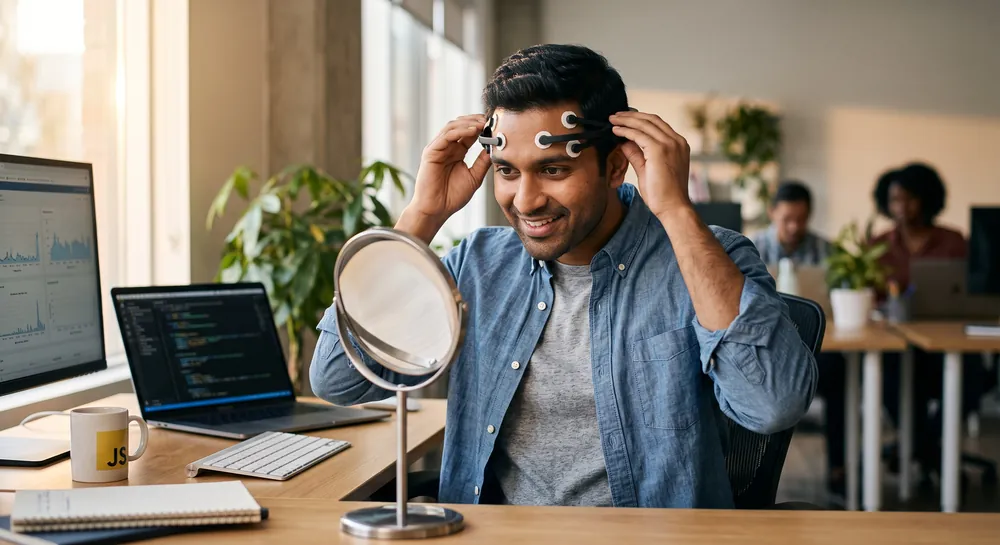
Wykorzystując elektroencefalografię (EEG), ta technika z zakresu neuronauki polega na monitorowaniu aktywności fal mózgowych pacjenta w czasie rzeczywistym i dostarczaniu natychmiastowej informacji zwrotnej w formie wizualnej lub słuchowej, np. dźwięku zmieniającego ton lub ekranu, który rozjaśnia się, gdy mózg znajduje się w pożądanym stanie.
Celem tego procesu jest pomoc pacjentom w fizycznym rozpoznawaniu własnych zmian neurologicznych i stopniowe uczenie się świadomej regulacji określonych wzorców fal mózgowych powiązanych z nasilonym głodem pornograficznym, stresem i impulsywnością.
Poprzez trenowanie mózgu w celu osiągnięcia spokojniejszego, bardziej zrównoważonego stanu wyjściowego, neurofeedback ma na celu wzmocnienie wewnętrznej zdolności pacjenta do samokontroli w obliczu wyzwalaczy w świecie rzeczywistym.
Choć perspektywa bezpośredniego trenowania aktywności mózgu jest obiecująca, neurofeedback pozostaje obecnie obszarem aktywnych i trwających badań klinicznych; nie jest gwarantowanym lekarstwem ani nie jest uznawany za standardową, podstawową metodę leczenia zaburzeń związanych z kompulsywnym zachowaniem.
Jak pójść naprzód i poradzić sobie z problematycznym korzystaniem z pornografii?
Jasne jest, że granica między zwykłym nawykiem a rzeczywistym uzależnieniem może być płynna, zwłaszcza przy dzisiejszej łatwości dostępu do treści online. Rozpoznanie sygnałów ostrzegawczych – takich jak utrata kontroli nad ilością czasu, negatywne konsekwencje życiowe czy poczucie braku możliwości zaprzestania mimo chęci – to pierwszy krok.
Jeśli te zachowania w sieci powodują u Ciebie niepokój lub negatywnie wpływają na Twoje relacje, pracę czy ogólne samopoczucie, warto wziąć pod uwagę, że może to być coś więcej niż zwykły nawyk. Poszukiwanie profesjonalnej pomocy może przynieść jasność i wsparcie każdemu, kto zmaga się ze swoją relacją z pornografią.
Bibliografia
Razi, N. I. M., Rahman, A. W. A., & Kamaruddin, N. (2018, lipiec). Neurophysiological analysis of porn addiction to learning disabilities. W 2018 International Conference on Information and Communication Technology for the Muslim World (ICT4M) (str. 272-277). IEEE. https://doi.org/10.1109/ICT4M.2018.00057
Często zadawane pytania
Jak mogę sprawdzić, czy moje zachowanie w sieci związane z pornografią to już problem?
Jeśli zauważysz, że spędzasz znacznie więcej czasu na oglądaniu pornografii, niż planowałeś, lub jeśli próbujesz przestać, ale nie możesz, może to być problem. Ponadto, jeśli zaczyna to wpływać na Twój nastrój, relacje lub codzienne obowiązki w pracy bądź szkole, są to sygnały, że to coś więcej niż tylko niezobowiązujący nawyk.
Co oznacza „eskalacja specyfiki treści”?
Oznacza to, że z czasem potrzebujesz coraz bardziej ekstremalnych lub specyficznych rodzajów pornografii, aby uzyskać te same emocje lub podniecenie, co wcześniej. To, co kiedyś działało, może już nie wystarczać, więc zaczynasz szukać mocniejszych materiałów.
Dlaczego ludzie ukrywają to, że oglądają pornografię w Internecie?
Ukrywanie się często wynika z poczucia wstydu lub winy. Ludzie mogą ukrywać to, co robią, ponieważ wiedzą, że powoduje to u nich problemy, lub martwią się, co pomyśleliby o nich inni, gdyby się dowiedzieli. Ta tajemniczość może budować barierę między nimi a ich bliskimi.
Jak pornografia online może wpływać na moje postrzeganie seksualności w realnym życiu?
Pornografia często pokazuje nierealistyczne lub ekstremalne zachowania seksualne. Jeśli oglądasz ją często, możesz zacząć myśleć, że są one normą lub czymś oczekiwanym. Może to prowadzić do rozczarowania lub braku satysfakcji w prawdziwych związkach, ponieważ nie pasują one do fantazji, które widziałeś.
Czym jest pętla wstydu i winy po obejrzeniu pornografii?
Po obejrzeniu pornografii, szczególnie jeśli czujesz, że to problem, możesz poczuć się ze sobą naprawdę źle. Ten wstyd może być przytłaczający. Czasami ludzie wracają do pornografii, aby uciec od tych złych emocji, tworząc pętlę, w której zachowanie wywołuje poczucie winy, a poczucie winy prowadzi z powrotem do zachowania.
Czy zbyt częste oglądanie pornografii może psuć mój sen?
Tak, może. Oglądanie stymulujących treści późno w nocy może utrudniać wyciszenie się i zasypianie. Poza tym stres i niepokój, które mogą towarzyszyć problematycznemu korzystaniu z pornografii, mogą zakłócać rytm snu, prowadząc do zmęczenia w ciągu dnia.
W jaki sposób uzależnienie od pornografii prowadzi do wycofania społecznego?
Gdy ktoś mocno angażuje się w oglądanie pornografii, może zacząć woleć świat wirtualny od kontaktów w realnym życiu. Taka osoba może spędzać mniej czasu z przyjaciółmi i rodziną, unikać spotkań towarzyskich i czuć się bardziej komfortowo, będąc sam na sam ze swoimi urządzeniami, co prowadzi do izolacji.
Skąd mam wiedzieć, czy mój popęd seksualny to tylko wysokie libido, czy już problem?
Wysoki popęd seksualny oznacza, że masz silne potrzeby, ale zazwyczaj potrafisz je kontrolować i nie wpływa to negatywnie na Twoje życie. Jeśli Twoje myśli lub zachowania seksualne wymykają się spod kontroli, wywołują cierpienie lub szkodzą Twoim relacjom i obowiązkom, jest to bardziej prawdopodobne jako znak problemu.
Jakie są pierwsze kroki, które należy podjąć, jeśli podejrzewam u siebie uzależnienie od pornografii?
Pierwszym krokiem jest przyznanie przed samym sobą, że może istnieć problem. Następnie warto pomyśleć o rozmowie z kimś, komu ufasz, np. przyjacielem, członkiem rodziny lub profesjonalnym terapeutą. Wiele osób uważa grupy wsparcia za pomocne w zrozumieniu i przezwyciężeniu tych trudności.
Czym jest „dysfunkcja erekcji wywołana pornografią” (PIED)?
PIED to sytuacja, w której oglądanie dużej ilości pornografii utrudnia uzyskanie lub utrzymanie erekcji podczas realnej aktywności seksualnej. Dzieje się tak dlatego, że mózg przyzwyczaja się do intensywnej, nierealistycznej stymulacji z porno, sprawiając, że normalne doświadczenia seksualne wydają się mniej ekscytujące lub trudniejsze do osiągnięcia.
Emotiv jest liderem w dziedzinie neurotechnologii, pomagającym rozwijać badania neuronaukowe dzięki dostępnym narzędziom EEG i danym o mózgu.
Zastrzeżenie medyczne: Informacje podane na tej stronie służą wyłącznie celom edukacyjnym i informacyjnym i nie stanowią porady medycznej ani zdrowotnej. Treść ta może zawierać błędy i nie należy na niej polegać przy podejmowaniu kluczowych decyzji dotyczących zdrowia, leczenia lub stylu życia. W przypadku jakichkolwiek pytań dotyczących stanu zdrowia lub leczenia należy zawsze zasięgnąć porady lekarza lub innego wykwalifikowanego pracownika służby zdrowia.
Christian Burgos