Jeśli chodzi o chorobę afektywną dwubiegunową, w niektórych dyskusjach pojawiają się zmiany w oczach. Chociaż nie każdy tego doświadcza i zdecydowanie nie jest to narzędzie diagnostyczne, zrozumienie, jak oczy przy chorobie afektywnej dwubiegunowej mogą wyglądać lub funkcjonować, może być pomocne.
W tym artykule omówiono potencjalne związki między chorobą afektywną dwubiegunową a wzrokiem, co niektóre osoby zgłaszają, że widzą, oraz dlaczego te zmiany mogą występować.
Jaki jest związek między chorobą afektywną dwubiegunową a fizycznym zdrowiem oczu?
Choroba afektywna dwubiegunowa (ChAD) to zaburzenie pracy mózgu, które często wpływa na nastrój i poziom energii. Choć jest znana przede wszystkim ze swojego wpływu na samopoczucie psychiczne, coraz większe zainteresowanie budzi to, jak może wpływać na zdrowie fizyczne, w tym na oczy.
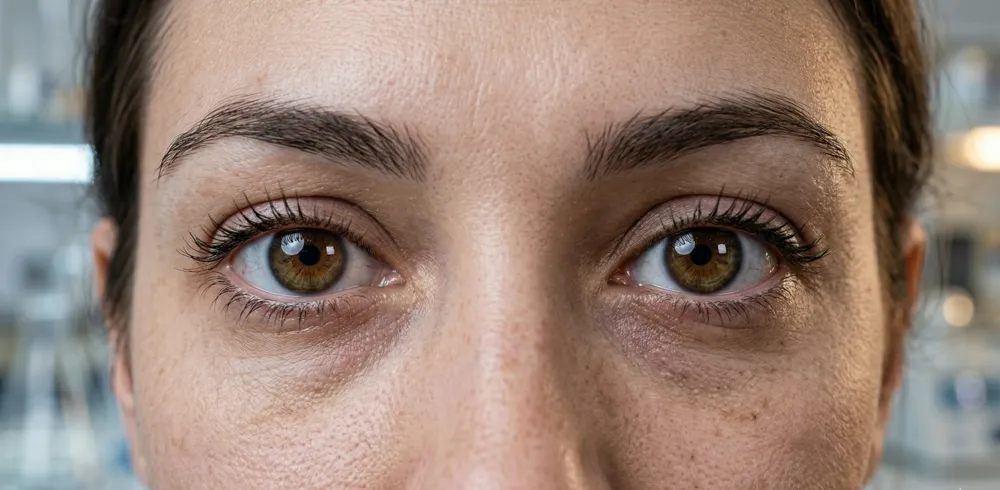
Podczas epizodów maniakalnych lub hipomaniakalnych niektóre osoby zgłaszają lub wykazują zauważalne zmiany w oczach. Mogą one obejmować rozszerzenie źrenic, co może być reakcją na zwiększoną aktywność neuroprzekaźników lub reakcją organizmu na silne podekscytowanie bądź stres.
Te obserwacje, czasami potocznie nazywane „maniakalnymi oczami”, mogą odzwierciedlać intensywną energię i zaburzoną percepcję charakterystyczną dla tych faz.
Choć te zjawiska związane z oczami nie stanowią kryteriów diagnostycznych choroby afektywnej dwubiegunowej, czasami mogą dostarczać subtelnych wskazówek na temat aktualnego stanu nastroju danej osoby. Zrozumienie tych potencjalnych powiązań może być pomocne dla pacjentów, ich rodzin oraz personelu medycznego w rozpoznawaniu i radzeniu sobie z wieloaspektową naturą ChAD.
Typowe objawy oczne w chorobie afektywnej dwubiegunowej
Jak dokładnie fazy maniakalne wpływają na spojrzenie i rozszerzenie źrenic?
Podczas epizodów maniakalnych lub hipomaniakalnych niektóre osoby zgłaszają wyostrzenie doznań zmysłowych. Może to czasami przekładać się na percepcję wzrokową, np. kolory mogą wydawać się bardziej żywe lub jaśniejsze, co skłania niektórych do noszenia okularów przeciwsłonecznych nawet w pomieszczeniach.
Inni mogą zauważyć, że ich wzrok staje się ostrzejszy lub bardziej skupiony, z wzmocnionym postrzeganiem otoczenia. Może również pojawić się uczucie rozszerzonego widzenia obwodowego, sprawiające, że osoba staje się bardziej świadoma rzeczy widocznych z boku, bądź też niezdolność do odfiltrowania drobnych szczegółów wizualnych.
Doniesienia anegdotyczne sugerują również potencjalne zmiany fizyczne podczas tych faz. Mogą one obejmować:
Rozszerzone źrenice: Może to być reakcja na zwiększoną energię, ekscytację, a nawet stres i lęk związane z psychozą, która może wystąpić podczas epizodów manii. Pod względem neurobiologicznym zwiększony poziom niektórych hormonów, takich jak noradrenalina, związanych ze stresem i lękiem, może powodować rozszerzenie źrenic.
„Błyszczące” oczy: Opis ten często odnosi się do oczu, które wydają się wyjątkowo jasne lub mają mieniący się blask.
Zmiany w spojrzeniu: Niektóre osoby mogą doświadczać szeroko otwartego, intensywnego spojrzenia.
Warto zauważyć, że choć doniesienia te istnieją, badania naukowe łączące te konkretne zjawiska wzrokowe z chorobą afektywną dwubiegunową są wciąż na etapie rozwoju. Na przykład teoria o zmianach koloru oczu nie ma silnego poparcia naukowego.
Jakie charakterystyczne zmiany w oczach są powiązane z epizodami depresyjnymi?
Epizody depresyjne również mogą wiązać się z pewnymi zmianami. Często obejmują one zmniejszenie ekspresji mimicznej, co może dotyczyć także okolic oczu. Może to prowadzić do:
Mniejszego „blasku” w oczach: Jest to subiektywny opis, często oznaczający wrażenie mniejszego ożywienia lub zaangażowania.
Przygaszenia percepcji: Niektóre osoby zgłaszają, że w stanach depresyjnych świat wydaje się mniej żywy lub mniej kolorowy.
Zmian w ruchu gałek ocznych i skupieniu wzroku: Spowolnienie psychoruchowe może objawiać się wolniejszymi ruchami oczu lub bardziej nieobecnym spojrzeniem. Opadające powieki mogą również przyczyniać się do smutniejszego, ciemniejszego wyglądu oczu.
Jak leki psychiatryczne na chorobę afektywną dwubiegunową mogą wpływać na komfort oczu?
O jakich potencjalnych skutkach ubocznych związanych ze wzrokiem pacjenci powinni porozmawiać z lekarzem?
Leki stosowane do leczenia choroby afektywnej dwubiegunowej działają głównie poprzez regulację substancji chemicznych w mózgu, takich jak dopamina i noradrenalina. Choć terapie te są kluczowe dla stabilizacji nastroju, czasami mogą prowadzić do zmian wpływających na wzrok. Nierzadko zdarza się, że pacjenci doświadczają skutków ubocznych, które mogą objawiać się na różne sposoby związane z oczami.
Niektóre leki mogą powodować:
Suchość oczu: Może to prowadzić do dyskomfortu, uczucia piasku pod powiekami i częstszego mrugania.
Niewyraźne widzenie: Mogą pojawić się trudności z wyostrzeniem wzroku lub wyraźnym widzeniem.
Zmiany wielkości źrenic: Źrenice mogą ulec rozszerzeniu lub zwężeniu, co może wpływać na wrażliwość na światło.
Nadwrażliwość na światło (światłowstręt): Jasne światło może powodować dyskomfort, a nawet ból.
Zaburzenia widzenia: W niektórych przypadkach pacjenci zgłaszają widzenie efektu halo wokół źródeł światła lub inne nietypowe zjawiska wzrokowe.
Ważne jest, aby pamiętać, że nie każdy doświadcza tych skutków ubocznych, a ich nasilenie może być bardzo różne. Celem leczenia jest znalezienie takiego leku lub kombinacji leków, które skutecznie kontrolują chorobę afektywną dwubiegunową przy minimalnych efektach ubocznych.
W przypadku zauważenia jakichkolwiek zmian w widzeniu, zalecanym postępowaniem jest omówienie ich z lekarzem prowadzącym. Dostosowanie dawki lub zmiana leku na inny mogą być możliwym rozwiązaniem pomagającym opanować te objawy przy jednoczesnym kontynuowaniu leczenia ChAD.
Kiedy zalecana jest konsultacja u okulisty?
Warto zaplanować wizytę u specjalisty – ortoptysty, optometrysty lub okulisty – jeśli zauważysz jakiekolwiek istotne zmiany w widzeniu lub komforcie oczu, zwłaszcza jeśli te zmiany wydają się zbiegać w czasie ze zmianami nastroju. Choć niektóre doświadczenia wzrokowe mogą być powiązane z wahaniami nastroju w ChAD, ważne jest wykluczenie innych potencjalnych schorzeń narządu wzroku.
Oto kilka powodów, dla których zaleca się profesjonalną pomoc okulistyczną:
Nowe lub nasilające się problemy ze wzrokiem: Obejmuje to takie objawy jak niewyraźne widzenie, podwójne widzenie, nagłe błyski światła lub zauważalny wzrost liczby mętów w ciele szklistym. Objawy te mogą wskazywać na szereg problemów, od wad refrakcji po poważniejsze schorzenia.
Uporczywy dyskomfort oczu: Jeśli doświadczasz ciągłego bólu oczu, zaczerwienienia, nadmiernego łzawienia lub uczucia piasku pod powiekami, okulista pomoże ustalić przyczynę.
Zmiany w wyglądzie oczu: Choć niektóre doniesienia anegdotyczne sugerują zmiany w wyglądzie oczu podczas różnych stanów emocjonalnych, każda trwała lub niepokojąca zmiana wyglądu oczu powinna zostać oceniona przez specjalistę.
Monitorowanie leków: Niektóre leki stosowane w chorobie afektywnej dwubiegunowej mogą wywoływać skutki uboczne wpływające na wzrok. Regularne badania okulistyczne są ważne, aby monitorować te ewentualne skutki.
Badanie okulistyczne może pomóc zidentyfikować i wyleczyć różne problemy ze zdrowiem oczu. Proces ten zazwyczaj obejmuje wywiad lekarski, badanie ostrości wzroku oraz dokładne zbadanie struktur oka.
W zależności od wyników specjalista może zalecić okulary korekcyjne, przepisać krople do oczu lub sugerować dalsze badania diagnostyczne.
Jakie praktyczne strategie wspierają zdrowie oczu u osób z chorobą afektywną dwubiegunową?
Dbanie o zdrowie oczu przy jednoczesnym zmaganiu się z chorobą afektywną dwubiegunową wymaga odrobiny uwagi i planowania. Istnieje kilka praktycznych kroków i nawyków, które mogą wspierać ogólne samopoczucie i pomóc zmniejszyć dyskomfort związany z objawami ocznymi.
Poniżej znajduje się kilka prostych kroków i pomysłów do rozważenia:
Zwróć uwagę na jakość snu. Zmiany nastroju mogą wpływać na wypoczynek, a brak snu często prowadzi do czerwonych, suchych lub zmęczonych oczu.
Pamiętaj o regularnych wizytach kontrolnych u okulisty. Rutynowe badania mogą pomóc wczesniej wykryć problemy ze wzrokiem.
Zwracaj uwagę na nowe lub zmieniające się objawy, takie jak zamazany obraz, wrażliwość na światło czy trudności z koncentracją wzroku, ponieważ mogą one mieć związek z lekami lub fazami nastroju.
Ogranicz czynności męczące wzrok, szczególnie w okresach zmęczenia lub manii (takie jak zbyt długi czas przed ekranem lub wielogodzinne czytanie).
Używaj nawilżających kropli do oczu zgodnie z zaleceniami lekarza, jeśli problemem staje się suchość lub podrażnienie.
Noś okulary przeciwsłoneczne w fazach maniakalnych, jeśli Twój wzrok wydaje się wyostrzony lub jasne światło wydaje się zbyt drażniące.
Dbaj o otwartą komunikację między specjalistami prowadzącymi Twoje leczenie, w tym psychiatrą i okulistą.
Dla osób łączących różne terapie psychiatryczne bycie uważnym na zmiany w widzeniu jest bardzo pomocne, ponieważ wiele leków może wpływać na komfort i funkcjonowanie oczu. Zapisywanie wszelkich skutków ubocznych lub nietypowych odczuć – i dzielenie się nimi podczas wizyt lekarskich – może przełożyć się na lepszą opiekę zdrowotną.
Bycie dobrze poinformowanym i dbanie o codzienne nawyki może sprawić, że życie z chorobą afektywną dwubiegunową będzie nieco łatwiejsze, szczególnie w kwestii zdrowia oczu.
Spojrzenie w przyszłość: Zarządzanie chorobą dwubiegunową a zdrowie oczu
Choć doniesienia anegdotyczne oraz niektóre badania z zakresu neuronauki wskazują na potencjalne powiązania między ChAD a zmianami w wyglądzie oczu lub ruchach gałek ocznych, ważne jest, aby podchodzić do tych informacji z zachowaniem odpowiedniego dystansu.
Nie każda osoba z chorobą afektywną dwubiegunową doświadczy takich zmian, a poleganie wyłącznie na nich w celu zidentyfikowania epizodów nastroju może być mylące. Głównym celem w leczeniu ChAD powinno być zawsze leczenie oparte na dowodach naukowych, w tym farmakoterapia, terapia oraz modyfikacje stylu życia, które mają na celu usunięcie leżących u podstaw zaburzeń neurochemicznych.
Jeśli Ty lub ktoś z Twoich bliskich zauważycie jakiekolwiek zmiany w obrębie oczu, czy to fizyczne, czy dotyczące widzenia, zawsze najlepiej skonsultować się z lekarzem. Pomoże on ustalić przyczynę i upewni się, że ogólny stan zdrowia, w tym zdrowie oczu, jest odpowiednio monitorowany równolegle z leczeniem choroby afektywnej dwubiegunowej.
Źródła
Parker, G., Coroneo, M. T., & Spoelma, M. J. (2023). Bipolar eyes: Windows to the pole?. The Australian and New Zealand journal of psychiatry, 57(11), 1405–1406. https://doi.org/10.1177/00048674231195259
Constable, P. A., Al-Dasooqi, D., Bruce, R., & Prem-Senthil, M. (2022). A Review of Ocular Complications Associated with Medications Used for Anxiety, Depression, and Stress. Clinical optometry, 14, 13–25. https://doi.org/10.2147/OPTO.S355091
Najczęściej zadawane pytania
Czy choroba afektywna dwubiegunowa naprawdę może zmienić wygląd oczu?
Czasami osoby z ChAD mogą zauważyć zmiany w swoich oczach podczas wahań nastroju. Na przykład w fazie manii źrenice mogą być większe, a oczy mogą wydawać się jaśniejsze lub „błyszczące”. Z kolei w fazie depresyjnej oczy mogą wydawać się bardziej matowe i pozbawione życia. Jednak te zmiany nie występują u każdego i nie stanowią jednoznacznego objawu tej choroby.
Co oznacza termin „dwubiegunowe oczy” (bipolar eyes)?
Termin „dwubiegunowe oczy” nie jest pojęciem medycznym. To potoczne określenie stosowane przez niektórych ludzi do opisania potencjalnych zmian w wyglądzie oczu, takich jak powiększone źrenice lub inne spojrzenie, które mogą pojawiać się podczas epizodów choroby. Choć są osoby zgłaszające takie zmiany, nie ma solidnych dowodów naukowych na to, że kolor lub kształt oczu zmienia się pod wpływem ChAD.
Jak wahania nastroju mogą wpływać na wzrok?
Wahania nastroju mogą czasami wpływać na sposób patrzenia lub skupiania wzroku. Na przykład podczas manii niektórzy mogą odczuwać, że ich widzenie staje się ostrzejsze, a kolory jaśniejsze. W czasie depresji ludzie mogą czuć się zmęczeni, mieć trudności ze skupieniem wzroku lub odczuwać przygaszenie obrazu. Badania sugerują również, że ruchy gałek ocznych mogą różnić się u osób z ChAD.
Czy leki na chorobę afektywną dwubiegunową wpływają na oczy?
Niektóre leki stosowane w leczeniu ChAD mogą powodować skutki uboczne wpływające na narząd wzroku. Mogą one obejmować zamglone widzenie, suchość oczu lub nadwrażliwość na światło. Ważne jest, aby zgłaszać wszelkie zmiany w widzeniu swojemu lekarzowi, który może pomóc dostosować leki lub zaproponować sposoby na złagodzenie tych objawów ubocznych.
Czy stres lub brak snu związany z chorobą dwubiegunową mogą wpływać na moje oczy?
Tak, stres oraz zaburzenia snu, które są częste w chorobie afektywnej dwubiegunowej, mogą wpływać na oczy. Brak snu może sprawiać, że oczy będą suche, zaczerwienione lub że będziesz częściej mrugać. Ekstremalne zmęczenie może również utrudniać skupienie wzroku.
Czy można dbać o zdrowie oczu, żyjąc z chorobą afektywną dwubiegunową?
Kluczowe jest kontrolowanie choroby wspólnie z lekarzem prowadzącym. Obejmuje to przyjmowanie przepisanych leków, udział w terapii i dbanie o zdrowe nawyki dotyczące snu. Ważne są również regularne wizyty u okulisty. Jeśli zauważysz problemy ze wzrokiem, porozmawiaj zarówno ze swoim psychiatrą, jak i okulistą, aby zapewnić sobie skoordynowaną opiekę.
.
Emotiv jest liderem w dziedzinie neurotechnologii, pomagającym rozwijać badania neuronaukowe dzięki dostępnym narzędziom EEG i danym o mózgu.
Zastrzeżenie medyczne: Informacje podane na tej stronie służą wyłącznie celom edukacyjnym i informacyjnym i nie stanowią porady medycznej ani zdrowotnej. Treść ta może zawierać błędy i nie należy na niej polegać przy podejmowaniu kluczowych decyzji dotyczących zdrowia, leczenia lub stylu życia. W przypadku jakichkolwiek pytań dotyczących stanu zdrowia lub leczenia należy zawsze zasięgnąć porady lekarza lub innego wykwalifikowanego pracownika służby zdrowia.
Christian Burgos