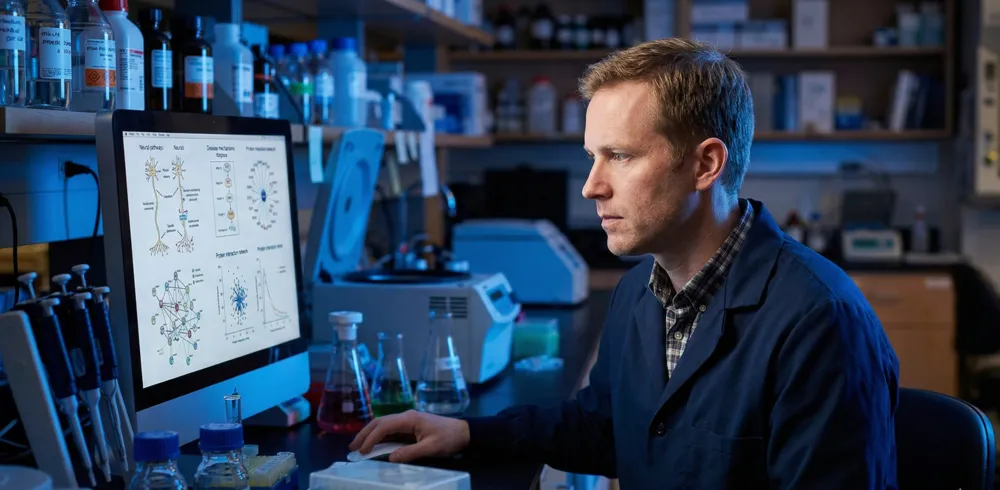
کبھی سوچا ہے کہ ہنٹنگٹن کی بیماری کس وجہ سے ہوتی ہے؟ یہ ایک ایسی حالت ہے جو دماغ اور اعصابی نظام کو متاثر کرتی ہے، اور اس کی اصل کو سمجھنا کافی اہم ہے۔
یہ مضمون اس کے پیچھے موجود سائنس کو آسان الفاظ میں بیان کرتا ہے، خاص طور پر جینیاتی بنیادوں اور اس کے بڑھنے کے طریقۂ کار پر توجہ دیتے ہوئے۔ ہم اس مخصوص جین، اس کے وراثت میں منتقل ہونے کے طریقے، اور دماغ کے اندر حقیقت میں کیا ہوتا ہے جس سے علامات پیدا ہوتی ہیں، اس پر نظر ڈالیں گے۔
ہنٹنگٹن کی بیماری کو پرائمری جینیاتی خرابی کے طور پر کیوں درجہ بندی کیا گیا ہے؟
دماغ کی عام صحت کو برقرار رکھنے میں HTT جین کیا کردار ادا کرتا ہے؟
ہنٹنگٹن کی بیماری کی بنیاد میں موجود جین کو HTT جین کہا جاتا ہے۔ یہ جین ہنٹنگٹن (huntingtin) نامی پروٹین بنانے کے لیے ہدایات فراہم کرتا ہے۔
ہنٹنگٹن پروٹین کافی اہم ہے؛ یہ دماغ کے خلیات کو صحت مند رکھنے میں اپنا کردار ادا کرتا ہے اور انہیں ایک دوسرے سے بات چیت کرنے میں مدد کرتا ہے۔ یہ دماغ کے اندر مختلف کاموں میں شامل ہے، بشمول حرکت، سیکھنے، اور جذباتی ذہنی تندرستی میں مدد فراہم کرنا۔
CAG ریپیٹ کی توسیع کس طرح نقصان دہ پروٹین کے جمنے کا باعث بنتی ہے؟
ہنٹنگٹن کی بیماری HTT جین کے اندر ایک خاص قسم کی تبدیلی، یا تغیر (mutation) سے پیدا ہوتی ہے۔ اس تغیر میں تین حرفی ڈی این اے تسلسل کا غیر معمولی دہراؤ شامل ہے: cytosine-adenine-guanine، جسے اکثر CAG کے طور پر مختصر کیا جاتا ہے۔
ایک صحت مند HTT جین میں، یہ CAG تسلسل ایک خاص تعداد میں دہرایا جاتا ہے۔ تاہم، ہنٹنگٹن کی بیماری کے شکار افراد میں، یہ تسلسل عام سے کہیں زیادہ بار دہرایا جاتا ہے۔
CAG کے دہرائے جانے کی تعداد براہ راست بیماری کے ابھرنے اور بڑھنے پر اثر انداز ہوتی ہے۔
جب CAG دہرائے جانے کی تعداد ایک خاص حد سے تجاوز کر جاتی ہے، جسے عام طور پر 35 یا اس سے زیادہ سمجھا جاتا ہے، تو جین ہنٹنگٹن پروٹین کا ایک ایسا ورژن تیار کرتا ہے جو تبدیل شدہ ہوتا ہے۔ یہ تبدیل شدہ پروٹین صحیح طریقے سے کام نہیں کرتا اور اس کے غلط شکل اختیار کرنے (misfold) کا رجحان ہوتا ہے۔
اپنے عام فرائض انجام دینے کے بجائے، یہ ناقص پروٹین اعصابی خلیوں کے اندر، خاص طور پر دماغ میں، ایک ساتھ جمع (clump) ہوسکتا ہے۔ یہ لوتھڑے دماغی خلیات کو نقصان پہنچا سکتے ہیں یا انہیں تباہ کر سکتے ہیں، جس سے ان کی آپس میں بات چیت کرنے اور صحیح طریقے سے کام کرنے کی صلاحیت متاثر ہوتی ہے۔ یہی وہ نقصان ہے جو ہنٹنگٹن کی بیماری سے وابستہ جسمانی حرکات، ادراک، اور رویّے کی علامات کا باعث بنتا ہے۔
کون سے حیاتیاتی عوامل علامات کے آغاز کی عمر اور بیماری کی شدت پر اثر انداز ہوتے ہیں؟
اگرچہ HTT جین میں توسیع شدہ CAG ریپیٹ کی موجودگی ہنٹنگٹن کی بیماری کی براہ راست وجہ ہے، لیکن علامات کے آغاز کی صحیح عمر اور بیماری کتنی تیزی سے بڑھتی ہے، یہ ایک شخص سے دوسرے شخص میں کافی مختلف ہو سکتی ہے۔ یہ صرف جین کی تبدیلی کا کوئی سادہ سا معاملہ نہیں ہے؛ دیگر حیاتیاتی عوامل بھی اس بات میں اپنا کردار ادا کرتے ہوئے دکھائی دیتے ہیں کہ بیماری کس طرح ظاہر ہوتی ہے۔
سب سے زیادہ مطالعہ کیا جانے والا عامل CAG دہرائے جانے کی تعداد ہے۔ عام طور پر، دہرائے جانے کی زیادہ تعداد علامات کے جلد آغاز اور ممکنہ طور پر بیماری کے زیادہ تیزی سے بڑھنے کا باعث بنتی ہے۔
مثال کے طور پر، 60 سے زیادہ ریپیٹس والے افراد میں اکثر کم ریپیٹس (جیسے کہ 20 کی دہائی کی رینج میں) والے افراد کے مقابلے میں زندگی میں جلدی علامات ظاہر ہوتی ہیں۔
ریپیٹس کی تعداد کے علاوہ، دوسرے جینیاتی عوامل بھی بیماری پر اثر انداز ہو سکتے ہیں۔ نیوروسائنس کے شعبے کے محققین اس بات کا جائزہ لے رہے ہیں کہ کس طرح دوسرے جینز میں تبدیلیاں پھیلے ہوئے HTT جین کے اثرات کو تبدیل کر سکتی ہیں۔ خیال یہ ہے کہ یہ دوسرے جینز یا تو کچھ تحفظ فراہم کر سکتے ہیں یا پھر اس کے برعکس، بیماری کو مزید خراب کر سکتے ہیں۔
ماحولیاتی عوامل اور طرز زندگی کے انتخاب پر بھی غور کیا جا رہا ہے، حالانکہ جینیات کے مقابلے میں ان کا اثر کم واضح ہے۔ مجموعی صحت، خوراک، اور یہاں تک کہ دیگر طبی کیفیات کی موجودگی جیسے امور جینیاتی رجحان کے ساتھ ممکنہ طور پر تعامل (interact) کر سکتے ہیں۔
تاہم، یہ نوٹ کرنا ضروری ہے کہ بنیادی محرک جینیاتی تبدیلی ہی ہے۔ تغیر کی وجہ سے ہونے والی ابتدائی خلیاتی تبدیلیوں کی تلافی کرنے کی دماغ کی صلاحیت بھی واضح علامات کے ظہور میں تاخیر کرنے میں ایک اہم عنصر معلوم ہوتی ہے۔
دماغ کی ابتدائی تبدیلیوں اور علاج کے اختیارات کے بارے میں موجودہ تحقیق کیا دریافت کر رہی ہے؟
سائنسدان ہنٹنگٹن کی بیماری کا کئی زاویوں سے مطالعہ کر رہے ہیں۔ اس کام کا ایک بڑا حصہ یہ سمجھنے پر مشتمل ہے کہ علامات ظاہر ہونے سے پہلے ہی دماغ میں کیا تبدیلیاں آتی ہیں۔
محققین نے پایا ہے کہ دماغ میں کچھ تبدیلیاں بہت جلد دیکھی جا سکتی ہیں، یہاں تک کہ پیدائش سے پہلے بھی، لیکن انسان سالوں تک بیماری کے کوئی بیرونی آثار نہیں دکھاتا۔ مقصد یہ معلوم کرنا ہے کہ دماغ ان ابتدائی تبدیلیوں کی تلافی کیسے کرتا ہے اور کیا ہم ان قدرتی حفاظتی عمل کو بڑھا کر علامات کو ظاہر ہونے سے روک سکتے ہیں یا ان میں تاخیر کر سکتے ہیں۔
توجہ کا ایک اور مرکز خود ناقص ہنٹنگٹن پروٹین پر ہے۔ مطالعات اس زہریلے پروٹین کی مقدار کو کم کرنے یا دماغ کے خلیوں میں اسے اکٹھا ہونے سے روکنے کے طریقوں کو تلاش کر رہے ہیں۔ اس میں مختلف جینیاتی طریقوں اور ادویاتی علاج کا جائزہ لینا شامل ہے۔
تشخیص میں عام طور پر چیزوں کا ایک مجموعہ شامل ہوتا ہے۔ ڈاکٹر آپ کی طبی تاریخ، خاندانی تاریخ کا جائزہ لیں گے، اور آپ کی حرکت، ہم آہنگی اور اضطراری حرکات (reflexes) کو جانچنے کے لیے اعصابی معائنہ کریں گے۔ جینیاتی ٹیسٹنگ بھی دستیاب ہے جو HTT جین میں وسیع شدہ CAG ریپیٹ کی موجودگی کی تصدیق کر سکتی ہے۔
جب بات علاج کی ہو، تو بنیادی توجہ علامات کو سنبھالنے پر ہوتی ہے۔ ابھی تک اس کا کوئی علاج نہیں ہے، لیکن کئی اختیارات لوگوں کو زیادہ آرام دہ زندگی گزارنے میں مدد دے سکتے ہیں۔
ادویات: مخصوص ادویات حرکت سے متعلقہ علامات جیسے کوریا (غیر ارادی حرکات) کو سنبھالنے میں مدد کر سکتی ہیں اور ڈپریشن یا چڑچڑاپن جیسے نفسیاتی مسائل کو بھی حل کر سکتی ہیں۔
تھراپیز: فزیکل تھراپی توازن اور ہم آہنگی میں مدد کر سکتی ہے، جبکہ اسپیچ اور اکیوپیشنل تھراپی نگلنے، بات چیت کرنے اور روزمرہ کے کاموں میں مدد فراہم کر سکتی ہے۔
سپورٹ: مشاورت (کاؤنصلنگ) اور سپورٹ گروپس لوگوں اور خاندانوں کو اس بیماری کے جذباتی اور عملی چیلنجوں سے نمٹنے میں مدد دینے میں اہم کردار ادا کرتے ہیں۔
HTT جین کی تبدیلی کو بنیادی حیاتیاتی جڑ کیوں سمجھا جاتا ہے؟
تو، ہنٹنگٹن کی بیماری دراصل ایک جین، یعنی HTT جین میں ایک مخصوص تبدیلی کا نتیجہ ہے۔ یہ جین عام طور پر ہمارے دماغی خلیوں کو صحت مند رکھنے میں مدد کرتا ہے۔ لیکن جب اس میں بہت زیادہ CAG ریپیٹس ہوتے ہیں، تو یہ ہنٹنگٹن کا ایک ناقص پروٹین بناتا ہے۔ یہ پروٹین اکٹھا ہو کر دماغی خلیوں کو نقصان پہنچاتا ہے، خاص طور پر ان خلیوں کو جو حرکت، سوچ اور مزاج کو کنٹرول کرتے ہیں۔
چونکہ یہ بیماری آٹوسومل ڈومیننٹ طرز کے تحت وراثت میں ملتی ہے، اس لیے صرف ایک والدین سے بدلا ہوا جین حاصل کرنے کا مطلب یہ ہے کہ آپ میں یہ بیماری پیدا ہونے کے قوی امکانات ہیں۔ اگرچہ علامات اکثر جوانی میں ظاہر ہوتی ہیں، لیکن تحقیق سے پتہ چلتا ہے کہ دماغی تبدیلیاں بہت پہلے، پیدائش سے بھی پہلے شروع ہو سکتی ہیں۔
سائنسدان ان ابتدائی مراحل کا مطالعہ کر رہے ہیں، اس امید کے ساتھ کہ وہ اس بیماری کے قدم جمانے کو سست کرنے یا اسے روکنے کے طریقے تلاش کر سکیں۔
حوالہ جات
Ribaï, P., Nguyen, K., Hahn-Barma, V., Gourfinkel-An, I., Vidailhet, M., Legout, A., ... & Dürr, A. (2007). Psychiatric and cognitive difficulties as indicators of juvenile huntington disease onset in 29 patients. Archives of neurology, 64(6), 813-819. doi:10.1001/archneur.64.6.813
اکثر پوچھے گئے سوالات
ہنٹنگٹن کی بیماری کی وجہ کیا ہے؟
اس کی بڑی وجہ ایک مخصوص جین میں تبدیلی، یا 'تغیر' ہے جسے HTT جین کہا جاتا ہے۔ یہ جین ہنٹنگٹن نامی پروٹین بنانے کے لیے ایک بلیو پرنٹ کی طرح ہے۔ جب جین میں یہ تبدیلی ہوتی ہے، تو یہ ایک ناقص ہنٹنگٹن پروٹین بناتا ہے جو دماغی خلیوں کو نقصان پہنچا سکتا ہے۔
HTT جین اور CAG ریپیٹ ایکسپینشن کیا ہے؟
HTT جین ہنٹنگٹن پروٹین بنانے کے لیے ہدایات فراہم کرتا ہے، جو دماغی خلیات کو صحت مند رکھنے کے لیے اہم ہے۔ ہنٹنگٹن کی بیماری میں، اس جین کا ایک حصہ، جسے CAG ریپیٹ کہا جاتا ہے، بہت زیادہ بار دہرایا جاتا ہے۔ اسے جینیاتی کوڈ میں ہکلاہٹ کی طرح سمجھیں۔ جب بہت زیادہ ریپیٹس ہوتے ہیں، تو جو پروٹین یہ بناتا ہے وہ صحیح طریقے سے کام نہیں کرتا۔
ہنٹنگٹن کی بیماری وراثت میں کیسے منتقل ہوتی ہے؟
یہ آٹوسومل ڈومیننٹ نامی پیٹرن کے ذریعے وراثت میں منتقل ہوتی ہے۔ اس کا مطلب یہ ہے کہ اگر والدین میں سے کسی ایک کے پاس تبدیل شدہ HTT جین ہے، تو ان کے بچے میں بھی اسے حاصل کرنے کا 50% امکان ہوتا ہے۔ بیماری پیدا ہونے کے لیے آپ کو صرف ایک والدین سے بدلا ہوا جین وراثت میں پانے کی ضرورت ہوتی ہے۔
ہنٹنگٹن کی بیماری میں دماغ کے اندر کیا ہوتا ہے؟
ناقص ہنٹنگٹن پروٹین دماغی خلیوں کے اندر اکٹھا ہو سکتا ہے۔ یہ لوتھڑے دماغی خلیات کو نقصان پہنچاتے ہیں یا تباہ کر دیتے ہیں، خاص طور پر ان خلیات کو جو حرکت، سوچ اور جذبات کو کنٹرول کرتے ہیں۔ یہی نقصان بیماری کی علامات کا باعث بنتا ہے۔
Emotiv ایک نیوروٹیکنالوجی لیڈر ہے جو قابلِ رسائی EEG اور دماغی ڈیٹا ٹولز کے ذریعے نیورو سائنس کی تحقیق کو آگے بڑھانے میں مدد کرتا ہے۔
طبی دستبرداری: اس ویب سائٹ پر فراہم کردہ معلومات صرف تعلیمی اور معلوماتی مقاصد کے لیے ہیں اور یہ کسی طبی یا صحت کی مشورے کے طور پر نہیں ہیں۔ اس مواد میں غلطیاں ہو سکتی ہیں اور زندگی کو تبدیل کرنے والے صحت، طبی، یا طرز زندگی کے فیصلے کرنے کے لیے اس پر انحصار نہیں کیا جانا چاہیے۔ طبی حالت یا علاج کے بارے میں آپ کے کسی بھی سوال کے لیے ہمیشہ اپنے معالج یا دیگر اہل صحت فراہم کنندہ سے مشورہ کریں۔
کرسچن برکوس