জুভেনাইল হান্টিংটনস ডিজিজ, বা JHD, হলো হান্টিংটনস রোগের একটি বিরল ধরন, যা 20 বছরের আগে শুরু হয়। এটি শনাক্ত করা কঠিন হতে পারে, কারণ আচরণ বা স্কুলের কাজে পরিবর্তনের মতো প্রাথমিক লক্ষণগুলো প্রায়ই চোখ এড়িয়ে যায় বা অন্য সমস্যার সঙ্গে গুলিয়ে ফেলা হয়।
এই গাইডটি জুভেনাইল হান্টিংটনস ডিজিজ কী, এটি শিশুদের মধ্যে কীভাবে ভিন্নভাবে প্রকাশ পায়, এবং কোনো শিশুর এটি আছে কি না তা চিকিৎসকেরা কীভাবে নির্ধারণ করেন—এসব বিষয়ে আলোকপাত করার লক্ষ্য নিয়েছে। পরিবারগুলো কীভাবে সঠিক সহায়তা পেতে পারে, সেটিও আমরা সংক্ষেপে আলোচনা করব।
জুভেনাইল হান্টিংটনস ডিজিজ (JHD) কী?
বয়স্কদের হান্টিংটনের থেকে JHD কীভাবে আলাদা?
জুভেনাইল হান্টিংটনস ডিজিজ (JHD) হলো হান্টিংটনস ডিজিজের একটি অপেক্ষাকৃত কম পরিচিত রূপ, যা মানুষকে ২০ বছর বয়সের আগেই আক্রান্ত করে। প্রাপ্তবয়স্কদের রোগের সাথে এর জেনেটিক উৎস এক হলেও, JHD-এর কিছু স্বতন্ত্র বৈশিষ্ট্য রয়েছে।
একটি মূল পার্থক্য দেখা যায় মোটর বা শারীরিক চলাচলের উপসর্গগুলোর মধ্যে। প্রাপ্তবয়স্কদের মধ্যে প্রায়শই যে অনিয়ন্ত্রিত, ঝাঁকুনিযুক্ত গতিবিধি (কোরিয়া) দেখা যায়, তার পরিবর্তে JHD-তে আক্রান্ত শিশুদের মধ্যে পেশীর শক্তভাব বা জড়তা এবং চলাচলের ধীরগতি দেখার সম্ভাবনা বেশি থাকে। এটি হাত-পা শক্ত হয়ে যাওয়া এবং সামগ্রিকভাবে চলাচলের গতি কমে যাওয়ার মাধ্যমে প্রকাশ পেতে পারে।
লক্ষণগুলোর অগ্রগতির মধ্যেও পার্থক্য থাকতে পারে, কম বয়সে লক্ষণ দেখা দেওয়ার সাথে রোগটি দ্রুত গতিতে ছড়িয়ে পড়ার একটি সম্পর্ক রয়েছে।
অল্প বয়সে রোগ শুরুর জেনেটিক কারণ কী?
হান্টিংটনস ডিজিজ, এর জুভেনাইল এবং প্রাপ্তবয়স্ক উভয় রূপই হান্টিংটিন (HTT) জিনের মিউটেশন বা পরিবর্তনের কারণে ঘটে। এই জিনটি হান্টিংটিন নামক একটি প্রোটিন তৈরির নির্দেশনা দেয়।
এই মিউটেশন বা পরিবর্তনের সাথে জিনের মধ্যে একটি CAG ট্রিনিউক্লিওটাইড পুনরাবৃত্তির বিস্তার বা বৃদ্ধি জড়িত থাকে। যখন এই পুনরাবৃত্তি একটি নির্দিষ্ট সংখ্যার চেয়ে বেশি ঘটে, তখন এটি একটি ত্রুটিপূর্ণ হান্টিংটিন প্রোটিন তৈরির দিকে পরিচালিত করে।
JHD-এর ক্ষেত্রে, এই জেনেটিক মিউটেশনটি বংশগতভাবে আসে, সাধারণত এমন একজন অভিভাবকের কাছ থেকে যার নিজেরও হান্টিংটনস ডিজিজ রয়েছে। CAG পুনরাবৃত্তির সংখ্যা কত বছর বয়সে রোগটি শুরু হবে এবং এর তীব্রতা কেমন হবে তা প্রভাবিত করতে পারে, যেখানে বেশি সংখ্যার পুনরাবৃত্তি সাধারণত দ্রুত রোগ শুরু হওয়া এবং দ্রুত অবনতির সাথে জড়িত থাকে।
কেন JHD-এর ক্ষেত্রে প্রায়শই ভুল রোগ নির্ণয় হয়?
JHD নির্ণয় করা বেশ চ্যালেঞ্জিং হতে পারে এবং প্রায়শই এটির ভুল রোগ নির্ণয় হয়। এর আংশিক কারণ হলো প্রাথমিক লক্ষণগুলো খুব সূক্ষ্ম হতে পারে এবং তা শৈশবের অন্যান্য সাধারণ অবস্থার মতো মনে হতে পারে।
আচরণে পরিবর্তন, যেমন খিটখিটে মেজাজ, মনোযোগ দিতে অসুবিধা হওয়া বা স্কুলে পড়াশোনার পারফরম্যান্স কমে যাওয়া প্রায়শই প্রথম লক্ষণ হিসেবে দেখা দেয়। এগুলোকে সাধারণ আচরণগত সমস্যা, শেখার অক্ষমতা (লার্নিং ডি্যাবিলিটিজ), বা এমনকি মানসিক সমস্যা বলে ভুল করা হতে পারে।
তাছাড়া, JHD-এর মোটর লক্ষণগুলো, যেমন পেশীর শক্তভাব এবং ধীরগতি, প্রাপ্তবয়স্কদের হান্টিংটনে দেখা যাওয়া কোরিয়ার চেয়ে কম সাধারণ, যা চিকিৎসকদের ভিন্ন রোগ নির্ণয়ের দিকে পরিচালিত করতে পারে।
JHD-এর বিরলতাও রোগ নির্ণয়ে বিলম্বের কারণ হতে পারে, কারণ এই লক্ষণগুলো সহ কোনো শিশুকে মূল্যায়ন করার সময় একজন চিকিৎসকের মাথায় সবার আগে এই রোগের কথা নাও আসতে পারে। তাই বিশেষ করে স্নায়বিক রোগের ইতিহাস থাকা পরিবারগুলোর ক্ষেত্রে অত্যন্ত সতর্ক থাকা প্রয়োজন।
JHD-এর অনন্য লক্ষণগুলো কী কী?
মোটর লক্ষণ: কোরিয়ার চেয়ে পেশীর শক্তভাব এবং ধীরগতি বেশি দেখা যায়
প্রাপ্তবয়স্কদের হান্টিংটনে যেখানে প্রায়শই কোরিয়া বা অনিয়ন্ত্রিত, ঝাঁকুনিযুক্ত গতিবিধি দেখা যায়, সেখানে JHD সাধারণত পেশীর শক্তভাব এবং ধীরগতির মাধ্যমে প্রকাশ পায়। JHD-তে আক্রান্ত শিশু এবং কিশোর-কিশোরীরা পেশীর শক্তভাব অনুভব করতে পারে, যার ফলে তাদের নড়াচড়া অনেক ধীর এবং কম সাবলীল মনে হতে পারে।
এটি সমন্বয় এবং ভারসাম্যের ক্ষেত্রে সমস্যা তৈরি করতে পারে, যার ফলে কখনো কখনো হোঁচট খাওয়া বা অসম গতিতে হাঁটার মতো পরিস্থিতি তৈরি হয়। এই শারীরিক পরিবর্তনগুলোর শুরুটা খুব ধীরে ধীরে হতে পারে এবং তাৎক্ষণিকভাবে এটিকে নির্দিষ্ট কোনো স্নায়বিক সমস্যার লক্ষণ হিসেবে চিহ্নিত করা নাও যেতে পারে।
কোরিয়ার পরিবর্তে পেশীর শক্তভাব এবং ধীরগতির ওপর জোর দেওয়া JHD-এর একটি মূল বৈশিষ্ট্য।
শিশুদের জ্ঞানীয় ও আচরণগত পরিবর্তন
জ্ঞানীয় বা বুদ্ধিবৃত্তিক এবং আচরণগত পরিবর্তনগুলোই প্রায়শই JHD-এর প্রাথমিক লক্ষণ হয়ে থাকে। আক্রান্ত কম বয়সীরা মনোযোগ দিতে সমস্যার সম্মুখীন হতে পারে, যার ফলে কোনো নির্দেশনা মেনে চলা বা স্কুলের পড়াশোনার সাথে তাল মেলানো কঠিন হয়ে পড়ে।
স্কুলের পড়াশোনার ফলাফলে একটি লক্ষণীয় অবনতি দেখা দিতে পারে। নতুন তথ্য শেখা এবং খুঁটিনাটি বিষয় মনে রাখা আরও কঠিন হয়ে উঠতে পারে।
যে কাজগুলো একসময় সহজ ছিল, সেগুলো শুরু করতেই এখন হয়তো বেশি প্রচেষ্টার প্রয়োজন হতে পারে, যার কারণে কখনো কখনো তাদের আলসেমি বা অনুপ্রেরণার অভাব রয়েছে বলে ভুল ভাবা হতে পারে। আবেগ নিয়ন্ত্রণের ক্ষমতাও প্রভাবিত হতে পারে, যার ফলে খিটখিটে ভাব, হতাশা বা ধৈর্যের অভাব স্পষ্ট হয়ে উঠতে পারে।
এই পরিবর্তনগুলো প্রথমে খুবই সূক্ষ্ম হতে পারে এবং এগুলোকে সাধারণ বেড়ে ওঠার পর্যায় বা অন্যান্য বাহ্যিক কারণ বলে মনে হতে পারে, যা চূড়ান্ত রোগ নির্ণয়কে বিলম্বিত করে।
কেন JHD-তে খিঁচুনি হওয়ার প্রবণতা বেশি থাকে?
JHD-কে আলাদা করার আরেকটি গুরুত্বপূর্ণ বৈশিষ্ট্য হলো খিঁচুনির অভিজ্ঞতা হওয়ার উচ্চ সম্ভাবনা। জুভেনাইল হান্টিংটনস ডিজিজে আক্রান্ত ব্যক্তিদের মধ্যে মৃগীরোগের সমস্যা বেশি দেখা যায়, বিশেষ করে অপেক্ষাকৃত কম বয়সী শিশুদের ক্ষেত্রে।
এই খিঁচুনিগুলোর ধরন এবং ঘন ঘন হওয়ার হার ভিন্ন হতে পারে, যা লক্ষণগুলোতে আরও জটিলতা যোগ করে। অন্যান্য স্নায়বিক পরিবর্তনের পাশাপাশি কোনো শিশুর খিঁচুনি হলে তার আসল কারণ নির্ধারণ করার জন্য সতর্ক চিকিৎসकीय মূল্যায়নের প্রয়োজন রয়েছে।
খিঁচুনি নিয়ন্ত্রণের সামগ্রিক প্রক্রিয়ায় প্রায়শই নির্দিষ্ট কিছু মৃগীরোগ প্রতিরোধী ওষুধের ব্যবহার করা হয়, যা JHD-এর আরও বিস্তৃত চিকিত্সা পদ্ধতির অংশ।
কীভাবে JHD নির্ণয় এবং মূল্যায়ন করা হয়?
পেডিয়াট্রিক নিউরোলজিস্টের ভূমিকা কী?
যখন কোনো শিশুর মধ্যে এমন কিছু মোটর, জ্ঞানীয় বা আচরণগত পরিবর্তনের সংমিশ্রণ দেখা যায় যা অন্য কোনো শারীরিক অবস্থার মাধ্যমে সহজে ব্যাখ্যা করা যায় না, তখন সাধারণত সবার আগে একজন পেডিয়াট্রিক নিউরোলজিস্টের পরামর্শ নেওয়া উচিত।
এই চিকিৎসকেরা শিশুদের স্নায়বিক সমস্যা নির্ণয় এবং পরিচালনার বিষয়ে বিশেষভাবে প্রশিক্ষিত। তারা প্রথমে বিস্তারিত চিকিৎসা ইতিহাস গ্রহণ করবেন, যেখানে লক্ষণগুলোর শুরু এবং অগ্রগতি, পরিবারের স্নায়বিক রোগের ইতিহাস এবং শিশুর বেড়ে ওঠার বিভিন্ন ধাপের ওপর জোর দেওয়া হবে।
এরপর একটি পুঙ্খানুপুঙ্খ শারীরিক পরীক্ষা করা হবে, যেখানে শিশুর রিফ্লেক্স বা প্রতিক্রিয়া, ভারসাম্য, পেশীর সচলতা এবং হাঁটার ধরন মূল্যায়ন করা হবে। শিশুর লক্ষণগুলোর পেছনে থাকা অন্যান্য সম্ভাব্য কারণগুলোকে বাদ দেওয়ার জন্য একজন পেডিয়াট্রিক নিউরোলজিস্টের প্রাথমিক মূল্যায়ন অত্যন্ত গুরুত্বপূর্ণ।
জেনেটিক পরীক্ষার মাধ্যমে কীভাবে JHD নিশ্চিত করা হয়?
যদিও ক্লিনিকাল মূল্যায়ন জুভেনাইল হান্টিংটনস ডিজিজের সন্দেহ বাড়াতে পারে, তবে চূড়ান্ত রোগ নির্ণয়ের জন্য জেনেটিক পরীক্ষার ওপর নির্ভর করতে হয়।
হান্টিংটিন (HTT) জিনে CAG ট্রিনিউক্লিওটাইড পুনরাবৃত্তির পরিমাণ বেড়ে যাওয়ার কারণেই JHD ঘটে। শিশুর শরীর থেকে রক্তের নমুনা নেওয়া হয় এবং ল্যাবরেটরি পরীক্ষার মাধ্যমে CAG পুনরাবৃত্তির সংখ্যা নির্ধারণ করা হয়।
পুনরাবৃত্তির সংখ্যা উল্লেখযোগ্যভাবে বেশি থাকলে তা JHD-এর রোগ নির্ণয় নিশ্চিত করে। এটি মনে রাখা গুরুত্বপূর্ণ যে জেনেটিক পরীক্ষা একটি অত্যন্ত সংবেদনশীল সিদ্ধান্ত, এবং এই পরীক্ষার ফলাফল শিশু এবং পরিবারের ওপর কী প্রভাব ফেলতে পারে তা নিয়ে আলোচনার জন্য কাউন্সেলিং করার পরামর্শ দেওয়া হয়।
ব্রেন ইমেজিং (MRI এবং CT স্ক্যান) কি রোগ নির্ণয়ে সাহায্য করতে পারে?
নিউরোসায়েন্টিফিক ইমেজিং প্রযুক্তি, যেমন ম্যাগনেটিক রেজোন্যান্স ইমেজিং (MRI) এবং কম্পিউটেড টমোগ্রাফি (CT) স্ক্যান JHD-এর রোগ নির্ণয় প্রক্রিয়ায় মূল্যবান তথ্য দিতে পারে। যদিও এই স্ক্যানগুলো সরাসরি JHD নির্ণয় করে না, তবে এগুলো মস্তিষ্কে এমন কিছু কাঠামোগত পরিবর্তন শনাক্ত করতে সাহায্য করতে পারে যা এই রোগের সাথে সামঞ্জস্যপূর্ণ।
JHD-এর ক্ষেত্রে, ইমেজিংয়ে অ্যাট্রোফি বা মস্তিষ্কের ক্ষয় প্রকাশ পেতে পারে, বিশেষ করে বাসাল গ্যাংলিয়ায় (কডেট নিউক্লিয়াস এবং পিউটামেনের মতো কাঠামো), যা এই রোগ দ্বারা প্রভাবিত হয়। এই স্ক্যানগুলো অন্যান্য স্নায়বিক সমস্যা যেমন টিউমার বা স্ট্রোকের সম্ভাবনা বাদ দিতেও সাহায্য করে, যা একই ধরনের লক্ষণের কারণ হতে পারে।
ইমেজিং স্টাডি থেকে প্রাপ্ত ফলাফলগুলো যখন ক্লিনিকাল লক্ষণ এবং জেনেটিক পরীক্ষার ফলাফলের সাথে মিলিয়ে দেখা হয়, তখন এটি একটি সম্পূর্ণ রোগ নির্ণয় চিত্র তৈরিতে সাহায্য করে।
খিঁচুনি এবং মস্তিষ্কের কার্যকারিতা পরীক্ষা করার জন্য কীভাবে EEG ব্যবহার করা হয়?
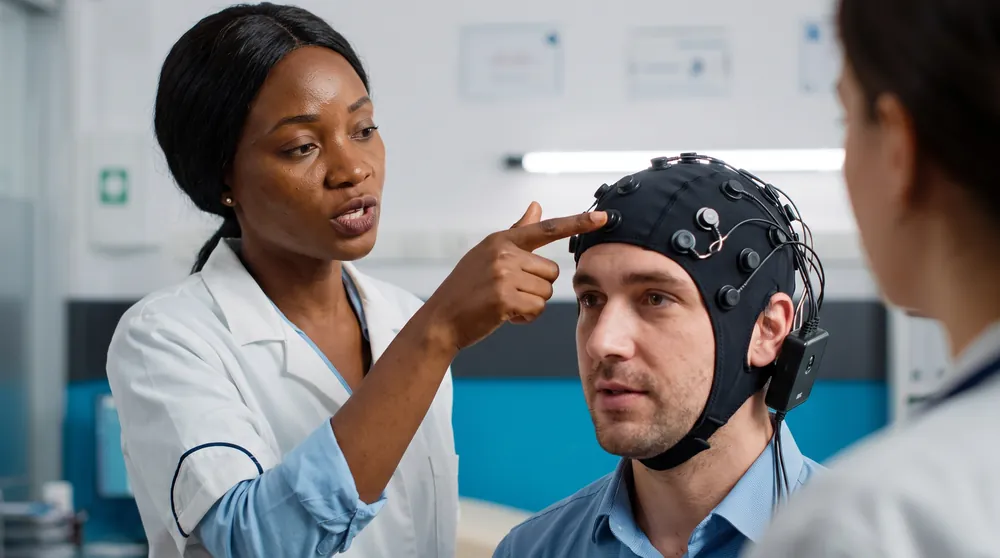
যেহেতু জুভেনাইল হান্টিংটনস ডিজিজে খিঁচুনির উচ্চ প্রবণতা দেখা যায়, তাই নিউরোলজিস্টরা ক্লিনিকাল মূল্যায়নের একটি নিয়মিত অংশ হিসেবে ইলেকট্রোএনসেফালোগ্রাম (EEG) ব্যবহার করে থাকেন।
মস্তিষ্কের ক্রমাগত বৈদ্যুতিক তরঙ্গগুলো রেকর্ড করার জন্য মাথার ত্বকে ছোট ছোট সেন্সর স্থাপন করে, EEG চিকিৎসকদের অস্বাভাবিক, মৃগীরোগ-সংক্রান্ত কার্যকলাপ সনাক্ত এবং নিশ্চিত করতে সাহায্য করে। এই পর্যবেক্ষণটি বিশেষভাবে গুরুত্বপূর্ণ কারণ শিশুদের সমস্ত খিঁচুনি শারীরিকভাবে স্পষ্ট নয়; একটি EEG খুব সূক্ষ্ম বা "নীরব" বৈদ্যুতিক বিভ্রাট সনাক্ত করতে পারে যা অন্যথায় আচরণগত পরিবর্তন বা মনোযোগের অভাব হিসেবে ভুল ব্যাখ্যা করা হতে পারে।
তাছাড়া, এই ব্যথাহীন পরীক্ষাটি বিশেষজ্ঞদের শিশুর হওয়া নির্দিষ্ট ধরণের খিঁচুনি চিহ্নিত করতে সাহায্য করে, যা সবচেয়ে উপযুক্ত এবং কার্যকর মৃগীরোগ প্রতিরোধী ওষুধ নির্বাচনের জন্য অত্যন্ত গুরুত্বপূর্ণ একটি ধাপ।
শিশুর কেয়ার প্ল্যান উন্নত হওয়ার সাথে সাথে, এই ওষুধের কার্যকারিতা পর্যবেক্ষণ করতে এবং নিরাপদে ডোজ সামঞ্জস্য করতে প্রায়শই পরবর্তী EEG-গুলো ব্যবহার করা হয়।
তবে, বাবা-মা এবং যত্ন প্রদানকারীদের এটি বোঝা গুরুত্বপূর্ণ যে, যদিও খিঁচুনির জটিলতাগুলো পরিচালনা করার জন্য EEG একটি অপরিহার্য হাতিয়ার, তবে এটি মূল স্নায়বিক ক্ষয়জনিত রোগটি নির্ণয় করে না। জুভেনাইল হান্টিংটনস ডিজিজের চূড়ান্ত নির্ণয় সম্পূর্ণভাবে নির্দিষ্ট জেনেটিক পরীক্ষার ওপর নির্ভর করে।
কীভাবে JHD-এর জন্য একটি বহুমুখী কেয়ার টিম গঠন করা হয়?
মূল চিকিৎসকেরা কারা জড়িত থাকেন?
জুভেনাইল হান্টিংটনস ডিজিজে আক্রান্ত কোনো শিশুর যত্ন নেওয়ার জন্য প্রায়শই চিকিৎসা পেশাদারদের একটি বড় দলের প্রয়োজন হয়। এই দলটির সদস্যরা একসাথে কাজ করে রোগটির কারণে দেখা দেওয়া বিভিন্ন জটিল লক্ষণগুলো পরিচালনা করতে সাহায্য করে।
একজন পেডিয়াট্রিক নিউরোলজিস্ট সাধারণত এই সেবার কেন্দ্রে থাকেন, কারণ তারা শিশুদের স্নায়ুতন্ত্রের সাথে জড়িত রোগগুলোতে বিশেষজ্ঞ। তারা JHD নির্ণয় করতে এবং সামগ্রিক চিকিৎসা তদারকি করতে সাহায্য করতে পারেন।
শিশুর নির্দিষ্ট চাহিদার ওপর ভিত্তি করে অন্যান্য বিশেষজ্ঞদেরও যুক্ত করা হতে পারে। এর মধ্যে জেনেটিসিস্ট থাকতে পারেন, যিনি রোগের বংশগত দিকগুলো ব্যাখ্যা করতে পারেন এবং পেডিয়াট্রিশিয়ান থাকতে পারেন যারা শিশুর বৃদ্ধি এবং বিকাশের ওপর মনোযোগ দেন।
এই বিশেষজ্ঞদের সমন্বিত কাজ শিশুর মস্তিষ্কের স্বাস্থ্য সম্পর্কে আরও স্পষ্ট ধারণা দেয় এবং উপযুক্ত পদক্ষেপ পরিকল্পনা করতে সাহায্য করে।
লক্ষণগুলো নিয়ন্ত্রণে রাখতে ওষুধ কীভাবে ব্যবহৃত হয়?
যদিও JHD-এর কোনো স্থায়ী নিরাময় নেই, তবে ওষুধ ব্যবহারের মাধ্যমে নির্দিষ্ট কিছু লক্ষণ নিয়ন্ত্রণে রাখা যায়। উদাহরণস্বরূপ, অনিচ্ছাকৃত নড়াচড়া, পেশীর শক্তভাব বা আচরণগত পরিবর্তন যেমন খিটখিটে ভাব বা বিষণ্ণতা দূর করার জন্য ওষুধ ব্যবহার করা যেতে পারে।
মেডিকেল টিম শিশুর বয়স, নির্দিষ্ট লক্ষণ এবং সামগ্রিক স্বাস্থ্যের বিষয়টি বিবেচনা করে ওষুধের ধরন ও ডোজ সতর্কতার সাথে নির্ধারণ করে। এটি মনে রাখা গুরুত্বপূর্ণ যে জীবনযাত্রার মান উন্নত করতে এবং নির্দিষ্ট সমস্যাগুলো পরিচালনা করার জন্য ওষুধ দেওয়া হয় এবং শিশুর প্রতিক্রিয়ার ওপর ভিত্তি করে প্রয়োজন অনুযায়ী তা পরিবর্তন করা হতে পারে।
শারীরিক ও অকুপেশনাল থেরাপির গুরুত্ব কী?
শারীরিক (ফিজিক্যাল) এবং অকুপেশনাল থেরাপি শিশুর কাজ করার স্বাভাবিক ক্ষমতা বজায় রাখতে গুরুত্বপূর্ণ ভূমিকা পালন করে। ফিজিক্যাল থেরাপি চলাফেরা, ভারসাম্য এবং সমন্বয়ের ক্ষেত্রে সাহায্য করতে পারে, যার লক্ষ্য হলো চলাফেরার ক্ষমতা উন্নত করা এবং পড়ে যাওয়া প্রতিরোধ করা।
থেরাপিস্টরা পেশীর শক্তি এবং নমনীয়তা বজায় রাখার জন্য বিভিন্ন ব্যায়ামের ওপর কাজ করেন। অন্যদিকে, অকুপেশনাল থেরাপি শিশুকে দৈনন্দিন কাজ যেমন পোশাক পরা, খাওয়া এবং স্কুলের কাজ করতে সাহায্য করার ওপর মনোযোগ দেয়।
তারা এই কাজগুলোকে সহজ করার জন্য কিছু সহায়ক সরঞ্জাম বা কৌশলের পরামর্শ দিতে পারেন। মূল লক্ষ্য হলো শিশুকে যতদূর সম্ভব এবং যত বেশি সময় সম্ভব স্বাবলম্বী থাকতে সাহায্য করা।
কথা বলা এবং গিলে ফেলার সহায়তায় কোন কৌশলগুলো কার্যকর?
JHD কোনো শিশুর স্পষ্টভাবে কথা বলার এবং নিরাপদে খাবার বা তরল গিলে ফেলার ক্ষমতাকে প্রভাবিত করতে পারে। এই সমস্যাগুলোর সমাধানের জন্য স্পিচ-ল্যাঙ্গুয়েজ প্যাথলজিস্টরা (SLPs) কেয়ার টিমের অন্যতম প্রধান সদস্য। তারা কথা বলার সমস্যাগুলো মূল্যায়ন করতে পারেন এবং মনের ভাব প্রকাশের জন্য বিভিন্ন প্রযুক্তি বা যোগাযোগের মাধ্যম ব্যবহারের পরামর্শ দিতে পারেন।
গিলে ফেলার সমস্যার ক্ষেত্রে, SLPs শিশুদের নিরাপদে খাওয়ার এবং পান করার কৌশলগুলো নিয়ে কাজ করেন। এর মধ্যে খাবারের গঠন পরিবর্তন করা বা খাওয়ার সময় বসার সঠিক ভঙ্গি অন্তর্ভুক্ত থাকতে পারে।
একটি ডায়েটিশিয়ানকেও এই প্রক্রিয়ায় যুক্ত করা হতে পারে যাতে শিশুর পর্যাপ্ত পুষ্টি এবং পানির অভাব না ঘটে, বিশেষ করে যদি কিছু গিলতে যাওয়া অত্যন্ত কঠিন হয়ে পড়ে যা ওজন কমানোর কারণ হতে পারে।
জুভেনাইল হান্টিংটনস ডিজিজের সাথে সামনে এগিয়ে যাওয়া
জুভেনাইল হান্টিংটনস ডিজিজ একটি অত্যন্ত জটিল অবস্থা যা অল্প বয়সীদের আক্রান্ত করে। এটি হান্টিংটনসের একটি বিরল রূপ হলেও, এর অনন্য লক্ষণগুলো বোঝা অত্যন্ত গুরুত্বপূর্ণ, যা প্রায়শই প্রাপ্তবয়স্কদের লক্ষণ থেকে আলাদা হয়ে থাকে।
প্রাথমিক লক্ষণগুলোকে সাধারণ শৈশবকালীন সমস্যা বলে ভুল করা হতে পারে, যা রোগ নির্ণয়কে একটি বড় চ্যালেঞ্জ করে তোলে। এই রোগের অগ্রগতি মানুষের চলাফেরা, চিন্তাভাবনা এবং আচরণের ওপর প্রভাব ফেলে এবং এর ফলে অনিচ্ছাকৃত নড়াচড়ার চেয়ে পেশীর শক্তভাব ও পেশী সংকুচিত হওয়ার লক্ষণ বেশি দেখা দিতে পারে। লক্ষণগুলো পরিচালনা করতে এবং জীবনযাত্রার মান উন্নত করতে ঘর এবং বিদ্যালয় উভয় ক্ষেত্রেই চমৎকার সাপোর্ট সিস্টেম থাকা অত্যন্ত জরুরি।
যেহেতু প্রত্যেকের অভিজ্ঞতা ভিন্ন হয়, তাই কেয়ার প্ল্যানগুলোও নমনীয় হওয়া উচিত এবং আক্রান্ত ব্যক্তির অবস্থার পরিবর্তনের সাথে সাথে তা পরিবর্তন করা প্রয়োজন। যদিও এই যাত্রাটি অত্যন্ত কঠিন হতে পারে, তবুও রোগ নির্ণয় হওয়া শিশু এবং তাদের পরিবার উভয়ের জন্যই নানা উপায়ে সাহায্য এবং সহযোগিতার পথ খোলা রয়েছে।
তথ্যসূত্র
Arraj, P., Robbins, K., Dengle Sanchez, L., Veltkamp, D. L., & Pfeifer, C. M. (2020). MRI findings in juvenile Huntington's disease. Radiology case reports, 16(1), 113–115. https://doi.org/10.1016/j.radcr.2020.10.041
প্রায়শই জিজ্ঞাসিত প্রশ্নাবলী
জুভেনাইল হান্টিংটনস ডিজিজ (JHD) আসলে কী?
জুভেনাইল হান্টিংটনস ডিজিজ বা JHD হলো হান্টিংটনস ডিজিজের একটি বিরল রূপ যা কোনো ব্যক্তির ২০ বছর বয়স হওয়ার আগে শুরু হয়। এটি কোনো ব্যক্তির জিনের পরিবর্তনের কারণে ঘটে থাকে, যা পিতামাতার কাছ থেকে তাদের শরীরে স্থানান্তরিত হয়।
JHD-এর ক্ষেত্রে বাবা-মা কোন প্রথম লক্ষণগুলো লক্ষ্য করতে পারেন?
প্রায়শই, প্রথম লক্ষণগুলো শারীরিক হয় না। বাবা-মা এবং শিক্ষকেরা চিন্তাভাবনা এবং আচরণের পরিবর্তন লক্ষ্য করতে পারেন, যেমন মনোযোগ দিতে সমস্যা হওয়া, স্কুলের ফলাফলের অবনতি ঘটা বা খিটখিটে ভাব বেড়ে যাওয়া। এই পরিবর্তনগুলোকে কখনো কখনো অন্য কোনো সাধারণ সমস্যা বলে মনে হতে পারে।
JHD-এর সাথে কি কোনো নির্দিষ্ট চলাচলের সমস্যা সম্পর্কিত রয়েছে?
হ্যাঁ, JHD-তে আক্রান্ত শিশু এবং কিশোর-কিশোরীরা প্রায়শই পেশীর শক্তভাব এবং চলাফেরায় ধীরগতি অনুভব করে। তারা বেশি হোঁচট খেতে পারে বা হাত-পা শক্ত হয়ে যাচ্ছে এমন মনে করতে পারে, যা প্রাপ্তবয়স্কদের হান্টিংটনে দেখা যাওয়া স্পষ্ট অনিয়ন্ত্রিত নড়াচড়া থেকে সম্পূর্ণ আলাদা।
JHD-তে কী ধরণের চিন্তাভাবনা এবং আচরণগত পরিবর্তন ঘটতে পারে?
শিশুদের মনোযোগ দেওয়া, নতুন কিছু শেখা বা কোনো নির্দেশনা অনুসরণ করা কঠিন হতে পারে। তারা সহজে হতাশ, অধৈর্য বা রাগান্বিত হয়ে উঠতে পারে। কখনো কখনো এই পরিবর্তনের কারণে কাজ শুরু করা কঠিন হতে পারে, যাকে প্রথমে অলসতা মনে হতে পারে।
JHD-তে কি সাধারণত মৃগীরোগ দেখা যায়?
হ্যাঁ, জুভেনাইল হান্টিংটনস ডিজিজে আক্রান্ত ব্যক্তিদের ক্ষেত্রে খিঁচুনি, যা মৃগীরোগ নামেও পরিচিত, অনেক বেশি দেখা যায়, বিশেষ করে অপেক্ষাকৃত কম বয়সী শিশুদের ক্ষেত্রে যারা এই রোগে আক্রান্ত হয়।
শিশুদের ক্ষেত্রে কীভাবে JHD রোগ নির্ণয় করা হয়?
রোগ নির্ণয় সাধারণত একজন পেডিয়াট্রিক নিউরোলজিস্টের কাছে যাওয়ার মাধ্যমে শুরু হয় যিনি মস্তিষ্ক এবং স্নায়ুতন্ত্রের রোগে বিশেষজ্ঞ। তারা শিশুর লক্ষণ এবং চিকিৎসার ইতিহাস লক্ষ্য করবেন। তবে চূড়ান্ত রোগ নির্ণয় সম্পন্ন হয় একটি জেনেটিক রক্ত পরীক্ষার মাধ্যমে।
JHD নির্ণয় করতে জেনেটিক পরীক্ষা কী ভূমিকা পালন করে?
JHD নিশ্চিত করার মূল চাবিকাঠি হলো জেনেটিক পরীক্ষা। এটি সেই নির্দিষ্ট জিনগত পরিবর্তন অনুসন্ধান করে যা এই রোগের কারণ। এই পরীক্ষার মাধ্যমে কোনো শিশুর শরীরে উল্লেখযোগ্য শারীরিক লক্ষণ প্রকাশ পাওয়ার আগেই চূড়ান্তভাবে বলা সম্ভব যে সে JHD-তে আক্রান্ত কিনা।
ব্রেন স্ক্যান কি JHD নির্ণয় করতে সাহায্য করতে পারে?
হ্যাঁ, MRI এবং CT স্ক্যানের মতো ব্রেন ইমেজিং পরীক্ষাগুলো বেশ সহায়ক হতে পারে। যদিও এগুলো সরাসরি JHD নির্ণয় করে না, তবে মস্তিষ্কের এমন সব পরিবর্তন দেখাতে পারে যা এই রোগের লক্ষণগুলোর সাথে বসে এবং অন্যান্য সম্ভাব্য সমস্যাগুলো বাদ দিতে সাহায্য করে।
JHD সামলানোর জন্য কোন ধরণের থেরাপি অত্যন্ত গুরুত্বপূর্ণ?
ফিজিক্যাল থেরাপি চলাফেরা এবং পেশীর শক্তভাব নিয়ন্ত্রণে সাহায্য করে, অকুপেশনাল থেরাপি দৈনন্দিন কাজকর্মে সাহায্য করে এবং স্পিচ থেরাপি খাওয়া, গিলে ফেলা এবং কথা বলার সমস্যা দূর করতে সাহায্য করে। শিশুর জীবনমান বজায় রাখতে এই থেরাপিগুলো অত্যন্ত প্রয়োজনীয়।
JHD-এর লক্ষণগুলো কি ওষুধের মাধ্যমে নিয়ন্ত্রণ করা সম্ভব?
যদিও JHD-এর কোনো স্থায়ী নিরাময় নেই, তবে ওষুধ ব্যবহারের মাধ্যমে নির্দিষ্ট কিছু লক্ষণ যেমন খিটখিটে মেজাজ, পেশীর শক্তভাব বা খিঁচুনি নিয়ন্ত্রণে রাখা যায়। ডাক্তাররা প্রতিটি আক্রান্ত শিশুর উপযোগী সেরা ওষুধ পরিকল্পনা তৈরি করতে পরিবারের সাথে একসাথে কাজ করবেন।
Emotiv একটি নিউরোটেকনোলজি শীর্ষস্থানীয় প্রতিষ্ঠান, যা সহজলভ্য EEG এবং ব্রেন ডেটা টুলের মাধ্যমে স্নায়ুবিজ্ঞান গবেষণার অগ্রগতিতে সহায়তা করে।
চিকিৎসা সংক্রান্ত দাবিত্যাগ: এই ওয়েবসাইটে দেওয়া তথ্য শুধুমাত্র শিক্ষামূলক এবং তথ্যগত উদ্দেশ্যে এবং এটি চিকিৎসা বা স্বাস্থ্য সংক্রান্ত পরামর্শ হিসেবে উদ্দেশ্য নয়। এই বিষয়বস্তুতে ভুল থাকতে পারে এবং জীবন পরিবর্তনকারী স্বাস্থ্য, চিকিৎসা বা জীবনযাত্রার পছন্দগুলি করার জন্য এর ওপর নির্ভর করা উচিত নয়। কোনো চিকিৎসাগত অবস্থা বা চিকিৎসার বিষয়ে আপনার যেকোনো প্রশ্ন থাকলে সর্বদা আপনার চিকিৎসক বা অন্য কোনো যোগ্য স্বাস্থ্যসেবা প্রদানকারীর পরামর্শ নিন।
Christian Burgos