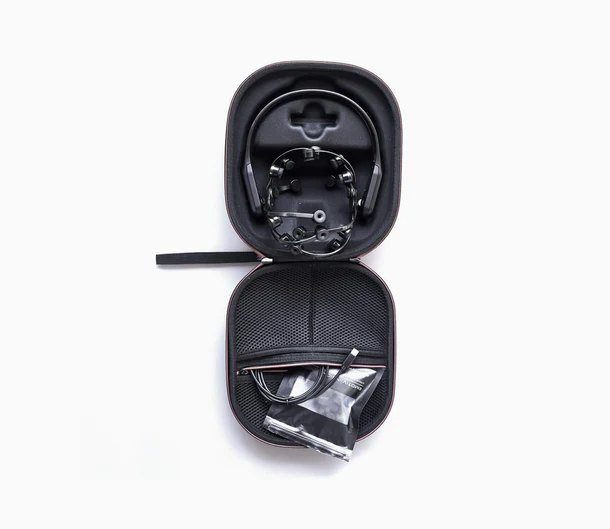
Best Portable EEG Systems to Buy in 2025
Emotiv
Updated on
Dec 8, 2025
Best Portable EEG Systems to Buy in 2025
Emotiv
Updated on
Dec 8, 2025
Best Portable EEG Systems to Buy in 2025
Emotiv
Updated on
Dec 8, 2025
EEG technology is no longer confined to traditional laboratories. Thanks to modern, wireless devices, you can now study brain activity in dynamic, real-world environments, opening up incredible new possibilities for discovery and innovation. Whether you’re a researcher, developer, or enthusiast, this shift makes brain data more accessible than ever before. This article will guide you through everything you need to know to get started. We’ll cover the essential hardware features, the software that turns signals into insights, and the practical challenges you might face, ensuring you’re fully prepared to buy a portable electroencephalography (EEG) system and begin your work.
Key Takeaways
Define Your Project First: The best EEG system is the one that fits your specific needs. Before getting lost in technical specs, clarify your main goal, whether it’s academic research, brain-computer interface (BCI) development, or personal use, as this will guide you to the right channel count and features.
Prioritize Usability and Software: A powerful headset is only useful if you can use it effectively. Look for a system with a comfortable, easy-to-set-up design and intuitive software, as these factors are just as important as channel count for collecting clean, reliable data.
Budget for the Entire Ecosystem: Your investment goes beyond the initial hardware cost. When planning your budget, remember to account for the complete package, including any software subscriptions, accessories, and the availability of customer support to ensure you have everything you need for your project.
What Should You Look For in a Portable EEG System?
Choosing the right portable EEG system can feel like a big decision, but it really comes down to what you want to achieve. Whether you’re conducting academic research, developing a brain-computer interface, or exploring cognitive wellness tools, the right device will make your work easier and more effective. To help you find the perfect fit, I’ve broken down the five key features you should consider before making a purchase. Thinking through these aspects will help you match a system’s capabilities with your specific project goals.
Channel Count and Signal Quality
The number of channels on an EEG headset determines how much data you can collect from different areas of the brain. A higher channel count, like the 32 channels available on our Emotiv Flex Saline headset, allows for a more detailed and spatially rich analysis of brain activity. For projects that require a comprehensive look at neural dynamics across the scalp, more channels are essential. However, for applications focused on specific brain responses, a device with fewer channels, like our 5-channel Emotiv Insight headset, can provide clean, targeted data without unnecessary complexity. The key is to match the channel count to the level of detail your work requires.
Wireless Connectivity and Mobility
One of the biggest advantages of modern EEG technology is its portability. Wireless systems free you from the constraints of a traditional lab, allowing you to study brain activity in more natural, real-world environments. This mobility is a game-changer for academic research and any study where participant movement is expected or even part of the experiment. When you’re not tethered to a computer, you can design more dynamic and engaging studies. Look for a system with reliable wireless connectivity that gives you the freedom to collect data wherever your research takes you.
Battery Life and Durability
When you’re in the middle of an important data collection session, the last thing you want is a dead battery. A long-lasting battery is crucial for uninterrupted research, especially for studies that span several hours. For example, our Emotiv Epoc X headset offers up to nine hours of use on a single charge, giving you plenty of time to run your experiments without interruption. Durability is also important. A well-built headset will withstand the rigors of regular use, whether you’re in a lab, a classroom, or out in the field, ensuring it remains a reliable tool for years to come.
Software Integration and Data Processing
The hardware is only half the story—the software is what turns raw EEG signals into meaningful insights. A great EEG system comes with intuitive software that simplifies data collection, analysis, and visualization. Our EmotivPRO software, for instance, lets you view real-time data streams, perform frequency analysis, and export your data for further processing. When evaluating a system, consider what software is included and whether it aligns with your technical skills and research needs. Good software integration makes the entire process, from setup to analysis, feel seamless and efficient.
Comfort and Ease of Setup
If a headset isn’t comfortable, participants won’t want to wear it for long, which can compromise your data. Look for a lightweight, ergonomic design that can be adjusted for a secure and comfortable fit. The setup process is just as important. A system that is quick and easy to prepare saves valuable time and reduces the chance of errors. Our headsets are designed for a streamlined setup—many just require a simple saline solution to ensure good conductivity. This ease of use makes the technology more accessible, allowing even those without a technical background to start collecting high-quality brain data quickly.
Which Portable EEG Systems Should You Consider?
Once you know what you’re looking for, it’s time to explore some of the systems available. The portable EEG market has options for different applications and budgets, from accessible two-channel earbuds to high-density, 32-channel research headsets. Understanding the key players and what makes their technology unique will help you narrow down your choices. Let’s look at a few popular systems to see how they stack up and what kind of work they’re best suited for.
Meet the Emotiv Family of EEG Devices
We designed our family of EEG devices to make brain research accessible to everyone. Our Emotiv Epoc X headset is a popular choice, offering a 14-channel wireless system that’s perfect for both professional researchers and BCI enthusiasts. It uses simple saline-soaked felt pads for its sensors, making setup quick and easy for any study. Emotiv Epoc X is known for measuring high-quality, reliable brain data. For those just starting out or needing a more streamlined setup, our Emotiv MN8 earbuds offer a 2-channel system for everyday use. For advanced academic work requiring higher density, our Emotiv Flex Saline headset provides 32 channels for more detailed brain activity measurement.
A Look at the mBrainTrain Smarting Series
mBrainTrain is another name you might come across in your search. They offer a range of portable EEG systems designed for versatile brain research. Their product line includes high-density systems like the Smarting Pro X, which has 64 channels and works with both Windows and Android devices. They also offer the Smarting Pro, a 32-channel mobile system that has even been used for research on the International Space Station. These systems are recognized for their signal quality and performance, making them a solid option for various research environments where precision is key.
Other Options on the Market
Beyond specific brands, it’s helpful to understand the technology that defines the market. Modern portable EEG systems are completely wireless, giving you the freedom to measure brain activity while a person is moving. This mobility is a game-changer for researchers, as it allows for the study of brain function in more natural, real-world scenarios instead of being limited to a stationary lab setup. This capability has expanded the potential applications of EEG, opening up new possibilities for academic research and education in fields like neurological studies and auditory processing. When you’re shopping, consider how mobility might factor into your own projects.
How Do the Brands Compare?
As you compare different systems, you’ll likely see the terms “portable” and “mobile.” It’s good to know that while all mobile EEG systems are portable, not all portable systems are truly mobile (meaning, designed for use during movement). EEG technology itself is non-invasive, safe, and generally more affordable than other neuroimaging methods, which is why it’s so widely used in research. Another major advantage is that the data acquisition time is relatively short. This efficiency is a huge plus for anyone looking to gather brain data without a lengthy or complicated setup, allowing you to focus more on your brain-computer interface project or study.
How Do Leading Portable EEG Systems Stack Up?
Once you have a few EEG systems in mind, the real work begins: comparing them side-by-side. This isn’t just about finding the device with the most channels or the lowest price tag. It’s about finding the right balance of technical capability, user-friendliness, data integrity, and overall value for your specific needs. EEG technology is known for being a non-invasive and safe way to gather brain data, but not all systems are created equal.
Choosing the right device means looking at the complete package. How quickly can you go from unboxing to collecting data? What does the data look like once you have it? And does the cost align with the quality and features you’re getting? Let’s break down how to evaluate these key areas so you can feel confident in your decision. We’ll look at the specs that matter, the importance of a smooth user experience, what to expect in terms of data quality, and how to find the best value for your budget.
Comparing the Technical Specs
When you first look at portable EEG systems, the technical specifications can feel a bit overwhelming. The most important spec to start with is the channel count. A device like our Emotiv Epoc X has 14 channels, which allows it to collect detailed brain data from multiple locations across the scalp. For more intensive research, a system like our 32-channel Emotiv Flex Saline provides even greater spatial resolution. On the other hand, a 2-channel device like our Emotiv MN8 is perfect for more focused applications where you need data from specific brain regions. Beyond channels, you’ll want to consider the sensor type—saline-based sensors are often quicker to set up than traditional gel-based ones, which is a huge plus for many users.
Ease of Setup and User Experience
A powerful EEG system isn’t very useful if it’s too complicated to set up and use. The best portable systems are designed for accessibility, allowing even inexperienced users to start collecting high-quality data quickly. Some systems on the market still require a trained technician, but many modern devices, including ours, are built with a streamlined user experience in mind. For example, our saline-based headsets are designed to reduce prep time significantly. Paired with intuitive software like the Emotiv App, which guides you through sensor connectivity and placement, you can get a reliable signal and start your session with minimal fuss. This focus on usability is crucial, especially for projects outside of a traditional lab setting.
A Look at Data Quality and Accuracy
A common question is whether a portable, affordable EEG system can deliver data that’s clean and accurate enough for serious work. The answer is a resounding yes. The key strength of EEG technology is its excellent temporal resolution, meaning it can measure changes in brain activity with millisecond precision. Studies have shown that a device like Emotiv Epoc X can produce brain signal readings comparable to much more expensive, research-grade systems. Of course, hardware is only half the equation. The quality of your data also depends on the software you use to analyze it. Our EmotivPRO software is designed to help you visualize, filter, and export your data, ensuring you can extract meaningful insights from every session.
Finding the Best Value for Your Budget
While portable EEG is relatively inexpensive compared to traditional lab equipment, it’s still a significant investment. Finding the best value isn’t just about finding the lowest price—it’s about what you get for your money. When evaluating cost, consider the entire ecosystem. Does the price include robust software for data analysis, or is that an extra subscription? What kind of customer support is available? Many of our customers feel that devices like Emotiv Epoc X offer incredible detail and accuracy for their price point. We believe true value comes from a combination of reliable hardware, powerful software, and a supportive community, which is why our systems are a popular choice for academic research and commercial projects alike.
How Much Should You Budget for a Portable EEG System?
Figuring out your budget is one of the first practical steps in choosing an EEG system. Prices can range from a few hundred dollars to several thousand, so it’s helpful to know what you can expect at different price points. The right budget for you depends entirely on your project’s goals, whether you’re just starting to explore brain data or conducting advanced academic research. Let’s break down the typical budget tiers to help you find a system that matches your needs without breaking the bank.
Entry-Level Options (Under $1,000)
If you’re new to EEG or working with a limited budget, you can find some excellent entry-level systems for under $1,000. These devices are perfect for students, independent developers, or anyone looking to get hands-on experience with brain-computer interfaces. While they may have fewer channels than pricier models, they provide a fantastic starting point for a wide range of applications. For example, our Emotiv Epoc X headset offers 14 channels and provides access to professional-grade brain data, making it a popular choice for both beginners and seasoned users who need a reliable, accessible device. This price range allows you to start your work without a massive upfront investment.
Professional-Grade Systems ($1,000-$2,500)
For more intensive research projects, you’ll likely want to look at systems in the $1,000 to $2,500 range. Devices in this tier are built for researchers and professionals who need robust and versatile equipment. You’ll find headsets with higher channel counts and more advanced sensor technology, suitable for detailed academic studies or neuromarketing applications. Companies like mBrainTrain offer portable systems in this category designed for use in various settings, from the lab to more natural, outdoor environments. This mid-range budget is often the sweet spot for university labs and commercial teams that require high-quality, dependable data for their work.
Advanced Research Equipment ($2,500+)
When your research demands the highest resolution and precision, you should expect to invest $2,500 or more. These advanced systems are designed for complex and specialized applications, such as clinical research or high-performance brain-computer interface development. In this tier, you’ll find high-density EEG systems, like our 32-channel Emotiv Flex Saline, which offers extensive scalp coverage for detailed source localization. This level of equipment is essential for researchers pushing the boundaries of neuroscience and uncovering subtle patterns in brain activity. While the investment is significant, the quality and depth of the data can be crucial for groundbreaking studies.
What Determines the Price? (And What to Watch For)
Several key factors influence the price of a portable EEG system. The number of channels is a primary driver—more channels generally mean a higher cost but also provide more detailed spatial information. The type of electrodes also plays a role. The shift from traditional wet electrodes to more convenient saline and dry options has made setup much faster. Also, consider the software. A headset is only part of the equation; the platform for data analysis is just as important. When you’re budgeting, look at the total package, including any subscription costs for software like EmotivPRO, which provides the tools you need to process and analyze your data.
What Common Challenges Can You Expect?
Diving into the world of portable EEG is exciting, but it’s smart to go in with your eyes open. Like any powerful technology, these systems come with a learning curve and a few common hurdles. Thinking about these challenges ahead of time will help you choose the right device and set yourself up for success from day one. Let’s walk through some of the typical issues you might encounter and how you can handle them.
How to Handle Signal Quality Issues
One of the first things you’ll learn about EEG is that clean data is everything. Because portable systems are designed for use in real-world settings, their signals can sometimes be affected by “artifacts”—electrical noise that isn’t coming from the brain. The key to getting good data is ensuring a solid connection between the sensors and your scalp. For systems with saline or gel-based electrodes, this means taking the time to properly prepare the sensors and ensure the headset fits snugly. A good fit minimizes the tiny movements that can create noise, giving you a clearer signal to work with. Our Emotiv Flex Saline headset, for example, uses felt pads that you soak in a saline solution for a reliable connection.
What Level of Technical Skill Is Needed?
You don’t need a PhD in neuroscience to use a portable EEG system, but the level of technical skill required can vary. Some systems are designed to be incredibly user-friendly, allowing you to get started right out of the box with intuitive software. For instance, the Emotiv App is designed for accessibility, letting you see data and use tools without a steep learning curve. Other systems, especially those geared toward advanced research or development, offer more complex software and customization options that require more technical expertise. Before you buy, think about your own comfort level and how much time you want to spend on setup versus actual data collection and analysis.
Minimizing Noise from Movement and Your Environment
Your body and your surroundings can be major sources of signal noise. Simple actions like blinking, clenching your jaw, or even small head movements can create electrical signals that are much stronger than your brain activity. Likewise, electronic devices like computers, fluorescent lights, and wall sockets can create environmental interference. The best way to manage this is to create a calm, controlled recording environment. Sit comfortably in a quiet room, relax your facial muscles, and try to minimize movement during sessions. Understanding these common challenges in EEG research is the first step toward collecting high-quality data.
How to Ensure Software and Hardware Compatibility
A great EEG headset is only one part of the equation; it needs to work seamlessly with its software to be useful. Before committing to a system, make sure its software ecosystem fits your needs. Do you need to export data in a specific format for analysis in another program? Are you a developer who needs access to an API or SDK to build a custom application? It’s crucial to verify that the hardware and software will work together to help you achieve your goals. We provide a comprehensive suite of software and a dedicated portal for developers to ensure you have the tools you need to integrate our hardware into your projects.
How Do You Choose the Right System for Your Work?
The best portable EEG system isn’t a one-size-fits-all solution. The right device for you depends entirely on what you plan to do with it. A system designed for a complex BCI project will have different strengths than one built for a quick neuromarketing study or personal use. Your specific application will determine the most important features, from the number of channels and data quality to software compatibility and ease of use. Let’s break down what to look for based on four common use cases, so you can find the perfect fit for your work.
For Academic Research
For academic research, your priorities are often data integrity, flexibility, and cost-effectiveness. EEG is a great fit because it’s a non-invasive and portable technology that allows for relatively quick data acquisition. You’ll want a system with a sufficient channel count to capture the brain activity relevant to your study, whether it’s cognitive neuroscience or clinical assessment. Look for devices that offer access to raw EEG data and are compatible with standard analysis software. Our Emotiv Epoc X and Emotiv Flex Saline headsets are popular choices in academia because they provide high-resolution data in a portable, user-friendly package, making them suitable for a wide range of research applications.
For Brain-Computer Interface Projects
When you’re building a brain-computer interface, your EEG system is the critical link between the user and the machine. The most important factor is the system’s ability to reliably measure brain control signals. This means you need to look closely at the technical specifications, including sampling rate and resolution. Just as important is the software ecosystem. A system with a robust software development kit (SDK) and API access, like our developer tools, will make it much easier to integrate the EEG data into your application. The Emotiv Insight and Emotiv Epoc X headsets are excellent for BCI work, offering a great balance of performance, portability, and developer support.
For Neuromarketing Studies
In neuromarketing, timing is everything. You need to measure a consumer’s authentic, millisecond-by-millisecond reaction to an ad, product, or experience. The key strength of EEG here is its incredible timing precision, which allows you to see brain activity as it happens. For these studies, you’ll need a system that is mobile and easy to set up in real-world environments, not just a lab. This allows you to gather data while participants perform natural tasks. Our Emotiv Epoc X headset, paired with the EmotivPRO software, is designed for this kind of work, providing synchronized data streams and event marking to pinpoint exact moments of engagement or emotional response.
For Accessing Cognitive Wellness Tools
If your goal is to access cognitive wellness tools, your focus should be on simplicity, comfort, and ease of use. You don’t need to be an expert to get started. Look for a system designed for everyday use, with features like automated guidance that help you get a good recording without extensive training. The device should be comfortable enough for regular sessions and pair with an intuitive application that helps you understand the data. Our Emotiv MN8 EEG earbuds are a great example—they are discreet, simple to use, and connect seamlessly with the Emotiv App to provide accessible insights into your brain activity.
Ready to Choose Your EEG System?
Making the final decision on an EEG system is a big step. You’re not just buying a piece of hardware; you’re investing in a tool that will fuel your research, power your projects, or provide access to cognitive wellness tools. To make sure you choose wisely, let’s walk through a final checklist of practical considerations that go beyond the technical specs. Thinking about these points now will save you headaches later and ensure your new system serves you well for years to come.
Your Pre-Purchase Checklist
Before you click “buy,” run through a quick mental checklist. Does the channel count match your project’s needs? Is the software intuitive for your skill level? Have you considered the comfort and setup time for your specific use case? Remember, one of the biggest advantages of modern EEG is that it’s a non-invasive and portable technology, making it accessible for a wide range of applications. Make sure the system you choose fully delivers on that promise of convenience and usability. A great way to double-check is to read user reviews or watch setup videos to get a real-world feel for the device.
Checking the Warranty and Support Options
Your relationship with a company doesn’t end at checkout. What happens if you run into a technical snag or have a question about your data? Look into the warranty and support options available. Does the company offer direct customer support, a community forum, or detailed documentation? A strong support system is crucial, especially when you’re working on time-sensitive projects. Having reliable customer support can make a huge difference in your experience and ensure you get the most out of your investment. Don’t overlook this—it’s a key part of the overall value.
Choosing a System That Will Last
You want a system that not only works today but will also adapt to your needs tomorrow. Consider the device’s durability and the company’s commitment to innovation. Traditional academic EEG research often involves logistical complexity, which is why modern, robust hardware is so important. Look for a system built with quality materials that can handle regular use. Also, consider the company’s track record. Do they regularly update their software and firmware? Choosing a system from an innovative company means you’re more likely to get access to new features and improvements over the life of your device, making it a smarter long-term investment in your work.
Related Articles
Frequently Asked Questions
Do I really need a headset with a lot of channels? Not necessarily. The right number of channels depends entirely on your project. If you’re doing complex academic research that requires you to pinpoint where brain activity is coming from, a high-density headset like our 32-channel Emotiv Flex Saline is essential. But for many BCI projects, neuromarketing studies, or cognitive wellness applications, a device with fewer channels, like our 14-channel Emotiv Epoc X, provides more than enough high-quality data to achieve your goals. It’s about matching the tool to the task.
How difficult is it to get a clean signal, especially outside of a lab? Getting a clean signal is a skill, but it’s one that’s easy to learn. The most important factors are ensuring the headset fits snugly and that the sensors make good contact with your scalp. Our saline-based systems are designed to make this process quick and straightforward. You’ll also want to be in a relatively quiet environment, away from other electronics, and try to relax your facial muscles to minimize noise from blinking or jaw clenching. With a little practice, you’ll be able to get a great signal in almost any setting.
Is the data from a portable EEG system accurate enough for serious research? Absolutely. The key advantage of EEG technology is its excellent temporal resolution, which means it can measure brain activity with millisecond precision. Studies have shown that high-quality portable systems can produce brain signal readings comparable to larger, more expensive lab-based equipment. The hardware provides the raw data, and powerful software like our EmotivPRO gives you the tools to filter, analyze, and turn that data into meaningful scientific insights.
What’s the difference between the software options like the Emotiv App and EmotivPRO? Think of them as two different toolkits for different jobs. The Emotiv App is designed for accessibility and everyday use. It has a user-friendly interface that guides you through setup and helps you interact with your brain data in an intuitive way. EmotivPRO, on the other hand, is our professional-grade software for researchers and developers. It gives you full access to the raw data streams, advanced analysis tools, and the ability to export your data for use in other programs, offering the depth required for serious scientific work.
How long does a typical setup take before I can start collecting data? One of the best things about modern portable systems is how quickly you can get started. With a saline-based headset like Emotiv Epoc X, a first-time user might spend about 10 to 15 minutes getting the sensors prepared and checking the signal quality in the software. Once you get the hang of it, you can easily be up and running in just a few minutes. This speed and simplicity mean you can spend less time on preparation and more time on your actual project.
EEG technology is no longer confined to traditional laboratories. Thanks to modern, wireless devices, you can now study brain activity in dynamic, real-world environments, opening up incredible new possibilities for discovery and innovation. Whether you’re a researcher, developer, or enthusiast, this shift makes brain data more accessible than ever before. This article will guide you through everything you need to know to get started. We’ll cover the essential hardware features, the software that turns signals into insights, and the practical challenges you might face, ensuring you’re fully prepared to buy a portable electroencephalography (EEG) system and begin your work.
Key Takeaways
Define Your Project First: The best EEG system is the one that fits your specific needs. Before getting lost in technical specs, clarify your main goal, whether it’s academic research, brain-computer interface (BCI) development, or personal use, as this will guide you to the right channel count and features.
Prioritize Usability and Software: A powerful headset is only useful if you can use it effectively. Look for a system with a comfortable, easy-to-set-up design and intuitive software, as these factors are just as important as channel count for collecting clean, reliable data.
Budget for the Entire Ecosystem: Your investment goes beyond the initial hardware cost. When planning your budget, remember to account for the complete package, including any software subscriptions, accessories, and the availability of customer support to ensure you have everything you need for your project.
What Should You Look For in a Portable EEG System?
Choosing the right portable EEG system can feel like a big decision, but it really comes down to what you want to achieve. Whether you’re conducting academic research, developing a brain-computer interface, or exploring cognitive wellness tools, the right device will make your work easier and more effective. To help you find the perfect fit, I’ve broken down the five key features you should consider before making a purchase. Thinking through these aspects will help you match a system’s capabilities with your specific project goals.
Channel Count and Signal Quality
The number of channels on an EEG headset determines how much data you can collect from different areas of the brain. A higher channel count, like the 32 channels available on our Emotiv Flex Saline headset, allows for a more detailed and spatially rich analysis of brain activity. For projects that require a comprehensive look at neural dynamics across the scalp, more channels are essential. However, for applications focused on specific brain responses, a device with fewer channels, like our 5-channel Emotiv Insight headset, can provide clean, targeted data without unnecessary complexity. The key is to match the channel count to the level of detail your work requires.
Wireless Connectivity and Mobility
One of the biggest advantages of modern EEG technology is its portability. Wireless systems free you from the constraints of a traditional lab, allowing you to study brain activity in more natural, real-world environments. This mobility is a game-changer for academic research and any study where participant movement is expected or even part of the experiment. When you’re not tethered to a computer, you can design more dynamic and engaging studies. Look for a system with reliable wireless connectivity that gives you the freedom to collect data wherever your research takes you.
Battery Life and Durability
When you’re in the middle of an important data collection session, the last thing you want is a dead battery. A long-lasting battery is crucial for uninterrupted research, especially for studies that span several hours. For example, our Emotiv Epoc X headset offers up to nine hours of use on a single charge, giving you plenty of time to run your experiments without interruption. Durability is also important. A well-built headset will withstand the rigors of regular use, whether you’re in a lab, a classroom, or out in the field, ensuring it remains a reliable tool for years to come.
Software Integration and Data Processing
The hardware is only half the story—the software is what turns raw EEG signals into meaningful insights. A great EEG system comes with intuitive software that simplifies data collection, analysis, and visualization. Our EmotivPRO software, for instance, lets you view real-time data streams, perform frequency analysis, and export your data for further processing. When evaluating a system, consider what software is included and whether it aligns with your technical skills and research needs. Good software integration makes the entire process, from setup to analysis, feel seamless and efficient.
Comfort and Ease of Setup
If a headset isn’t comfortable, participants won’t want to wear it for long, which can compromise your data. Look for a lightweight, ergonomic design that can be adjusted for a secure and comfortable fit. The setup process is just as important. A system that is quick and easy to prepare saves valuable time and reduces the chance of errors. Our headsets are designed for a streamlined setup—many just require a simple saline solution to ensure good conductivity. This ease of use makes the technology more accessible, allowing even those without a technical background to start collecting high-quality brain data quickly.
Which Portable EEG Systems Should You Consider?
Once you know what you’re looking for, it’s time to explore some of the systems available. The portable EEG market has options for different applications and budgets, from accessible two-channel earbuds to high-density, 32-channel research headsets. Understanding the key players and what makes their technology unique will help you narrow down your choices. Let’s look at a few popular systems to see how they stack up and what kind of work they’re best suited for.
Meet the Emotiv Family of EEG Devices
We designed our family of EEG devices to make brain research accessible to everyone. Our Emotiv Epoc X headset is a popular choice, offering a 14-channel wireless system that’s perfect for both professional researchers and BCI enthusiasts. It uses simple saline-soaked felt pads for its sensors, making setup quick and easy for any study. Emotiv Epoc X is known for measuring high-quality, reliable brain data. For those just starting out or needing a more streamlined setup, our Emotiv MN8 earbuds offer a 2-channel system for everyday use. For advanced academic work requiring higher density, our Emotiv Flex Saline headset provides 32 channels for more detailed brain activity measurement.
A Look at the mBrainTrain Smarting Series
mBrainTrain is another name you might come across in your search. They offer a range of portable EEG systems designed for versatile brain research. Their product line includes high-density systems like the Smarting Pro X, which has 64 channels and works with both Windows and Android devices. They also offer the Smarting Pro, a 32-channel mobile system that has even been used for research on the International Space Station. These systems are recognized for their signal quality and performance, making them a solid option for various research environments where precision is key.
Other Options on the Market
Beyond specific brands, it’s helpful to understand the technology that defines the market. Modern portable EEG systems are completely wireless, giving you the freedom to measure brain activity while a person is moving. This mobility is a game-changer for researchers, as it allows for the study of brain function in more natural, real-world scenarios instead of being limited to a stationary lab setup. This capability has expanded the potential applications of EEG, opening up new possibilities for academic research and education in fields like neurological studies and auditory processing. When you’re shopping, consider how mobility might factor into your own projects.
How Do the Brands Compare?
As you compare different systems, you’ll likely see the terms “portable” and “mobile.” It’s good to know that while all mobile EEG systems are portable, not all portable systems are truly mobile (meaning, designed for use during movement). EEG technology itself is non-invasive, safe, and generally more affordable than other neuroimaging methods, which is why it’s so widely used in research. Another major advantage is that the data acquisition time is relatively short. This efficiency is a huge plus for anyone looking to gather brain data without a lengthy or complicated setup, allowing you to focus more on your brain-computer interface project or study.
How Do Leading Portable EEG Systems Stack Up?
Once you have a few EEG systems in mind, the real work begins: comparing them side-by-side. This isn’t just about finding the device with the most channels or the lowest price tag. It’s about finding the right balance of technical capability, user-friendliness, data integrity, and overall value for your specific needs. EEG technology is known for being a non-invasive and safe way to gather brain data, but not all systems are created equal.
Choosing the right device means looking at the complete package. How quickly can you go from unboxing to collecting data? What does the data look like once you have it? And does the cost align with the quality and features you’re getting? Let’s break down how to evaluate these key areas so you can feel confident in your decision. We’ll look at the specs that matter, the importance of a smooth user experience, what to expect in terms of data quality, and how to find the best value for your budget.
Comparing the Technical Specs
When you first look at portable EEG systems, the technical specifications can feel a bit overwhelming. The most important spec to start with is the channel count. A device like our Emotiv Epoc X has 14 channels, which allows it to collect detailed brain data from multiple locations across the scalp. For more intensive research, a system like our 32-channel Emotiv Flex Saline provides even greater spatial resolution. On the other hand, a 2-channel device like our Emotiv MN8 is perfect for more focused applications where you need data from specific brain regions. Beyond channels, you’ll want to consider the sensor type—saline-based sensors are often quicker to set up than traditional gel-based ones, which is a huge plus for many users.
Ease of Setup and User Experience
A powerful EEG system isn’t very useful if it’s too complicated to set up and use. The best portable systems are designed for accessibility, allowing even inexperienced users to start collecting high-quality data quickly. Some systems on the market still require a trained technician, but many modern devices, including ours, are built with a streamlined user experience in mind. For example, our saline-based headsets are designed to reduce prep time significantly. Paired with intuitive software like the Emotiv App, which guides you through sensor connectivity and placement, you can get a reliable signal and start your session with minimal fuss. This focus on usability is crucial, especially for projects outside of a traditional lab setting.
A Look at Data Quality and Accuracy
A common question is whether a portable, affordable EEG system can deliver data that’s clean and accurate enough for serious work. The answer is a resounding yes. The key strength of EEG technology is its excellent temporal resolution, meaning it can measure changes in brain activity with millisecond precision. Studies have shown that a device like Emotiv Epoc X can produce brain signal readings comparable to much more expensive, research-grade systems. Of course, hardware is only half the equation. The quality of your data also depends on the software you use to analyze it. Our EmotivPRO software is designed to help you visualize, filter, and export your data, ensuring you can extract meaningful insights from every session.
Finding the Best Value for Your Budget
While portable EEG is relatively inexpensive compared to traditional lab equipment, it’s still a significant investment. Finding the best value isn’t just about finding the lowest price—it’s about what you get for your money. When evaluating cost, consider the entire ecosystem. Does the price include robust software for data analysis, or is that an extra subscription? What kind of customer support is available? Many of our customers feel that devices like Emotiv Epoc X offer incredible detail and accuracy for their price point. We believe true value comes from a combination of reliable hardware, powerful software, and a supportive community, which is why our systems are a popular choice for academic research and commercial projects alike.
How Much Should You Budget for a Portable EEG System?
Figuring out your budget is one of the first practical steps in choosing an EEG system. Prices can range from a few hundred dollars to several thousand, so it’s helpful to know what you can expect at different price points. The right budget for you depends entirely on your project’s goals, whether you’re just starting to explore brain data or conducting advanced academic research. Let’s break down the typical budget tiers to help you find a system that matches your needs without breaking the bank.
Entry-Level Options (Under $1,000)
If you’re new to EEG or working with a limited budget, you can find some excellent entry-level systems for under $1,000. These devices are perfect for students, independent developers, or anyone looking to get hands-on experience with brain-computer interfaces. While they may have fewer channels than pricier models, they provide a fantastic starting point for a wide range of applications. For example, our Emotiv Epoc X headset offers 14 channels and provides access to professional-grade brain data, making it a popular choice for both beginners and seasoned users who need a reliable, accessible device. This price range allows you to start your work without a massive upfront investment.
Professional-Grade Systems ($1,000-$2,500)
For more intensive research projects, you’ll likely want to look at systems in the $1,000 to $2,500 range. Devices in this tier are built for researchers and professionals who need robust and versatile equipment. You’ll find headsets with higher channel counts and more advanced sensor technology, suitable for detailed academic studies or neuromarketing applications. Companies like mBrainTrain offer portable systems in this category designed for use in various settings, from the lab to more natural, outdoor environments. This mid-range budget is often the sweet spot for university labs and commercial teams that require high-quality, dependable data for their work.
Advanced Research Equipment ($2,500+)
When your research demands the highest resolution and precision, you should expect to invest $2,500 or more. These advanced systems are designed for complex and specialized applications, such as clinical research or high-performance brain-computer interface development. In this tier, you’ll find high-density EEG systems, like our 32-channel Emotiv Flex Saline, which offers extensive scalp coverage for detailed source localization. This level of equipment is essential for researchers pushing the boundaries of neuroscience and uncovering subtle patterns in brain activity. While the investment is significant, the quality and depth of the data can be crucial for groundbreaking studies.
What Determines the Price? (And What to Watch For)
Several key factors influence the price of a portable EEG system. The number of channels is a primary driver—more channels generally mean a higher cost but also provide more detailed spatial information. The type of electrodes also plays a role. The shift from traditional wet electrodes to more convenient saline and dry options has made setup much faster. Also, consider the software. A headset is only part of the equation; the platform for data analysis is just as important. When you’re budgeting, look at the total package, including any subscription costs for software like EmotivPRO, which provides the tools you need to process and analyze your data.
What Common Challenges Can You Expect?
Diving into the world of portable EEG is exciting, but it’s smart to go in with your eyes open. Like any powerful technology, these systems come with a learning curve and a few common hurdles. Thinking about these challenges ahead of time will help you choose the right device and set yourself up for success from day one. Let’s walk through some of the typical issues you might encounter and how you can handle them.
How to Handle Signal Quality Issues
One of the first things you’ll learn about EEG is that clean data is everything. Because portable systems are designed for use in real-world settings, their signals can sometimes be affected by “artifacts”—electrical noise that isn’t coming from the brain. The key to getting good data is ensuring a solid connection between the sensors and your scalp. For systems with saline or gel-based electrodes, this means taking the time to properly prepare the sensors and ensure the headset fits snugly. A good fit minimizes the tiny movements that can create noise, giving you a clearer signal to work with. Our Emotiv Flex Saline headset, for example, uses felt pads that you soak in a saline solution for a reliable connection.
What Level of Technical Skill Is Needed?
You don’t need a PhD in neuroscience to use a portable EEG system, but the level of technical skill required can vary. Some systems are designed to be incredibly user-friendly, allowing you to get started right out of the box with intuitive software. For instance, the Emotiv App is designed for accessibility, letting you see data and use tools without a steep learning curve. Other systems, especially those geared toward advanced research or development, offer more complex software and customization options that require more technical expertise. Before you buy, think about your own comfort level and how much time you want to spend on setup versus actual data collection and analysis.
Minimizing Noise from Movement and Your Environment
Your body and your surroundings can be major sources of signal noise. Simple actions like blinking, clenching your jaw, or even small head movements can create electrical signals that are much stronger than your brain activity. Likewise, electronic devices like computers, fluorescent lights, and wall sockets can create environmental interference. The best way to manage this is to create a calm, controlled recording environment. Sit comfortably in a quiet room, relax your facial muscles, and try to minimize movement during sessions. Understanding these common challenges in EEG research is the first step toward collecting high-quality data.
How to Ensure Software and Hardware Compatibility
A great EEG headset is only one part of the equation; it needs to work seamlessly with its software to be useful. Before committing to a system, make sure its software ecosystem fits your needs. Do you need to export data in a specific format for analysis in another program? Are you a developer who needs access to an API or SDK to build a custom application? It’s crucial to verify that the hardware and software will work together to help you achieve your goals. We provide a comprehensive suite of software and a dedicated portal for developers to ensure you have the tools you need to integrate our hardware into your projects.
How Do You Choose the Right System for Your Work?
The best portable EEG system isn’t a one-size-fits-all solution. The right device for you depends entirely on what you plan to do with it. A system designed for a complex BCI project will have different strengths than one built for a quick neuromarketing study or personal use. Your specific application will determine the most important features, from the number of channels and data quality to software compatibility and ease of use. Let’s break down what to look for based on four common use cases, so you can find the perfect fit for your work.
For Academic Research
For academic research, your priorities are often data integrity, flexibility, and cost-effectiveness. EEG is a great fit because it’s a non-invasive and portable technology that allows for relatively quick data acquisition. You’ll want a system with a sufficient channel count to capture the brain activity relevant to your study, whether it’s cognitive neuroscience or clinical assessment. Look for devices that offer access to raw EEG data and are compatible with standard analysis software. Our Emotiv Epoc X and Emotiv Flex Saline headsets are popular choices in academia because they provide high-resolution data in a portable, user-friendly package, making them suitable for a wide range of research applications.
For Brain-Computer Interface Projects
When you’re building a brain-computer interface, your EEG system is the critical link between the user and the machine. The most important factor is the system’s ability to reliably measure brain control signals. This means you need to look closely at the technical specifications, including sampling rate and resolution. Just as important is the software ecosystem. A system with a robust software development kit (SDK) and API access, like our developer tools, will make it much easier to integrate the EEG data into your application. The Emotiv Insight and Emotiv Epoc X headsets are excellent for BCI work, offering a great balance of performance, portability, and developer support.
For Neuromarketing Studies
In neuromarketing, timing is everything. You need to measure a consumer’s authentic, millisecond-by-millisecond reaction to an ad, product, or experience. The key strength of EEG here is its incredible timing precision, which allows you to see brain activity as it happens. For these studies, you’ll need a system that is mobile and easy to set up in real-world environments, not just a lab. This allows you to gather data while participants perform natural tasks. Our Emotiv Epoc X headset, paired with the EmotivPRO software, is designed for this kind of work, providing synchronized data streams and event marking to pinpoint exact moments of engagement or emotional response.
For Accessing Cognitive Wellness Tools
If your goal is to access cognitive wellness tools, your focus should be on simplicity, comfort, and ease of use. You don’t need to be an expert to get started. Look for a system designed for everyday use, with features like automated guidance that help you get a good recording without extensive training. The device should be comfortable enough for regular sessions and pair with an intuitive application that helps you understand the data. Our Emotiv MN8 EEG earbuds are a great example—they are discreet, simple to use, and connect seamlessly with the Emotiv App to provide accessible insights into your brain activity.
Ready to Choose Your EEG System?
Making the final decision on an EEG system is a big step. You’re not just buying a piece of hardware; you’re investing in a tool that will fuel your research, power your projects, or provide access to cognitive wellness tools. To make sure you choose wisely, let’s walk through a final checklist of practical considerations that go beyond the technical specs. Thinking about these points now will save you headaches later and ensure your new system serves you well for years to come.
Your Pre-Purchase Checklist
Before you click “buy,” run through a quick mental checklist. Does the channel count match your project’s needs? Is the software intuitive for your skill level? Have you considered the comfort and setup time for your specific use case? Remember, one of the biggest advantages of modern EEG is that it’s a non-invasive and portable technology, making it accessible for a wide range of applications. Make sure the system you choose fully delivers on that promise of convenience and usability. A great way to double-check is to read user reviews or watch setup videos to get a real-world feel for the device.
Checking the Warranty and Support Options
Your relationship with a company doesn’t end at checkout. What happens if you run into a technical snag or have a question about your data? Look into the warranty and support options available. Does the company offer direct customer support, a community forum, or detailed documentation? A strong support system is crucial, especially when you’re working on time-sensitive projects. Having reliable customer support can make a huge difference in your experience and ensure you get the most out of your investment. Don’t overlook this—it’s a key part of the overall value.
Choosing a System That Will Last
You want a system that not only works today but will also adapt to your needs tomorrow. Consider the device’s durability and the company’s commitment to innovation. Traditional academic EEG research often involves logistical complexity, which is why modern, robust hardware is so important. Look for a system built with quality materials that can handle regular use. Also, consider the company’s track record. Do they regularly update their software and firmware? Choosing a system from an innovative company means you’re more likely to get access to new features and improvements over the life of your device, making it a smarter long-term investment in your work.
Related Articles
Frequently Asked Questions
Do I really need a headset with a lot of channels? Not necessarily. The right number of channels depends entirely on your project. If you’re doing complex academic research that requires you to pinpoint where brain activity is coming from, a high-density headset like our 32-channel Emotiv Flex Saline is essential. But for many BCI projects, neuromarketing studies, or cognitive wellness applications, a device with fewer channels, like our 14-channel Emotiv Epoc X, provides more than enough high-quality data to achieve your goals. It’s about matching the tool to the task.
How difficult is it to get a clean signal, especially outside of a lab? Getting a clean signal is a skill, but it’s one that’s easy to learn. The most important factors are ensuring the headset fits snugly and that the sensors make good contact with your scalp. Our saline-based systems are designed to make this process quick and straightforward. You’ll also want to be in a relatively quiet environment, away from other electronics, and try to relax your facial muscles to minimize noise from blinking or jaw clenching. With a little practice, you’ll be able to get a great signal in almost any setting.
Is the data from a portable EEG system accurate enough for serious research? Absolutely. The key advantage of EEG technology is its excellent temporal resolution, which means it can measure brain activity with millisecond precision. Studies have shown that high-quality portable systems can produce brain signal readings comparable to larger, more expensive lab-based equipment. The hardware provides the raw data, and powerful software like our EmotivPRO gives you the tools to filter, analyze, and turn that data into meaningful scientific insights.
What’s the difference between the software options like the Emotiv App and EmotivPRO? Think of them as two different toolkits for different jobs. The Emotiv App is designed for accessibility and everyday use. It has a user-friendly interface that guides you through setup and helps you interact with your brain data in an intuitive way. EmotivPRO, on the other hand, is our professional-grade software for researchers and developers. It gives you full access to the raw data streams, advanced analysis tools, and the ability to export your data for use in other programs, offering the depth required for serious scientific work.
How long does a typical setup take before I can start collecting data? One of the best things about modern portable systems is how quickly you can get started. With a saline-based headset like Emotiv Epoc X, a first-time user might spend about 10 to 15 minutes getting the sensors prepared and checking the signal quality in the software. Once you get the hang of it, you can easily be up and running in just a few minutes. This speed and simplicity mean you can spend less time on preparation and more time on your actual project.
EEG technology is no longer confined to traditional laboratories. Thanks to modern, wireless devices, you can now study brain activity in dynamic, real-world environments, opening up incredible new possibilities for discovery and innovation. Whether you’re a researcher, developer, or enthusiast, this shift makes brain data more accessible than ever before. This article will guide you through everything you need to know to get started. We’ll cover the essential hardware features, the software that turns signals into insights, and the practical challenges you might face, ensuring you’re fully prepared to buy a portable electroencephalography (EEG) system and begin your work.
Key Takeaways
Define Your Project First: The best EEG system is the one that fits your specific needs. Before getting lost in technical specs, clarify your main goal, whether it’s academic research, brain-computer interface (BCI) development, or personal use, as this will guide you to the right channel count and features.
Prioritize Usability and Software: A powerful headset is only useful if you can use it effectively. Look for a system with a comfortable, easy-to-set-up design and intuitive software, as these factors are just as important as channel count for collecting clean, reliable data.
Budget for the Entire Ecosystem: Your investment goes beyond the initial hardware cost. When planning your budget, remember to account for the complete package, including any software subscriptions, accessories, and the availability of customer support to ensure you have everything you need for your project.
What Should You Look For in a Portable EEG System?
Choosing the right portable EEG system can feel like a big decision, but it really comes down to what you want to achieve. Whether you’re conducting academic research, developing a brain-computer interface, or exploring cognitive wellness tools, the right device will make your work easier and more effective. To help you find the perfect fit, I’ve broken down the five key features you should consider before making a purchase. Thinking through these aspects will help you match a system’s capabilities with your specific project goals.
Channel Count and Signal Quality
The number of channels on an EEG headset determines how much data you can collect from different areas of the brain. A higher channel count, like the 32 channels available on our Emotiv Flex Saline headset, allows for a more detailed and spatially rich analysis of brain activity. For projects that require a comprehensive look at neural dynamics across the scalp, more channels are essential. However, for applications focused on specific brain responses, a device with fewer channels, like our 5-channel Emotiv Insight headset, can provide clean, targeted data without unnecessary complexity. The key is to match the channel count to the level of detail your work requires.
Wireless Connectivity and Mobility
One of the biggest advantages of modern EEG technology is its portability. Wireless systems free you from the constraints of a traditional lab, allowing you to study brain activity in more natural, real-world environments. This mobility is a game-changer for academic research and any study where participant movement is expected or even part of the experiment. When you’re not tethered to a computer, you can design more dynamic and engaging studies. Look for a system with reliable wireless connectivity that gives you the freedom to collect data wherever your research takes you.
Battery Life and Durability
When you’re in the middle of an important data collection session, the last thing you want is a dead battery. A long-lasting battery is crucial for uninterrupted research, especially for studies that span several hours. For example, our Emotiv Epoc X headset offers up to nine hours of use on a single charge, giving you plenty of time to run your experiments without interruption. Durability is also important. A well-built headset will withstand the rigors of regular use, whether you’re in a lab, a classroom, or out in the field, ensuring it remains a reliable tool for years to come.
Software Integration and Data Processing
The hardware is only half the story—the software is what turns raw EEG signals into meaningful insights. A great EEG system comes with intuitive software that simplifies data collection, analysis, and visualization. Our EmotivPRO software, for instance, lets you view real-time data streams, perform frequency analysis, and export your data for further processing. When evaluating a system, consider what software is included and whether it aligns with your technical skills and research needs. Good software integration makes the entire process, from setup to analysis, feel seamless and efficient.
Comfort and Ease of Setup
If a headset isn’t comfortable, participants won’t want to wear it for long, which can compromise your data. Look for a lightweight, ergonomic design that can be adjusted for a secure and comfortable fit. The setup process is just as important. A system that is quick and easy to prepare saves valuable time and reduces the chance of errors. Our headsets are designed for a streamlined setup—many just require a simple saline solution to ensure good conductivity. This ease of use makes the technology more accessible, allowing even those without a technical background to start collecting high-quality brain data quickly.
Which Portable EEG Systems Should You Consider?
Once you know what you’re looking for, it’s time to explore some of the systems available. The portable EEG market has options for different applications and budgets, from accessible two-channel earbuds to high-density, 32-channel research headsets. Understanding the key players and what makes their technology unique will help you narrow down your choices. Let’s look at a few popular systems to see how they stack up and what kind of work they’re best suited for.
Meet the Emotiv Family of EEG Devices
We designed our family of EEG devices to make brain research accessible to everyone. Our Emotiv Epoc X headset is a popular choice, offering a 14-channel wireless system that’s perfect for both professional researchers and BCI enthusiasts. It uses simple saline-soaked felt pads for its sensors, making setup quick and easy for any study. Emotiv Epoc X is known for measuring high-quality, reliable brain data. For those just starting out or needing a more streamlined setup, our Emotiv MN8 earbuds offer a 2-channel system for everyday use. For advanced academic work requiring higher density, our Emotiv Flex Saline headset provides 32 channels for more detailed brain activity measurement.
A Look at the mBrainTrain Smarting Series
mBrainTrain is another name you might come across in your search. They offer a range of portable EEG systems designed for versatile brain research. Their product line includes high-density systems like the Smarting Pro X, which has 64 channels and works with both Windows and Android devices. They also offer the Smarting Pro, a 32-channel mobile system that has even been used for research on the International Space Station. These systems are recognized for their signal quality and performance, making them a solid option for various research environments where precision is key.
Other Options on the Market
Beyond specific brands, it’s helpful to understand the technology that defines the market. Modern portable EEG systems are completely wireless, giving you the freedom to measure brain activity while a person is moving. This mobility is a game-changer for researchers, as it allows for the study of brain function in more natural, real-world scenarios instead of being limited to a stationary lab setup. This capability has expanded the potential applications of EEG, opening up new possibilities for academic research and education in fields like neurological studies and auditory processing. When you’re shopping, consider how mobility might factor into your own projects.
How Do the Brands Compare?
As you compare different systems, you’ll likely see the terms “portable” and “mobile.” It’s good to know that while all mobile EEG systems are portable, not all portable systems are truly mobile (meaning, designed for use during movement). EEG technology itself is non-invasive, safe, and generally more affordable than other neuroimaging methods, which is why it’s so widely used in research. Another major advantage is that the data acquisition time is relatively short. This efficiency is a huge plus for anyone looking to gather brain data without a lengthy or complicated setup, allowing you to focus more on your brain-computer interface project or study.
How Do Leading Portable EEG Systems Stack Up?
Once you have a few EEG systems in mind, the real work begins: comparing them side-by-side. This isn’t just about finding the device with the most channels or the lowest price tag. It’s about finding the right balance of technical capability, user-friendliness, data integrity, and overall value for your specific needs. EEG technology is known for being a non-invasive and safe way to gather brain data, but not all systems are created equal.
Choosing the right device means looking at the complete package. How quickly can you go from unboxing to collecting data? What does the data look like once you have it? And does the cost align with the quality and features you’re getting? Let’s break down how to evaluate these key areas so you can feel confident in your decision. We’ll look at the specs that matter, the importance of a smooth user experience, what to expect in terms of data quality, and how to find the best value for your budget.
Comparing the Technical Specs
When you first look at portable EEG systems, the technical specifications can feel a bit overwhelming. The most important spec to start with is the channel count. A device like our Emotiv Epoc X has 14 channels, which allows it to collect detailed brain data from multiple locations across the scalp. For more intensive research, a system like our 32-channel Emotiv Flex Saline provides even greater spatial resolution. On the other hand, a 2-channel device like our Emotiv MN8 is perfect for more focused applications where you need data from specific brain regions. Beyond channels, you’ll want to consider the sensor type—saline-based sensors are often quicker to set up than traditional gel-based ones, which is a huge plus for many users.
Ease of Setup and User Experience
A powerful EEG system isn’t very useful if it’s too complicated to set up and use. The best portable systems are designed for accessibility, allowing even inexperienced users to start collecting high-quality data quickly. Some systems on the market still require a trained technician, but many modern devices, including ours, are built with a streamlined user experience in mind. For example, our saline-based headsets are designed to reduce prep time significantly. Paired with intuitive software like the Emotiv App, which guides you through sensor connectivity and placement, you can get a reliable signal and start your session with minimal fuss. This focus on usability is crucial, especially for projects outside of a traditional lab setting.
A Look at Data Quality and Accuracy
A common question is whether a portable, affordable EEG system can deliver data that’s clean and accurate enough for serious work. The answer is a resounding yes. The key strength of EEG technology is its excellent temporal resolution, meaning it can measure changes in brain activity with millisecond precision. Studies have shown that a device like Emotiv Epoc X can produce brain signal readings comparable to much more expensive, research-grade systems. Of course, hardware is only half the equation. The quality of your data also depends on the software you use to analyze it. Our EmotivPRO software is designed to help you visualize, filter, and export your data, ensuring you can extract meaningful insights from every session.
Finding the Best Value for Your Budget
While portable EEG is relatively inexpensive compared to traditional lab equipment, it’s still a significant investment. Finding the best value isn’t just about finding the lowest price—it’s about what you get for your money. When evaluating cost, consider the entire ecosystem. Does the price include robust software for data analysis, or is that an extra subscription? What kind of customer support is available? Many of our customers feel that devices like Emotiv Epoc X offer incredible detail and accuracy for their price point. We believe true value comes from a combination of reliable hardware, powerful software, and a supportive community, which is why our systems are a popular choice for academic research and commercial projects alike.
How Much Should You Budget for a Portable EEG System?
Figuring out your budget is one of the first practical steps in choosing an EEG system. Prices can range from a few hundred dollars to several thousand, so it’s helpful to know what you can expect at different price points. The right budget for you depends entirely on your project’s goals, whether you’re just starting to explore brain data or conducting advanced academic research. Let’s break down the typical budget tiers to help you find a system that matches your needs without breaking the bank.
Entry-Level Options (Under $1,000)
If you’re new to EEG or working with a limited budget, you can find some excellent entry-level systems for under $1,000. These devices are perfect for students, independent developers, or anyone looking to get hands-on experience with brain-computer interfaces. While they may have fewer channels than pricier models, they provide a fantastic starting point for a wide range of applications. For example, our Emotiv Epoc X headset offers 14 channels and provides access to professional-grade brain data, making it a popular choice for both beginners and seasoned users who need a reliable, accessible device. This price range allows you to start your work without a massive upfront investment.
Professional-Grade Systems ($1,000-$2,500)
For more intensive research projects, you’ll likely want to look at systems in the $1,000 to $2,500 range. Devices in this tier are built for researchers and professionals who need robust and versatile equipment. You’ll find headsets with higher channel counts and more advanced sensor technology, suitable for detailed academic studies or neuromarketing applications. Companies like mBrainTrain offer portable systems in this category designed for use in various settings, from the lab to more natural, outdoor environments. This mid-range budget is often the sweet spot for university labs and commercial teams that require high-quality, dependable data for their work.
Advanced Research Equipment ($2,500+)
When your research demands the highest resolution and precision, you should expect to invest $2,500 or more. These advanced systems are designed for complex and specialized applications, such as clinical research or high-performance brain-computer interface development. In this tier, you’ll find high-density EEG systems, like our 32-channel Emotiv Flex Saline, which offers extensive scalp coverage for detailed source localization. This level of equipment is essential for researchers pushing the boundaries of neuroscience and uncovering subtle patterns in brain activity. While the investment is significant, the quality and depth of the data can be crucial for groundbreaking studies.
What Determines the Price? (And What to Watch For)
Several key factors influence the price of a portable EEG system. The number of channels is a primary driver—more channels generally mean a higher cost but also provide more detailed spatial information. The type of electrodes also plays a role. The shift from traditional wet electrodes to more convenient saline and dry options has made setup much faster. Also, consider the software. A headset is only part of the equation; the platform for data analysis is just as important. When you’re budgeting, look at the total package, including any subscription costs for software like EmotivPRO, which provides the tools you need to process and analyze your data.
What Common Challenges Can You Expect?
Diving into the world of portable EEG is exciting, but it’s smart to go in with your eyes open. Like any powerful technology, these systems come with a learning curve and a few common hurdles. Thinking about these challenges ahead of time will help you choose the right device and set yourself up for success from day one. Let’s walk through some of the typical issues you might encounter and how you can handle them.
How to Handle Signal Quality Issues
One of the first things you’ll learn about EEG is that clean data is everything. Because portable systems are designed for use in real-world settings, their signals can sometimes be affected by “artifacts”—electrical noise that isn’t coming from the brain. The key to getting good data is ensuring a solid connection between the sensors and your scalp. For systems with saline or gel-based electrodes, this means taking the time to properly prepare the sensors and ensure the headset fits snugly. A good fit minimizes the tiny movements that can create noise, giving you a clearer signal to work with. Our Emotiv Flex Saline headset, for example, uses felt pads that you soak in a saline solution for a reliable connection.
What Level of Technical Skill Is Needed?
You don’t need a PhD in neuroscience to use a portable EEG system, but the level of technical skill required can vary. Some systems are designed to be incredibly user-friendly, allowing you to get started right out of the box with intuitive software. For instance, the Emotiv App is designed for accessibility, letting you see data and use tools without a steep learning curve. Other systems, especially those geared toward advanced research or development, offer more complex software and customization options that require more technical expertise. Before you buy, think about your own comfort level and how much time you want to spend on setup versus actual data collection and analysis.
Minimizing Noise from Movement and Your Environment
Your body and your surroundings can be major sources of signal noise. Simple actions like blinking, clenching your jaw, or even small head movements can create electrical signals that are much stronger than your brain activity. Likewise, electronic devices like computers, fluorescent lights, and wall sockets can create environmental interference. The best way to manage this is to create a calm, controlled recording environment. Sit comfortably in a quiet room, relax your facial muscles, and try to minimize movement during sessions. Understanding these common challenges in EEG research is the first step toward collecting high-quality data.
How to Ensure Software and Hardware Compatibility
A great EEG headset is only one part of the equation; it needs to work seamlessly with its software to be useful. Before committing to a system, make sure its software ecosystem fits your needs. Do you need to export data in a specific format for analysis in another program? Are you a developer who needs access to an API or SDK to build a custom application? It’s crucial to verify that the hardware and software will work together to help you achieve your goals. We provide a comprehensive suite of software and a dedicated portal for developers to ensure you have the tools you need to integrate our hardware into your projects.
How Do You Choose the Right System for Your Work?
The best portable EEG system isn’t a one-size-fits-all solution. The right device for you depends entirely on what you plan to do with it. A system designed for a complex BCI project will have different strengths than one built for a quick neuromarketing study or personal use. Your specific application will determine the most important features, from the number of channels and data quality to software compatibility and ease of use. Let’s break down what to look for based on four common use cases, so you can find the perfect fit for your work.
For Academic Research
For academic research, your priorities are often data integrity, flexibility, and cost-effectiveness. EEG is a great fit because it’s a non-invasive and portable technology that allows for relatively quick data acquisition. You’ll want a system with a sufficient channel count to capture the brain activity relevant to your study, whether it’s cognitive neuroscience or clinical assessment. Look for devices that offer access to raw EEG data and are compatible with standard analysis software. Our Emotiv Epoc X and Emotiv Flex Saline headsets are popular choices in academia because they provide high-resolution data in a portable, user-friendly package, making them suitable for a wide range of research applications.
For Brain-Computer Interface Projects
When you’re building a brain-computer interface, your EEG system is the critical link between the user and the machine. The most important factor is the system’s ability to reliably measure brain control signals. This means you need to look closely at the technical specifications, including sampling rate and resolution. Just as important is the software ecosystem. A system with a robust software development kit (SDK) and API access, like our developer tools, will make it much easier to integrate the EEG data into your application. The Emotiv Insight and Emotiv Epoc X headsets are excellent for BCI work, offering a great balance of performance, portability, and developer support.
For Neuromarketing Studies
In neuromarketing, timing is everything. You need to measure a consumer’s authentic, millisecond-by-millisecond reaction to an ad, product, or experience. The key strength of EEG here is its incredible timing precision, which allows you to see brain activity as it happens. For these studies, you’ll need a system that is mobile and easy to set up in real-world environments, not just a lab. This allows you to gather data while participants perform natural tasks. Our Emotiv Epoc X headset, paired with the EmotivPRO software, is designed for this kind of work, providing synchronized data streams and event marking to pinpoint exact moments of engagement or emotional response.
For Accessing Cognitive Wellness Tools
If your goal is to access cognitive wellness tools, your focus should be on simplicity, comfort, and ease of use. You don’t need to be an expert to get started. Look for a system designed for everyday use, with features like automated guidance that help you get a good recording without extensive training. The device should be comfortable enough for regular sessions and pair with an intuitive application that helps you understand the data. Our Emotiv MN8 EEG earbuds are a great example—they are discreet, simple to use, and connect seamlessly with the Emotiv App to provide accessible insights into your brain activity.
Ready to Choose Your EEG System?
Making the final decision on an EEG system is a big step. You’re not just buying a piece of hardware; you’re investing in a tool that will fuel your research, power your projects, or provide access to cognitive wellness tools. To make sure you choose wisely, let’s walk through a final checklist of practical considerations that go beyond the technical specs. Thinking about these points now will save you headaches later and ensure your new system serves you well for years to come.
Your Pre-Purchase Checklist
Before you click “buy,” run through a quick mental checklist. Does the channel count match your project’s needs? Is the software intuitive for your skill level? Have you considered the comfort and setup time for your specific use case? Remember, one of the biggest advantages of modern EEG is that it’s a non-invasive and portable technology, making it accessible for a wide range of applications. Make sure the system you choose fully delivers on that promise of convenience and usability. A great way to double-check is to read user reviews or watch setup videos to get a real-world feel for the device.
Checking the Warranty and Support Options
Your relationship with a company doesn’t end at checkout. What happens if you run into a technical snag or have a question about your data? Look into the warranty and support options available. Does the company offer direct customer support, a community forum, or detailed documentation? A strong support system is crucial, especially when you’re working on time-sensitive projects. Having reliable customer support can make a huge difference in your experience and ensure you get the most out of your investment. Don’t overlook this—it’s a key part of the overall value.
Choosing a System That Will Last
You want a system that not only works today but will also adapt to your needs tomorrow. Consider the device’s durability and the company’s commitment to innovation. Traditional academic EEG research often involves logistical complexity, which is why modern, robust hardware is so important. Look for a system built with quality materials that can handle regular use. Also, consider the company’s track record. Do they regularly update their software and firmware? Choosing a system from an innovative company means you’re more likely to get access to new features and improvements over the life of your device, making it a smarter long-term investment in your work.
Related Articles
Frequently Asked Questions
Do I really need a headset with a lot of channels? Not necessarily. The right number of channels depends entirely on your project. If you’re doing complex academic research that requires you to pinpoint where brain activity is coming from, a high-density headset like our 32-channel Emotiv Flex Saline is essential. But for many BCI projects, neuromarketing studies, or cognitive wellness applications, a device with fewer channels, like our 14-channel Emotiv Epoc X, provides more than enough high-quality data to achieve your goals. It’s about matching the tool to the task.
How difficult is it to get a clean signal, especially outside of a lab? Getting a clean signal is a skill, but it’s one that’s easy to learn. The most important factors are ensuring the headset fits snugly and that the sensors make good contact with your scalp. Our saline-based systems are designed to make this process quick and straightforward. You’ll also want to be in a relatively quiet environment, away from other electronics, and try to relax your facial muscles to minimize noise from blinking or jaw clenching. With a little practice, you’ll be able to get a great signal in almost any setting.
Is the data from a portable EEG system accurate enough for serious research? Absolutely. The key advantage of EEG technology is its excellent temporal resolution, which means it can measure brain activity with millisecond precision. Studies have shown that high-quality portable systems can produce brain signal readings comparable to larger, more expensive lab-based equipment. The hardware provides the raw data, and powerful software like our EmotivPRO gives you the tools to filter, analyze, and turn that data into meaningful scientific insights.
What’s the difference between the software options like the Emotiv App and EmotivPRO? Think of them as two different toolkits for different jobs. The Emotiv App is designed for accessibility and everyday use. It has a user-friendly interface that guides you through setup and helps you interact with your brain data in an intuitive way. EmotivPRO, on the other hand, is our professional-grade software for researchers and developers. It gives you full access to the raw data streams, advanced analysis tools, and the ability to export your data for use in other programs, offering the depth required for serious scientific work.
How long does a typical setup take before I can start collecting data? One of the best things about modern portable systems is how quickly you can get started. With a saline-based headset like Emotiv Epoc X, a first-time user might spend about 10 to 15 minutes getting the sensors prepared and checking the signal quality in the software. Once you get the hang of it, you can easily be up and running in just a few minutes. This speed and simplicity mean you can spend less time on preparation and more time on your actual project.
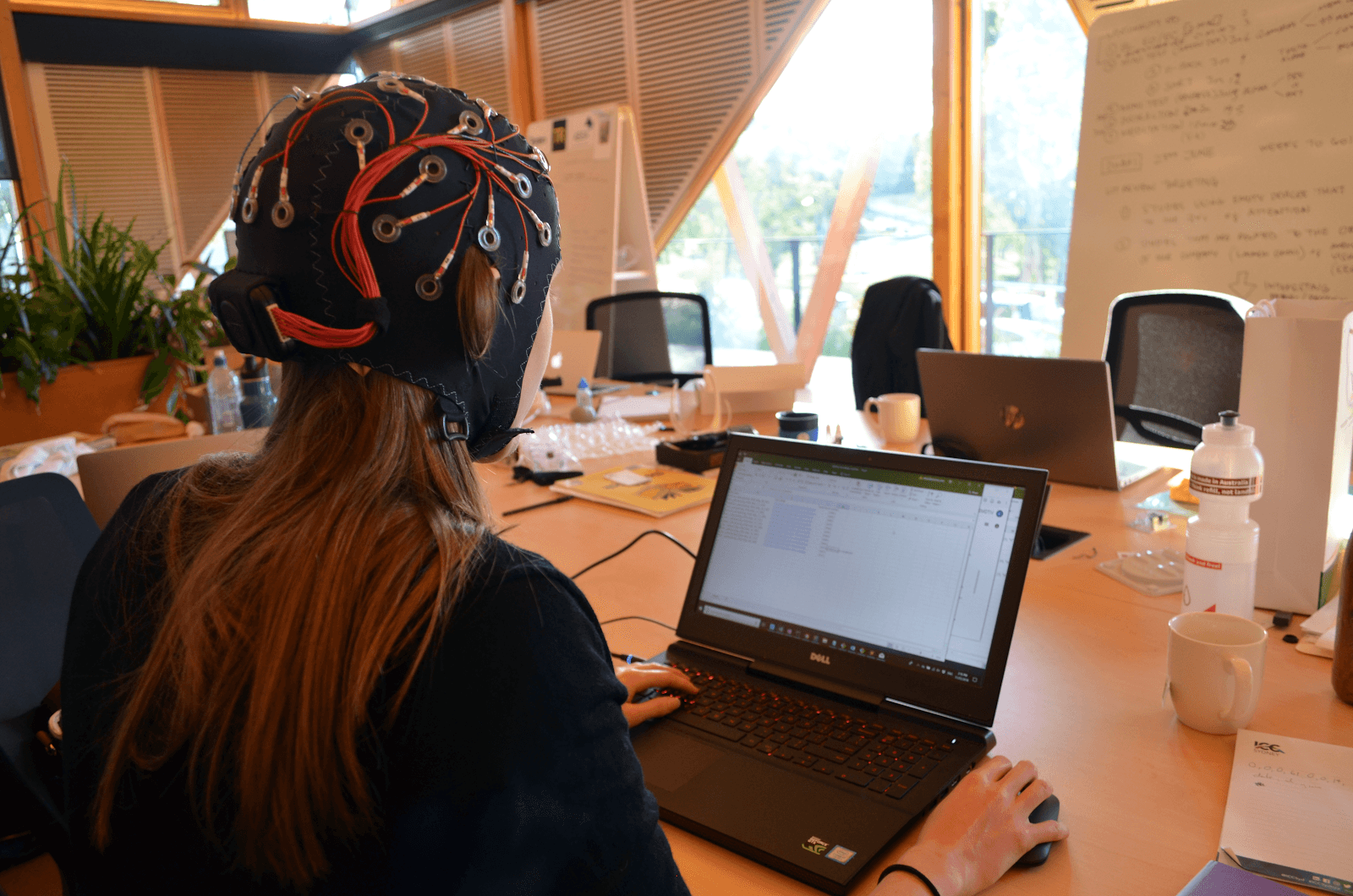
Continue reading